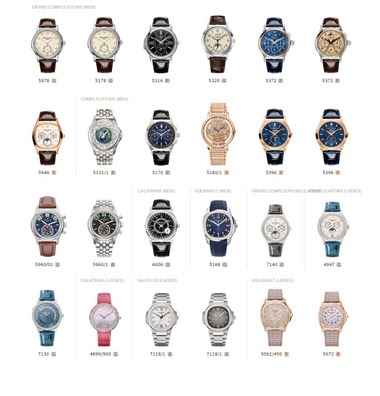
Reference Guide
GLau, a self-proclaimed 'Enamel Slave/Addict,' shares an exclusive virtual meeting with Anita Porchet, revered as 'The Enamel Queen' of horology. This article delves into Porchet's unparalleled expertise in miniature painting, cloisonné, and champlevé, offering a rare glimpse into the meticulous artistry behind some of Patek Philippe's most coveted enamel dials. GLau's privileged discussion with Ms. Porchet provides invaluable insights into her background, journey, and collaborations with Patek Philippe and other prestigious brands.


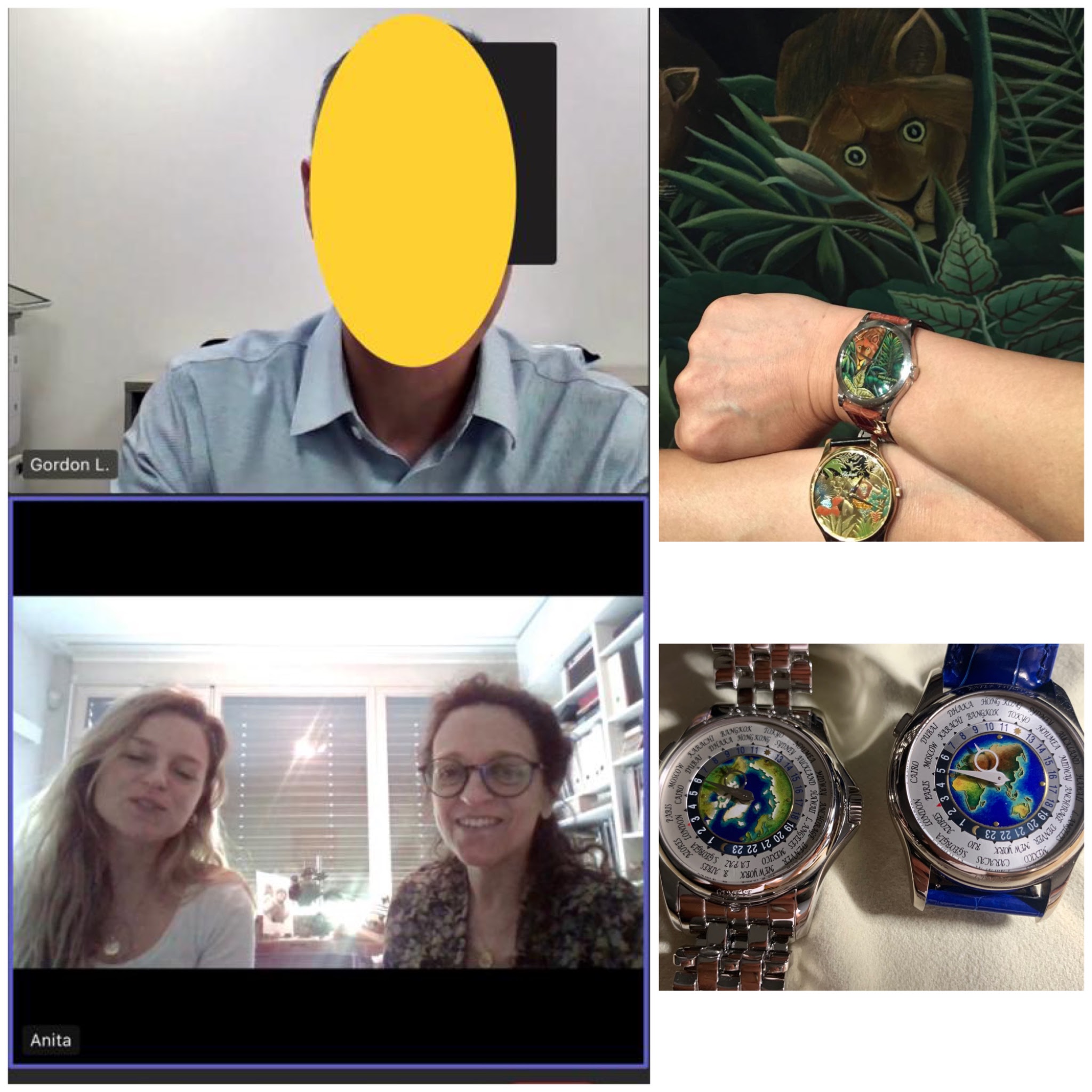

Her daughter, also a part-time enameler, was kind enough to translate between Anita and I as my French is very very rusty.
For part 1 of 2, I would like to first share some interesting tidbits and information about techniques.
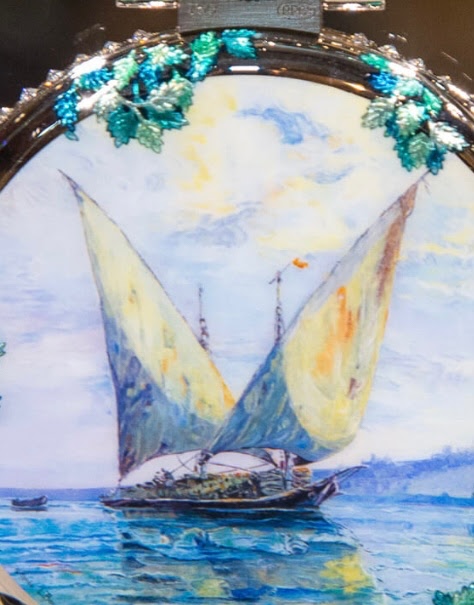
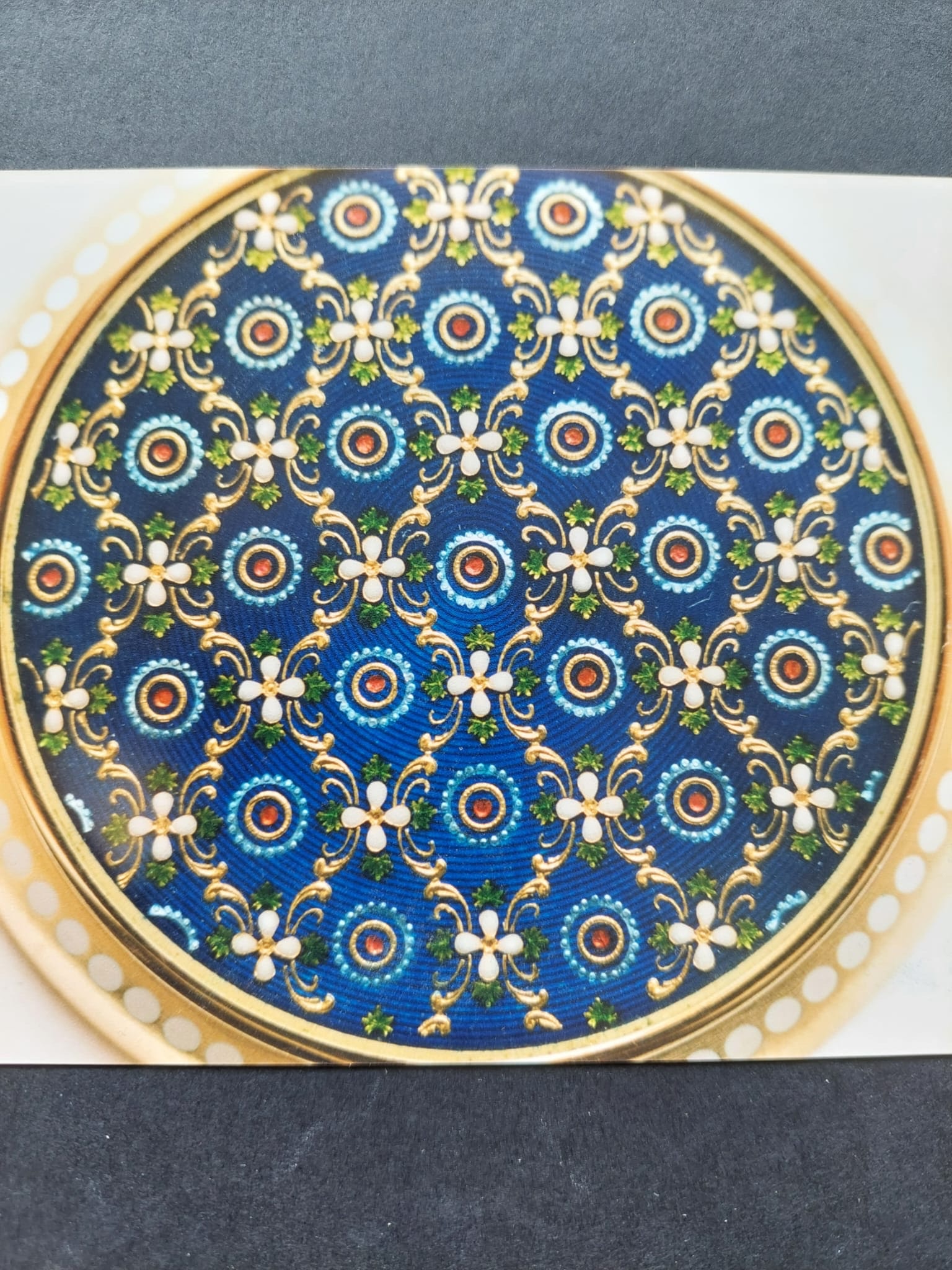
FYI, For watch dials, there are three prominent enameling methods, miniature painting, cloisonné (gold wires to create partitions to be filled with enamel for a motif) and champlevé (motif is carved into the dial then filled with enamel) that are applied in watches. Amazingly, Ms Porchet can master all three (and more such as paillonne), and this mastery is definitely very special.
Interesting fact is that, in terms of technique, process and timing, miniature painting is very different than cloisonné and champlevé. The colors for miniature painting are opaque as very fine enamel (i.e. glass) powder is mixed with oil, and after mixing very thin layers are applied to the dial before baking in the kiln. For cloisonné and champlevé, the colors can be opaque or transparent as larger enamel pieces are grounded and then mixed with water, the product of which is then put on cloisonné and champlevé dials before firing. Timing in the kiln, related temperature and how the enamel behaves in terms of color development are very different between the techniques. Hence, lots of practice, experience and patience are required over many years in order to gain the knowledge, dexterity and skills required to become an enamel master.
Important to note that historically enamelers tended to specialize only on one technique, such as miniature painting but not cloisonné and not champlevé. Even within painting, one would focus on mastering on one category, such as flowers, portraits or sceneries. For cloisonne, there used to be specialization for preparing the base layer (white in color), using gold wires to create the motif, applying enamel paste on the cloisonné and firing the dial in the kiln to get the intended colors and gradations, and putting on and polishing the protection layer.
Realizing the historical specializations, I then understood how astounding it is that Anita can master the different techniques and also is highly capable of the sub-categories of each ! Her skill set is truly broad and deep as she is an all-rounded VIRTUOSO !
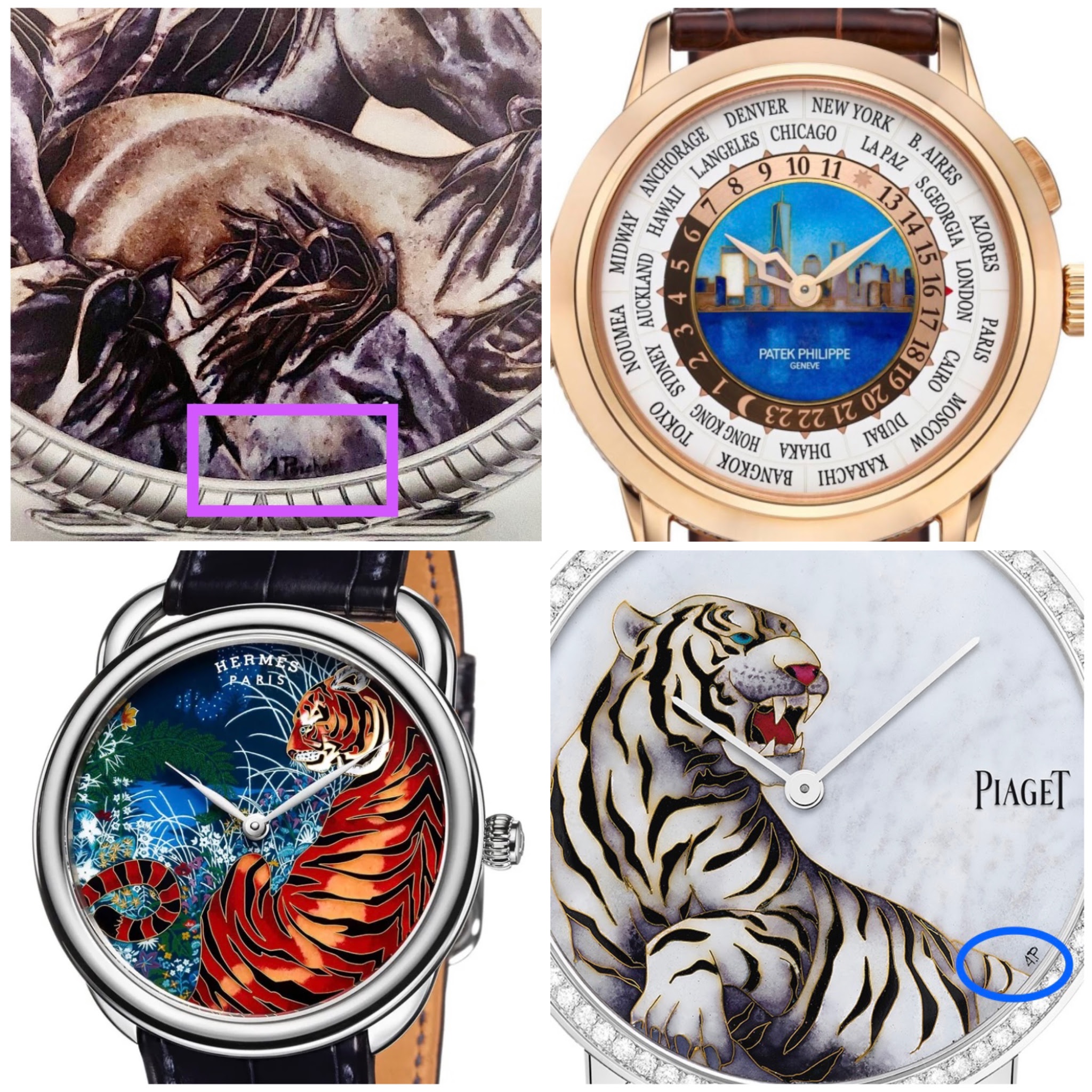
For part 2 of 2, I will write about Anita's journey, the people she learned from and worked with, and the various work she did over the years.
Hope you find the above information useful and helpful.
The Patek Philippe Complications reference 5131 is a World Time model, distinguished by its cloisonné enamel dial depicting a map of the world. This reference is part of a series that showcases Patek Philippe's expertise in both horological complications and traditional decorative arts, offering a functional travel watch with significant aesthetic appeal. It represents a continuation of the brand's long-standing tradition of producing World Time watches, updated with contemporary design elements and a self-winding movement. The 5131 is recognized for its intricate dial work, which varies depending on the specific metal and region depicted.
The watch features a 39.5mm case, available in various precious metals, housing the self-winding Caliber 240 HU. This movement provides a power reserve of 48 hours and drives the World Time complication, allowing the wearer to simultaneously view the time in 24 different time zones. The case is fitted with a sapphire crystal, ensuring durability and clear visibility of the detailed dial. Water resistance is rated at 30 meters, suitable for everyday wear. The fixed bezel frames the intricate dial, contributing to the watch's refined profile.
As a World Time model with a cloisonné dial, the 5131 appeals to collectors who appreciate both technical sophistication and artisanal craftsmanship. Its limited production and the unique hand-finished nature of each dial contribute to its desirability within the secondary market. The reference fits into Patek Philippe's Complications collection as a high-end travel watch, offering a distinctive alternative to more traditional time-only or chronograph models. Variants typically involve different precious metal cases and corresponding enamel map depictions.
Thanks for sharing
Thank you for this post and lesson. Extremely informative and certainly needs to be documented as part of an enamel dial historical context and reference. I didn’t know the 5531 New York edition was also done by her!! 😮
Thanks for your kind comments. Hopefully you will also find part 2 informative.
Can't wait to read your part 2 of 2 about Ms. Porchet journey.
Part 2 coming soon !
Thank you so much for taking the time and the trouble to interview AP and then sharing the contents with us. This is exactly the kind of post we crave. I've learnt a lot! Is the 5231 dial not made in AP atelier? I note you only mentioned 5131. 80-100 dials a year is not a lot eh? Especially when AP works across a few brands! Makes you wonder, PP probably does less than 50 enamel WT/year? Last but not least is that an enamelled egg on your face???😂😂 Thanks again Gordon. Much appreciated.
This thread is active on the Patek Philippe forum with 18 replies. Share your knowledge with fellow collectors.
Join the Discussion →