
Vintage
HSTE's post revisits a long-standing mystery surrounding the dial of his Omega Seamaster "Cross of Merit" ref. OT 2850 from 1956. Despite an Omega extract confirming the watch's authenticity and commemorative status, the dial's unique design, made by Z.J. Fluckiger, deviates from known official variations. This article explores the community's theories on whether this "mystery dial" is a prototype, a custom replacement, or a rare original variant, highlighting the complexities of vintage Omega authentication.


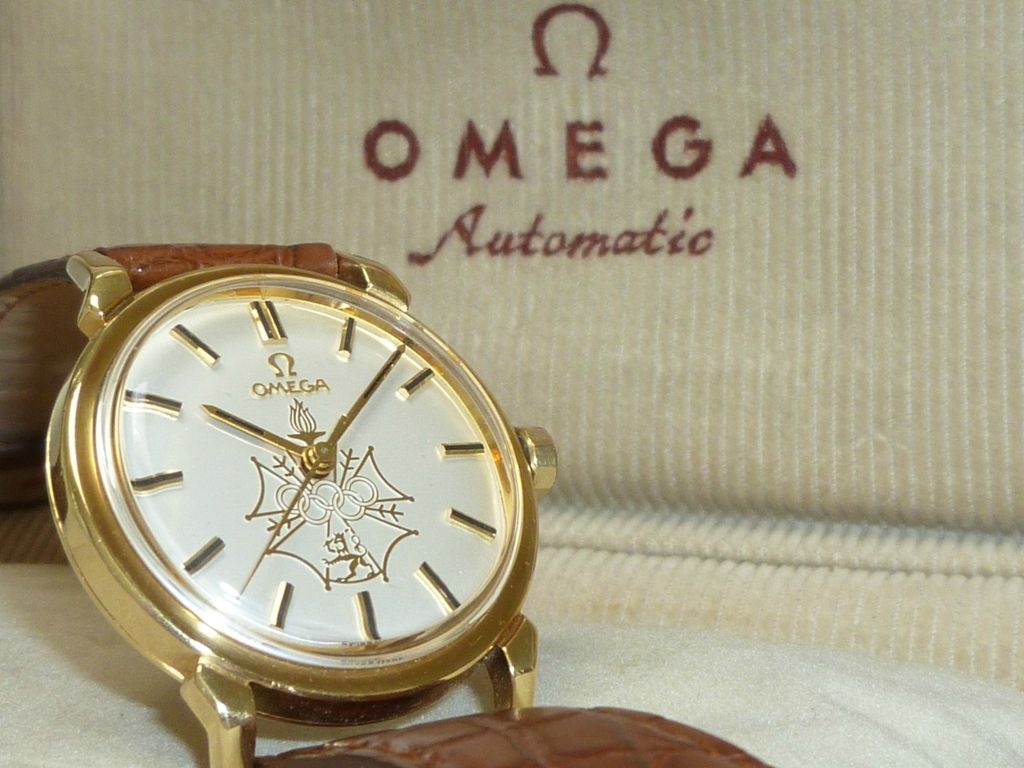
I would like to take up a thread that started and also ended in November 2008 in this forum. The thread was obviously related to the Omega Seamaster "Cross of Merit" and it ended with two pictures of the watch that I now own since about two years (at least: I suspect that it was the one I now own as it had the same "strange" dial). The thread ended with the question: "is it a fake"?
I purchased this watch because I got it for a very reasonable price and because I actually like this particular dial more than the "official" ones as I think this is less "gothic", more clean and lean. An un-typical purchase for me as I normally only go for up-front visible- fully detailed and undisputed authenticity.
The experts will know the (few) variations of dials that came with the OT 2850. Given the special dial of mine I did some further exploration including having my watch-maker to remove the dial so that I could take some pictures. So, by now I can share the following facts:
If you look at the close up pictures of the dial, it is clear that this is not one of those "Thai-versions" nor the "index-markers-glued-onto-the-dial" type of stuff: the Cross of Merit emblem stands 3D-like out of the dial, it is very detailed and very precise. But then we all seem to know that Omega started to use the baton/onyx type of dials at the earliest at around 1958.
So, the big question is of course: fake (I guess not), prototype (?), custom made upon request as later replacement (must have been expensive?), other? Food for thought. Whatever the outcome, I really like this watch with this particular dial. But I am very curious to hear your comments, theories and feed-backs.
Cheers
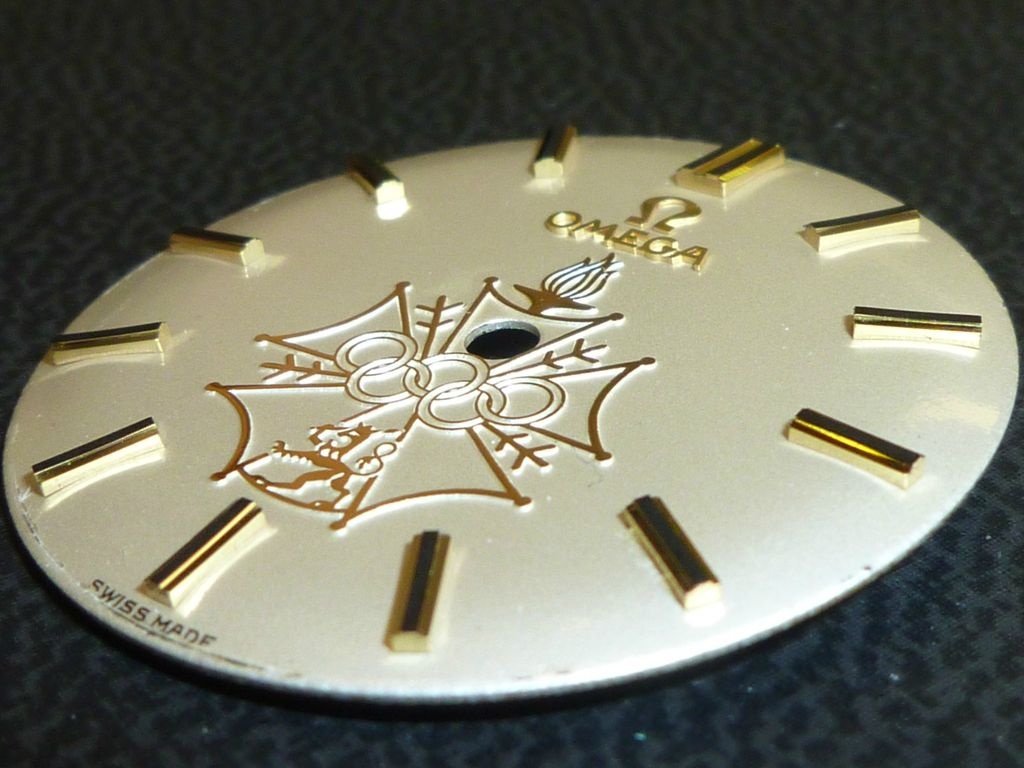
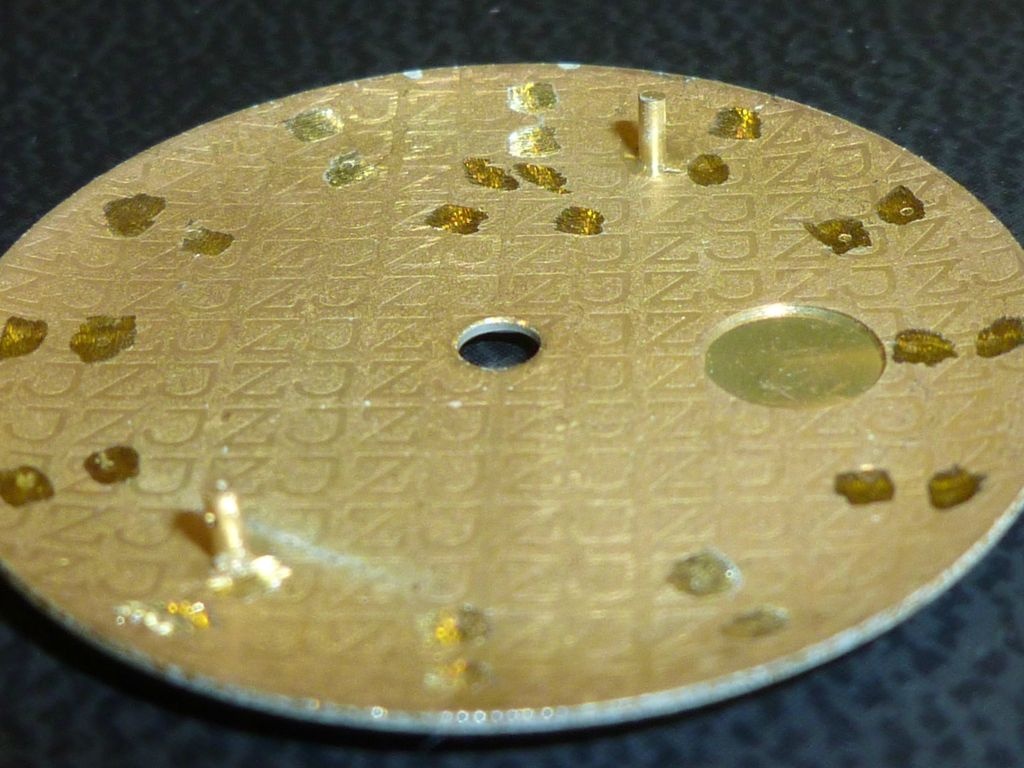
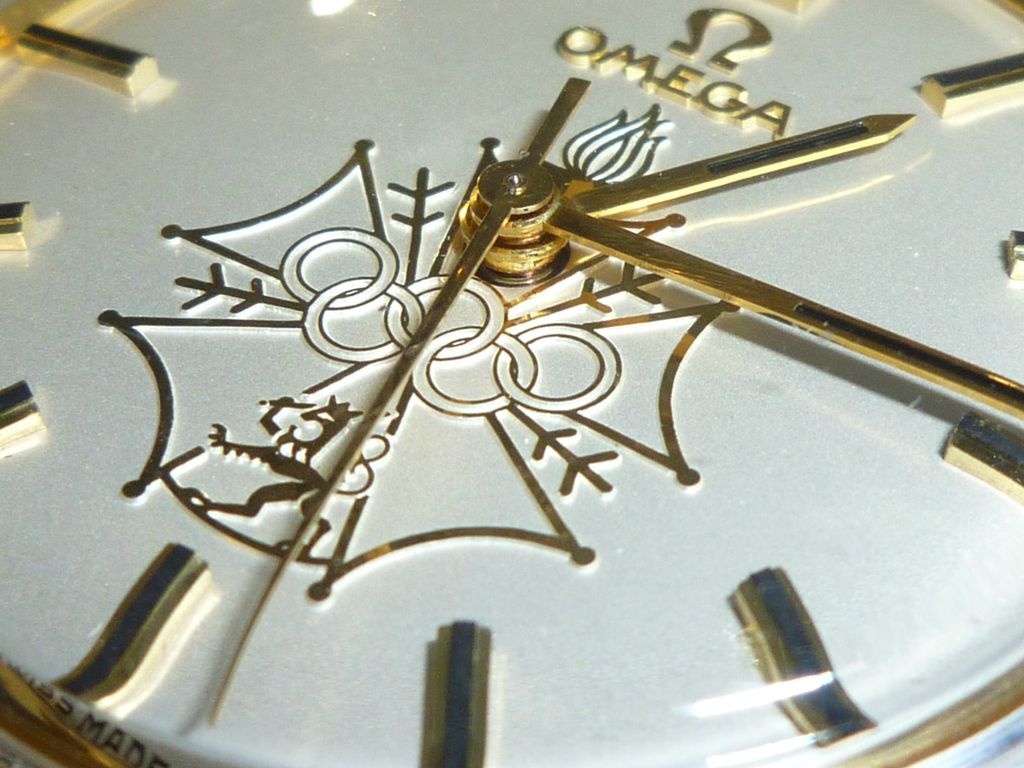
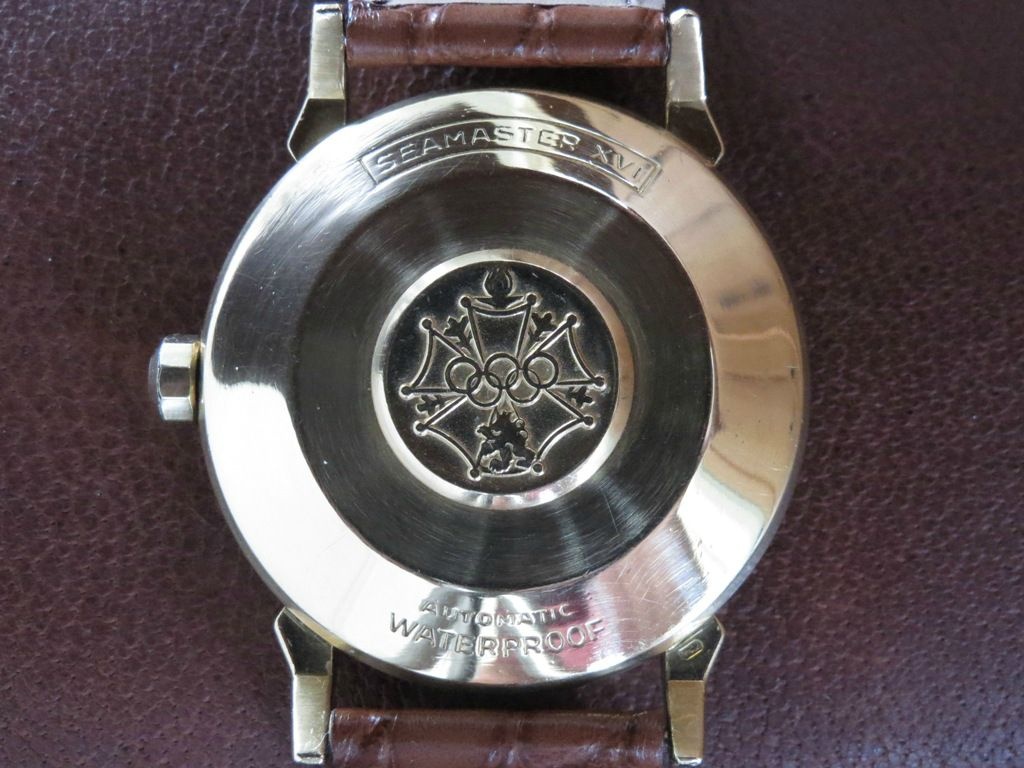
. . . or original to the watch, and the same goes for the hands, too. There's at least one current third party dial maker that refinishes XVI dials. My sense is the dial of this one came from another watch, and was refinished to fit an original SM XVI case and movement. Perhaps one of the established experts will come forward to assist. Cordially, Art
But, as you say it is from a known Omega dial maker, although the XVI dials do not have the multiple ZJ embossing on the reverse, and my feeling is that it is not refinished. There are variations of XVI dials including a solid gold version, but this is the first one I have seen with these markers. They are properly riveted and no glue is evident, suggesting an original dial. As with any model - even limited editions - an inventory of parts is produced to service the watch. One possibility is tha
. . . a XVI sent in for service way back when with a cracked dial. After rummaging around the parts bin and finding none of the correct dials available, they might well have tapped a reject or prototype instead. Most cordially, Art
Thank you Desmond for sharing your wealth of knowledge, your thoughts are very very interesting. I tried to take some makros from the original size pictures, not sure this helps as to the question of lacquer or paint. Best regards, HSTE
my feeling is that this is a painted dial. Not being able to see it under a loupe, I still think it's thinner than lacquered dials I've seen. So service replacement or sample are the two best options I can come up with. It certainly does look a fine piece with those markers. Cheers Desmond
It toke me much efforts to find these two versions of the Omega. Hope it could shield some lights in the discussion.
This thread is active on the Omega forum with 19 replies. Share your knowledge with fellow collectors.
Join the Discussion →


