
Vintage
DrStrong sheds light on Omega's significant, yet often overshadowed, collaboration with Comex in the late 1960s and 1970s. While Rolex's partnership is widely known, DrStrong's detailed account reveals how Omega Seamaster models, including the Seamaster 300 and the revolutionary PloProf 600, were rigorously tested and utilized in groundbreaking deep-sea experiments like Physalie and Janus, proving their mettle in extreme environments.


The collaboration between Rolex and Comex is very famous, but the diving watches addicts know very well that the Omega Seamaster has also been tested and used by Comex from the late 1960’s to the 1970’s.
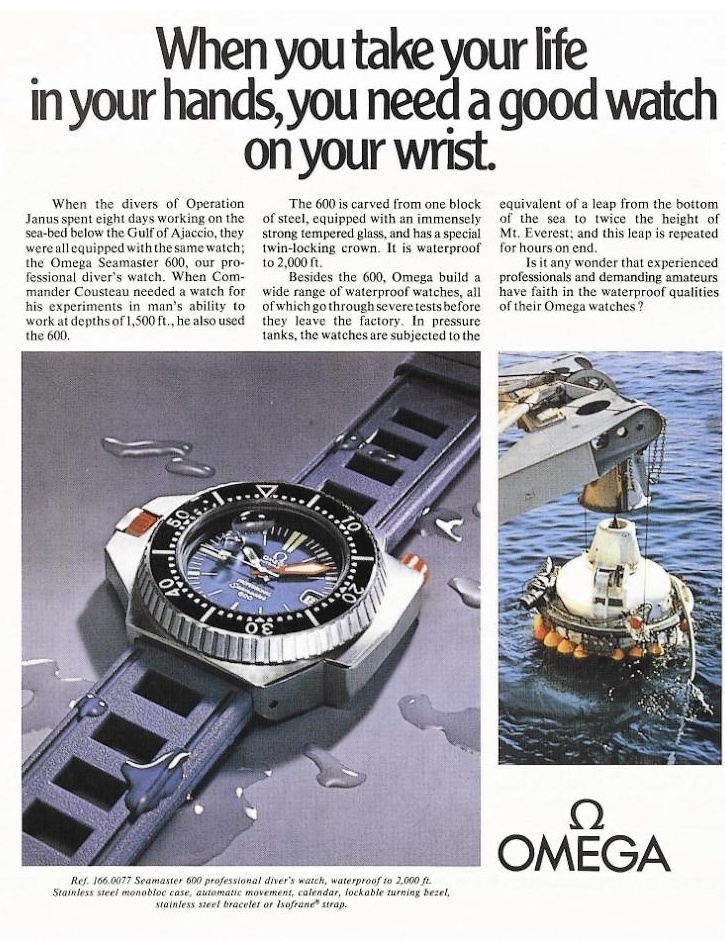
The Seamaster 300 has been the choice of many of the world’s most famous divers over the years. Jacques-Yves Cousteau’s team used the Seamaster 300 during its “Precontinent II” experiments in the Red Sea in the summer of 1963, to prove that divers could live in a submerged saturated gas environment for long periods without adverse effects. The 300 would also go on to be the watch of choice of military divers around the world, including the British Special Boat Service among others…
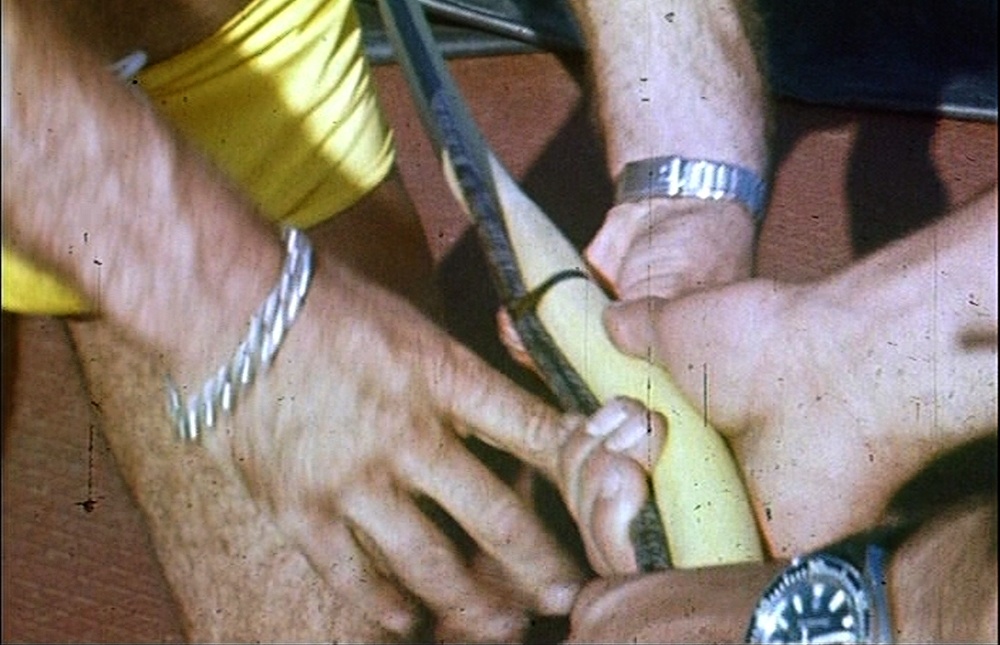
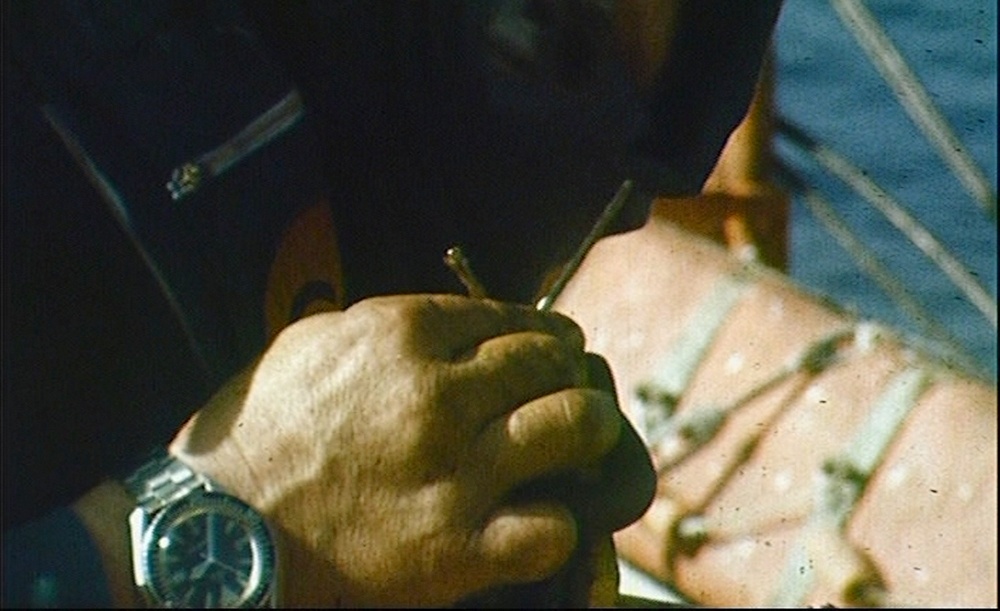
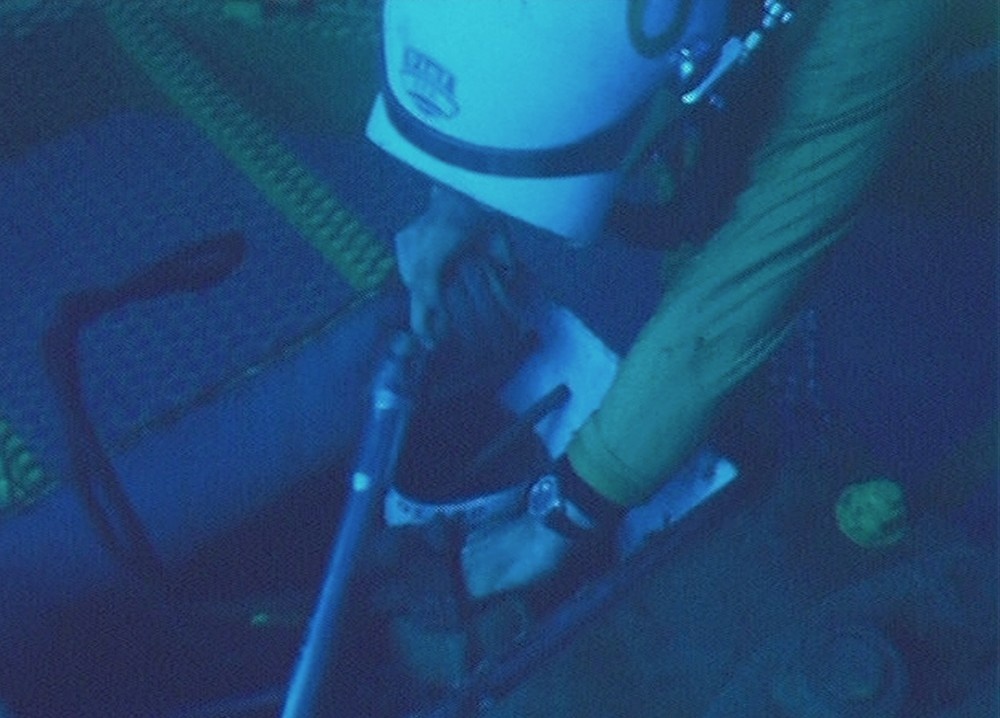
In 1968, Omega agreed to deliver his Seamaster 300 to Comex for some tests. The watch was used during the Physalie experiments, at a simulated depth of 335m. Later in the same year, the watch was used again near Cassis during the Janus experiment and tested at a real depth of 150m. In early 1970, the feedback of these tests experiment was taken into account and the watch was improved by a crystal gasket, a screw down crown and a new caseback gasket.
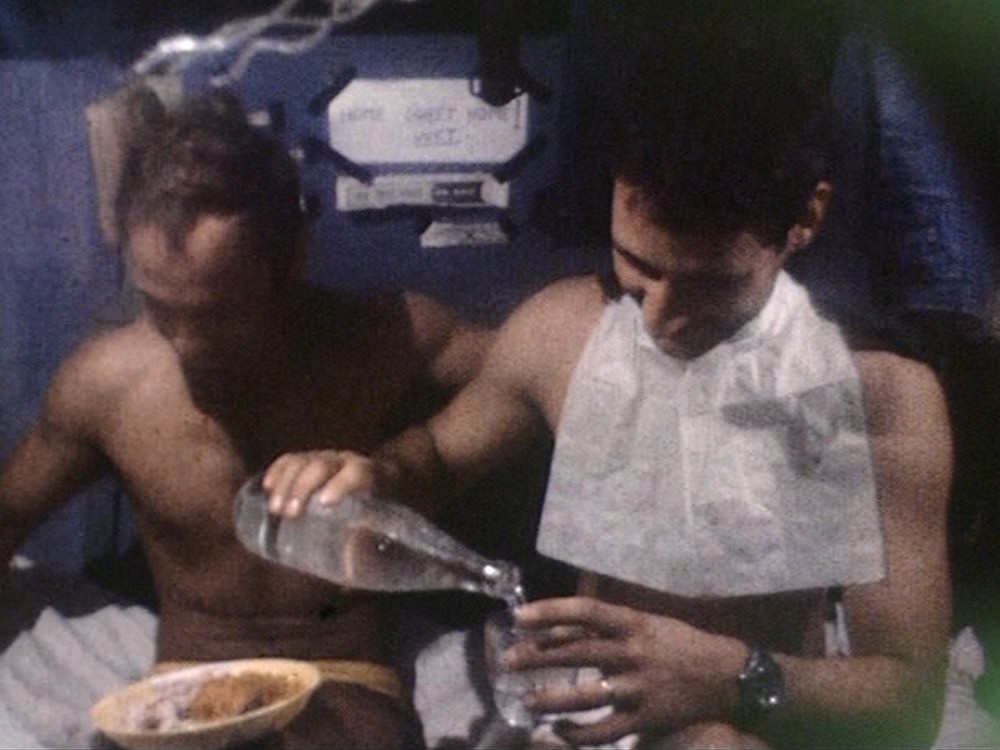
Here are a few screen shots I have made from a Comex movie about operation Janus. You can spot lots of SM300's at every stage of the operation (Credit: Comex):

The ever-increasing depths at which divers were working led to the creation of the famous “PloProf” Seamaster 600, launched to the public in 1970 after four years of intensive research and testing (the case was already patented in 1967). This watch proved to be more than equal to the new challenges faced by professional divers.
This revolutionary watch had a monocoque solid steel asymmetric case with screw-in crown at nine o'clock to allow the wrist to move freely, protected by a locking nut - requiring two hands to unscrew it - to avoid accidental manipulation and bidirectional notched bezel with locking system controlled by a push-button. The monolytic chemically-soaked mineral crystal was treated with anti-reflective and anti-abrasive material pressed to 120 kg, then held on the gasket by a screw-in ring.
The Navy blue or black dial ensured perfect legibility even at great depths, the minute hand (the most useful ones when diving) was super large-sized and is off set by a fluorescent orange surround. The professional most frequently uses a diving bell in which he can breathe in a mixture of oxygen and helium. If his/her watch is not especially adapted so as to not let in these gases, it would fill with helium and explode on reaching the surface. However, in contrast to its competitors who created models with helium release valves, Omega chose the option of preventing the helium from entering the watch in the first place as, if this happens, it can affect the watch's precision by damaging the sprung balance. And it makes the Ploprof resistant to gases to such an extent that if the air in its case were to be expelled– in normal atmospheric conditions – more than 1000 years would go by before it could re-enter.
The Ploprof would be scrupulously analysed by the American diving research centre Ocean Systems Inc. in Tarrytown, NY, which concluded that, taking into account the appropriate proportions, the timepiece is more resistant than a submarine! In fact, Seamaster 600 underwent a series of hypostatic tests that revealed that the watch functioned up to a simulated depth of 1370 meters at which point the 4mm thick crystal touched the second hand, stopping the watch.
COMEX used Seamaster 600 prototypes extensively during test dives in the late 1960s and in September 1970 the watch accompanied the three divers of Janus II. During this dive, the divers spend four hours per day over eight days in the water and set a world record for underwater exploration at a depth of 253 meters in the Ajaccio Gulf in France.
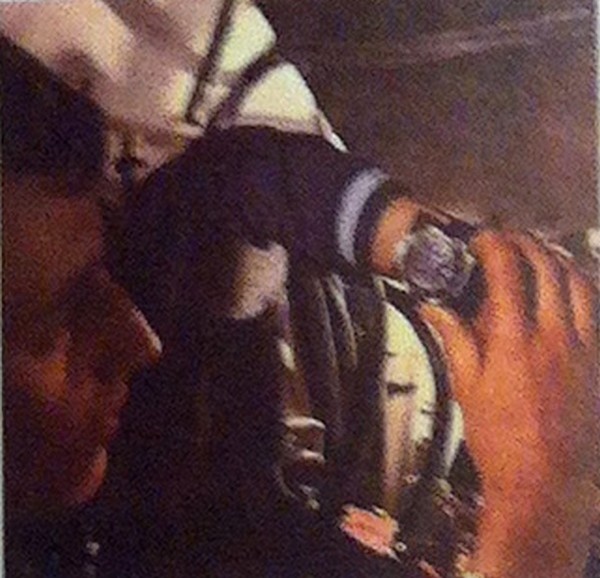
A Ploprof during Janus II (Credit: Comex)
Later, Cousteau’s divers would use the watches off the coast of Marseille during a set of experiments to test the effects on divers working at depths up to 500 meters. According to Omega, the production of Seamaster 600 prototypes was of only 11 watches, shared between Comex and the Cousteau team; the numbers of watches given to Comex is estimated between 5 and 6 from 1970 to 1972, making probably the rarest model delivered to Comex. There were even a few examples made especially for Comex in titanium… I have to say I have never seen one In the metal !
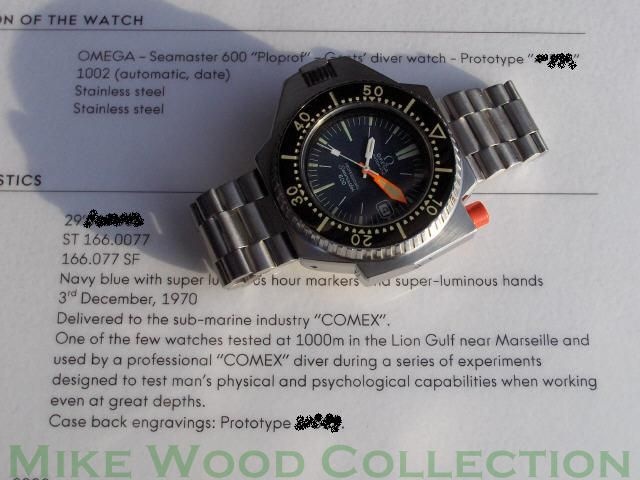
A Stainless Steel Ploprof Protoype delivered to Comex (Credit: Mike Wood)
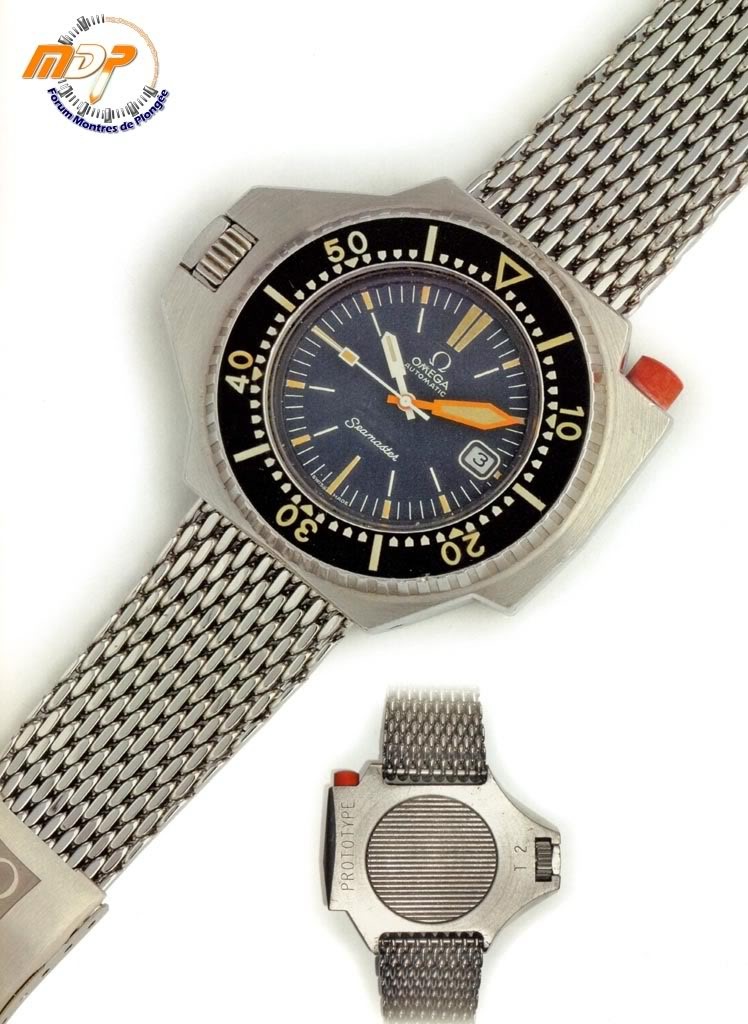
A Titanium Ploprof Protoype delivered to Comex (Credit: MDP)
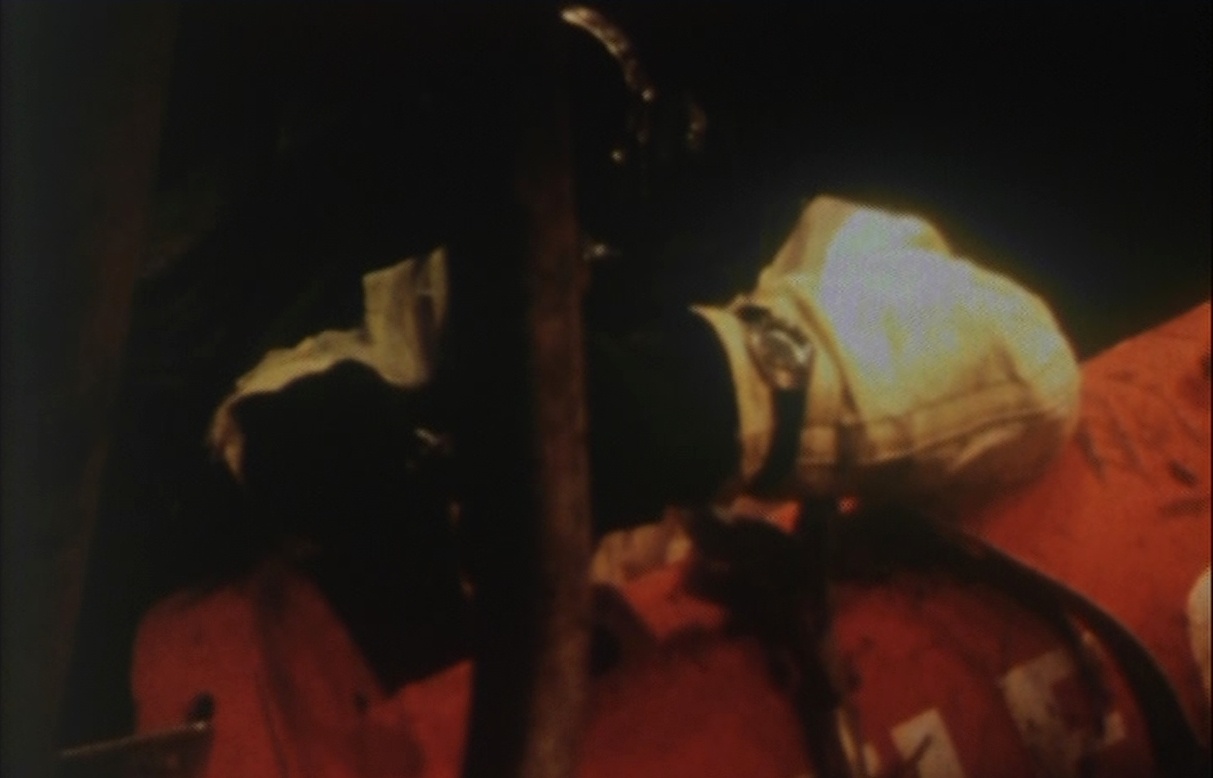
The last mythical piece I’m going to describe is the Seamaster 1000. The “big brother” of the 600 was also launched in 1971 and tested alongside the 600 by the same divers. A few prototypes were delivered to Comex, they have the side engraved with “Prototype” + a number. It differed from those produced commercially in its case back design: The prototype has a flat back, while the commercially-produced watches have a slightly curved back. Here are two pictures of Seamaster 1000 used during the Janus II experiment (credit: Comex):
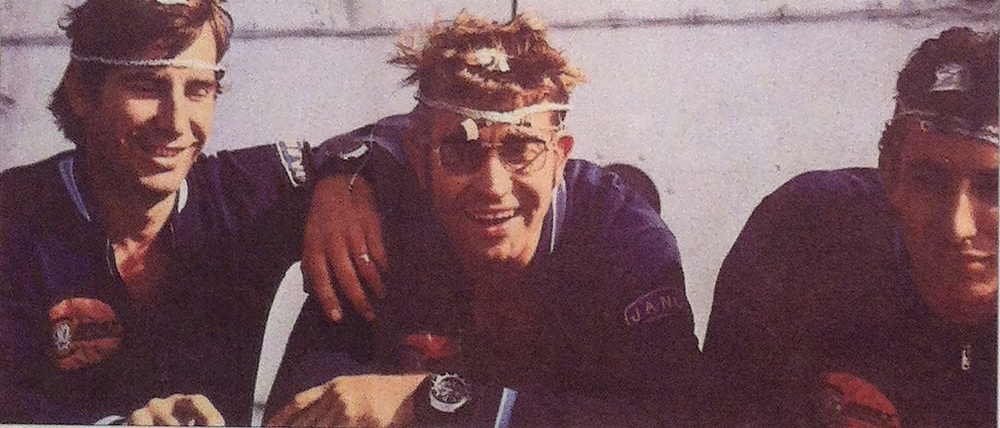
Here’s a prototype that was given to the legendary diver and Cousteau comrade Jacques Monjoin. He was a pioneer of deep water diving and led the COMEX Janus tests from 1968-1972 wearing this very watch.
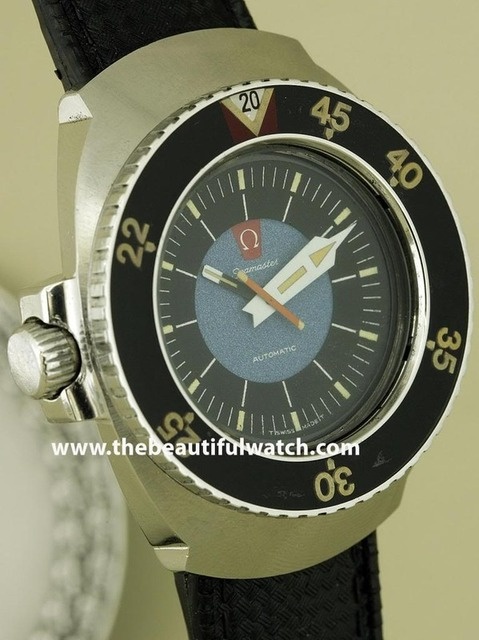
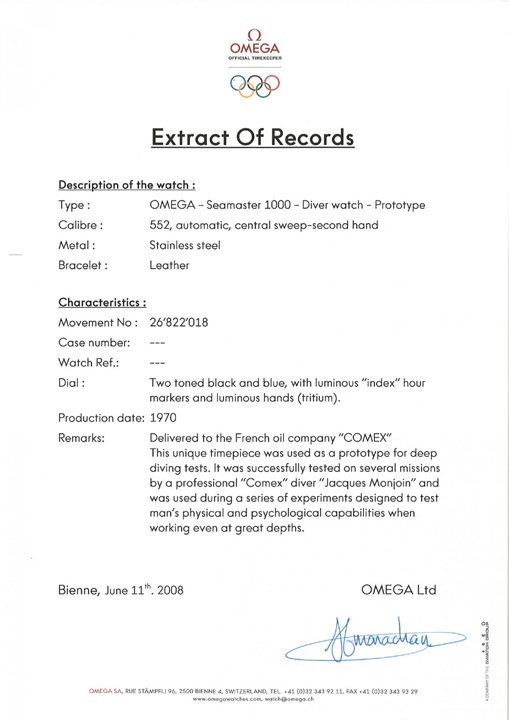
The highlight of the 1000's early exploration career was undoubtedly its dive on IUC's (International Underwater Contractors) submarine “Beaver Mark IV” where the watch was attached to the submarine's robotic arm to test the effects on the crystal at a depth of 1000 meters.
The Seamaster 300 reference is a re-edition that draws inspiration from Omega's historical dive watches. It is characterized by its robust construction and design elements that pay homage to early professional timepieces, while incorporating modern watchmaking advancements. This reference is positioned as a contemporary interpretation for enthusiasts who appreciate vintage aesthetics combined with current performance standards.
This particular Seamaster 300 features a stainless steel case, typically measuring 41 mm in diameter. It is equipped with an automatic movement, often a Master Co-Axial caliber, providing a substantial power reserve. The watch is fitted with a domed sapphire crystal, contributing to its vintage appearance while offering enhanced scratch resistance. Its construction ensures a high degree of water resistance suitable for aquatic activities.
For collectors, this reference appeals to those seeking a blend of historical design and modern technical specifications. It represents Omega's commitment to its heritage while offering a reliable and well-engineered timepiece. The Seamaster 300 is a significant part of the brand's contemporary collection, offering a distinct alternative to other models within the Seamaster family.
I love the 1000! Do you know, or does anyone know the significance to the markings on the bezel? I would love to know there rational. for watch that is designed for such deepdepths, i doubt its any form of N.D. table, but perhaps for count down or some thing?? Cheers Tony
....the number of years you'll have to wait to source such a watch ? Seriously, the crazy thing is that I have been offered this watch when it was bought by a local dealer from the original owner. But I did not believe in it, as I had never seen such a thing before... Also, that dealer is really strange !
I love the seconds hand!! Maybe the bezel is count the number of days in saturation!! Do you not a some comex diver contact from your previous Comex aquisitions, who could maybe shed some light on this bezel? Its a great post. Tony
...I bought my first Rolex Comex to one of the Janus divers, who used the Ploprof. He did not like the watch at all and was really happy to obtain a Rolex by the way.... LOL I will ask him about the bezel.
This thread is active on the Omega forum with 58 replies. Share your knowledge with fellow collectors.
Join the Discussion →


