
Service
Dr No shares the journey of his friend Riley's 1959 Omega Seamaster, recently returned from Omega service. This post highlights the challenges and decisions involved in restoring a vintage timepiece, particularly concerning original parts versus modern replacements. Dr No's detailed account and accompanying photos offer valuable insights into the complexities collectors face when seeking authenticity and functionality.


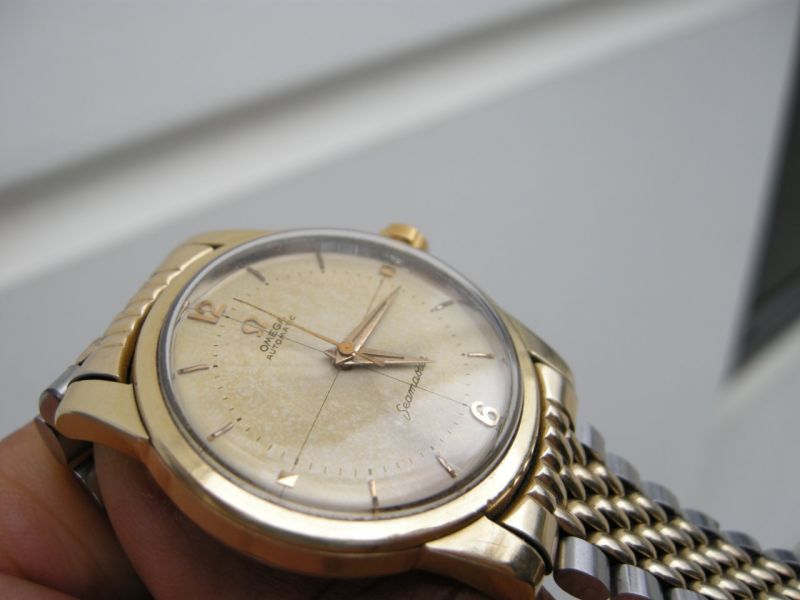
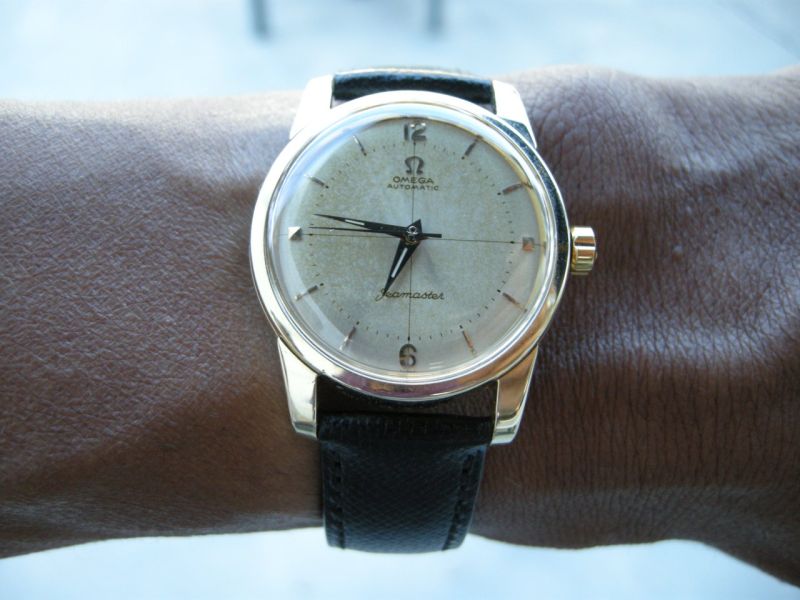
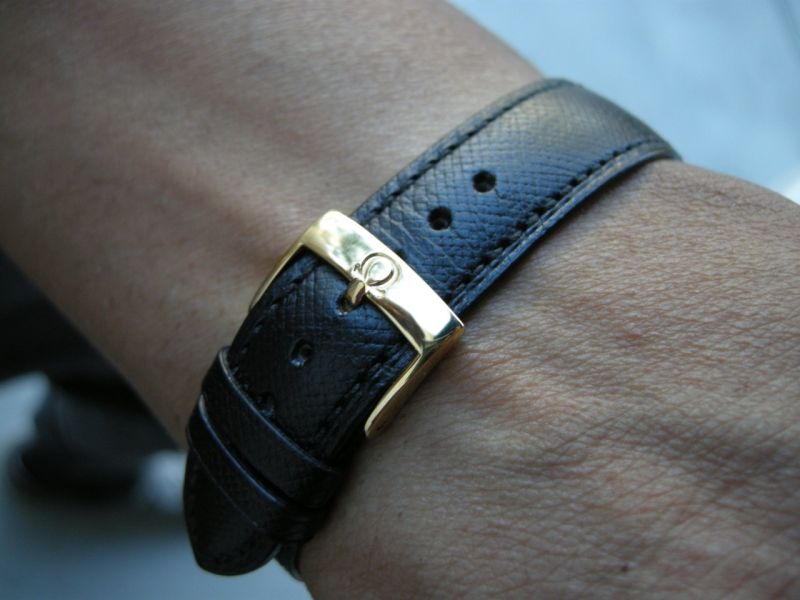
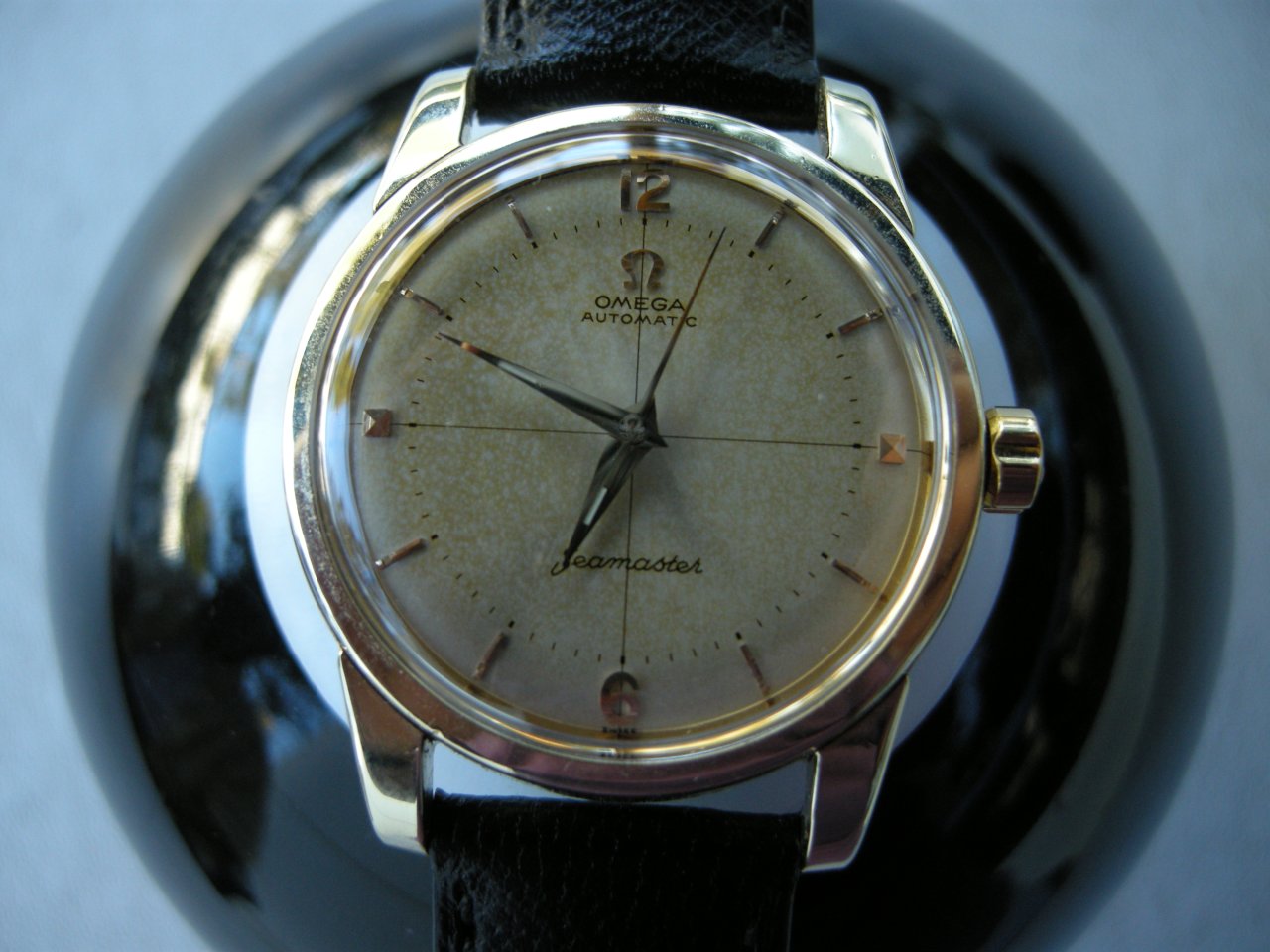
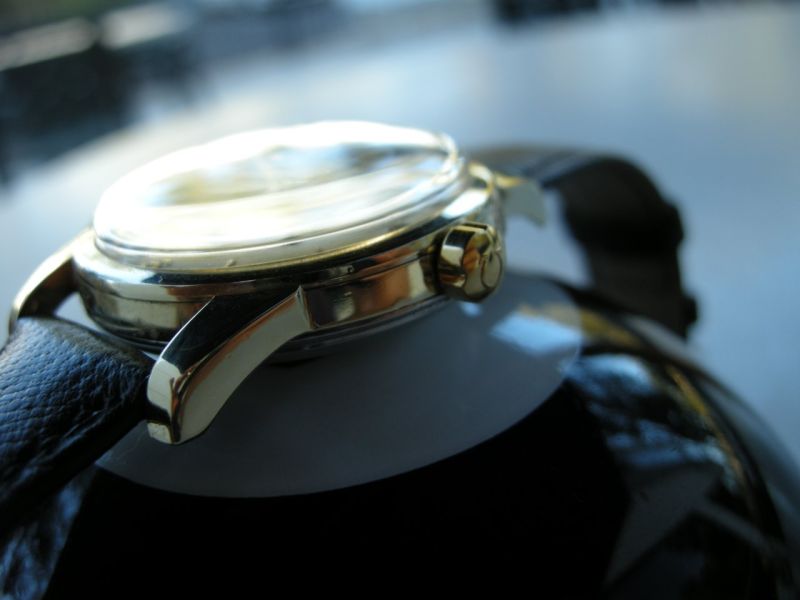
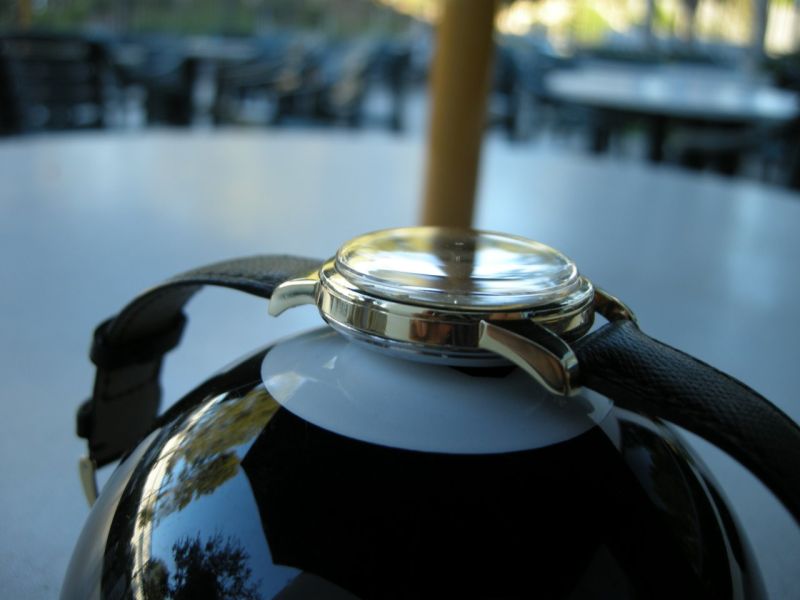
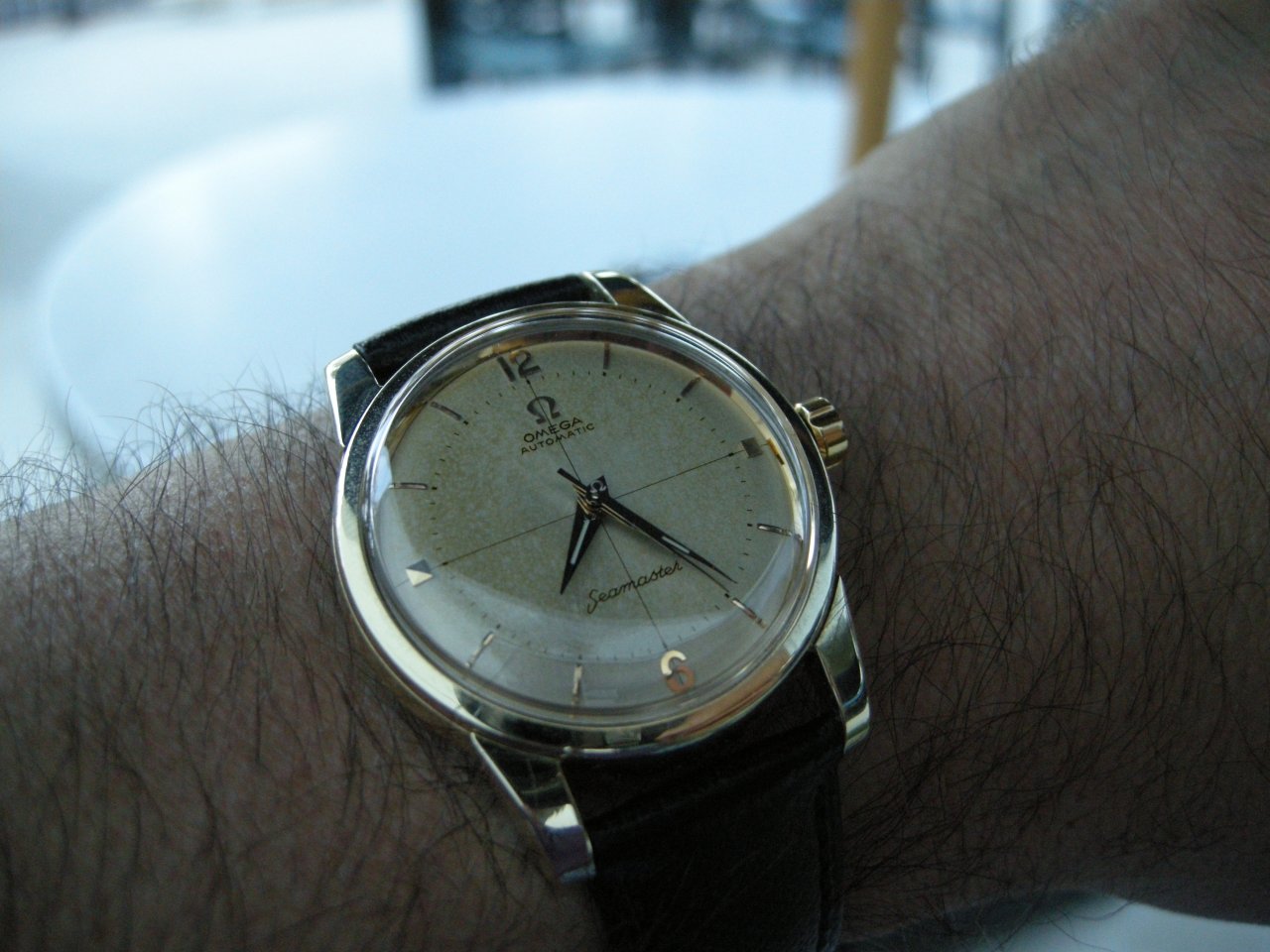
. . . and while the movement wasn't in bad shape, Omega returned all the parts that were replaced, which included a couple of wheels, crystal, hands, mainspring, pinions, and screws.
and the case is terrific. I agree with you concerning the hands, Art. Best regards, Tony
. . . he could've had it performed locally, but this way, there's no regrets over a possibly botched job. He's ordered the certificate of authenticity, too; now all he needs is someone to fix the clasp on the two-tone bracelet, and he'll have quite a rarity on his hands. Cordially, Art
..to Omega CH or Local Omega AD? My local AD has 3 qualified watchmakers and is really good. But is a little reluctant to send a difficult watch to Omega CH. So at one time did I have a watch at the AD for almost 2 years... they needed to find the parts.. Cheers Hans
. . . in Biel . . .
This thread is active on the Omega forum with 27 replies. Share your knowledge with fellow collectors.
Join the Discussion →


