KMII initiates a thought-provoking discussion on how future generations will engage with watches, exploring the 'aging effect' versus the 'cohort effect' in product appreciation. This article delves into community perspectives on whether watches hold inherent appeal for younger demographics and how this passion can be fostered.
Observing younger people today and their relationship to product categories as compared to that of my generation has got me thinking about what the changing tastes and needs will mean for the watch as a prouct. Sure, there is the current crystal ball gazing about whether the smart watch will create a revolution of Quartz crisis like proportions but what I am curious about is slightly different. Namely, does the watch as a product (whether smart or otherwise) have an inherent appeal to generations yet to come, or not. And if the answer is less than a resounding yes, how one could ensure that this happens regardlessly. And I apologize in avance for a long post, but would really be interested in the opinions of the members here.

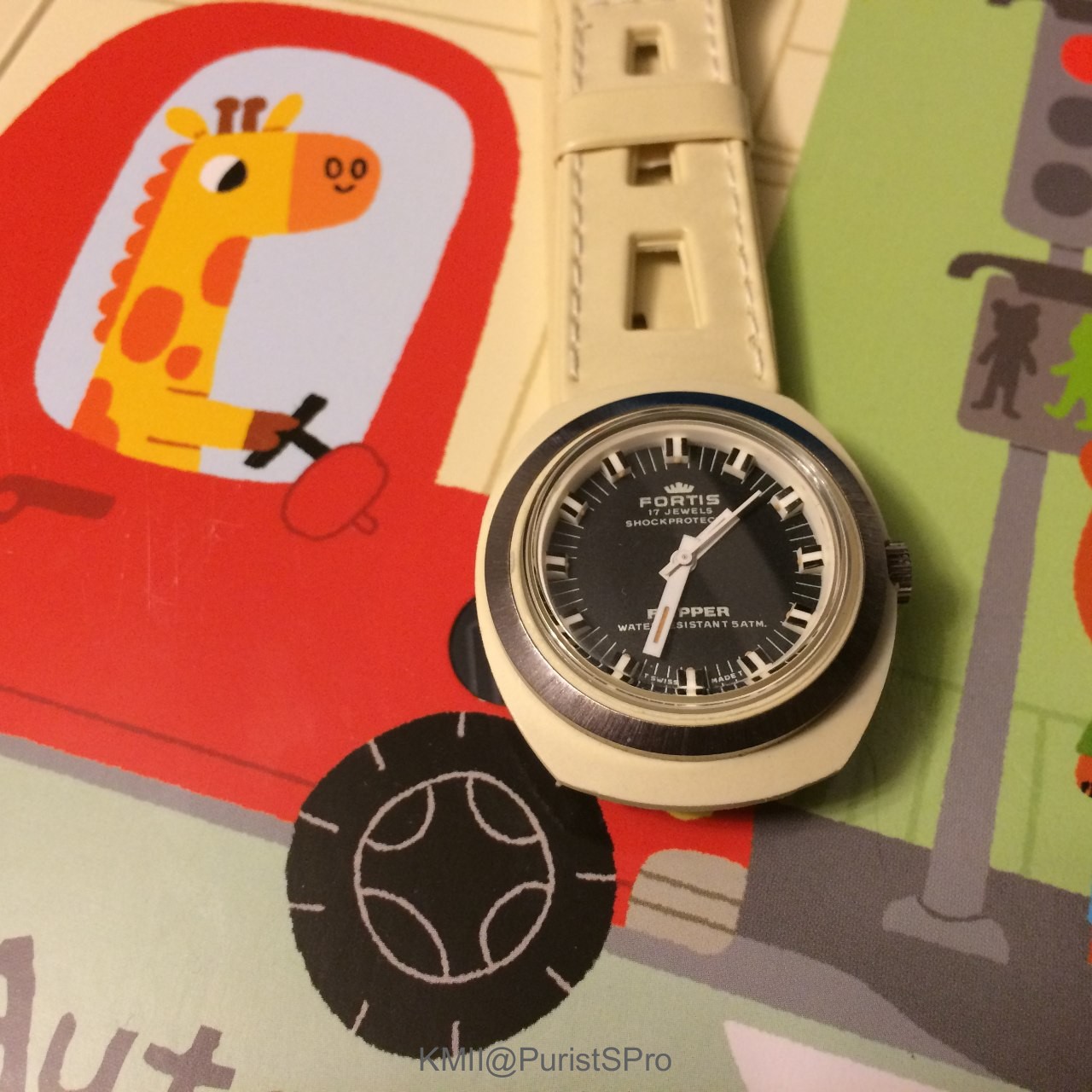
A bit of a background from marketing theory - if one simplifies strongly, there are two different ways (depending on product category and positioning within it) how one integrates a product into one's consideration set, namely the aging effect and the cohort effect. The former occurs when a change in life stage, or simply the onset of a certain age gets someone to develop an appreciation of a product or product category. The latter is more subtle and difficult, as it takes a socialization period (where one is often not a user of the product but develops a virtual relationship to it), which determines one's atittude to the product, followed by a life where that attitude remains, often largely irrespective of the inherent qualities of the product (there are of course limits).
The former is in some ways easy, as there is a relatively predictable number of individuals entering new life stages in every period of time and these are easy to then target and capture. The latter requires much more work upfront, has much longer time delays (i.e. good decisions now will likely only pay off years or decades later) but has the advantage of stickiness / loyalty - namely the cohort appropriately socialized will continue having a positive relationship to the product for the rest of their lives.
Now where are watches as a category? I would be very curious to hear your own views, since most of the members have been at this hobby much longer than I have. Have you been exposed to watches, or desired them from a young age? Not speaking specific brands - just the product. Or has it been simply something that went from irrelevant to important in a very short period of time?
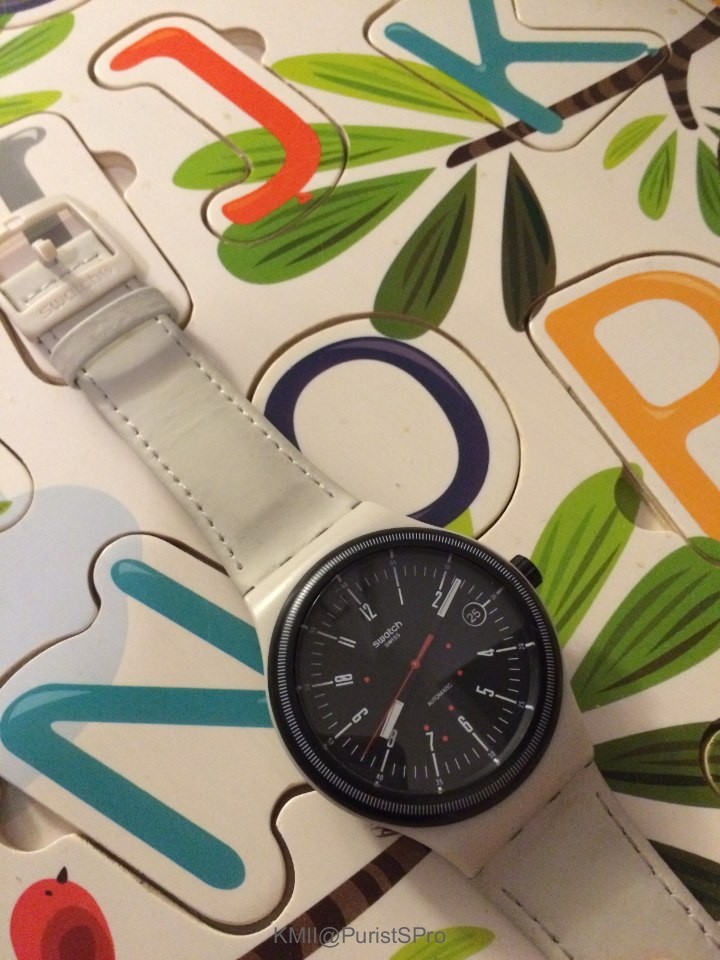
If I look at my example and those of many people I know, watches have featured from a young age. My first was a black plastic Swatch with white numbers and a red second hand when I was five or six years old. I got it at the same time as my best friend, his differing in having a yellow seconds hand (things one remembers)

Even before - and this goes on to the current day - I cannot remember my father ever having gone out of the house without a watch on. For him the desire was in a way even more extreme (generation ago), since he only got his first at confirmation and that did not last all that long
Following that first Swatch I always felt watches were important and always wore one, and I can probably still remember most I had, even if many are far from still being around or in a working state. I was also always sure that I wanted a 'nice watch' at some point in time, whatever that meant.
There were several moments in life that strengthened this appreciation, various family friends and relatives, various watches I got as presents from my father. Now that all did not predetermine me wearing a particular brand today, or lusting after another one for the future but I can be reasonably confident that I will remain 'into the product' for as long as I make conscious decisions.
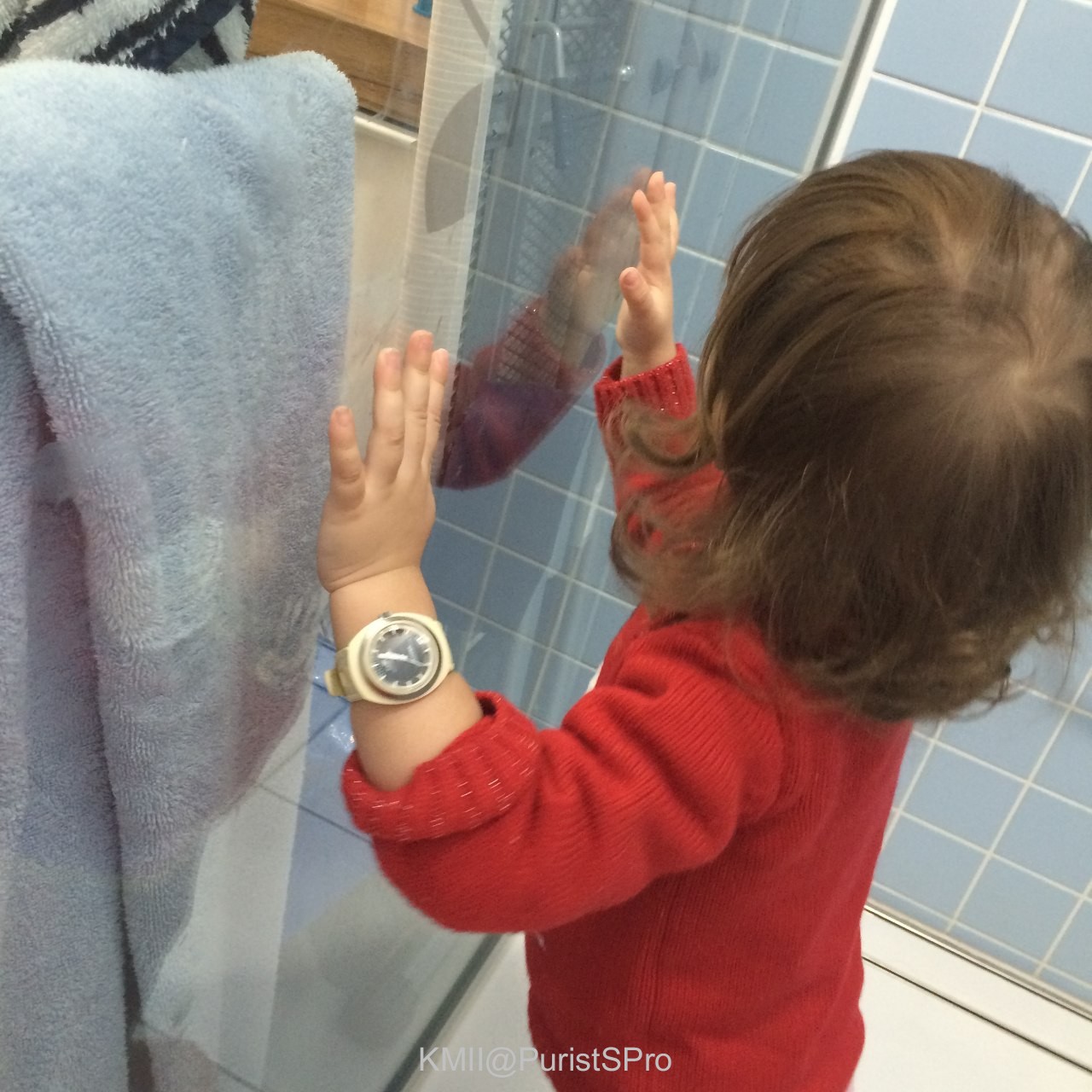
Now contrast this to many of the younger people of today. If I look within our company (and at over 200.000 employees there is a reasonable sample to work with), most young people do not wear watches. The standard statement is that the phone does a better job of telling time, and the phone they need more generally, the watch less so. Is the Quartz crisis to blame? Or the fact that one can get a watch for next to nothing these days? Not sure. Is today's youth socialized with the impression that watches matter, or are important? Again I would be basing the statement on a skewed sample, as my daughter will certainly imbibe things horological from an early age - and I am sure the same goes for most of the other members here.
Majority of society, not that certain.
Example of early watch socialization

Just like individual mobility and the car (and often forgotten, the motorcycle before it) are losing in appeal for younger generations in developed societies, so it may happen with watches. If I take the motorcycle example and Europe and the US as cases, one can see clear traces of the cohort effect. Youngsters no longer get the licence, have very few seminal experiences from their youth related to the product, and simply could not care less generally speaking. In the meantime you have more motorcyclists over the age of 80 than under the age of 25 in Germany and the trend is worsening. In the US (data a couple of years old now but little is likely to have changed) the average age of a Harley rider increases by about 9 years in 10 years of elapsed time (clear cohort effect, if there ever was one).
The motorcycle industry is largely (with some exceptions) pretty passive about it. The upside for them is a huge pool of potentil customers, who still got the appropriate socialization and are now in the optimal age bracket, with lots of disposable income and the odd bout of nostalgia
Activities to rekindle the interest of youth in the product? Few. Yet all will suffer relatively badly in about 20 or so years time, when that pool is depleted, with little coming after. And rebuilding it will again take decades, as the time between your deciding whether a motorcycle is cool and actually being able to afford an expensive one is quite long for most people.
A similar dynamic is taking place with cars. Sure, we are at a much earlier stage and there will probably be a much longer development cycle, as often rural areas do not offer a sensible alternative at the moment.
Could this be something happening to the watch world as well? And does it matter? A luxury brand with a limited annual production, say under 25.000 is unlikely to be directly affected in the medium term would be my guess. Veblen will probably take care of that, and if nothing else, there will be enough offspring of watch afficionados to ensure these limited volumes get bought. At the level of 500.000 or above, I am not so sure I would be quite so relaxed as an owner, tough.
What can the watch industry do? Again, not sure at all. Is the Swatch approach of making watches fun and generally affordable sufficient for the industry?
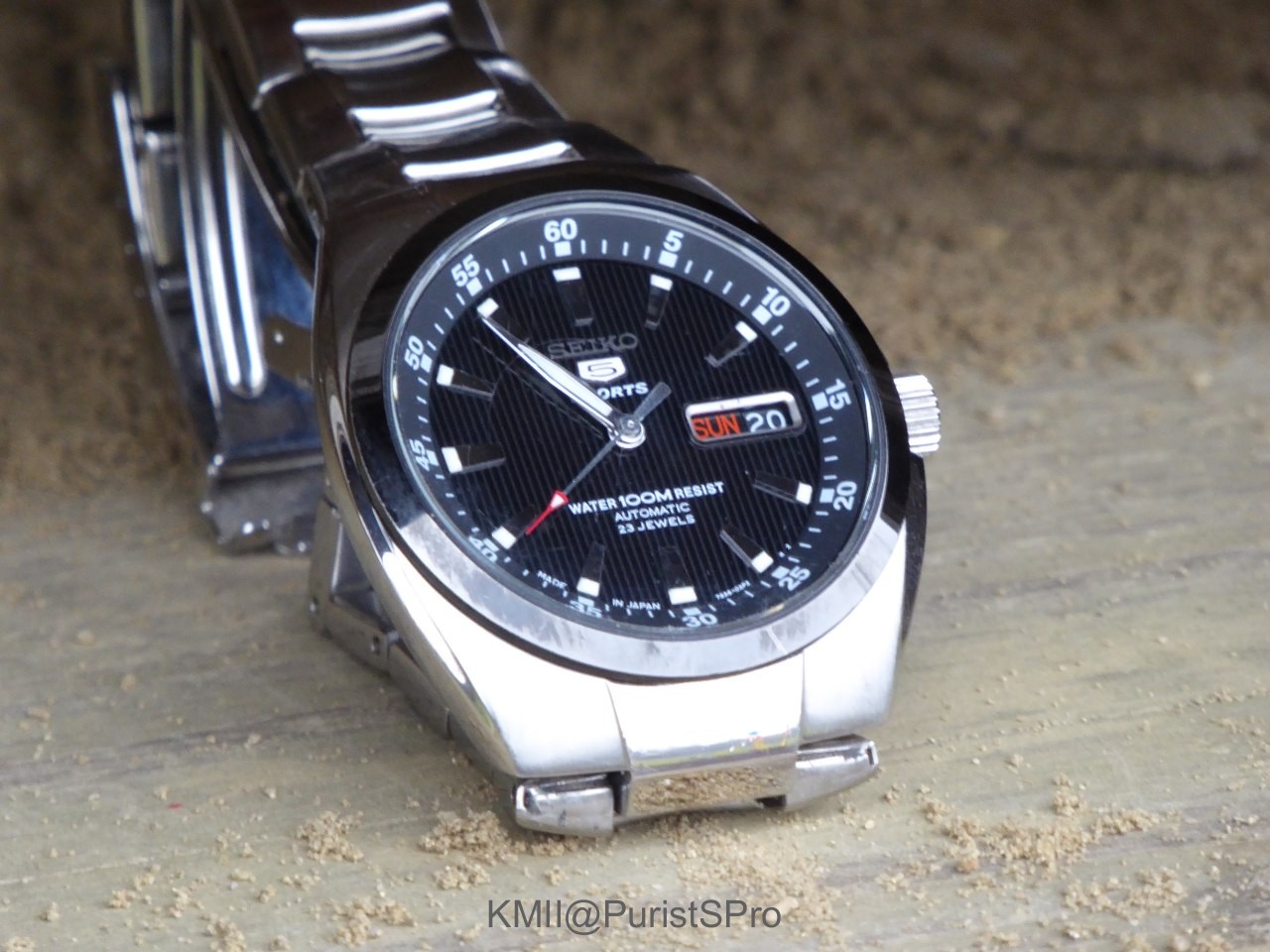
Are the masses of Seiko 5s, that provide millions of people with their first contact to honest mechanical watches, again at a fair price, an adequate gateway?
Or will the aspiration of seeing the favourite celebrity wth an expensive piece be the ticket? Will any of these approaches work on a population that does not desperately need the product and has not grown up coveting it? Or do we all change our outlooks with rising age and prosperity, and there is absolutely nothing to worry about?
Thanks for taking the time reading this and would be very interested in your opinions!
This message has been edited by cazalea on 2015-12-27 14:53:17 


