Manufacture
Nitediver takes readers on an exclusive tour of the Musée international d'horlogerie (MIH) in La Chaux-de-Fonds, focusing on the museum's impressive collection of chronometers and precision pendulum clocks. This installment, Part 5 of his series, highlights the intricate mechanisms and historical significance of these timekeeping marvels. His detailed photographs and descriptions offer a rare glimpse into horological history, making these often-unseen pieces accessible to a broader audience.


Mus é e international d'horlogerie, La Chaux-de-Fonds. – Part 5
Now we are moving to the chronometers and precision pendulum clocks.

Number 10: Chronometer cased in chromed metal. Anker escapement, singed Technicum La-Chaux-de-Fonds, around 1940
Number 11: Chronometer cased in silvered metal. Detent escapment (not sure if this is the right translation, in French it says "détente pivotée" – can anybody confirm or correct me here?)

Breguet Marine Chronometer, sold to the Minister of the French Royal Marine in 1820. On the right side of the dial there is a sector graduated from 0 to 8 indicating the power reserve in days.

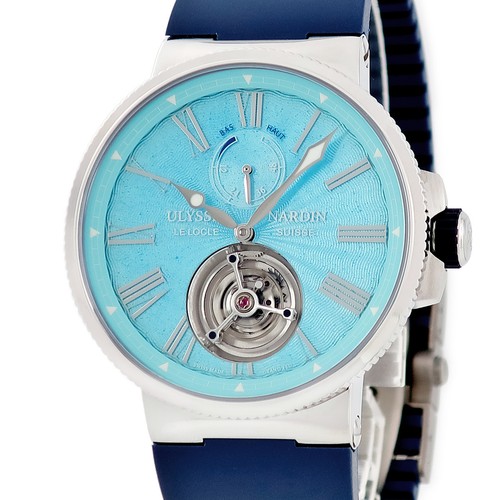
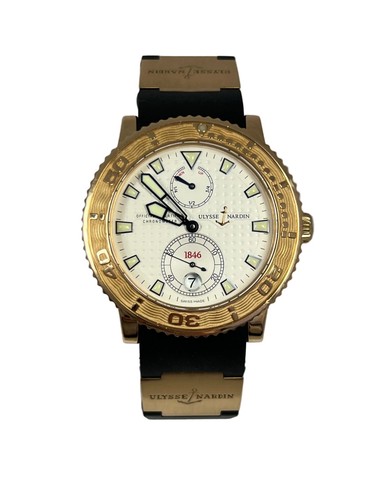
Ulysse Nardin Chronometer, around 1957. This chronometer is equipped with an auxiliary electrical contact system, designed to transmit the beat of the seconds to a loud speaker or a measuring device.
Now we are moving to the other side of the exhibition hall. There is wall with precision pendulum clocks, many of them incorporating interesting technical solutions.

Precision regulator with electric winding system. Zenith, Le Locle, around 1940. The weight is raised by means of a Ferraris motor. The indication of the second is assured by an optical system without mechanical contact, which allows the pendulum to be free.


I didn't take any notes about this clock, but it features electrical contacts and an interesting visible escapement. I can't determine what the correct description of the escapement is and would be grateful for any comments.


Time station of the town of La Chaux-de-Fonds. Matthias Hipp, Neuchatel, circa 1876. This mechanical clock controls via electrical contacts a network of public clocks which were placed around the town.
End of Part 5
Stay tuned … more to come during the course of the next few days …
...however it is not quite the same to see them only in pictures, as the movement and sound is the interesting part, really. I guess you have seen the museum before.... Best, Stefan
Can't wait to see your article on automatons, which are just another big weakness of mine. Best, Nicolas
hi can you please tell me how much should I pay for Zenith Chronometre? Thanks
i came across with one Zenith Chronometre, how much should I pay for it? its in mint condition. Thanks
But it would help to send a photo and some other information of the one you saw. Stefan
388 Ulysse Nardin listings are live on the eBay market and 203 collector listings on the WatchProSite marketplace.
This thread is active on the Horological Meandering forum with 10 replies. Share your knowledge with fellow collectors.
Join the Discussion →