
Discussion
Nilomis's insightful post, "How can I start with mechanical watches?", offers a foundational guide for new enthusiasts entering the complex world of horology. His 'secret formula' emphasizes patience, extensive research, and practical advice on avoiding common pitfalls, making it an invaluable resource for anyone looking to begin their watch collecting journey wisely. This article provides a structured approach to a hobby often driven by impulse, encouraging informed decision-making.


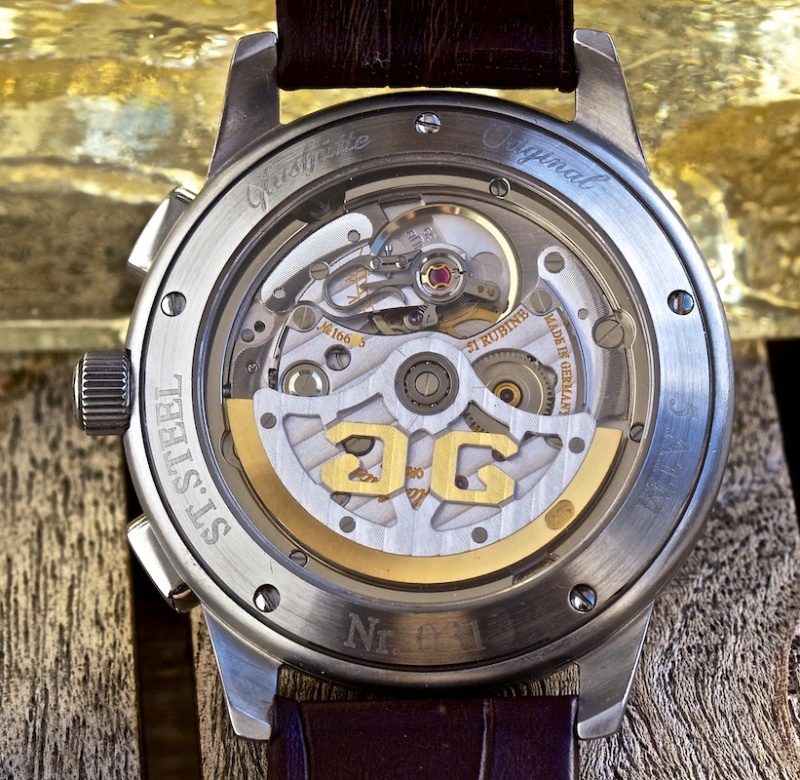
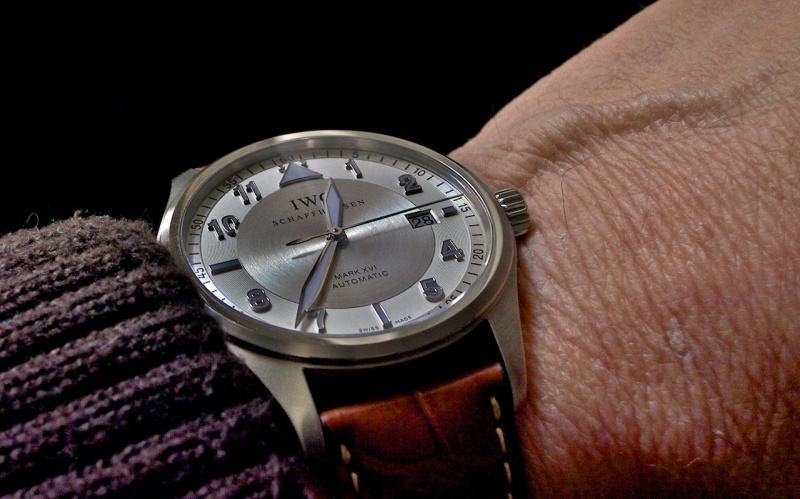
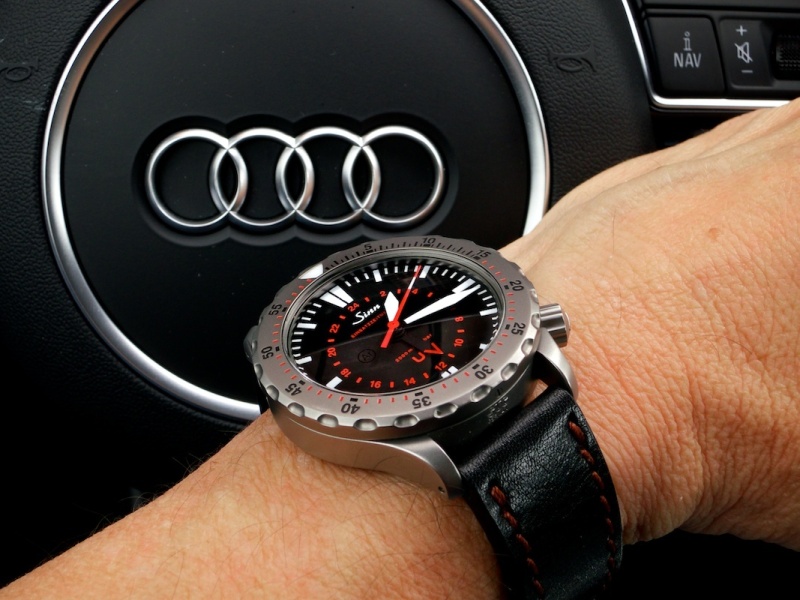
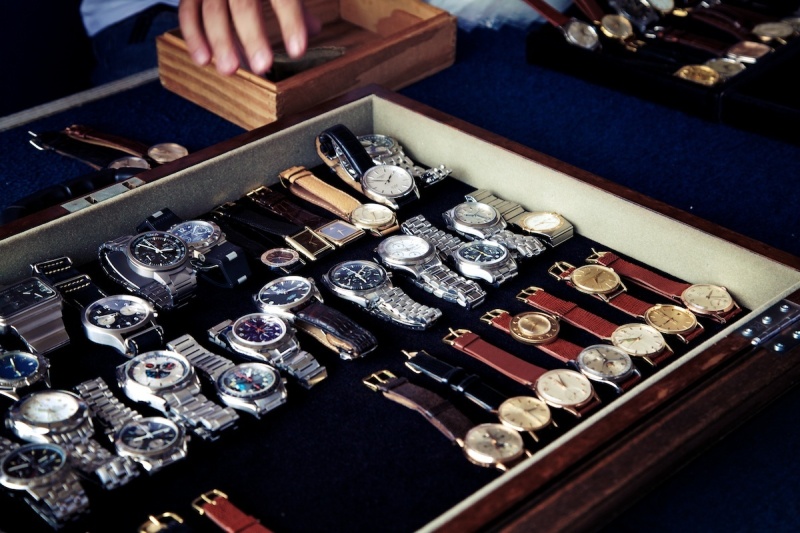
g) Used/Vintage watches
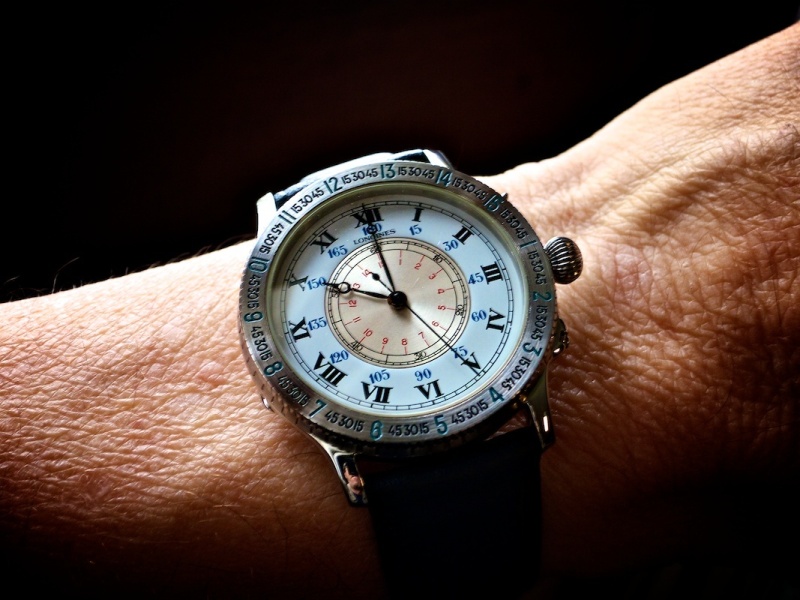
Sooner or later you go to enter into this field that can be very fun or very dangerous, depending on your approach.
When purchasing second hand/vintage, try to estimate the cost of an extended service/overhaul into the maximum value. This should be added to the price that you are ready to pay.
Another point when buying pre-owned/vintage is to get some information
about the seller ("buy the seller, not the watch" matters).
How did he/she
handle the watch?
Its difficult to find out directly, but one can infer a lot if one asks
him/her to demonstrate the watch to you; does he/she have a personal
relationship to the watch (i.e. are there certain points he/she puts
importance to?)
Does the seller know the specialties/uniqueness of the
watch?
Ask him/her how precise the watch runs.
The more detailed the
answers are to these questions the more one can be sure that the watch
was treasured.
If the watch includes the original box, papers etc. the seller may want to try to charge more, but you must consider that a "full set" is considered more valuable.
I personally refrain to acquire modern watches (made after the 1990) without the papers and preferable the original box.
A final point, is if the seller let you take the watch for a watchmaker that you trust for a final evaluation.
Summary
Nilo, That is a good question... How we can advise one on this hobby? If I knew about watches what I know today, I´m sure, I would saved a lot of money...... Well, first of all... read a lot. Start with cheap watches like seiko.... Continuing reading and learning before going to better and expensives watches.... Thats the only path I kwow.... Tks..
But I choose to be brand agnostic. Thanks, Nilo
... but Seiko is a good exemple because... 1 - Cheap 2 - in house... 3 - low and easy maintenance cost ... This advices above are just for new watches... the vintages are not included.. Tks
Mac, Not all Seikos are cheap and not all Seikos have a low and easy maintenance. Think about GS or even my trusty Marinemaster 300m. Add to this the potential desire of a newcomer to go for "a Swiss watch" for prestige reasons. Cheers, Nilo
. . . your post would be a class titled 'Purist 101'. Thanks very, very much for putting together such an excellent primer, Nilo. An article like this was sorely needed. Let me add a few observations of my own regarding vintage watches. Firstly, the importance of cultivating a relationship with a watchmaker cannot be overestimated. The services - and more importantly, expert advice - of an experienced watchmaker have the potential for making or breaking the foray. No matter how experienced a col
Art, Your point about watchmakers is very well taken. I'm lucky to have one, with a small but very sharp team, that already put me out of serious bad deals. About vintage, I made an attempt to advise the newcomer to stay away for a long time until she/he builds a very large knowledge about watches. Sourcing parts, watches that got butchered by not so much watchmakers, adaptations and finally ... fakes are the main challenges of the vintage collector. Yes, the fake industry has their evil eyes on
This thread is active on the Horological Meandering forum with 63 replies. Share your knowledge with fellow collectors.
Join the Discussion →