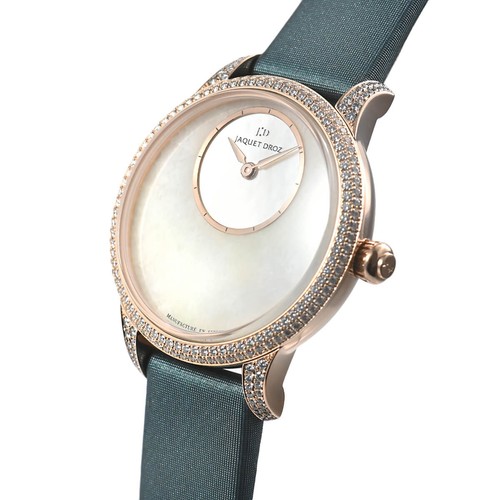
Jaquet Droz Petite Heure Minute Paillonnee
Manufacture

Jaquet Droz Petite Heure Minute Paillonnee

By KIH · Nov 23, 2013 · 21 replies
KIH
WPS member · Horological Meandering forum
21 replies4531 views0 photos
f 𝕏 in 💬 🔗

KIH's post delves into the intricate world of Jaquet Droz's Petite Heure Minute Paillonnee, a limited edition timepiece showcasing the brand's mastery of rare decorative arts. This article explores the historical significance and complex techniques behind paillonné enamel dials, highlighting Jaquet Droz's in-house capabilities and the watch's exquisite craftsmanship. KIH provides a detailed look at the multi-stage process, from champlevé engraving to the application of delicate gold paillons and multiple enamel firings.
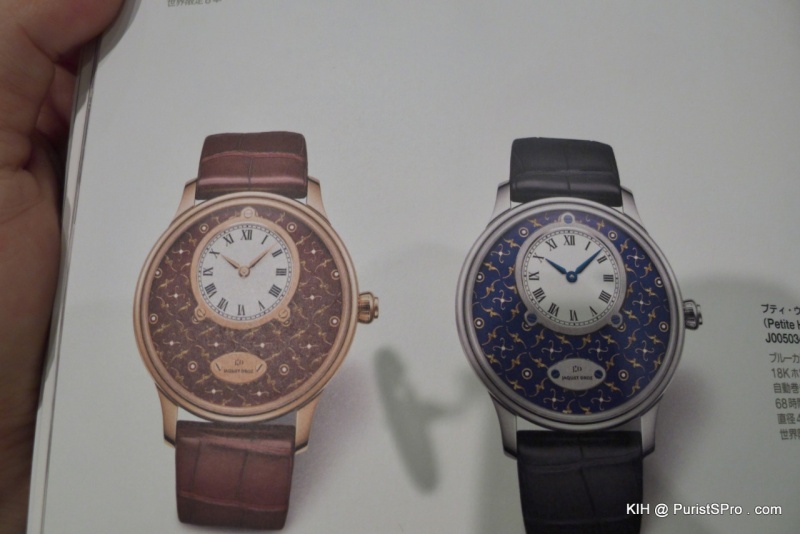
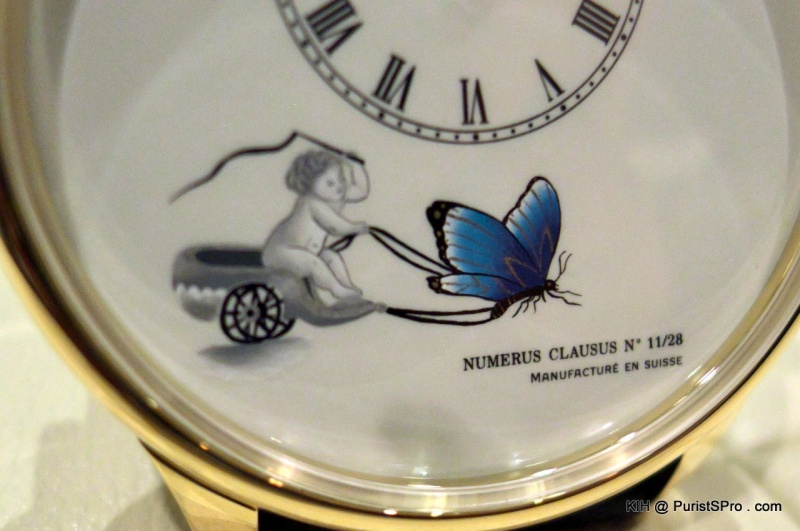
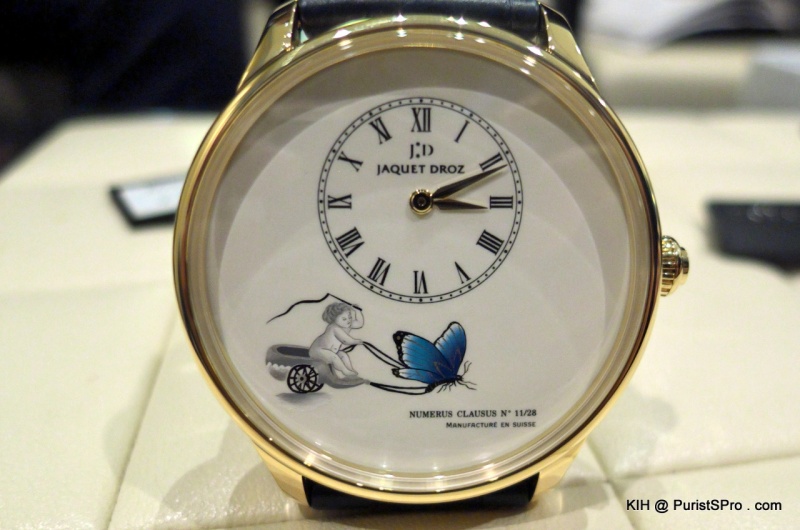
Jaquet Droz boutique Ginza now has a wonderful model with the Paillon dial, LE of only 8.  I have been always impressed with the dial - enamel, rare stone, etc. - of JD, but this one is one notch above.  In modern days, Paillon has been specialty of famous Mme. Anita Porchet, but now JD has in-house capability to make these dials.  Well, it is true that a lot of brands now or plans to have in-house enamel department these days, though.


1. What is Paillon?
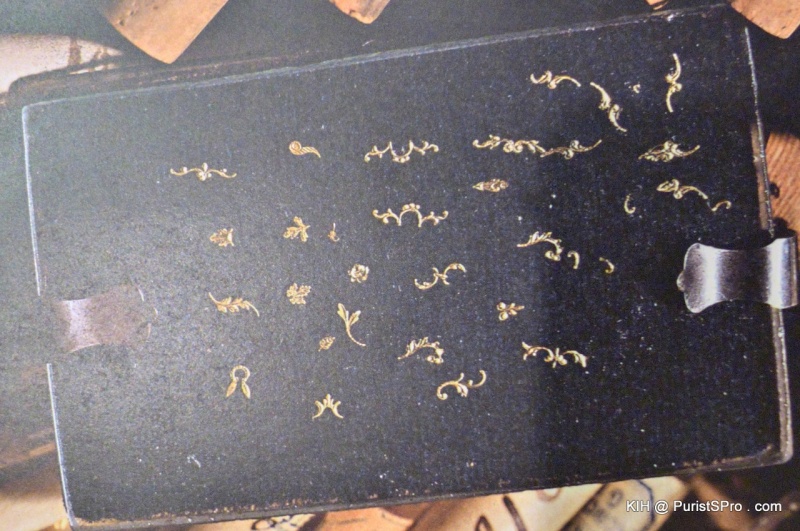
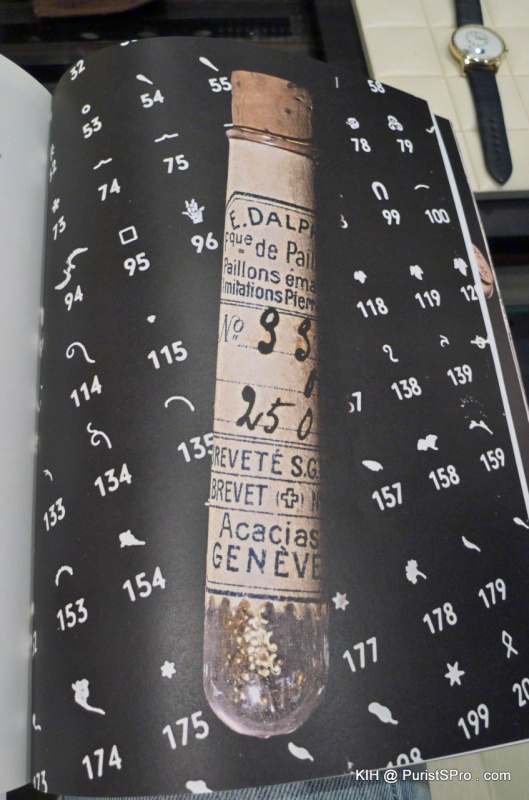
As many French speaking members know, "Paillon" means "metal powder" or "thin leaf of metal", in this case both refers to Gold.  "Paillon decoration" got very popular in the 18th century and JD used it very often.  The "thin leaf" was shaped like the star, cross, diamond-shaped, and such - more than 2000 types existed.  Now there is virtually no one who can make them and Paillon Decoration today are made with those made long time ago.


Examples of "Paillon"


Each shape has been stored in this tube for a long time...  Virtually no one can make any longer....


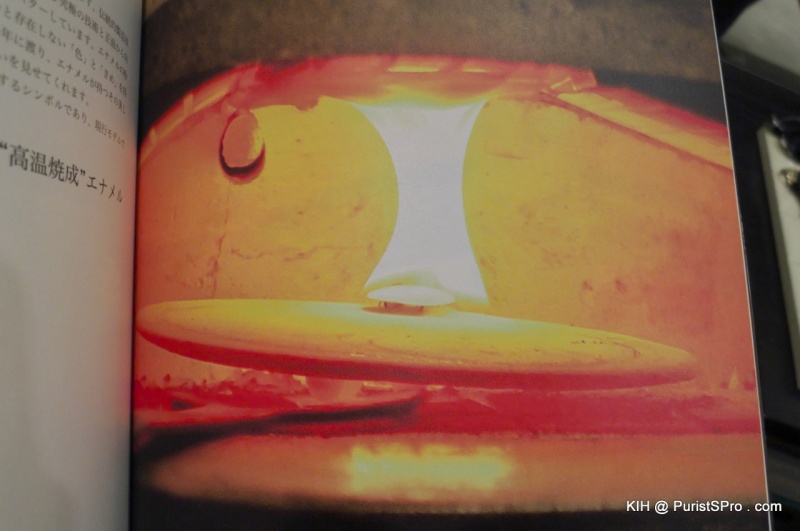
Hot enamel (from JD catalog)


During the process (from the catalog)


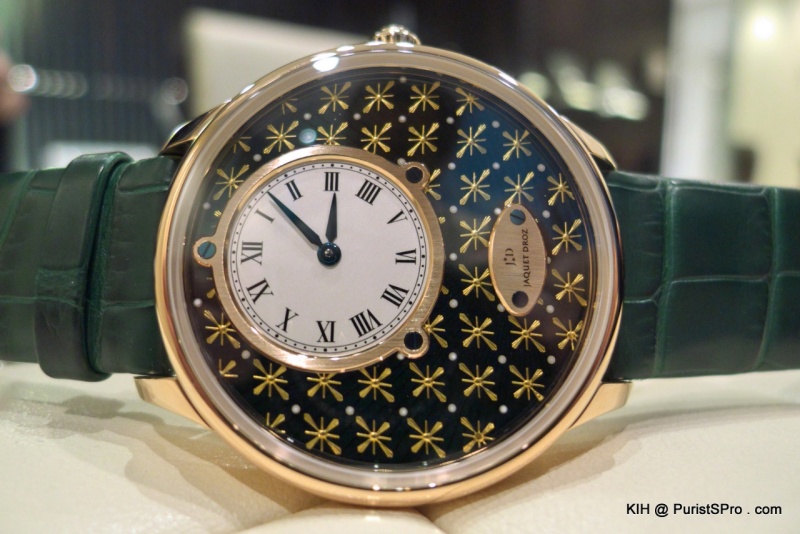
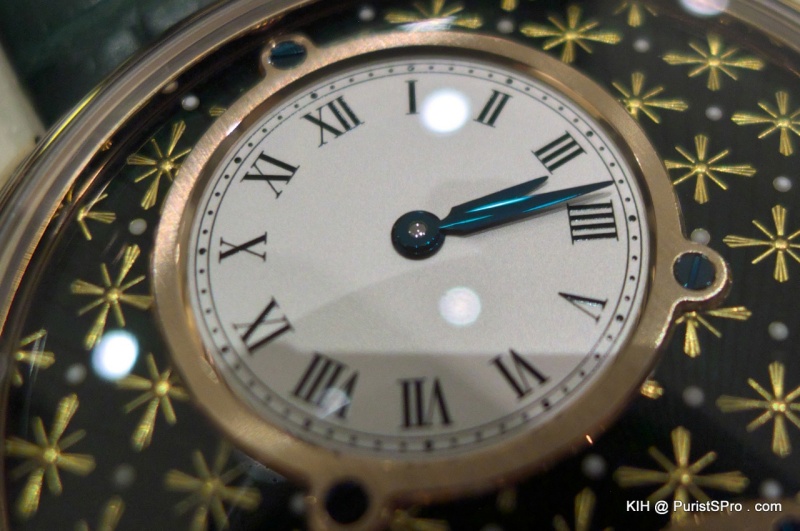
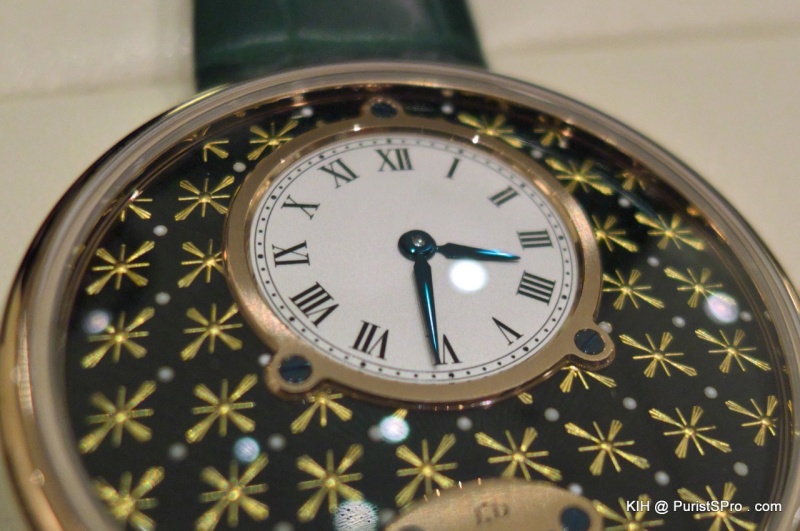
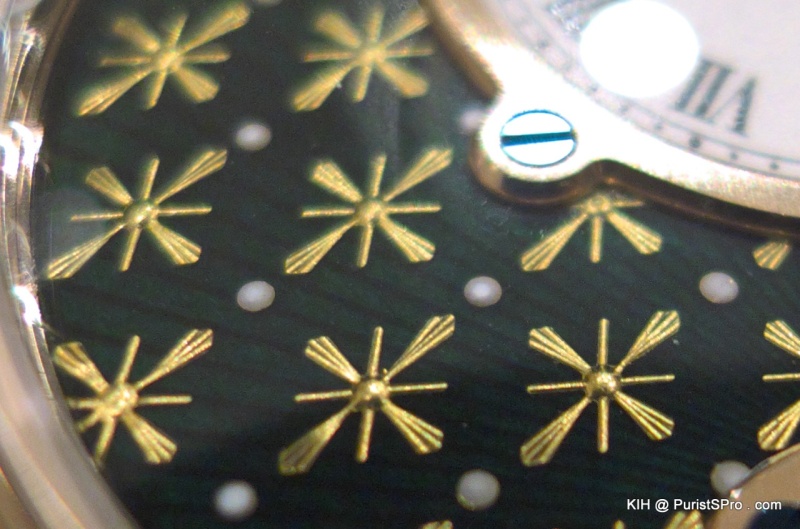
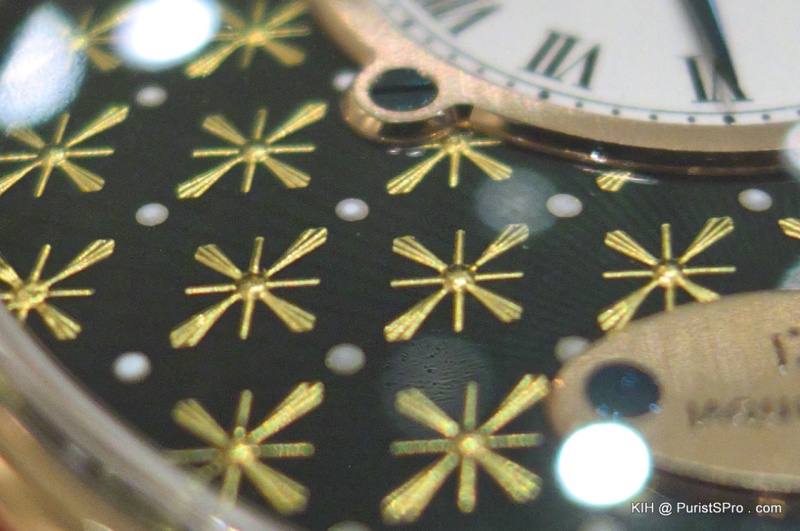
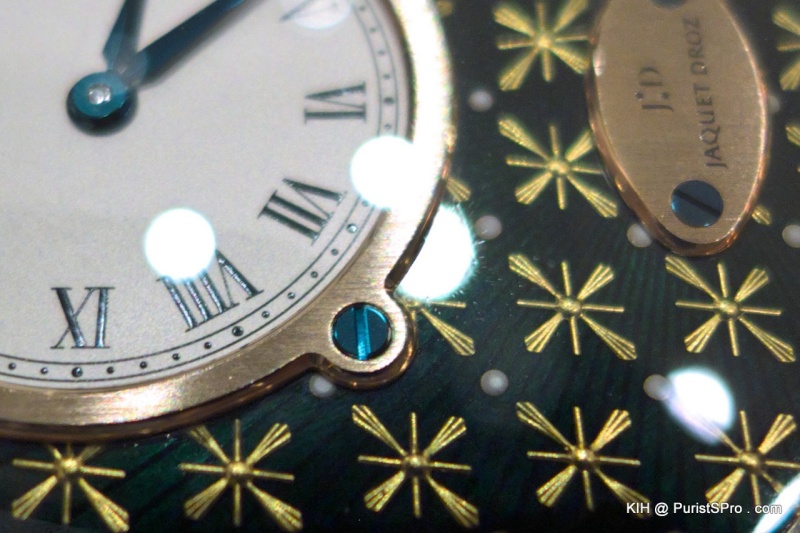
And, here is the result...


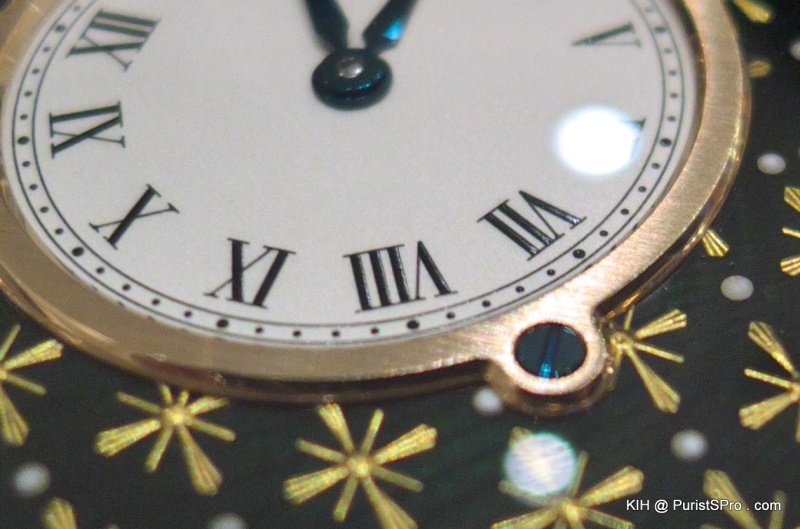
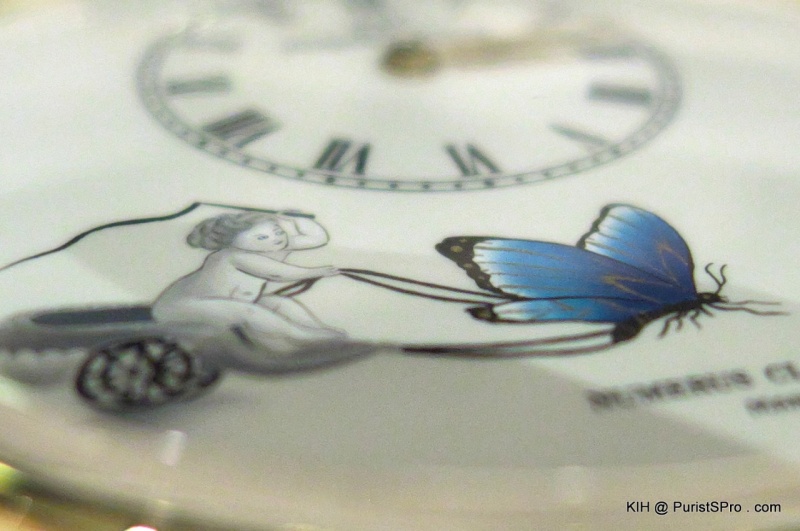
Surely, the dial is enamel, too.


  Beautiful blued hands...


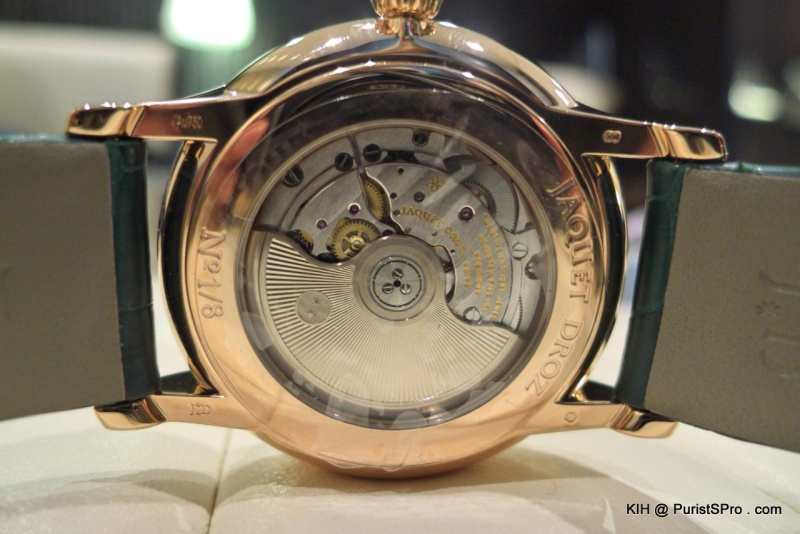
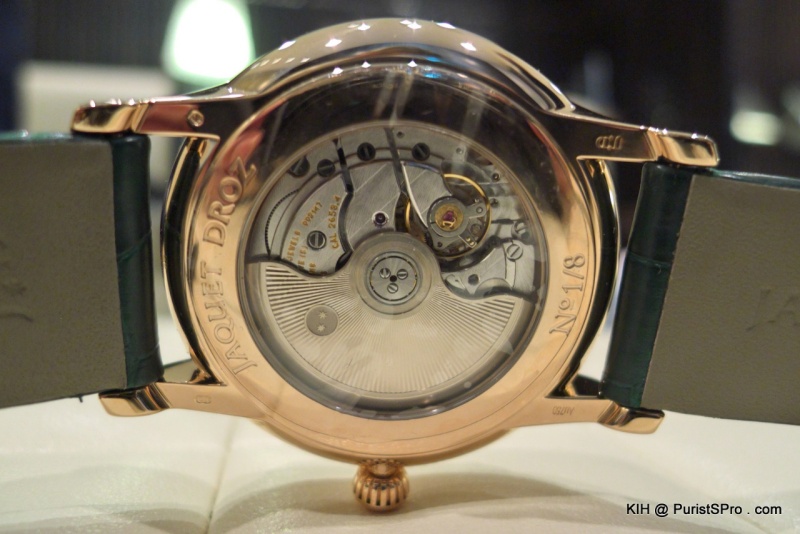
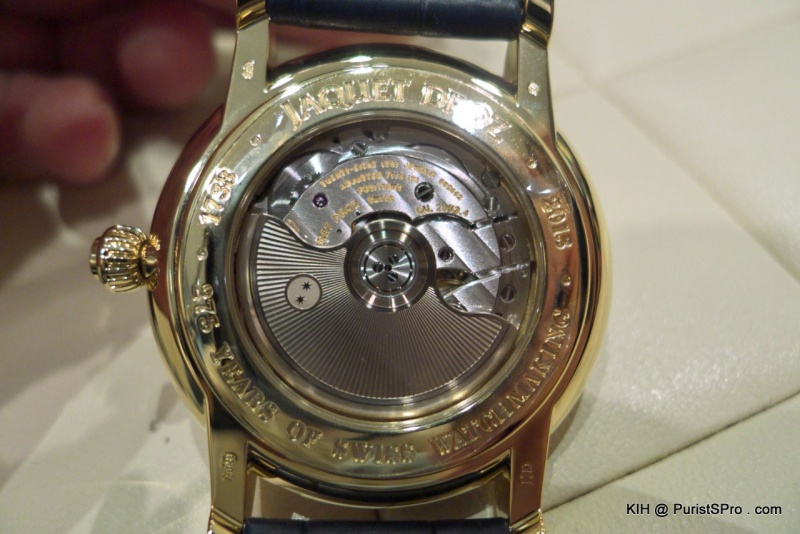
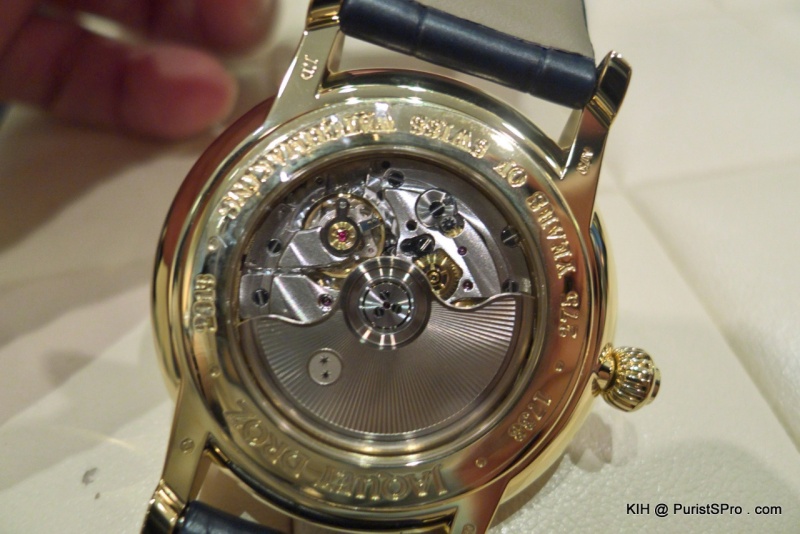
68 hours power reserve
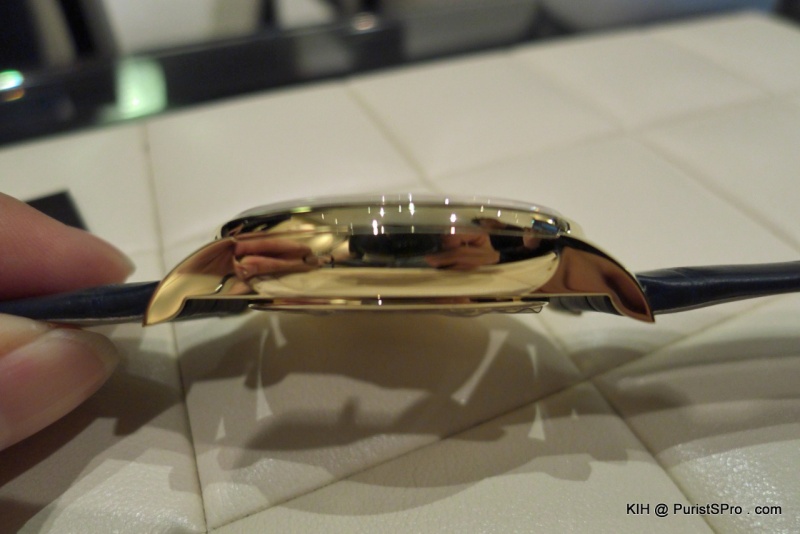
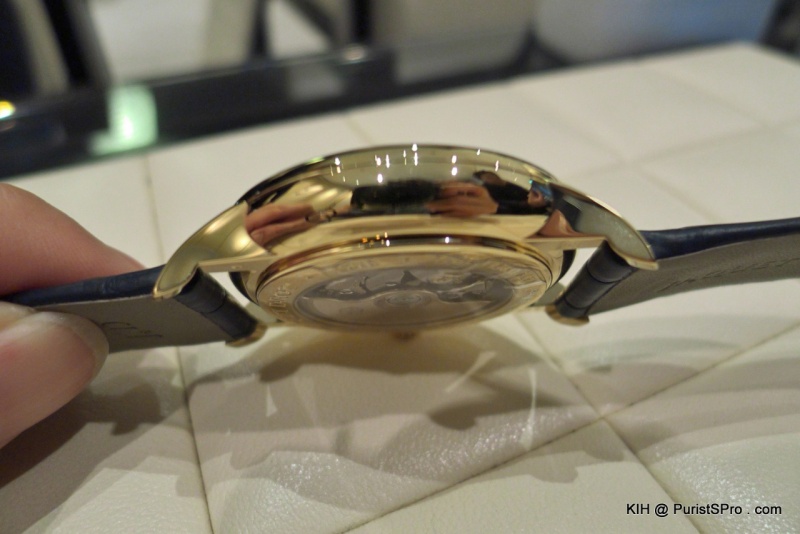
43mm


2. Not only that...

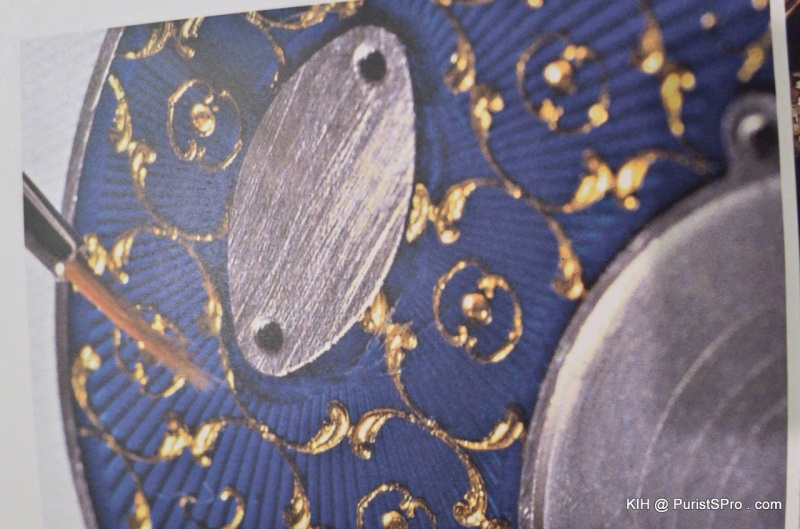
The dial base (18K gold, in this case) is made with the technique called "Champleve" - engraved with guilloche or spoke-like pattern and treated with enamel.  Here, to make this color good enough, it was burned at 800C more than 10 times.


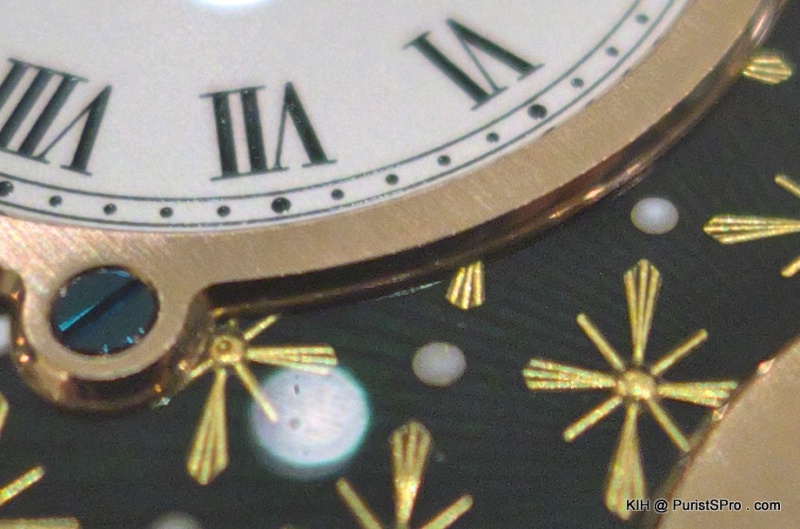
The same photo as above - see the spoke-like lines on the base.


Tried to capture from the actual one...
Do you see the lines?


3. Then, "Paillon" are put on the Champleve base


Like geometric pattern, and then the semi-transparent enamel is put on and burned again and again.....


Other patterns.  All LE of 8.


4. Other Enamel painted dial


5. Black enamel dial


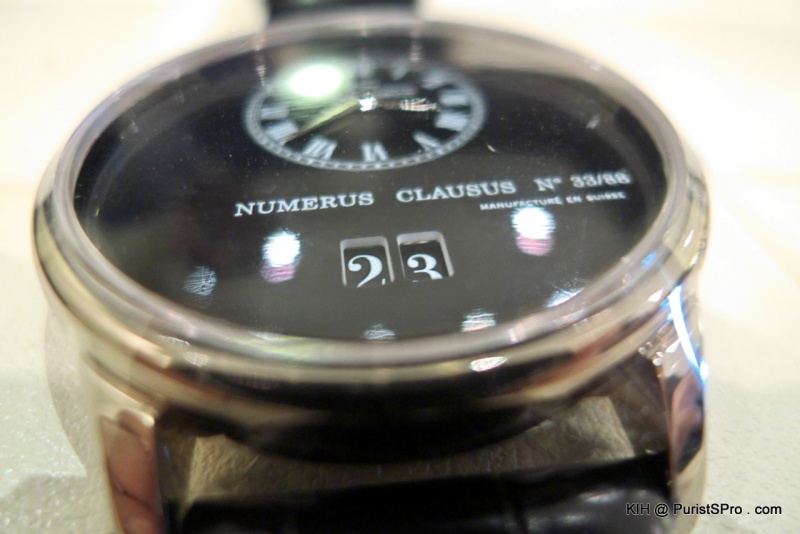
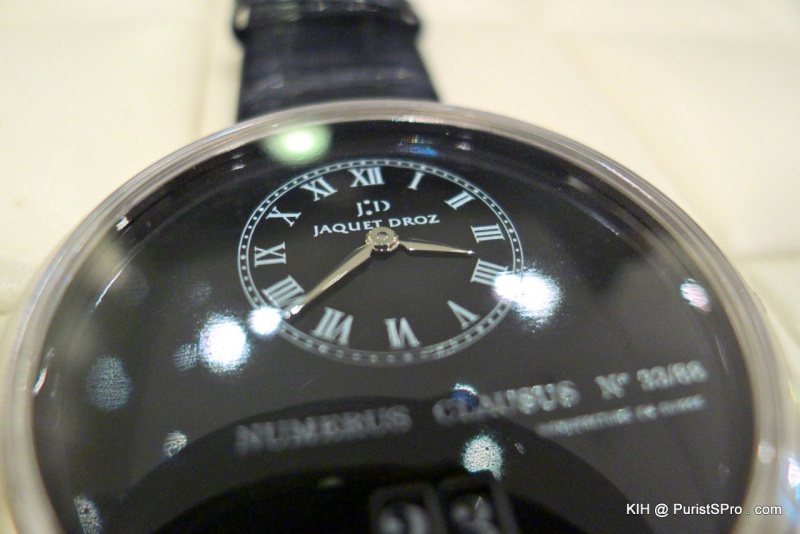
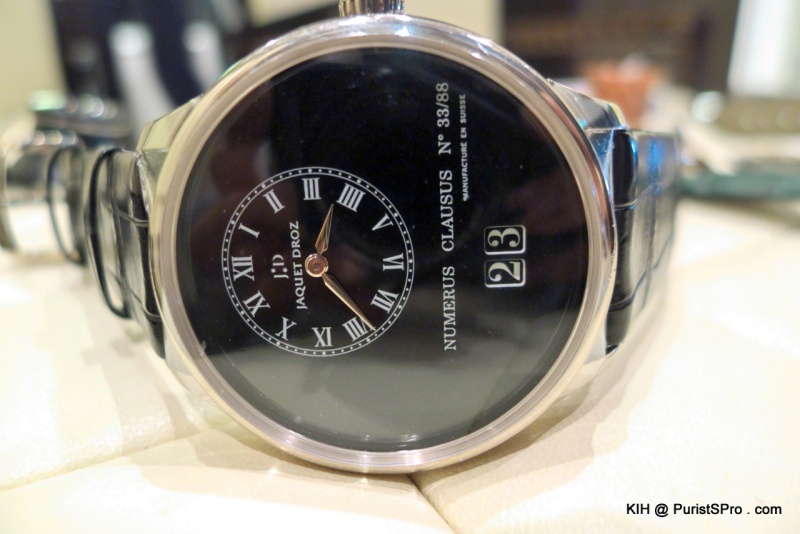
I think black enamel is JD's specialty....  See the special attention paid to the date window frame - corners are rounded not to "crack" the dial when making holes..... (Date disk is not enamel, btw).


43mm


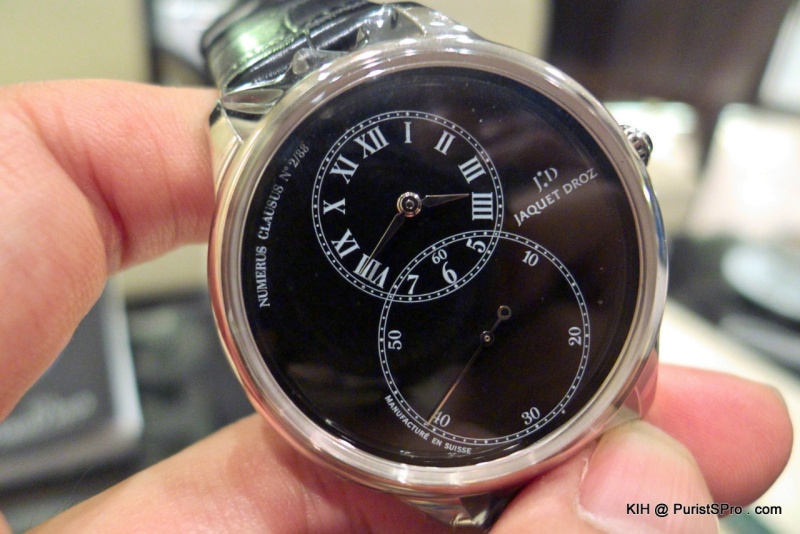
And this is 39mm version.  Black enamel.


Like I said, I am always impressed with JD's dials.  Well done.  Wish to see a bit more complication...  but I smell that they will come up with such superb watch as a whole.


Hope you re-discover JD's history, tradition and capability.....

Ken


This message has been edited by KIH on 2013-11-23 17:11:56 This message has been edited by KIH on 2013-11-23 17:12:24

Key Points from the Discussion

Advertisement
The Discussion
RO
Ronald Held
Nov 23, 2013

No more shaped gold pieces to use?

FO
foversta
Nov 23, 2013

It really makes me think about it. Thanks a lot for this detailed post Ken. Fx

KI
KIH
Nov 23, 2013

.. forgotten technique.... Surely, if it got more popular today, there will pop up the "artists" and "craftsmen" here and there :-) Ken

KI
KIH
Nov 23, 2013

... very interesting "pattern" when made on the dial. It's an art. Ken

BU
bulentvural93
Nov 23, 2013

Also the Paillons are like drawings of a famous artist who hsa died and No one can do like his work.İncredible!!! Thanks for sharing and making us know. Best Bülent.

KI
KIH
Nov 24, 2013

.. its 275th anniversary and that says something..... Thank you! Ken

Advertisement

Continue the conversation

This thread is active on the Horological Meandering forum with 21 replies. Share your knowledge with fellow collectors.

Join the Discussion →