Patrick_y challenges the common perception that privately held independent brands inherently produce superior products compared to publicly traded conglomerates. His thought-provoking article encourages collectors to look beyond marketing terms and consider the complex realities of business structures. This discussion remains highly relevant as the watch industry continues to evolve, with brands navigating capital, innovation, and market stability.
This short article quickly explores the thought process between privately held brands and publicly traded brands.
Clothes washing machines. Generally a brand in USA called Speed Queen is very popular for their longevity and is very popular in the Americas, Europe, Africa, and in some parts of Asia (Speed Queen operates under a different brand in China and is not a major player Japan), as it is often used in professional laundromats and hotels around the world. These machines are built to a high standard and designed to be very durable, and they are often doing up to a dozen loads of laundry every day at hotels, laundromats, and other high-volume applications. Speed Queen is privately held.
Miele is privately held by two families and also famously known for reliability, high performance, and their products are even regarded as "luxury appliances" since they generally cost more than many other appliances in their category.
Vitamix kitchen blenders are known for their reliability and still family owned and are known to provide blenders that are so powerful that you can friction cook soup in them.
Peter Nitz is the most vaunted luxury goods producer and much higher than Hermes. And he's privately held by business partners who care about preserving the best techniques and sharing them for the next generation.
Dyson, the unusually innovative home appliance maker, is privately owned, solely owned by Sir James Dyson through his Singaporean Multi-national company. There are no stockholders and it is claimed there are no external investors.
It'd be easy to list several examples and conclude that privately held companies often provide the best products.
But this wouldn't be an accurate representation. What about the privately held businesses that have faded away and been forgotten? Also, privately held companies in an industry that is technologically based (like high tech firms) are generally not leading edge firms. Publicly traded institutions can use their stock to attract and retain top talent - a significant factor for Silicon Valley tech firms. And publicly traded companies or brands can produce equally good watches as privately held ones. Also, privately held brands can get "messed up from within" due to internal company politics and sometimes even family struggles. There are watch brands that struggled under private ownership and blossomed when managed by a big corporate parent.
So. As watch collectors, do we pay too much emphasis to "independent brands?" Maybe. While it's not a bad idea for an independent brand to remind the public that they're independent, they don't answer to shareholders, etc. The fact of the matter is that many of the best products in the world come from companies that are publicly traded. Being publicly traded allows you to raise capital and compete at a more powerful scale. Being a subsidiary of a huge parent company means that you can weather recessions and bad years without going out of business.
Aston Martin, a low volume car producer that is currently considered independent, has famously gone bankrupt about seven times! Now, if Aston Martin were owned by a big brand (like Mercedes, their new technical partner; or Ford, their previous corporate parent and owner), they'd probably have better stability! Also, a small car company, doesn't have the ability to produce the best product, since they simply cannot hire the amount of engineers and have enough departments as a large one can afford. They also lack scalability.
Vacheron Constantin today produces such wonderful watches under its corporate parent Richemont, but when Vacheron Constantin was mostly privately held around 40 years ago, it was a challenging time for the brand; management got in its own way, the company's owner partners disagreed on strategy, and the Quartz crisis had really decimated the Swiss watch industry. Today, Vacheron Constantin is not privately held and is back to being a top tier brand!
And then think this way; could the largest companies in the world stay independent and still be extremely innovative? Saudi Aramco and Vitol were the largest privately held companies in the world for many years and both in the oil business; Saudi Aramco isn't even privately held anymore - and the oil industry isn't the most innovative industry. Could Apple be privately held? Microsoft? Google? They might be less competitive if they were.
Overall, this is a short article designed to hopefully make you think past traditional marketing. Yes, privately held institutions, especially ones that are held by a small handful of families, do allow for family values and long-term values to proliferate. But, changing trends, risks, etc. means that these companies don't always survive recessions or changes in trends. If a fashion brand had a few seasons of bad designs, that company would likely go belly-up if it wasn't part of a bigger group.
Final thoughts; privately held is a double edged sword. It can be very good when done right, and the company can go KAPUT when things are bad just for a few years. When it comes to luxury consumer brands, the stability of having a well-funded parent company that is publicly traded and able to raise capital, a board of individuals, an executive team that got in on meritocracy rather than on hereditary bloodline, can be overall a very good thing! It's highly likely we pay too much attention to the prolific use of industry buzz words like independent, privately held, and family owned while giving these buzz words too much weight when assigning a prestige level to the firm.
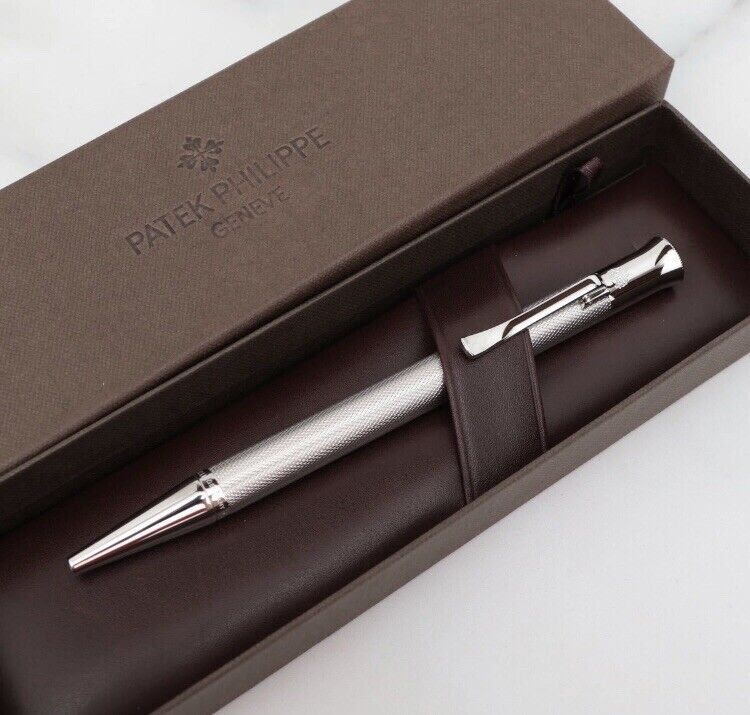
Graf Von Faber Castell is a brand still owned by the family and managed by a Board of Directors. The Patek Philippe watch brand is still owned by the Stern family!

Would shareholders really allow the Faber Castell family to sell a super low volume $300+ pencil? Shareholders would probably think the company is wasting their time on such a low volume product!

Shareholder Sally would say, "shares are down, let's cut the fountain pen line, as it doesn't bring in a lot of profit!"

Dalibor Farny, the Nixie Clock impresario has an unofficial shareholder! His wife! Who probably thought her husband was mad for pursuing the weirdest project! I can only thank her for not veto-ing the project as Dalibor Farny's clocks have given me so much pleasure!
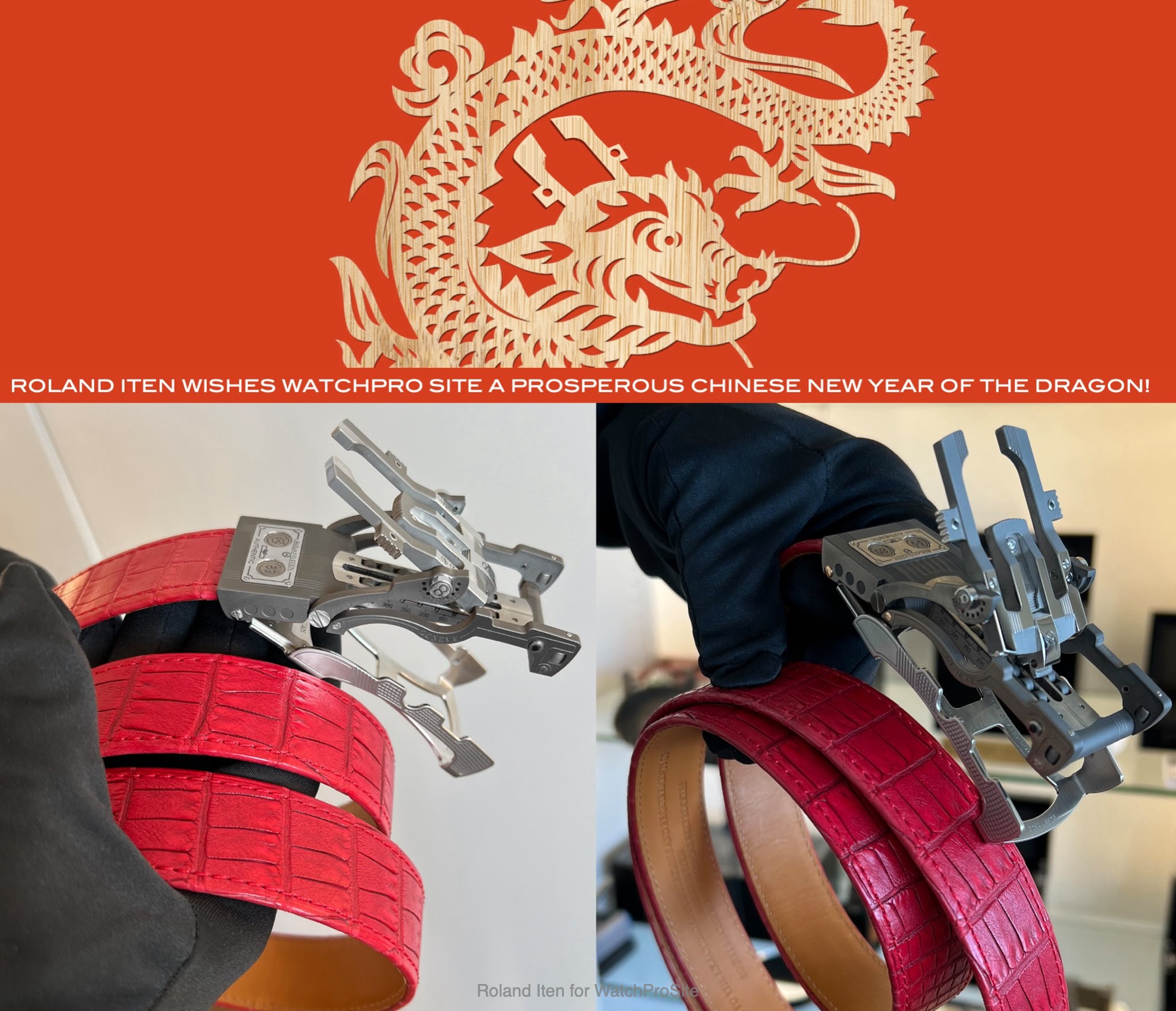
No public company would ever green light a $50,000+ belt buckle concept. No way! Not even if pigs flew and Hell froze over!

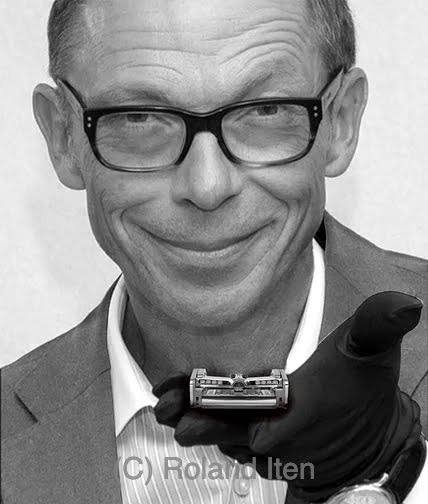
You'd have to be a mad genius like Roland Iten to make such a crazy belt buckle! Iten even has a product that he admits is crazy! Le Fou Lace! The word "fou" is "crazy" in French. $6000 USD shoe laces!

MB&F started off as a very privately held firm. Even today, MB&F is still privately held! No shareholders would approve of a watch designed like this "Space Pirate" watch! It's amazing how comfortable this watch is though! It's the most comfortable Horological Machine I've ever tried! I'd wear it!

The Thunderbolt Horological Machine Model # 4 would also never be green-lit by a publicly held company. Public shareholders would revolt, investment institutions would see a lot of risk, and retail shareholders would just be puzzled.