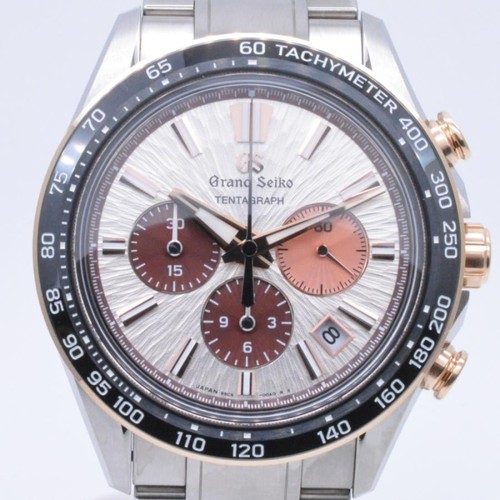
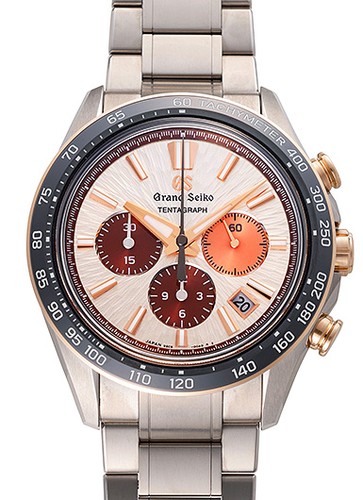
Complications
Pkonos brings to light a critical observation regarding the Grand Seiko Tentagraph, specifically an issue with the 9SC5 caliber. This post serves as an important 'caveat emptor' for potential buyers, detailing a small-seconds hand stutter that Grand Seiko acknowledges as a movement characteristic rather than a defect. Pkonos's experience and the community's subsequent discussion offer valuable insights for anyone considering this relatively new and highly-touted chronograph.


< When you start/stop the chronograph, the small-seconds hand in the subdial at 3 will jump and stutter >
When I inquired with GS, they formally advised me that they neither can fix the issue nor consider it a problem (in their words, the stutter jump is a “characteristic” of the movement).
Before buying, be sure to check and see for yourselves in order to see if you can live with the issue or quirk, as ymmv.
Personally, I found the issue in the fairly new, highly (GS) touted movement and relatively pricey line of watches unacceptable.


The Grand Seiko Tentagraph SLGC009 marks a significant milestone as the brand's first mechanical chronograph, introduced within the Evolution 9 Collection. It embodies Grand Seiko's commitment to precision and practical innovation, developed and manufactured at the Shizukuishi facility, known for its mechanical watchmaking heritage. This model integrates advanced functionality with exquisite craftsmanship, reflecting decades of accumulated know-how.
At its core is the new Caliber 9SC5, a high-beat movement operating at 10 beats per second, based on the revolutionary Caliber 9SA5. This movement features a Dual Impulse Escapement for efficient energy transfer and two barrels, providing a 3-day power reserve even with the chronograph in operation. The Tentagraph undergoes an extended 20-day testing procedure, including three days of chronograph operation, to ensure it meets the Grand Seiko Standard of +5 to -3 seconds per day. The dial features a textured 'Mt. Iwate' pattern.
This reference is notable for its integrated vertical clutch and column wheel, ensuring precise chronograph operation and eliminating hand shudder. The overcoil's shape was optimized through extensive simulations for consistent performance. As a fully integrated manufacture, Grand Seiko maintains in-house control over every component, underscoring the technical prowess and dedication to horological excellence.
Im a huge fan of Grand Seiko and was similarly excited for their 9SA5 movement. Technically very impressive but the fact of the matter is it simply doesn’t keep time well and in the beginning many left the factor with issues running at 20+ per day. Their newly released mechanical movements have sadly proven disappointing.
I truly get the feeling that GS has been rushing their new movement intros (including the 9SA5 in the Birch models) without first resolving their teething issues. I tried the chronograph function on all of the brand-new Tentagraphs in stock at one AD and, sure enough, they all skipped.
I know of some Birches that needed a spa treatment to ensure accuracy. In GSs Defence this was done without fuss, free of charge and fast.
but I've given it a pass, since I usually rotate watches often anyway.
"When everyone experiences the same software bug it becomes a feature."
This thread is active on the Seiko forum with 23 replies. Share your knowledge with fellow collectors.
Join the Discussion →