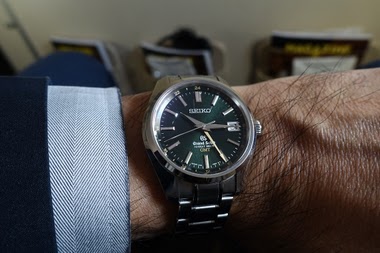
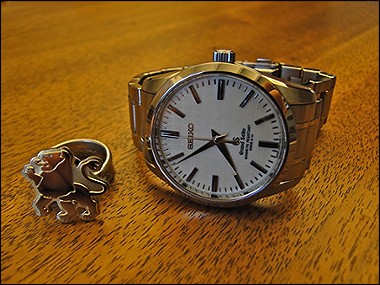
Reference Guide
SALMANPK presents a comprehensive overview of Grand Seiko's "Grammar of Design," a pivotal aesthetic philosophy introduced by Taro Tanaka. This article highlights three significant references—the 44GS (4420-9000), 4520-8000, and 6186-8000 VFA—that exemplify Seiko's commitment to precision and distinctive visual appeal. It serves as an essential guide for understanding the historical and design foundations of Grand Seiko.


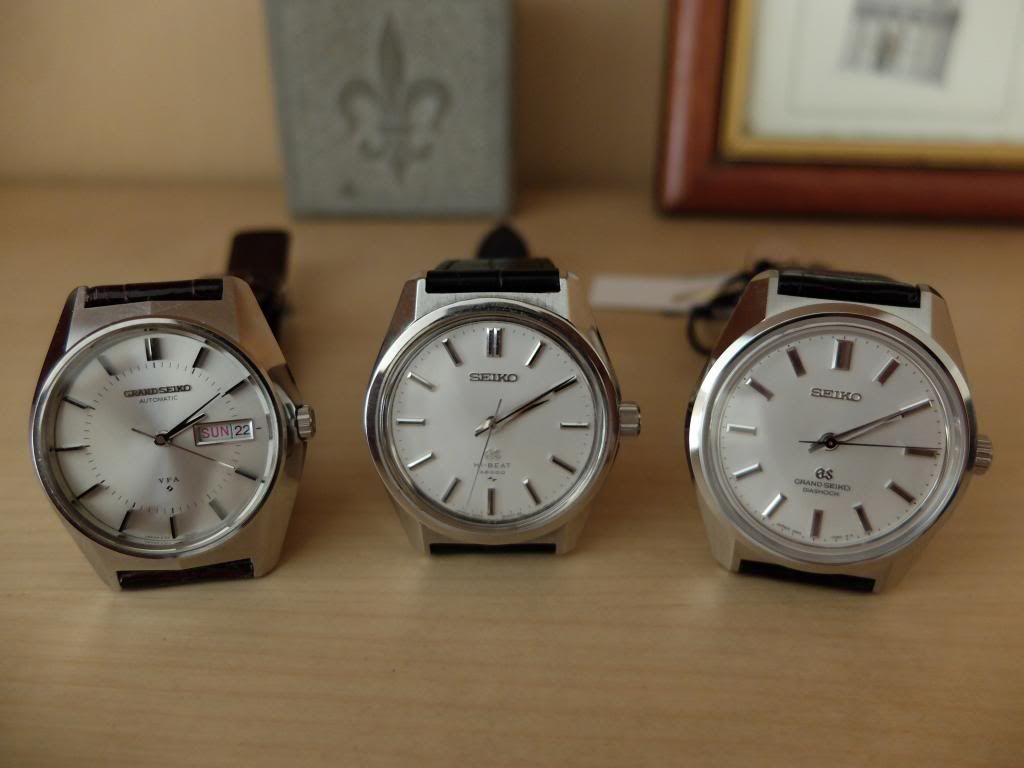
4420-9000 & 44GS L.E
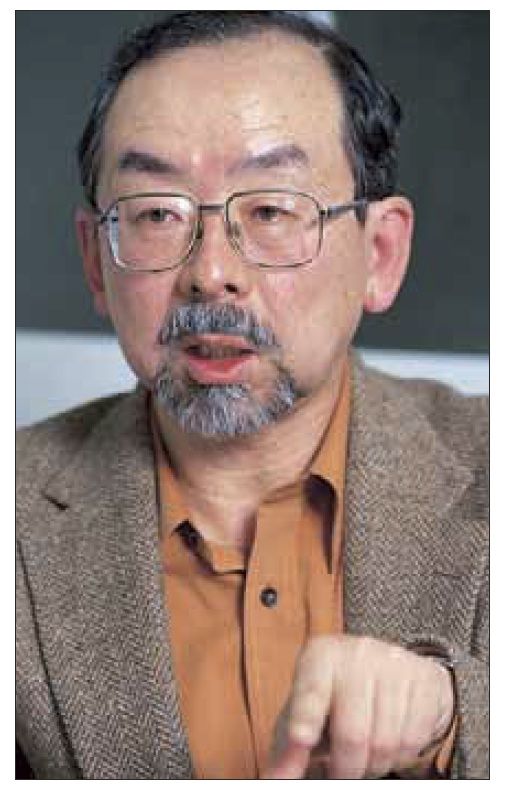
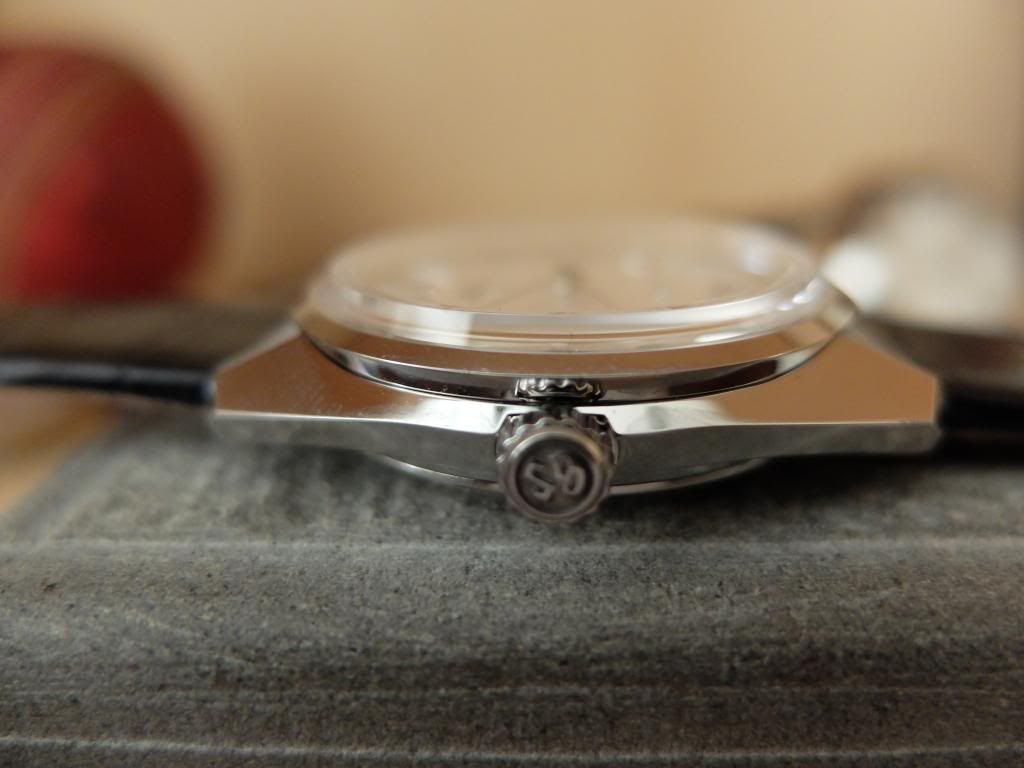
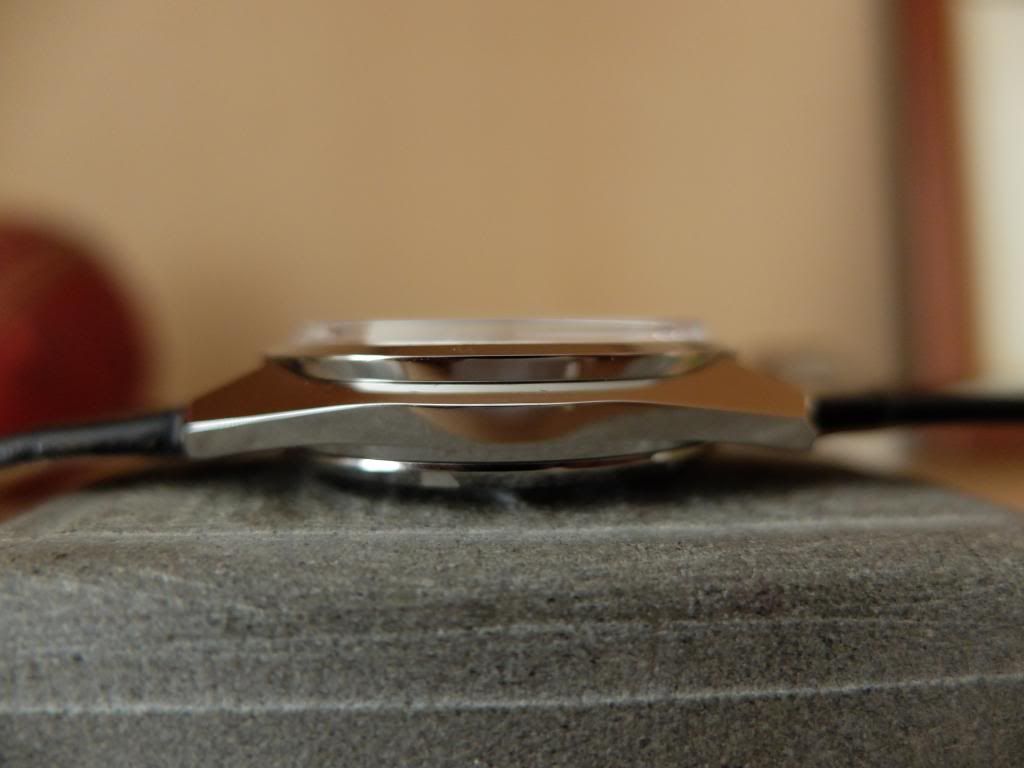
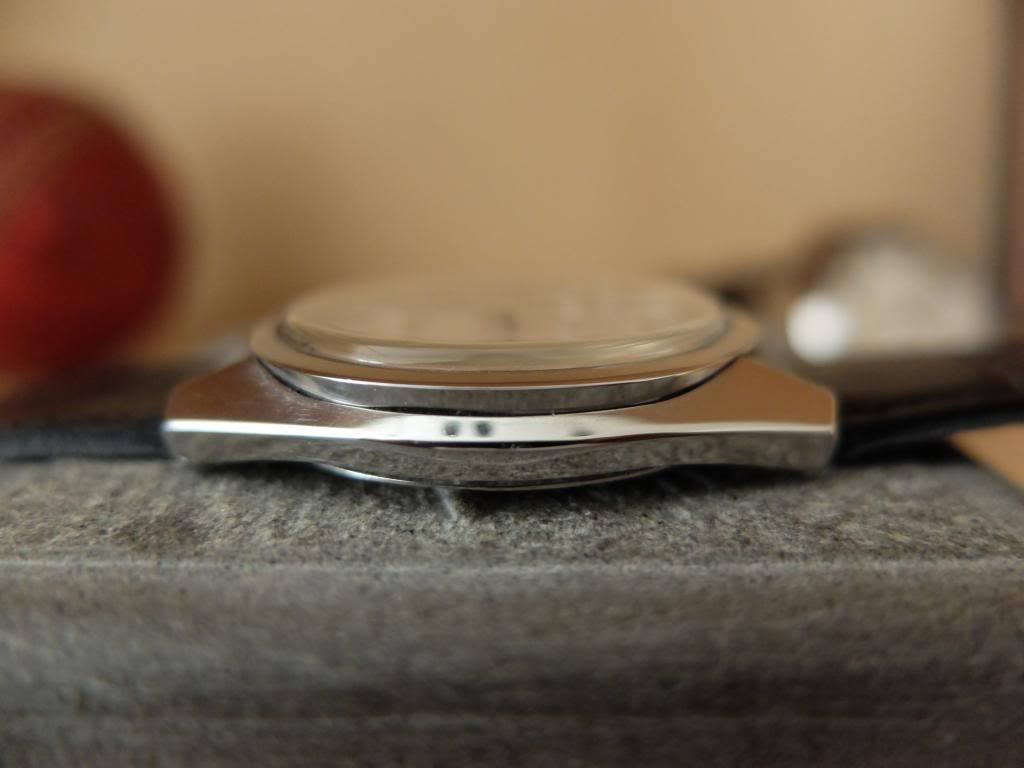
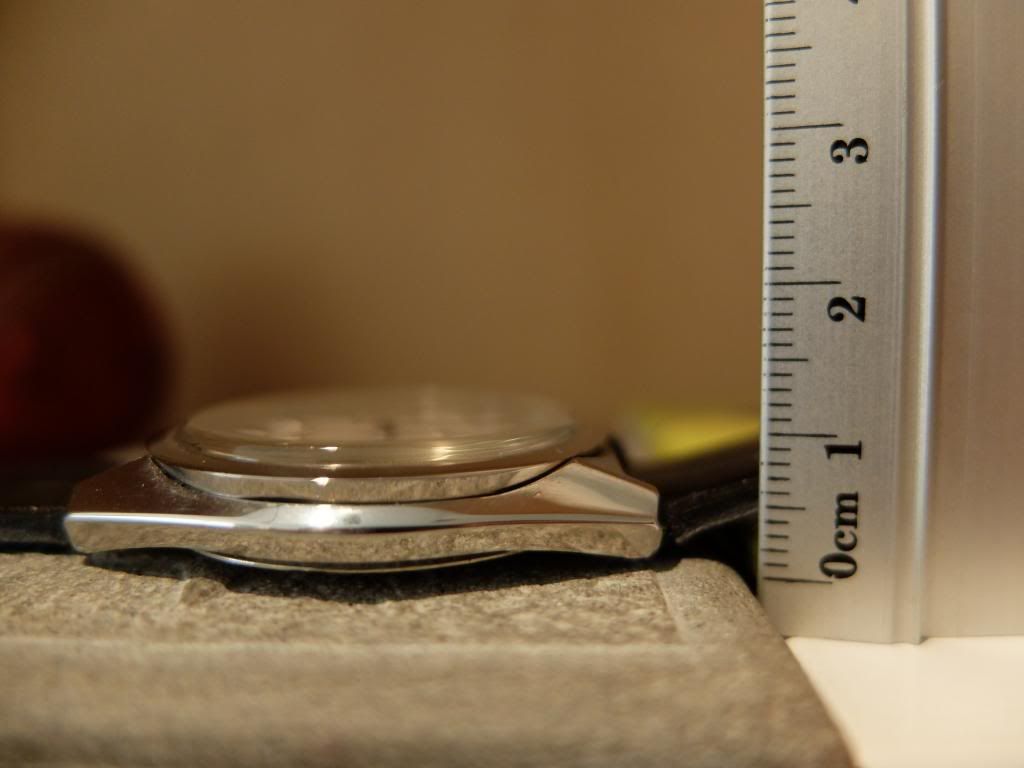
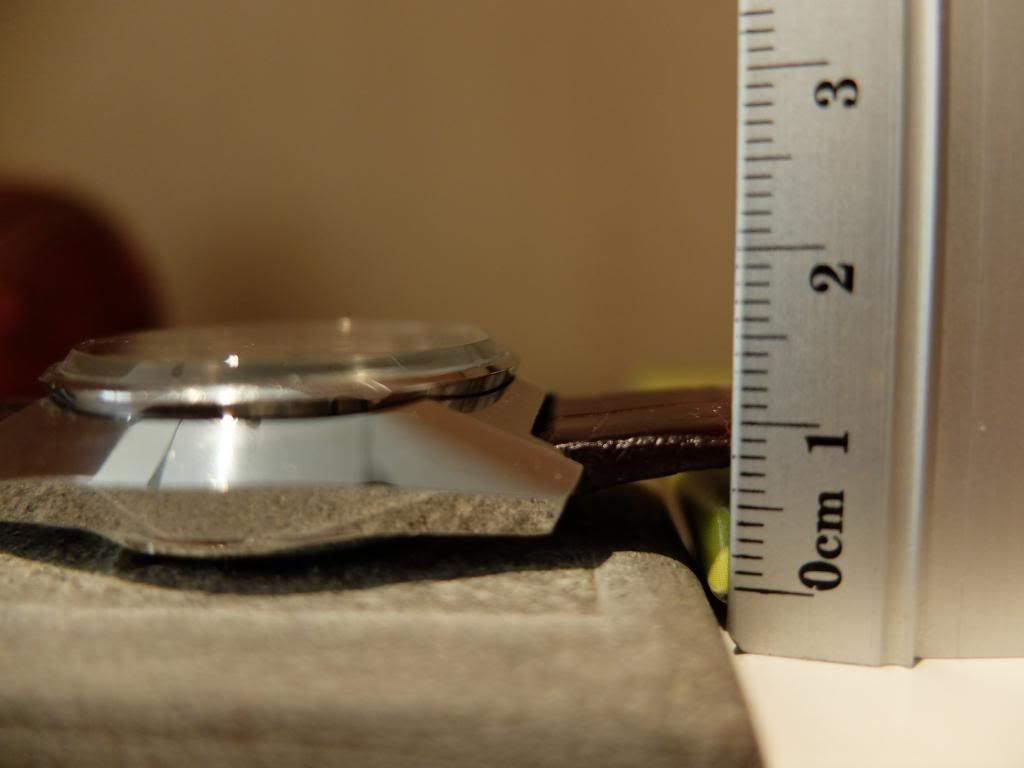
Taro Tanaka, Seiko’s first hired graduate of a College Design Program came up with design rules which eventually came to be known as the “Grammar of Design” at Seiko. He wanted Seiko watches to sparkle brilliantly when on display and without any distortions.
And which watch would be lucky enough to be the first to get
the “Grammar of Design” treatment? The 44GS  (4420-9000) in 1967.
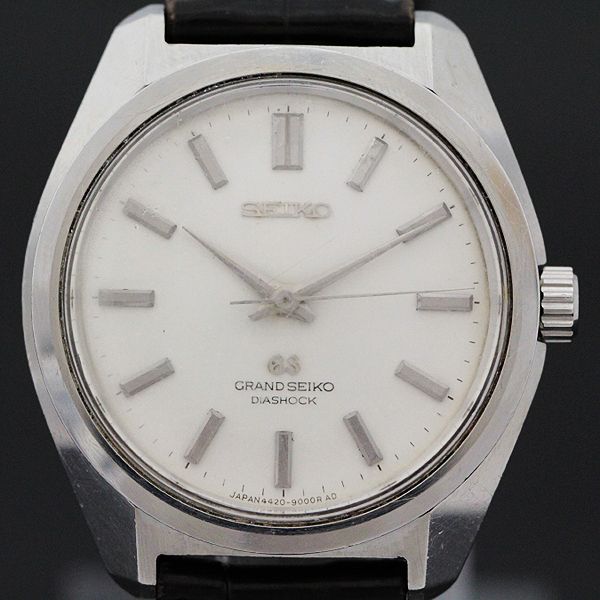
Only Grand and King Seiko’s benefited from this as the new case design required very expensive and labour intensive polishing and finishing. This is what makes the 44GS so special along with it being the first Grand Seiko made by the Daini (now Seiko Instruments Shizukuishi) factory and the first time the GS logo appeared at 6.
The 44GS L.E brings all those special features back to us in 2013 and impeccable Zaratsu finishing in every way.


4520-8000 and Neuchatel & Geneva Observatory Competition
The singular focus for Seiko under the Grand Seiko banner was the pursuit of accuracy and where every form and function of the watch works in harmony for the pursuit of accuracy. Post 1966 very finely mirror finished cases, dials, hands and indexes also became a priority. Unlike their counterparts in other parts of the world (not until the 2000s) Grand Seiko never pursued complications such as minute repeaters or chronographs but just focused on creating mechanical watches that were as accurate as technology and skill would allow.
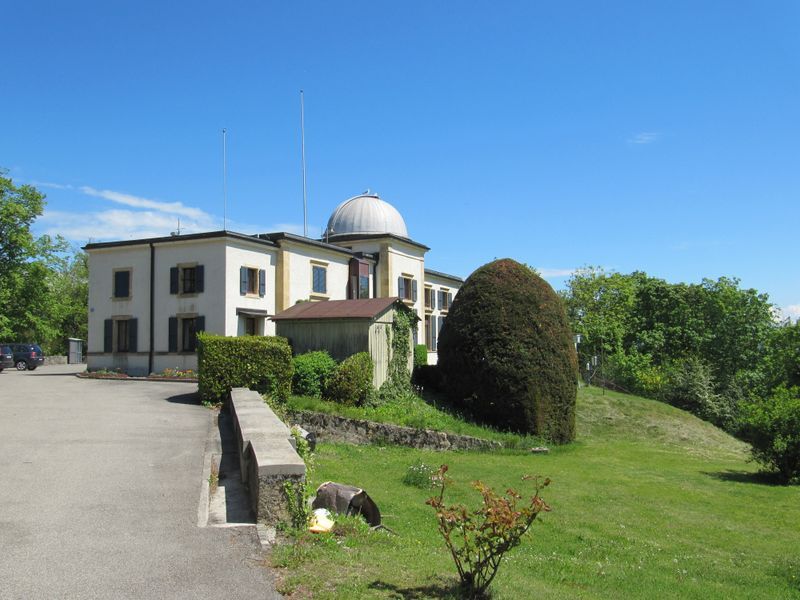
Neuchatel Observatory
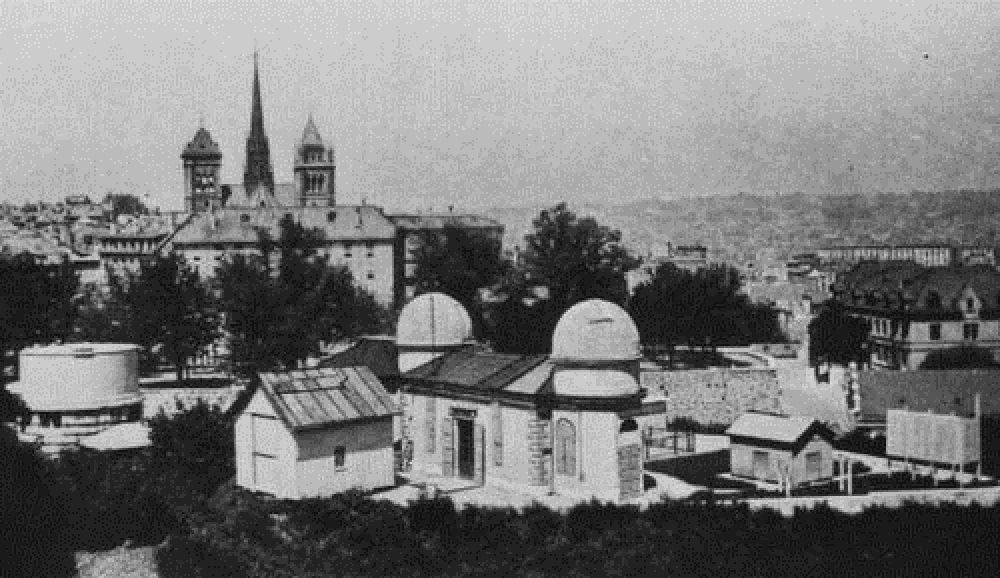
Geneva Observatory
Therefore entering into accuracy trials held by different Observatories in Switzerland was inevitable for Grand Seiko and both manufactures of Daini and Suwa would compete to outdo each other with the ultimate goal of being the first group under the Grand Seiko banner that created the most accurate watches in the world.
As per KIH’s excellent article the “Grand Seiko VFA Story” regarding Grand Seiko’s participation in the Accuracy Observatory Trials at Neuchatel and in 1968 in Geneva:
1964
Daini: Zero example evaluated*, Best of the submitted examples - 153th, award –
none
Suwa: Zero example evaluated, Best of the submitted examples – 144th, award –
none
(Top: Zenith, Series (total of the best three examples) Top: Omega, Second:
Omega)
1965
Daini: 2 examples evaluated, Best of the submitted examples - 124th, award –
Series 6th
Suwa: 1 example evaluated, Best of the submitted examples – 125th, award – none
(Top: Zenith, Series (total of the best three examples) Top: Zenith, Second:
Omega)
1966
Daini: 23 examples evaluated, Best of the submitted examples - 9th , award – Series 3rd
Suwa: 9 examples evaluated, Best of the submitted examples – 104th, award –
Series 6th
(Top: Zenith, Series (total of the best three examples) Top: Omega, Second:
Omega)
1967
Daini: 36 examples evaluated, Best of the submitted examples - 4th , award – Series 2nd
Suwa: 26 examples evaluated, Best of the submitted examples – 12th, award –
Series 3rd
(Top: Omega, Series (total of the best three examples) Top: Omega, Second:
Daini SEIKO)
(*”evaluated” means the score was within 20th place (there were many same score examples).
1968
After Suwa submitted its competition examples, Neuchatel declared on 26th
April, 198 that the Competition would be suspended (later it was announced that
the SEIKO examples dominated the Competition by taking 2nd, and 4th to 8th places).
So both SEIKO teams submitted to Geneva Observatory instead. Best of the
submitted examples came 4th (1st to 3rd were quartz movements), in fact from
4th to 10th were all SEIKO, which means that SEIKO
movements dominated from the Top to 7th place
in the mechanical watch movement division. Total wrist watch division of
course, 1st place.
**************************
In just 4 years Seiko Suwa managed to move from 144th to 1st place. An astonishing feat by any standard.
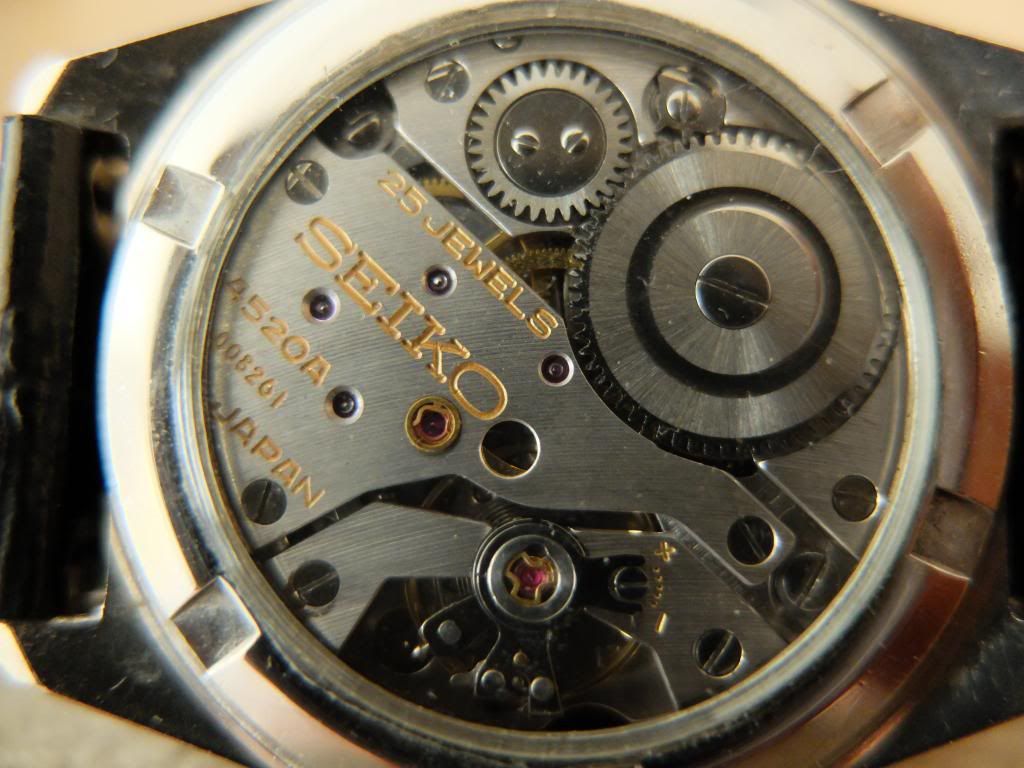
Daini went on to further improve its movements and had 73 Cal. 4520 movements and 153 Cal. 4580 movements Certified by the Neuchatel Observatory which issued “Observatoire Astronomique et Chronometrique Bulletin de Marche” Certificates for each movement over the period from 1968 to 1970. Thereafter 73 of the Cal. 4520 movements were cased in Yellow Gold Cases known as the Seiko Astronomical Observatory and sold to the public in 1970 then for just USD 1,800 each.
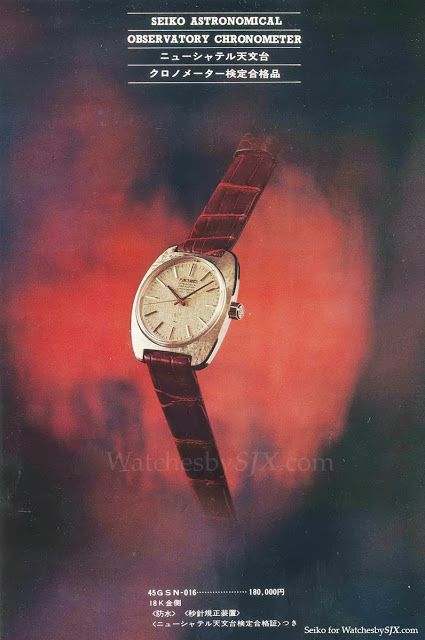
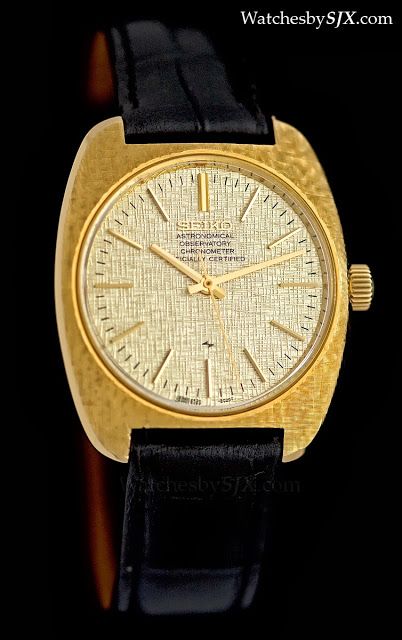

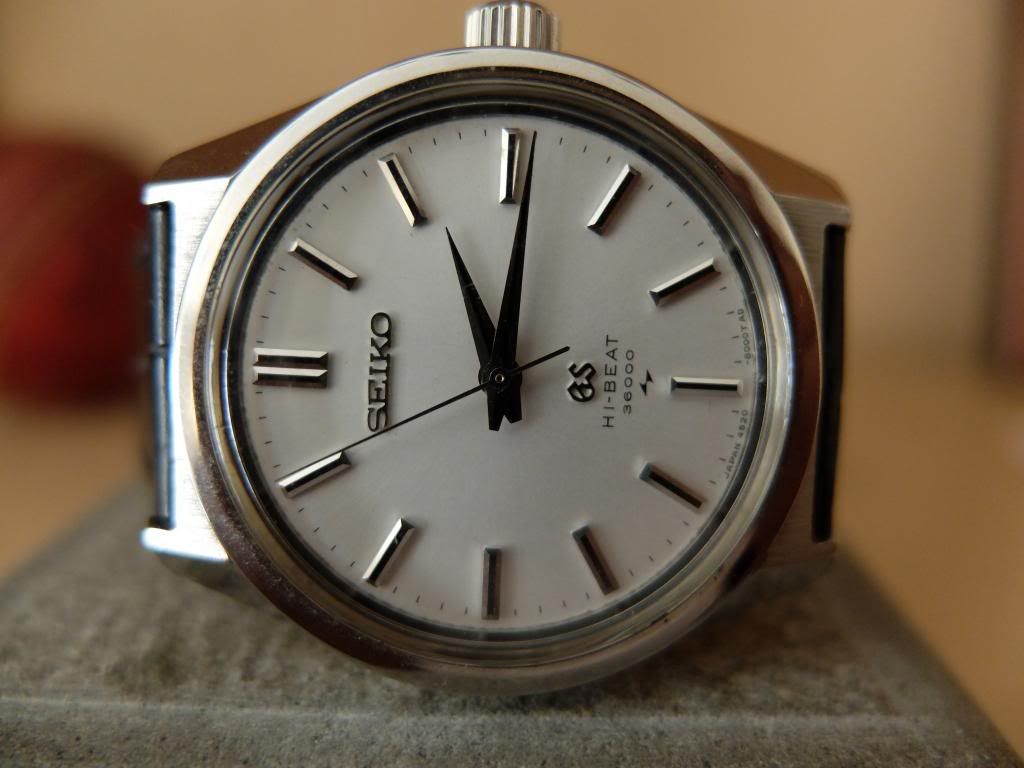
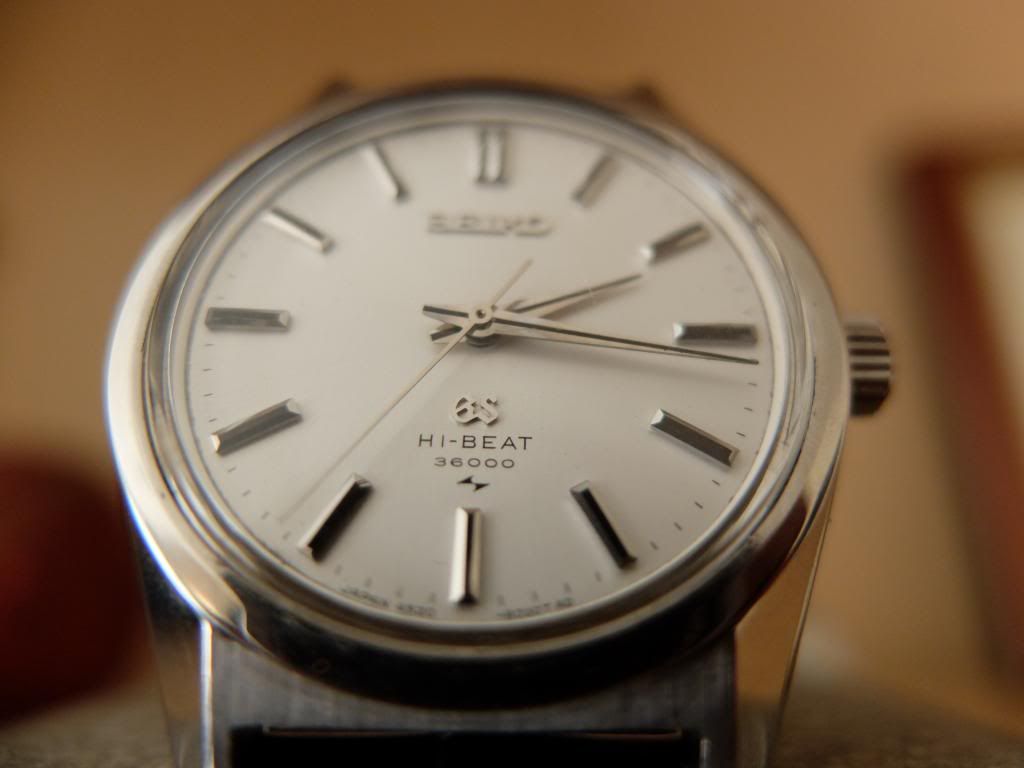
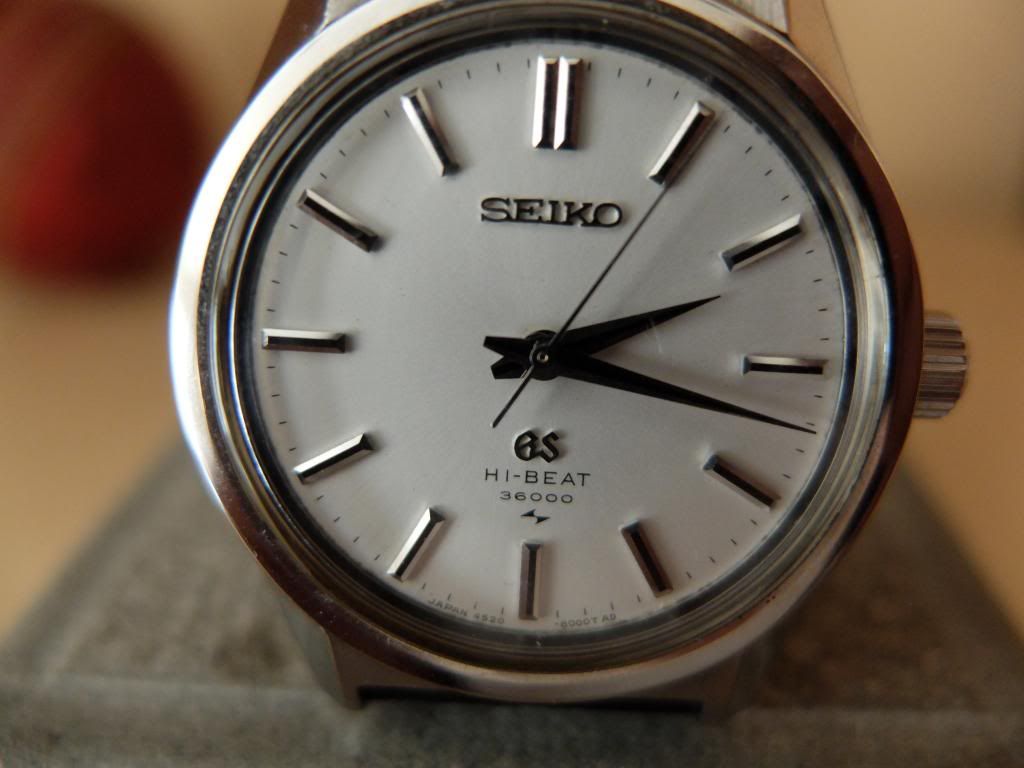
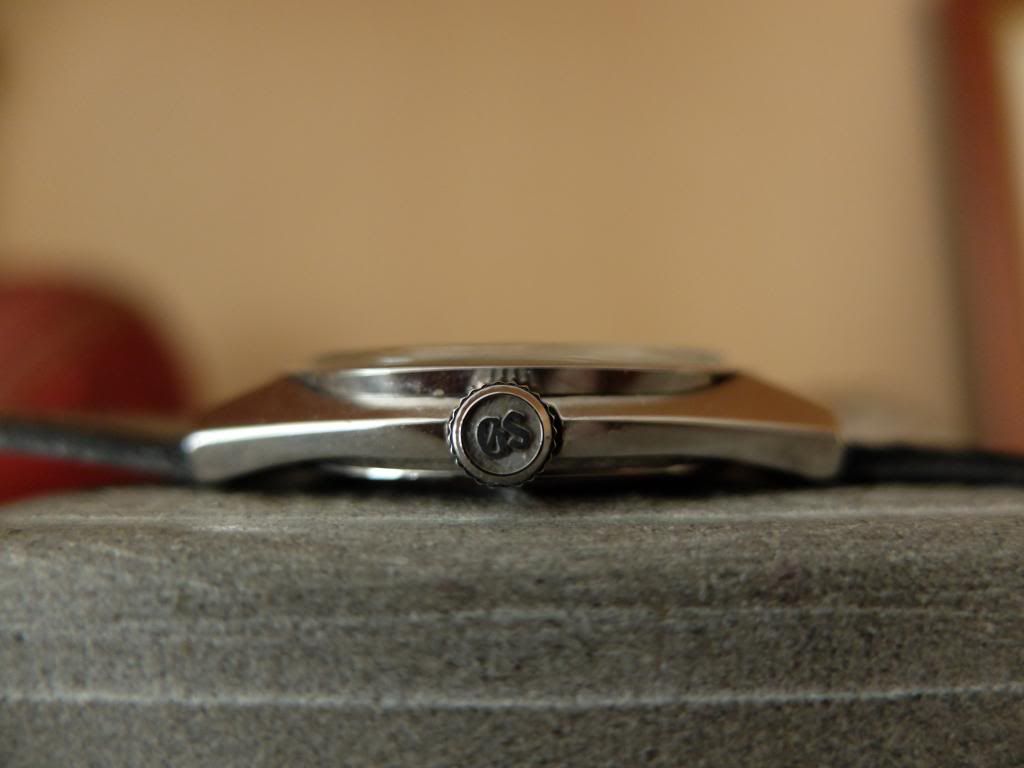
Although a Period relevant design for me personally it is not to my taste and I much prefer the “Grammer of Design” inspired case of the 44GS and this is where the Grand Seiko 4520-8000 shines. The 4520-8000, made by Daini in 1968/69 has the same Calibre as in the Yellow Gold Seiko Astronomical Observatory watches with the pedigree of the award winning movements of the Neuchatel and Geneva Observatory trials. Making the 4520-8000 an important and very special model from Grand Seiko.
6186-8000 VFA (Very Finely Adjusted in Six Positions) & God of Adjustment
What makes the 6186-8000 VFA so special? Well it is the culmination of a dream to be the best in the world and the pinnacle of what dedication and hard work can achieve, from the lowly ranks of 144th for the Seiko Suwa (now Seiko Epson) factory in 1964 at the Neuchatel Observatory Competition to 1st place for mechanical watches in 1968 (first 3 places went to Quartz movements) in the Geneva Observatory Competitions and not stopping there but pushing even further to achieve even more accuracy from there and creating the VFA watches before Quartz watches completely took over.
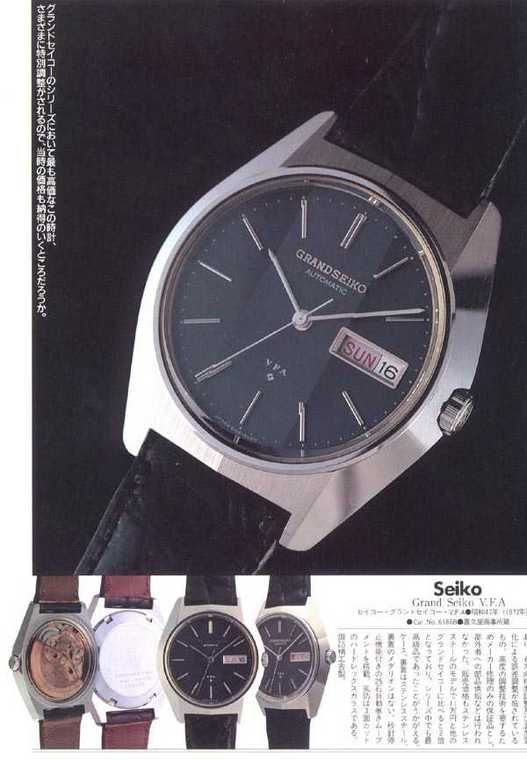
The Grand Seiko team at Suwa didn’t stop in 1968 and say ok guys we’ve beaten the Swiss and now we should just chillax and take it easy but they kept pushing even further. It was to be the last Hurrah and the best Mechanical watch ever made by Grand Seiko and by the best engineers and craftsmen they had.
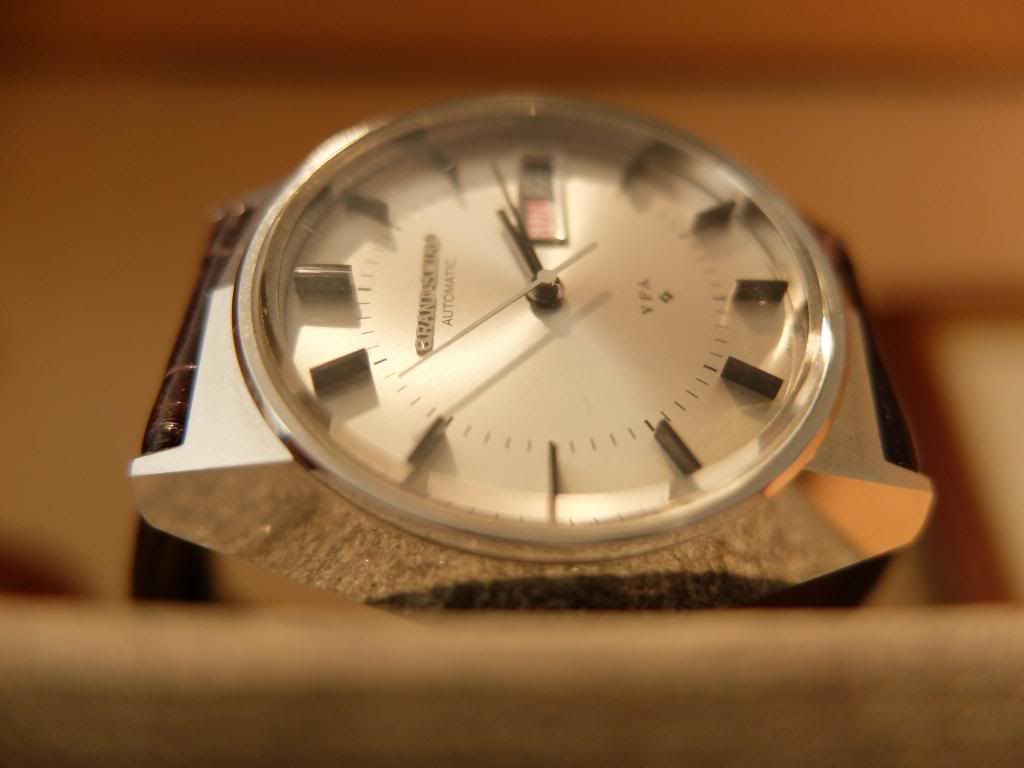
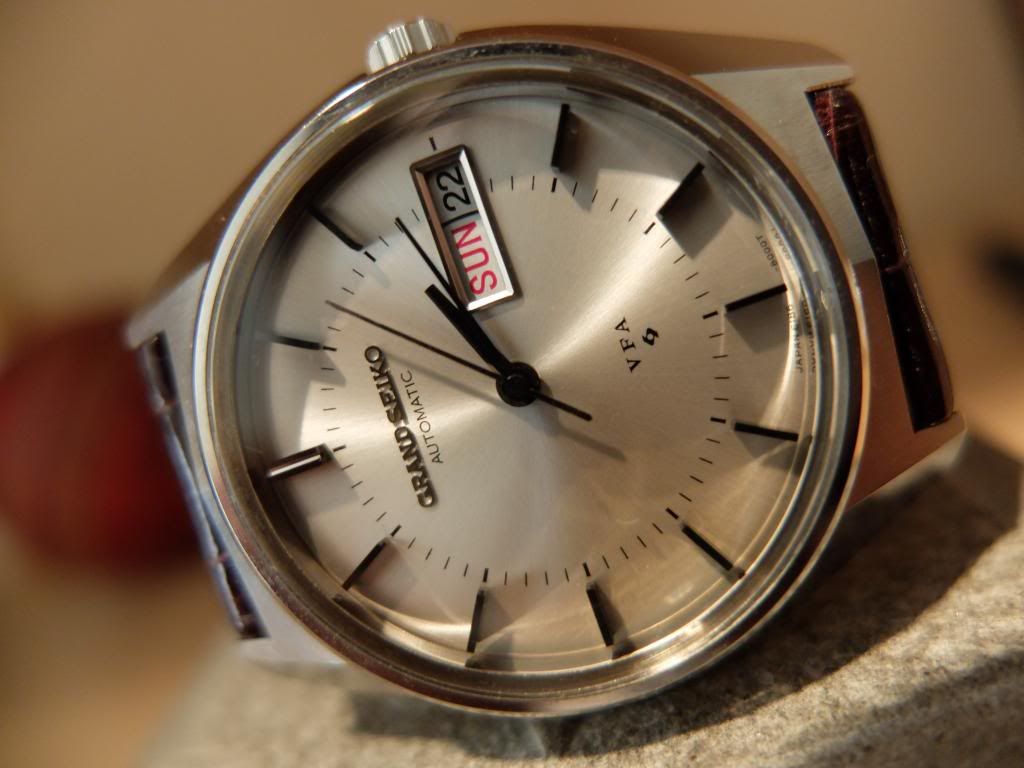
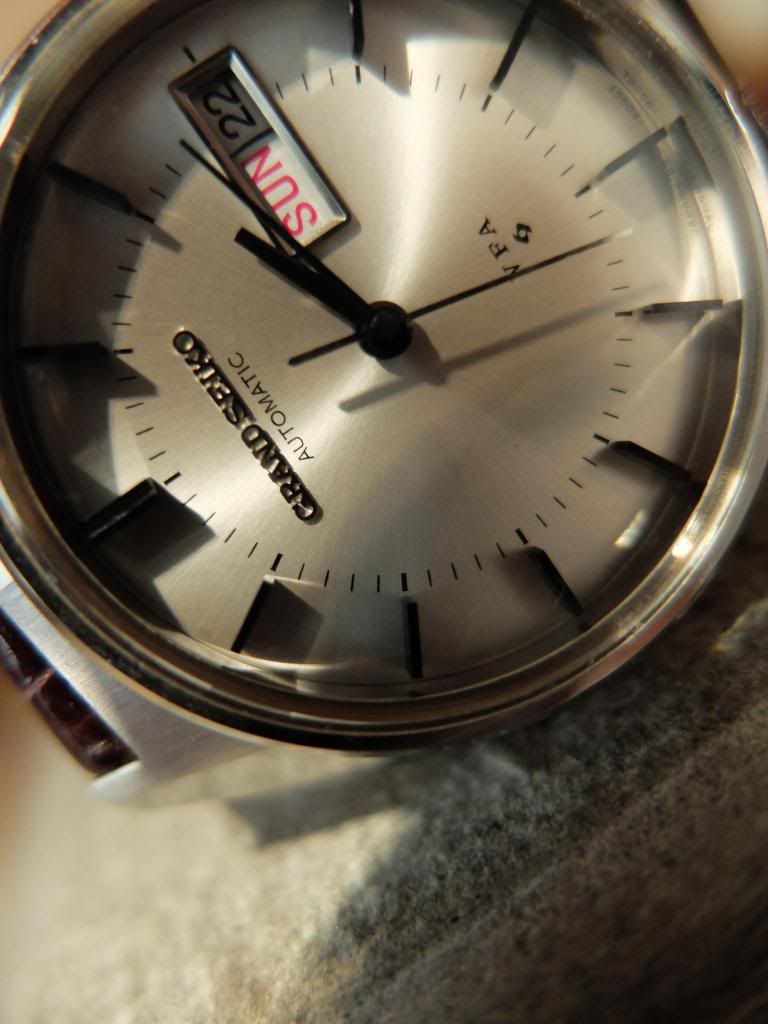
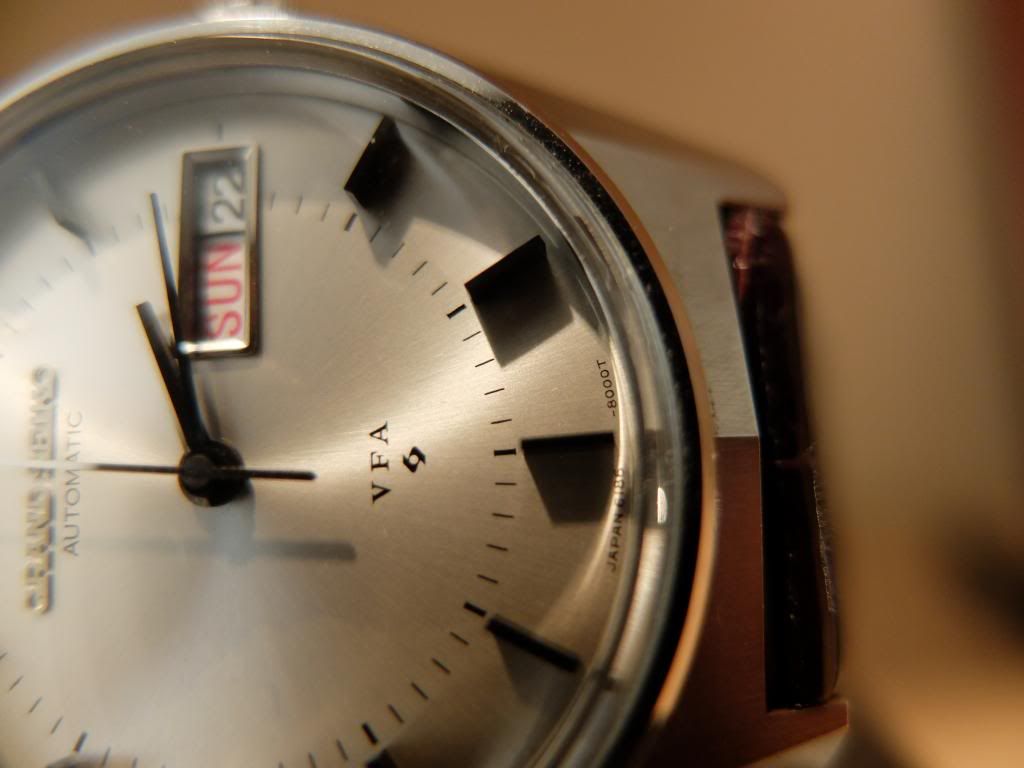
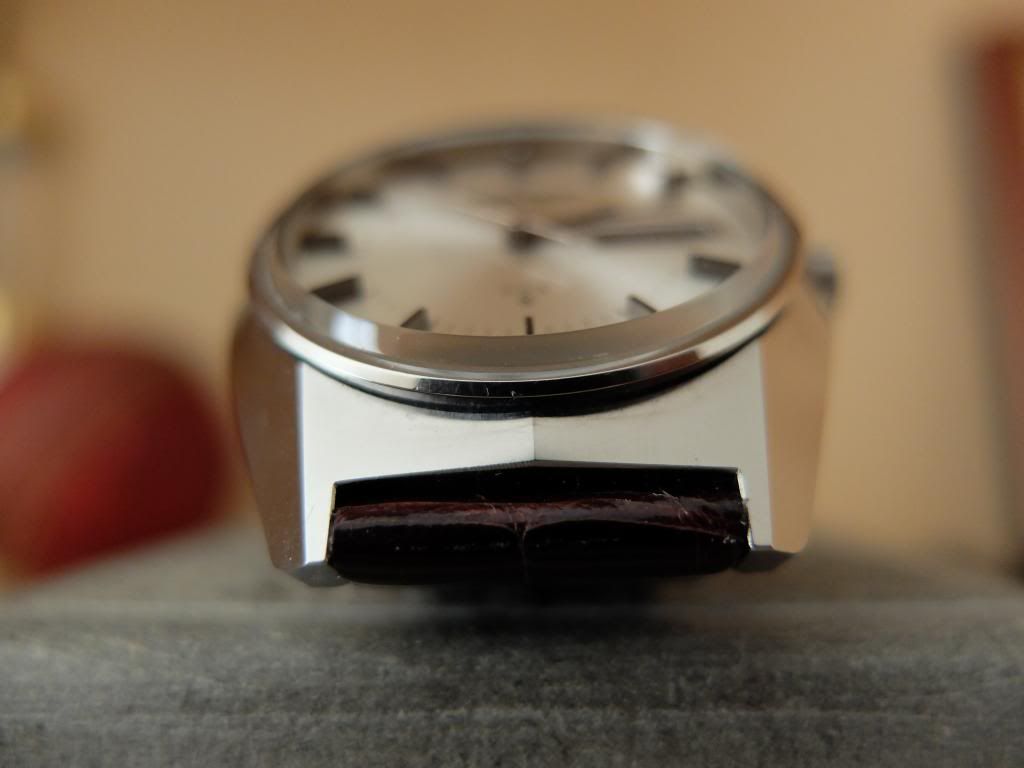
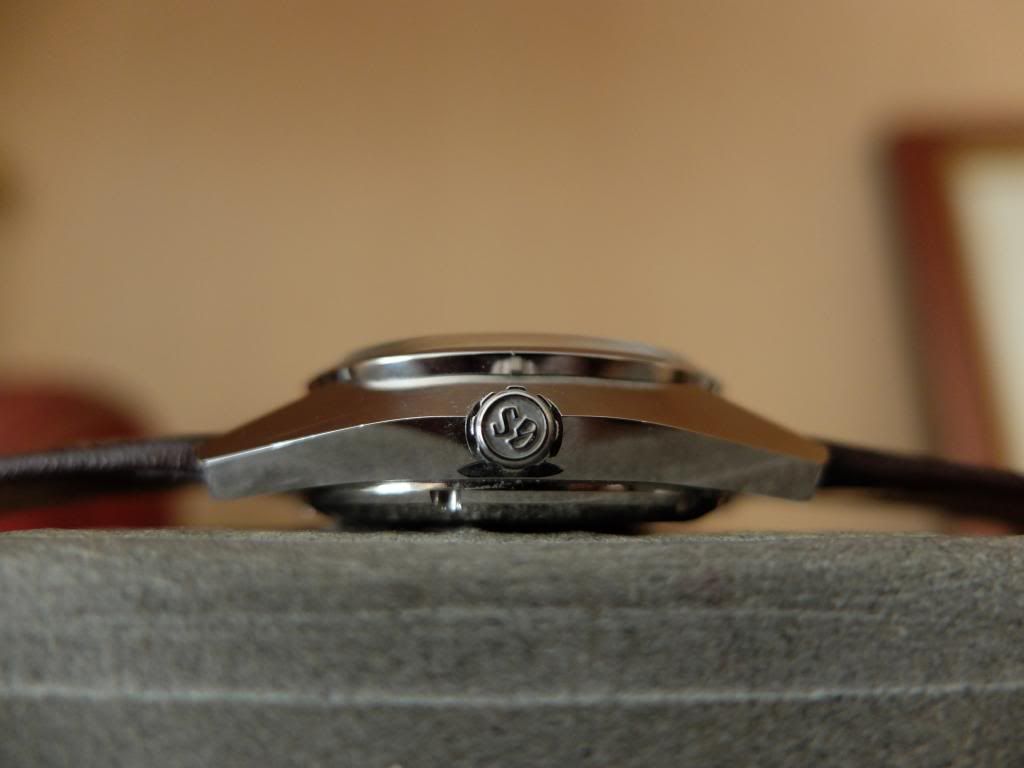
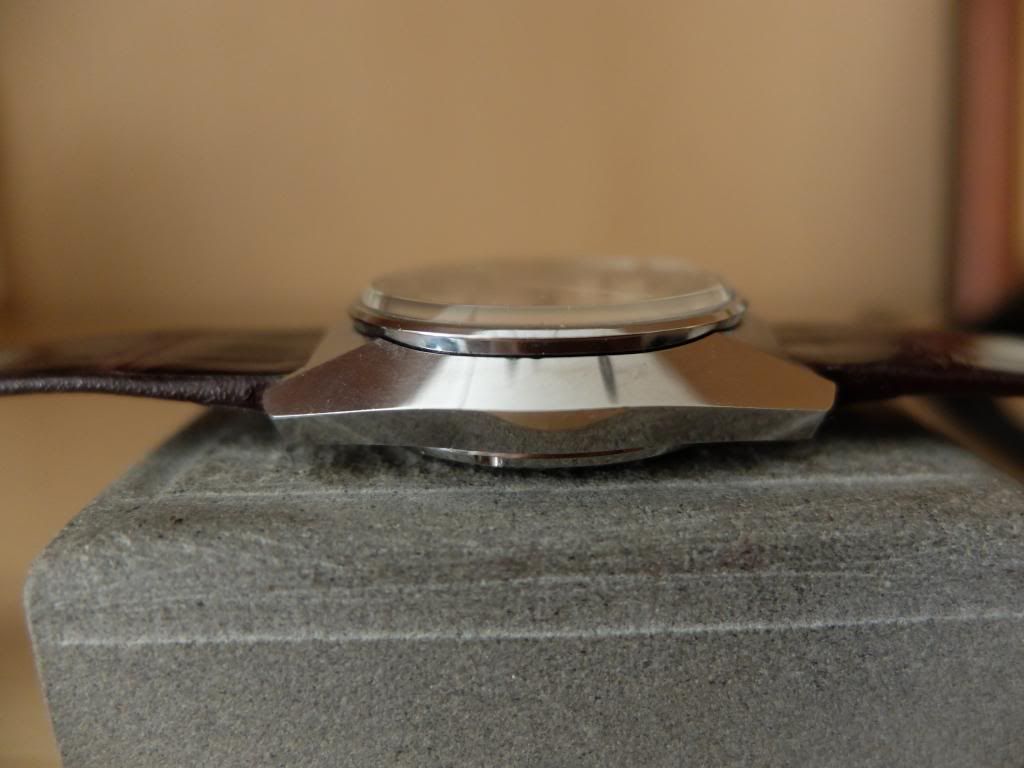
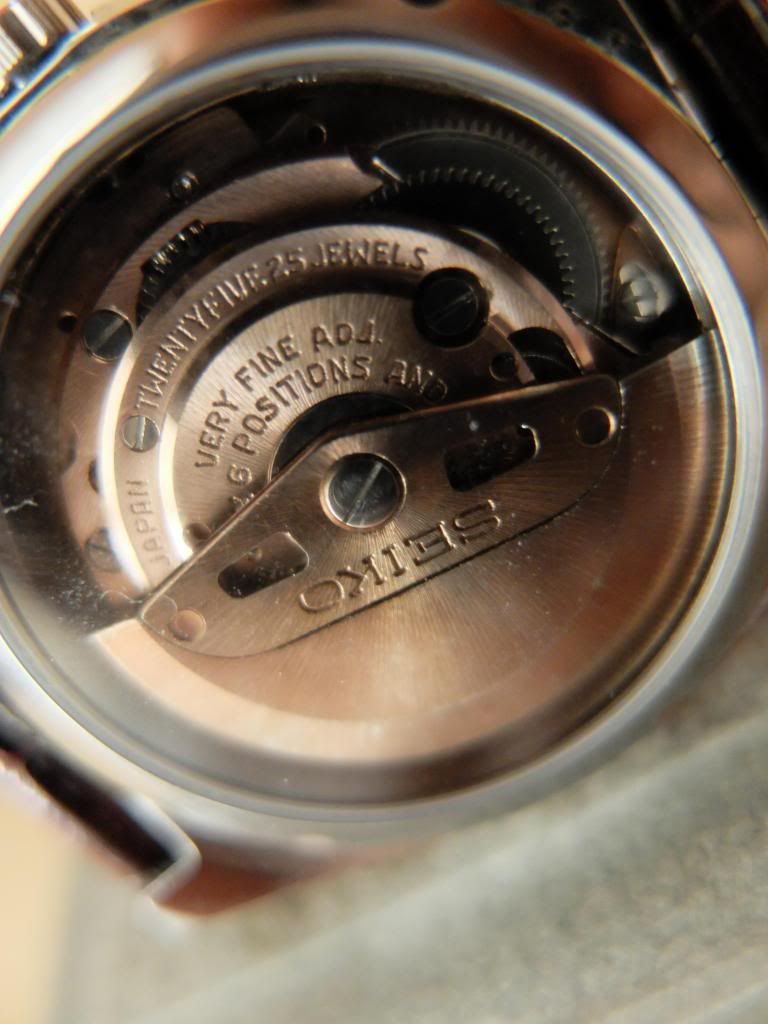
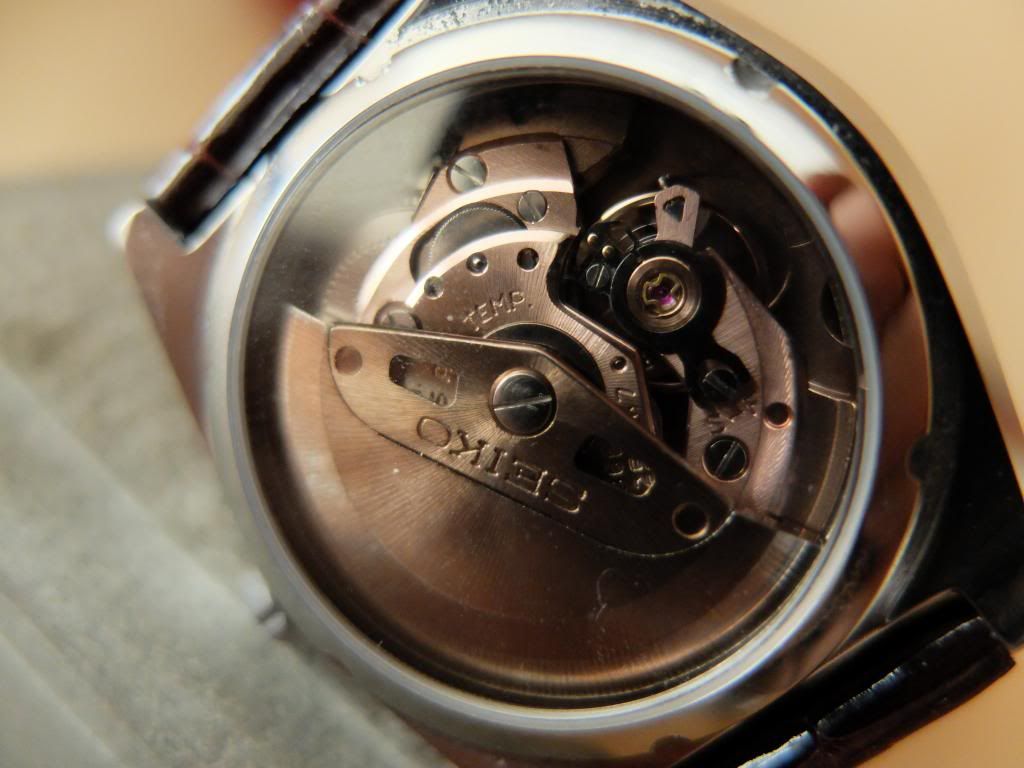
This is what makes the VFA so special. It reminds me that it’s never over, even when you’ve achieved everything, you keep on persevering to be better.
What makes this particular VFA even more special is that it has been adjusted by a Master Watchmaker and Technician known in Japan as “God of Adjustment”.
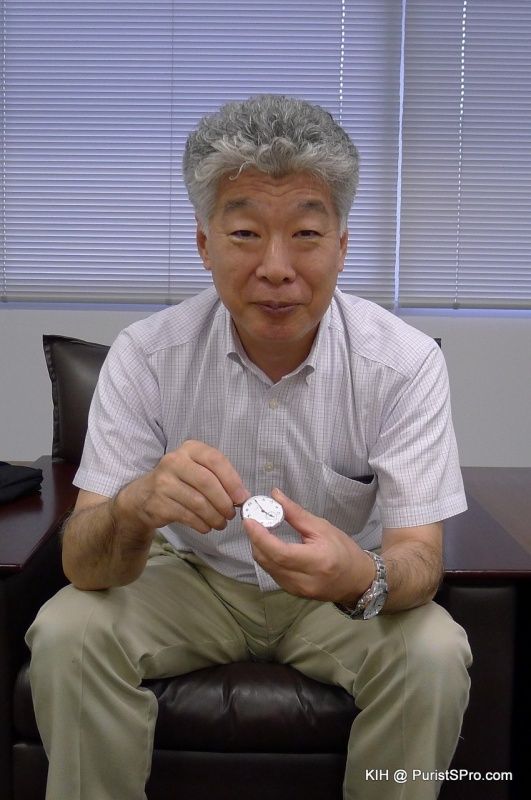
Mr. Akira Ohira was part
of the team that restarted the Grand Seiko brand in 1997/98 and was responsible
for assembling and adjustment of all the Grand Seiko pieces. When the VFA was
sold in the early 1970s it was advertised to have an accuracy of +-3 seconds
per day. I had the watch checked out by my watchmaker who is Swiss Trained by
AP and JLC. He was very sceptical when I handed the VFA over to check out even
though I told him the history of the watch and about Mr. Ohira. A week later he gave me the watch back saying
the VFA astounded him and his colleagues. He couldn’t believe it had a mean
accuracy of + 1 second per day! He thought there was something wrong with his
instrument so repeated the test on three different machines , a testament to
amazing movement of the VFA and to the God of Adjustment to bring this level of
performance out of a 41 year old watch.
S
Special Thanks, Credit and Picture Sources: KIH “Grand Seiko VFA Story” and Others, SJX WatchesbySJX, Ninja01 and Dr Seiko from Seikoholics, A Journey in Time: The Remarkable Story of Seiko, Google Images
The 1966 Ford Mustang represents a significant year for the model, building on the initial success of its introduction. This reference is part of the first generation, which established the Mustang as a distinct category of American automobile. It continued to offer a range of body styles and engine options, allowing for considerable personalization and appealing to a broad market segment. The 1966 model year saw refinements rather than radical changes, solidifying its design language and market position.
The vehicle's construction typically featured a steel unibody chassis. Various engine configurations were available, including inline-six and V8 options, paired with manual or automatic transmissions. Specific dimensions varied slightly depending on the body style, such as coupe, convertible, or fastback. The interior offered a functional layout, with instrumentation focused on driver information.
This reference holds interest for collectors due to its place in the early history of the Mustang and its enduring popularity. The availability of different engine and trim levels means that specific examples can vary widely in their features and performance. It remains a recognizable and sought-after classic, often celebrated at automotive events worldwide.
.. you have the best of the best watches in the accuracy department. Well, to my eyes, aesthetics, too, though :-) Extremely affordable, accurate, durable, and beautiful case.... It's the shame that SEIKO still has the "lost quarter century" - when they almost completely lost interest for the mechanical watch and focus too much on quartz watches. As for the simple watches, I am extremely happy with GS, but for complicated watches, SEIKO still has some way to go..... Yes, you can do it! Nice summ
Thanks for presenting a very comprehensive summary of the Grand Seiko and what they stand for. Goes to show just how underrated they have been in many circles and Seiko deserves to be given a lot more credit where due. Their pursuit for perfection is amazing and they have among the best finished and regulated watches in the industry. Richard
But, of course, it was easy to convince me. Best, CaliforniaJed
I particularly like to focus on the special case design of these watches. I happen to have a NOS 4522-8000, and find the case to be exceptional. Cheers, Tony C.
4520A-8000 without date.... You have superb GS collection, Tony! Should take bothers shot one of these days.... perhaps when they all have been regulated to +/- 1 sec per day :-) Ken
.. superb movement to say the least! Made by Suwa Seiko-sha (today's Seiko Epson), nonetheless it was a super machine back then. Ken
This thread is active on the Seiko forum with 23 replies. Share your knowledge with fellow collectors.
Join the Discussion →