Complications
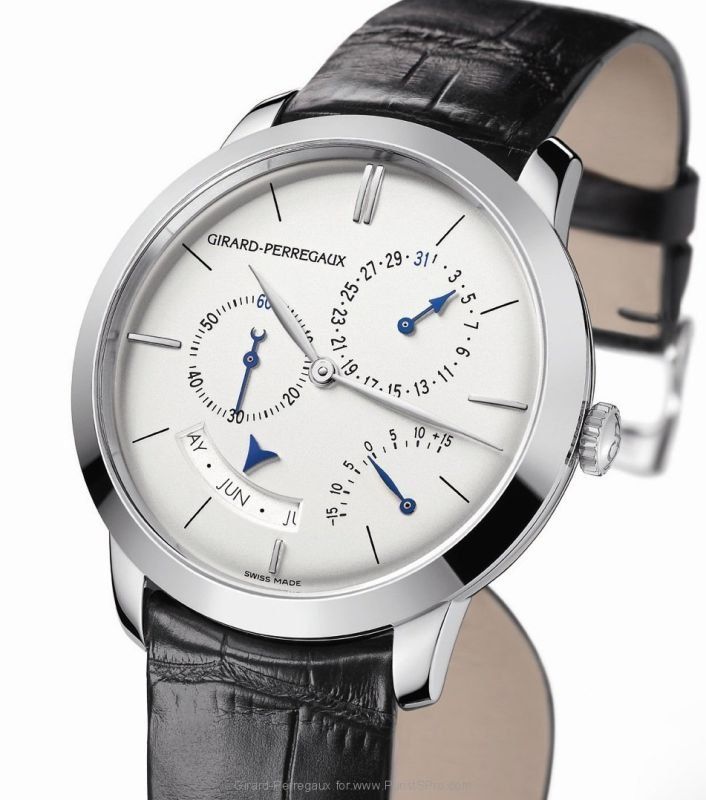
Dje presents an in-depth look at the Girard-Perregaux 1966 Annual Calendar and Equation of Time, a timepiece that beautifully marries historical chronometric precision with poetic complications. The author delves into the technical and aesthetic appeal of this watch, highlighting its unique combination of useful calendar functions and the elegant display of true solar time.
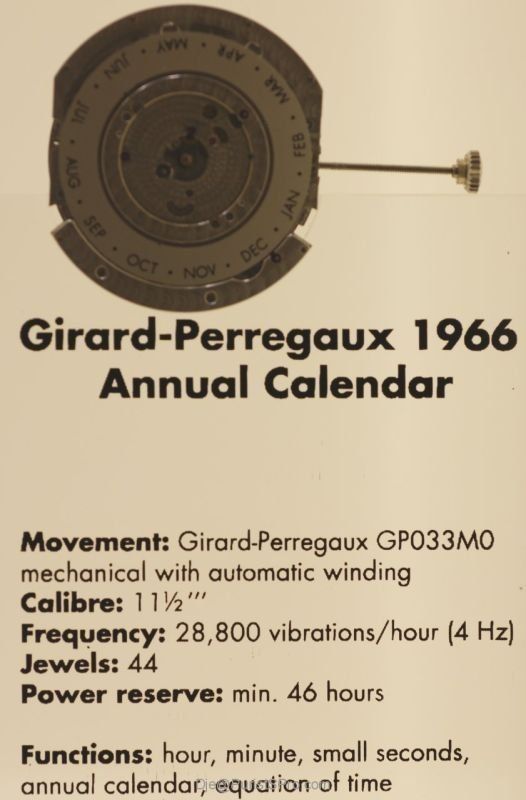

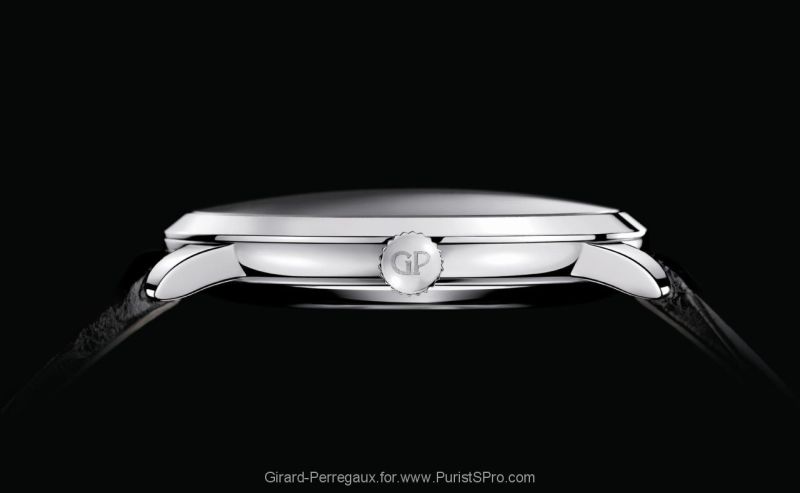
The 1966 range reminds us of the glorious chronometric past of Girard-Perregaux.
In 1966 Girard-Perregaux presented the first high frequency calibre beating at 36000 vph, fitted in the Gyromatic HF. This calibre created in-house by the Girard-Perregaux research and development team brought exceptional timing results and as a matter of consequence lead the State Council of the Canton to attribute to Girard-Perregaux the Centenery Prize of the Neuchatel Observatory. In fact the first production series Gyromatic HF watches sent to the chronometric competitions were confronted to specially prepared competitors.
In 1967 Girard-Perregaux received 662 certificates of chronometry from the Neuchatel observatory, i.e. 73% of those delivered in the classical wrist watch category.
The following years saw the Girard-Perregaux team develop their first quartz calibre and settle the 32 768 Hz frequency that is still used today. But that’s another story…..
The simple elegance of the 1966 range is a tribute to such precision timing but the range has expanded to complications.
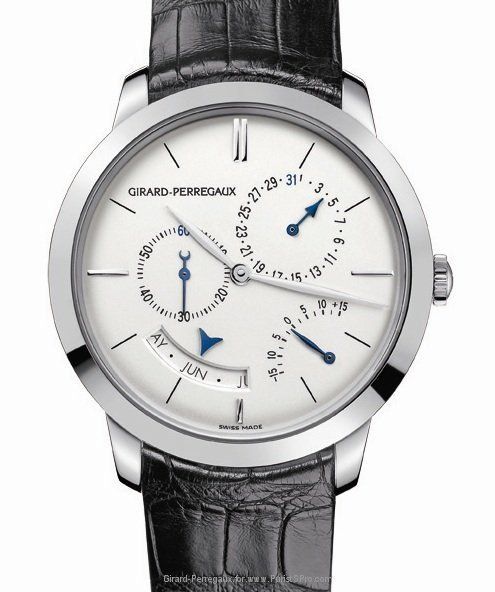
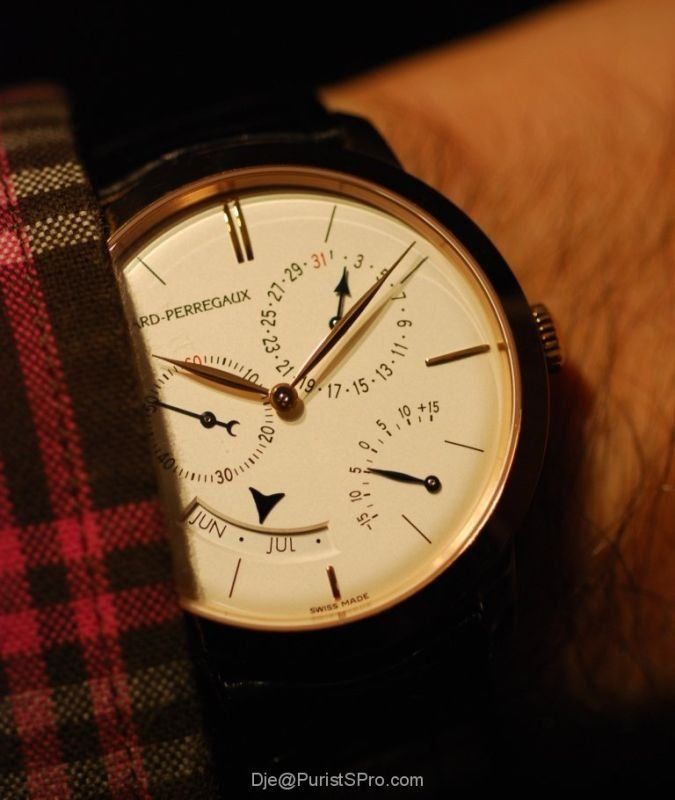
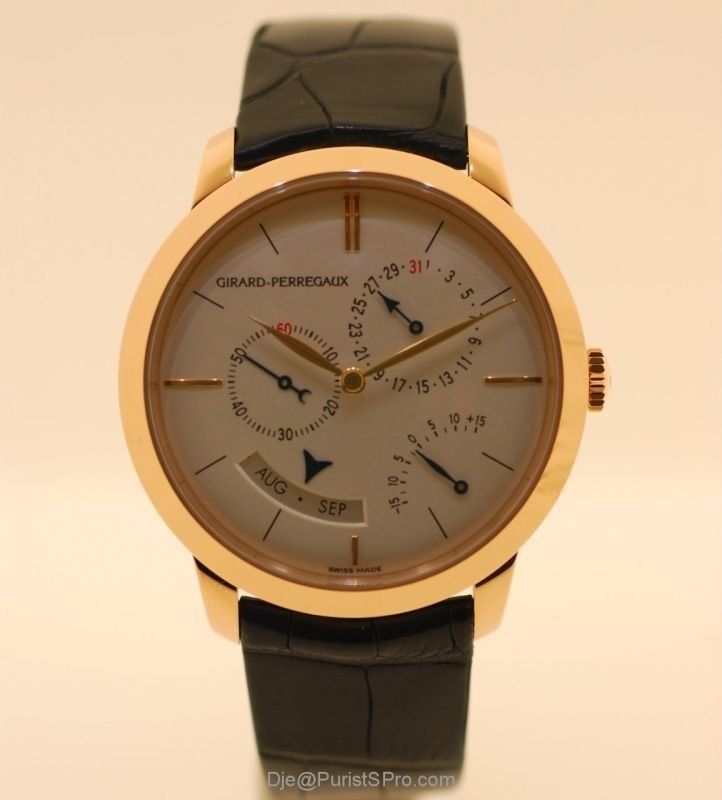
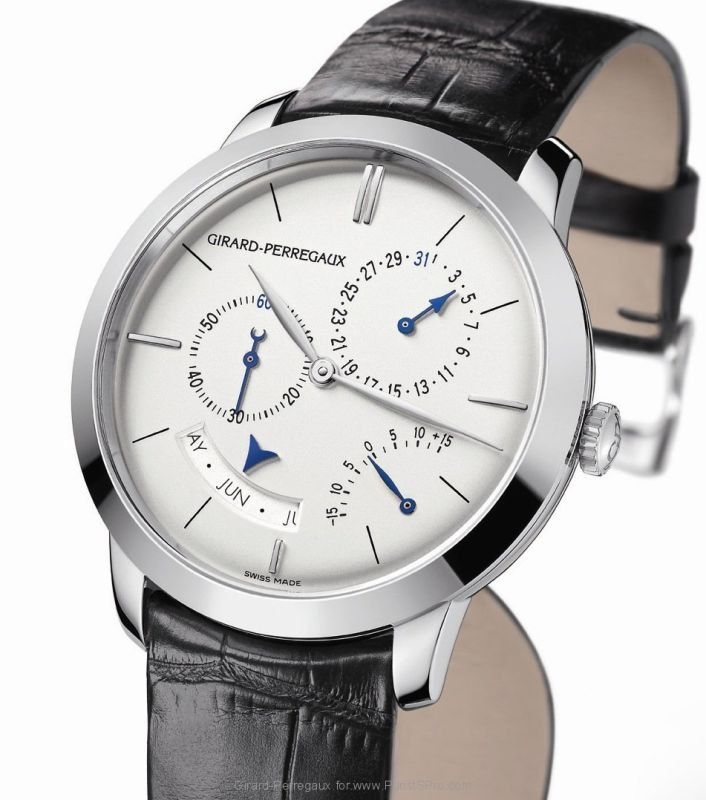
For last year’s SIHH Girard-Perregaux presented a new iteration of this 1966 range. The annual calendar and equation of time 1966 in pink gold was then followed this year by a white gold version. I wanted to share with you some technical aspects of this watch that I find to be particularly appealing by its combination of usefulness (the annual calendar with the indication of the date and the month) and poetry (the equation of time showing the slight difference between the true solar time and the mean time).
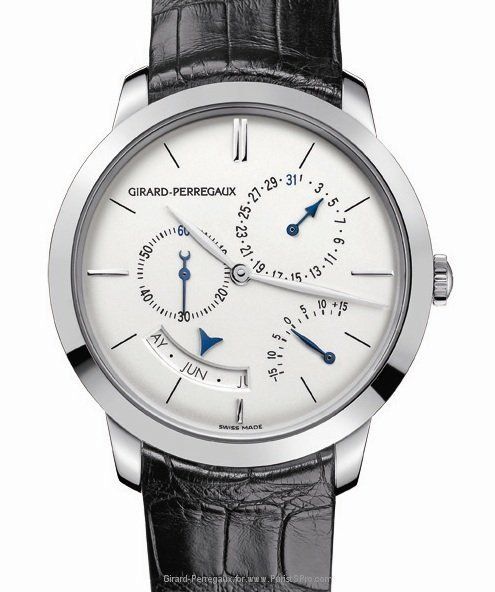
Last year many of us were instantly appealed by the simple beauty of this watch, by its perfectly balanced dial exhibiting smartly its multiple indications.
I was even more attracted this year by the white gold version that IMO represents even better the simplicity of the realization of this complex watch.
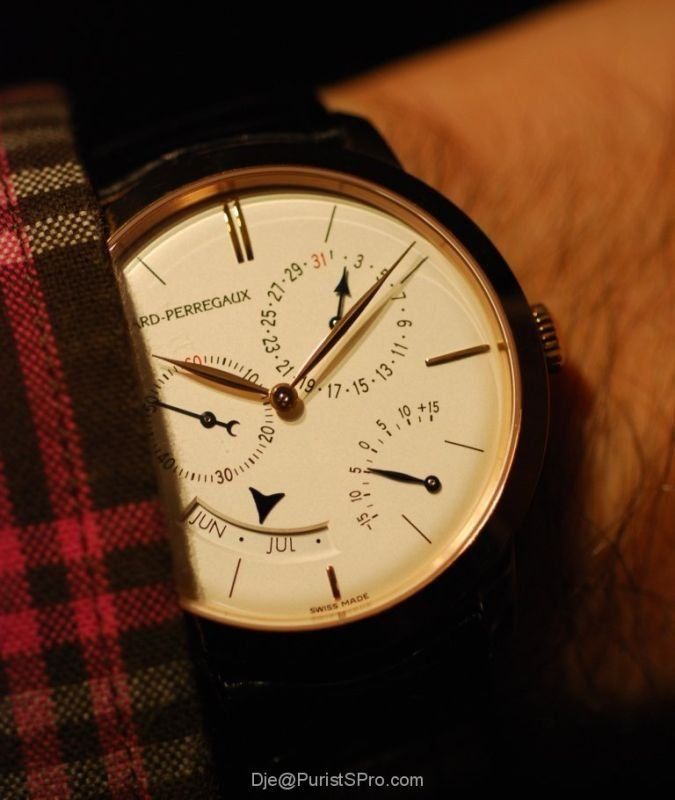
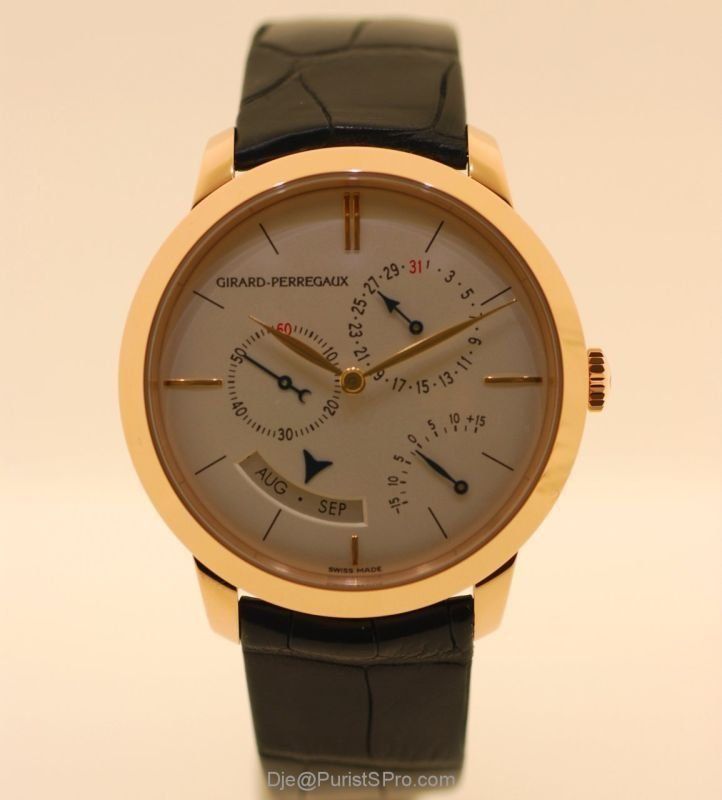
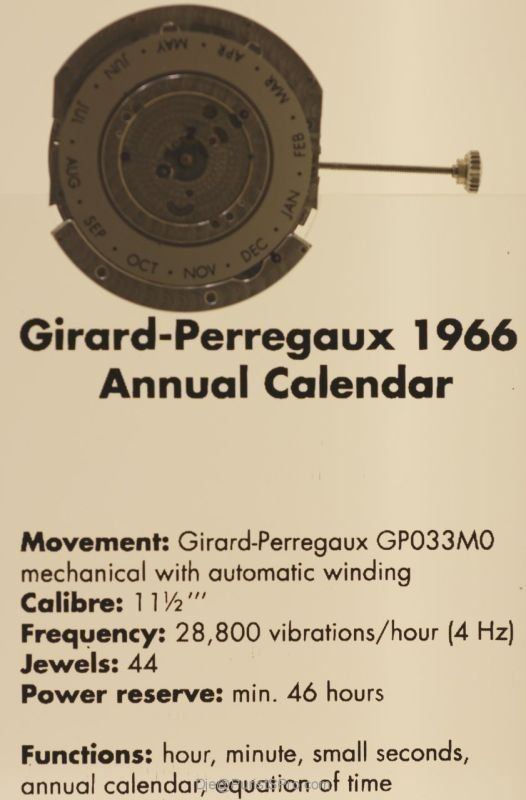
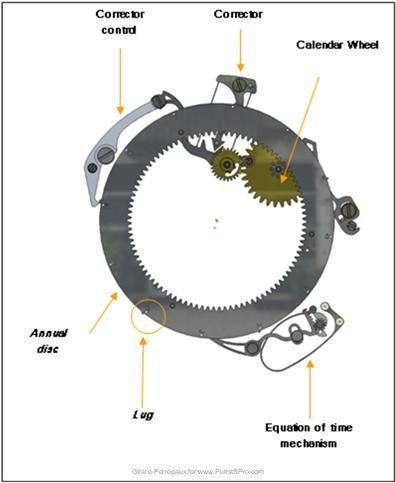
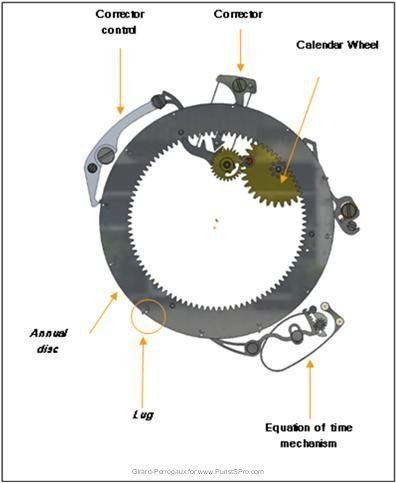
That lets us the equation of time mechanism on the lower part of the annual
disc.
As written above the equation of time indicates the difference the true solar time and the mean time, or meridian time. This difference is the consequence of the fact that the length of a solar day varies daily due to the elliptical shape of the Earth’s orbit.
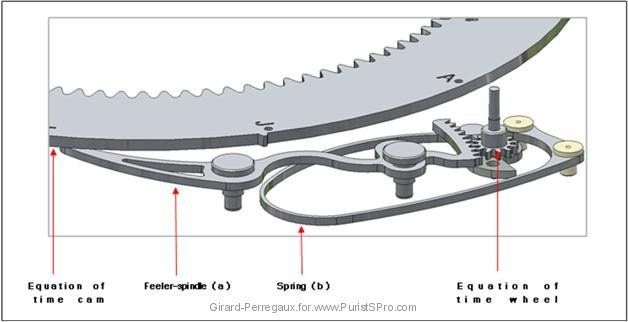
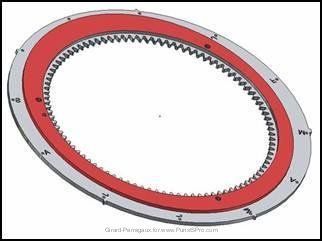
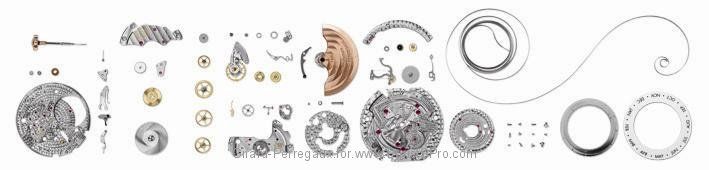
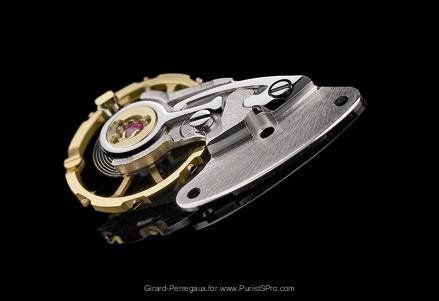
The permanent indication of the equation of time is given through the use of an equation of time cam that is located below the annual disc (above in red). So the red disc, or cam, replaces the “potato” cam we’re used to see on EOT watches.
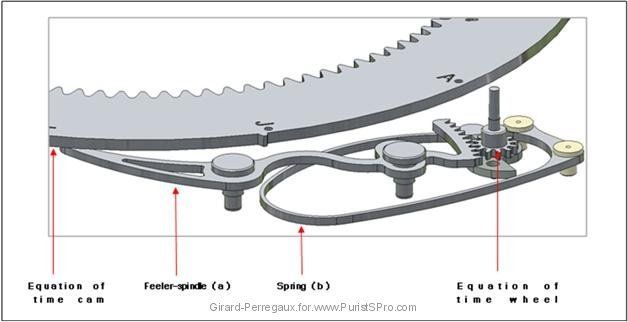
A feeler-spindle applied on the equation of time cam by a spring directly rotates the equation of time wheel where the equation of time hand is fixed.
As the annual disc and the equation of time disc are fixed together the equation of time is always settled if the calendar is. It can’t be simpler to use. Convinced?
I wondered what is taking place for the equation of time at the end of February.
We generally read or understand that the equation of time is a constant figure
for a precise date. In fact the equation of time at a certaion date is given by
the analemma,
“ a curve representing
the angular offset of the Sun from its mean position on the celestial sphere as
viewed from Earth” and this analemme slowly changes over the
centuries.
So the equation of time at each date is not really the same every year, but changes so slowly that it is considered as the same at the level of our short lives…… Consequently we can assume that the precision that can be given by a hand on a dial for the equation of time offsets the imprecision of the concept. The poetry remains!
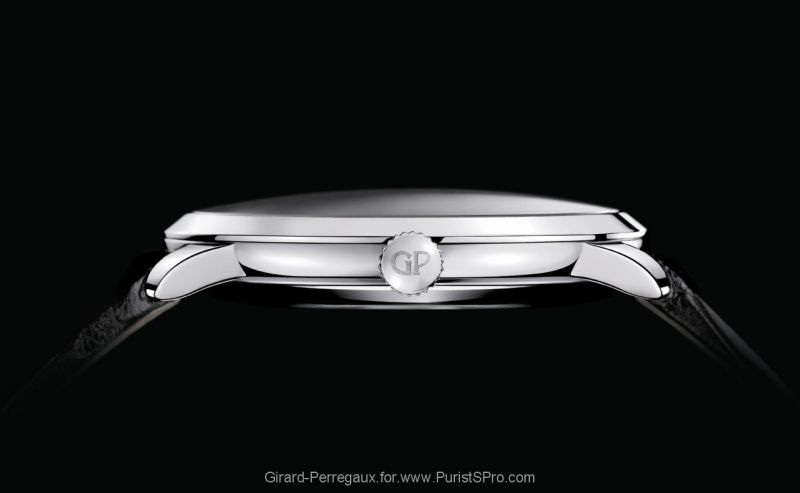
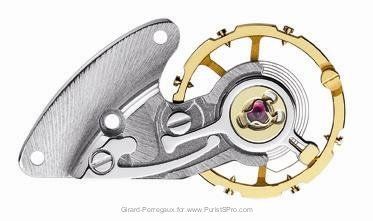
I can give just one advice: give you a chance to go and try on this watch, you won’t regret it!
Cheers
Dje
This message has been edited by Dje on 2010-05-10 13:20:49 This message has been edited by Dje on 2010-05-10 13:22:43 This message has been edited by Dje on 2010-05-13 22:58:34
The Girard Perregaux 1966 reference, issued in 2014, represents a specific iteration within the brand's 1966 collection, known for its classic design language. This particular model features a friendly complication, distinguishing it from simpler time-only variants within the same series. The 1966 line generally emphasizes traditional watchmaking aesthetics and proportions, appealing to those who appreciate understated horology.
The watch is housed in a case characteristic of the 1966 series. It typically features a sapphire crystal, offering clarity and scratch resistance. The movement powering this reference is an automatic caliber, consistent with Girard Perregaux's in-house manufacturing capabilities, providing a reliable power reserve suitable for daily wear.
For collectors, this reference offers a less commonly seen variant of the 1966 collection. Its appeal lies in its adherence to classical design principles and the inclusion of a practical complication. While specific dial and hand configurations can be subjects of discussion among enthusiasts, the overall presentation aligns with the brand's heritage in precision watchmaking.
Let's remember Breguet was the first with the EOT mechanism and indicator in his watches (timepieces), correct me if I'm wrong. When remembering the moon, Omega Speedy, and when remembering the sun and EOT, well, GP and whoever has that in their watches out there. Any timepieces with both moon phase and EOT? Thanks! =:^D
Thanks for this thoughtful review, Jerome and for bringing out the emotion amongst the mechanics. Simple solutions are always a pleasure to see (not the least because I can understand how they work!) and there are so many examples in the design of this GP033MO movement. Does the month indicator jump at the end of the month and, if so, what is the intermediate point (the ‘dot’ between the months)? Andrew
and I will say that this is one of the watches that are much nicer in the metal and on the wrist.
Thanks very much for this excellent and well-illustrated review, Dje! I greatly enjoyed reading about the 1966 annual calendar/EOT. I am very smitten by this range of watches from GP. The styling is to my taste, and the proportions are just lovely. I miss the 1966 Full Calendar that was on loan to me a few months ago! I think the watch you reviewed deserves to be a big hit for GP. Look at the great layout on the dial! It's fantastic! Cheers, Daos
cam at all! Thanks for a great report and good to see that wrist shot to know you are healthy. Hope the ash is going away. Best, Tim
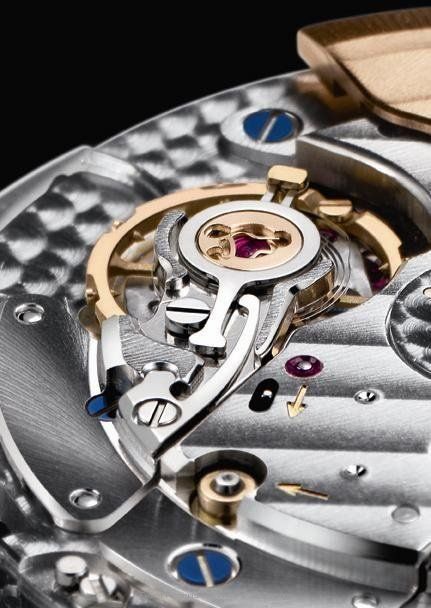
What a great combination of complications between the annual calendar and equation of time. I just love this one! While looking at the nice movement photos, I was wondering how and why GP blues the screws, but the slot in the screw is not blue. How does the slot in the screw not become blue? Thanks for your report and great information Dje! Best, Mike
This thread is active on the Girard Perregaux forum with 42 replies. Share your knowledge with fellow collectors.
Join the Discussion →