Ellicott 1738: Baselworld 2013 Overview
Manufacture

Ellicott 1738: Baselworld 2013 Overview

By Ornatus-Mundi · Oct 2, 2013 · 18 replies
Ornatus-Mundi
WPS member · Horological Meandering forum
18 replies10211 views4 photos
f 𝕏 in 💬 🔗

Ornatus-Mundi provides a fascinating deep dive into Ellicott 1738, a brand that revives the name of an influential British watchmaker for its Swiss-made timepieces. This article explores the brand's historical inspiration, its modern philosophy under CEO Pierre-André Finazzi, and key models presented at Baselworld 2013, offering valuable context for understanding this unique approach to horological heritage.

18 collectors discussing this on the WatchProSite forumJoin the Conversation →
For most of you (and until I saw them also for me) the brand Ellicott 1738 is unknown territory. However, the name is certainly not new, nor is the philosophy or the people behind it!


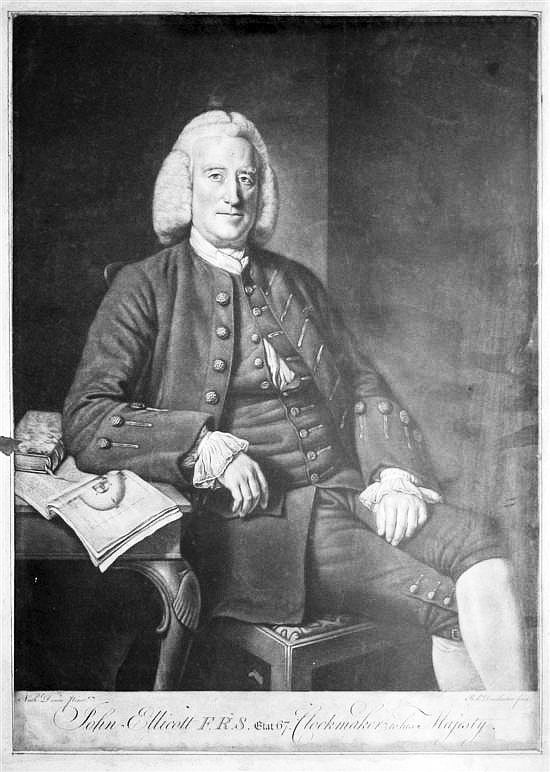
Ellicott is named after British watchmaker John Ellicott jr. (1706-1772), member of the Clockmaker's Company and later, in 1738, was invited to join the British Royal Society. Ellicott stems from an influential watchmaking family, his father John for example was credited with the development of the first central seconds. John Ellicott jr. was best known for his work on temperature compensated pendulums and his use of the cylinder escapement. Ellicott's son Edward joined his workshop in 1760. 


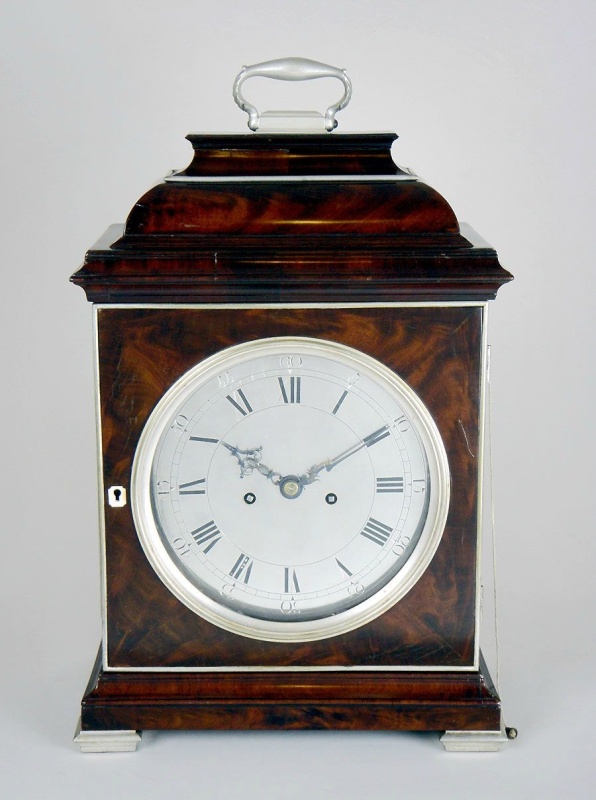
One interesting side-note is that John Ellicott's greatest talent was not the actual watchmaking craft but more in technical/scientific and business aspects of the trade. He is also believed to possess and impressive aptitude for selecting the best talents available to ensure that his watches were of the best quality possible at his time. Thomas Tompion for example was one of his suppliers/sub-contractors. Ellicott's quality workmanship led to an appointment as Clockmaker to King George III. A fine example of a clock made for the King is given below, a Mahagoni-cased bracket clock made in 1765:


The Ellicott watch business ran for about 200 years until the family vanished due to lack of heirs. Around the year 2001, two Swiss entrepreneurs Eric Loth and Pierre-André Finazzi teamed up to create their own watch brand(s) and were looking for suitable names. They quickly turned to the rich tradition of British watchmaking and acquired the rights to many dormant but once famous names - the rest is history and best known as The British Masters: Swiss-made watches carrying the names of famous British watchmakers (e.g. Arnold & Son, Graham).


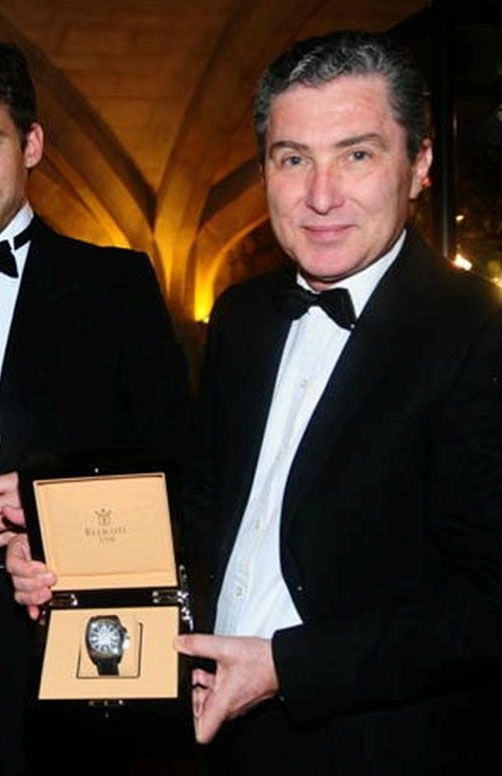
Finazzi left the partnership early to set up is own brand. Promoting the knowledge on anglo-saxon horology must have been fascinating, and thus he decided to start with another brand using a similar concept, and thus Ellicott S.A was born in the Swiss watchmaking mega-city of La-Chaud-de-Fonds:

"As a curious and interested person, I was always aware of British watchmaking history and of all the famous British horologists. Then, during the early part of this decade life offered me the opportunity to start a new watchmaking venture, and I could think of no better name than that of Ellicott. Just like when John II and subsequent generations joined the company as sons perpetuating their fathers’ work, it is with great respect and inspiration that I continue to cultivate the British heritage of the brand and to promote and establish the Ellicott name throughout the world. Today, everyone involved in the new company has a genuine passion for haute horlogerie and the modern day Ellicott represents a unique heritage and a fantastic means for expressing this passion." [Mr Finazzi in an interview with QP magazine in 2011]

Mr Finazzi is not only CEO of Ellicott, but carries a dual role as designer as well. Ellicott today makes about 100 watches annually in the range between 10.000 and 100.000 CHF (core range: 15.000 - 50.000 CHF).

With this report, for which I conducted my research during this year's BaselWorld fair, I'd like to present you this rather unknown brand and invite you to provide your judgement.

Thanks for reading,
Magnus

This message has been edited by Ornatus-Mundi on 2013-10-03 08:58:31 This message has been edited by AndrewD on 2013-10-04 13:39:02 This message has been edited by MTF on 2013-10-06 16:15:34

Key Points from the Discussion

Advertisement
The Discussion
OR
Ornatus-Mundi
Oct 2, 2013
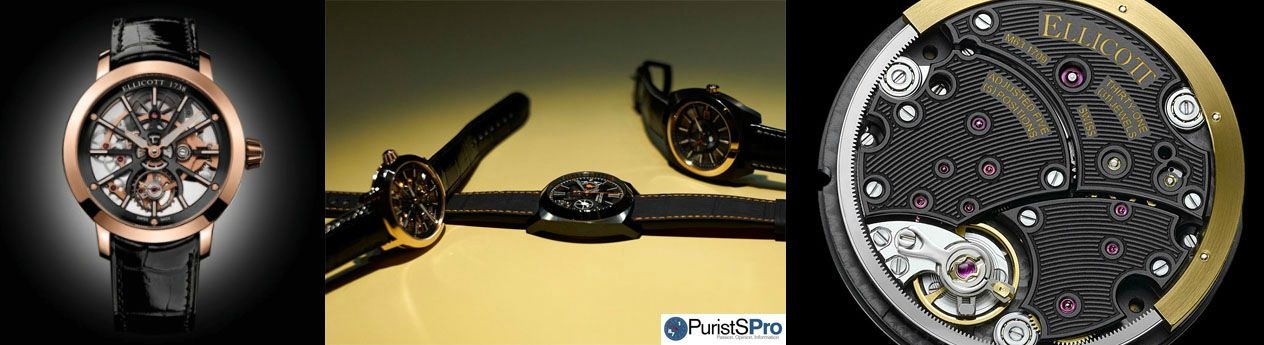
The Royal Skeleton: celebrating 275th anniversary of Ellicott's induction to Royal Society

With this watch Ellicott is honouring John Ellicott’s admission into the prestigious Royal Society. This year marks the 275th anniversary of his induction. The watch, called Royal Skeleton , is a powerfully design skeletonised watch driven by a handwound movement. Its case is crafted in 42mm rose gold and is contrasted with a dial element made of Tantalum. Of interest are the screwed balance visible through a dedicated round opening in an otherwise 'radiating' dial: The latter is not just a dial

FO
foversta
Oct 7, 2013
100% sure it is a Concepto movement.

The shape of the spring can't lie... Thanks Magnus! Fx

OR
Ornatus-Mundi
Oct 7, 2013
FX, thanks for the confirmation! [nt]

OR
Ornatus-Mundi
Oct 3, 2013
The Majesty Collection: crowned by an in-house movement with circumferential rotor

The Ellicott Majesty is not exactly a new watch, it was presented already in 2010. In fact, it enjoyed some public attention when it was presented in 2011 to the then Colonel in Chief, His Royal Highness the Prince of Wales. However, its a milestone for Ellicott as it comes with their first proprietary movement, a technically quite interesting movement with a circumferential rotor and a unique finishing. The watch comes in several variants, fully red gold, with a tantalum bezel or in white gold:

OR
Ornatus-Mundi
Oct 3, 2013
The Mach One SkyEagle watch: an unusual monopusher chronograph

The sports-addicted collection in Ellicott's stable, the Mach One collection , gets a new edition of the SkyEagle monousher chronograph: No, I have not photographed the watch upside-down! The movement is modified in that it (i) shows the escapement on the dial and (ii) places the mono pusher very conveniently (for left-hand wearers, at least) at the 8 o'clock position. This allows for a comfortable control of the chronograph with your thumb. The case is crafted from steel and tantalum and follow

FO
foversta
Oct 7, 2013
Not bad... but I would have preferred it without the dial opening. [nt]

Continue the conversation

This thread is active on the Horological Meandering forum with 18 replies. Share your knowledge with fellow collectors.

Join the Discussion →