Lifestyle
Clocks Make Poor Gifts in the Chinese Culture So your dear friend has just purchased his first home and just moved in. Hes a watch guy and you figure what better housewarming gift could there be than the iconic and much coveted Audemars Piguet Royal Oak wall clock in aluminum with luminescent hour

Clocks Make Poor Gifts in the Chinese Culture
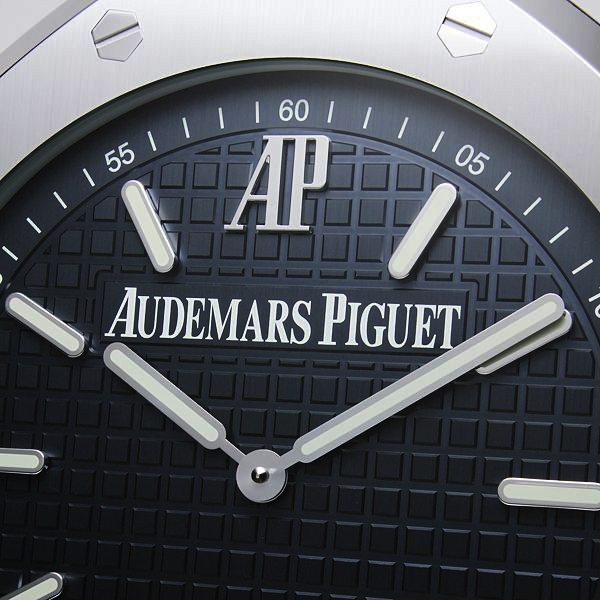
So your dear friend has just purchased his first home and just moved in. He’s a watch guy and you figure what better housewarming gift could there be than the iconic and much coveted Audemars Piguet Royal Oak wall clock in aluminum with luminescent hour indicators. You even have the perfect spot picked out for him right above the standing wall sculpture in his living room. But before you make your generous giftable splurge, you might want to reconsider.

As nice as the gesture is and as thoughtful your intentions may be, your pricey present may be seen as an unwelcomed act of giving if your friend happens to be Chinese. The reason may surprise you but did you know that it’s a big faux-pas to give a clock as a gift in Chinese cultures?
Traditional Chinese Superstitions
A clock is an undesirable gift because according to traditional superstitions, it is regarded as putting a timer on someone’s life or to put it more harshly even, counting the time before the recipient’s death. They symbolize the idea that time is running out and therefore a sense of finality in relationships and life may be the messages unintentionally sent.
Another reason why gifting a clock is interpreted in a negative way is because the phrase "to give a clock" (Chinese: ??, Chinese: ??) in Chinese is pronounced "sòng zh?ng" in Mandarin, which is a homophone of a phrase for "terminating" or "attending a funeral" (both can be written as ?? (traditional) or ?? (simplified)). Some Cantonese may even consider such a gift as a curse.
How to Get Around It
If you are absolutely set on giving your Chinese friend or relative a clock but don’t want them to think you are sending them to their grave then you can do so by requesting a small monetary payment, like a $1, in return as a token of exchange. This way, the recipient is in essence, buying the clock and thereby counteracting the '?' ("give") expression of the phrase.
So the next time you want to buy that expensive grandfather’s clock for your Chinese girlfriend’s family, you might want to opt for one of those coin-biting jade frog sculptures instead. Unless of course your friend is so westernized that he barely pays attention to homophonically derived superstitions let alone care about them. If that is the case then, I suppose it doesn’t even matter.
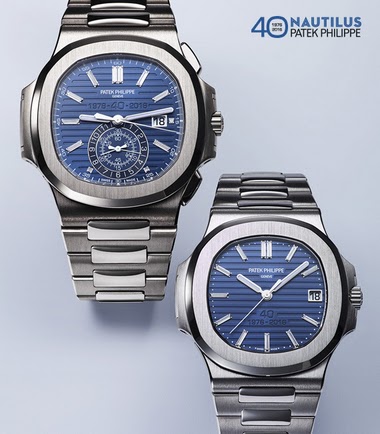
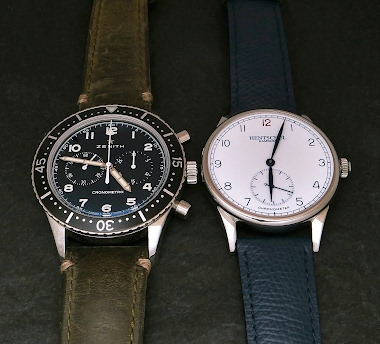
Oh and just to add, giving watches is okay...phew...
nt
Good to know. I guess it makes sense. Every morning I see old Chinese people walking backwards around Century Park in Shanghai. I am told that walking backwards is a way for them to "unwind" their lives. Thanks for this useful lesson in culture ! Dean
"Gift a Clock" "sounds like" funeral Watch has no such burden
This thread is active on the Horological Meandering forum with 21 replies. Share your knowledge with fellow collectors.
Join the Discussion →