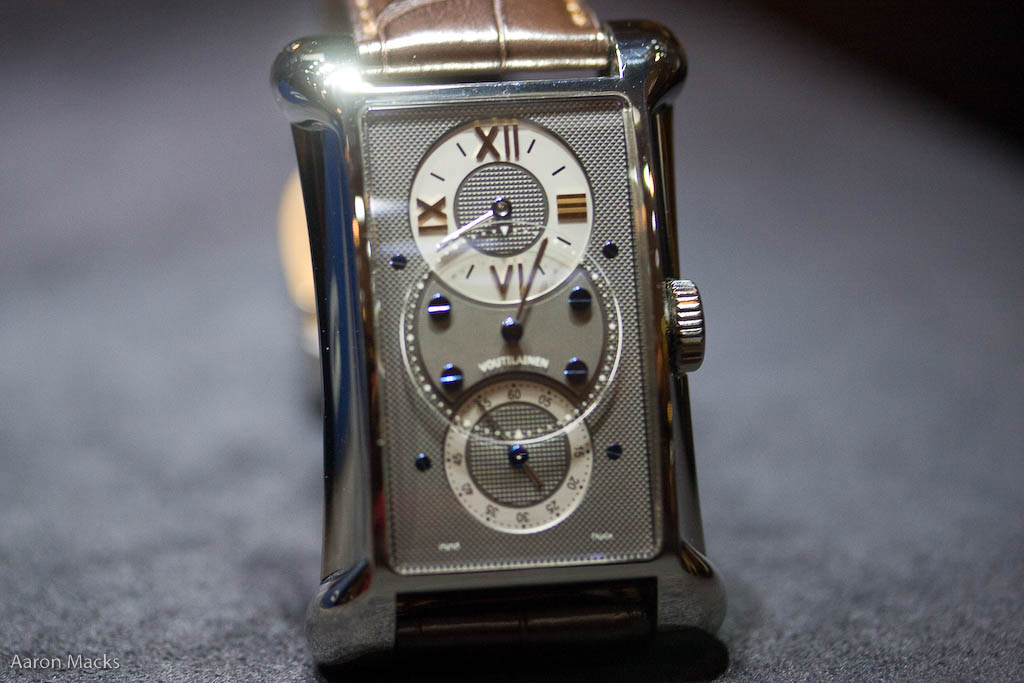
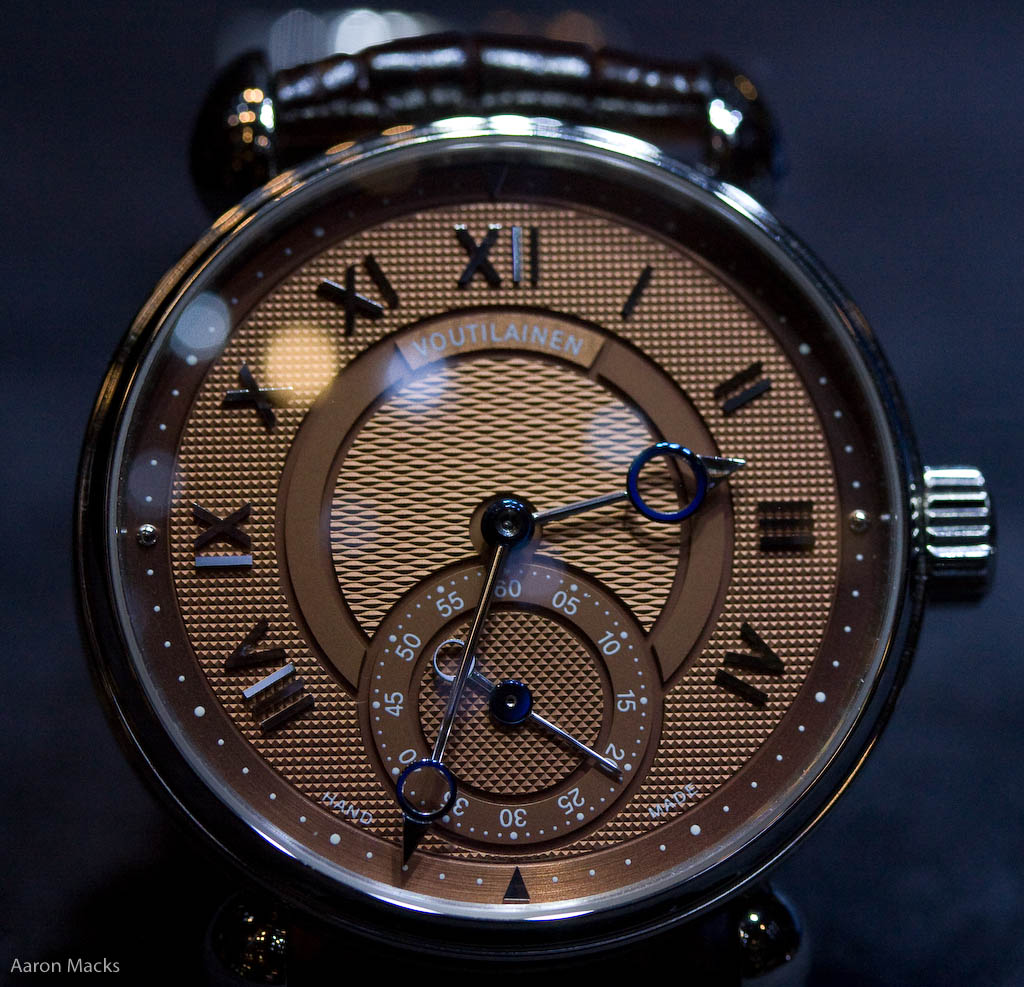
Guilloche patterns....
An excellent recent post by Kong in the Breguet forum alerted us to the fact that Breguet had created a new guilloche pattern for the 2009 Classique model 5967 – they’ve named it the “Art Deco Damier” (see the post here: click here ). How appropriate, really; guilloche was applied as a regular design element by Abraham-Louis Breguet from 1786, elevating ordinary rose engine lathe designs to a simultaneously aesthetic and functional feature of watch manufacture.
How often do you see a new design on a popular piece?
Some of the patterns used in guillochage are time-honoured and well-known (think clous de Paris, barleycorn or flinque, for example); others are sufficiently unique to serve to identify the watch on which they are used.
So, just how many patterns are there? What are they called? We must have most of them between us – enough to start our own little definitive guilloche pattern catalogue thread, perhaps. What have you got? Here’s a couple to kick it off –
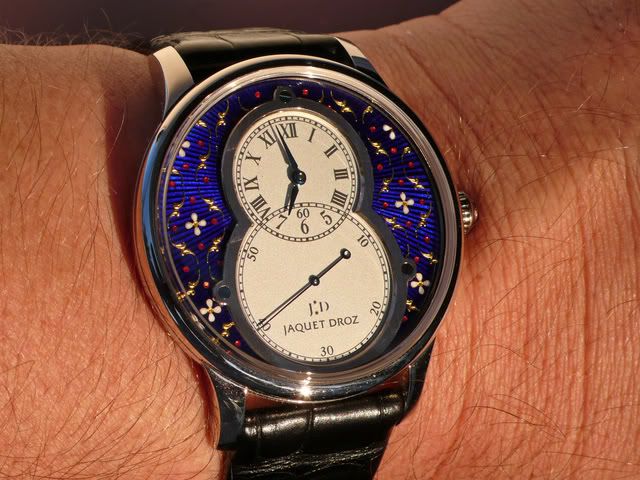
Jaquet Droz sun-ray pattern (admittedly under a few layers of enamel…)
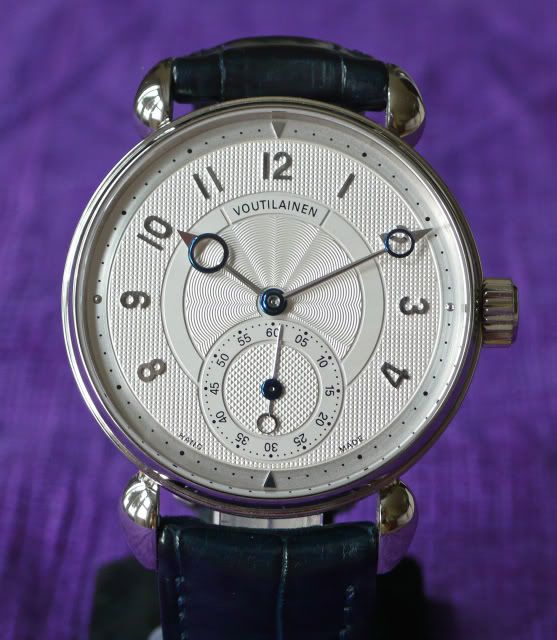
Voutilainen: that central pattern is the flinque pattern (12 segments; radial semi-circles) – ‘hobnail’ on the outer dial and subdial.
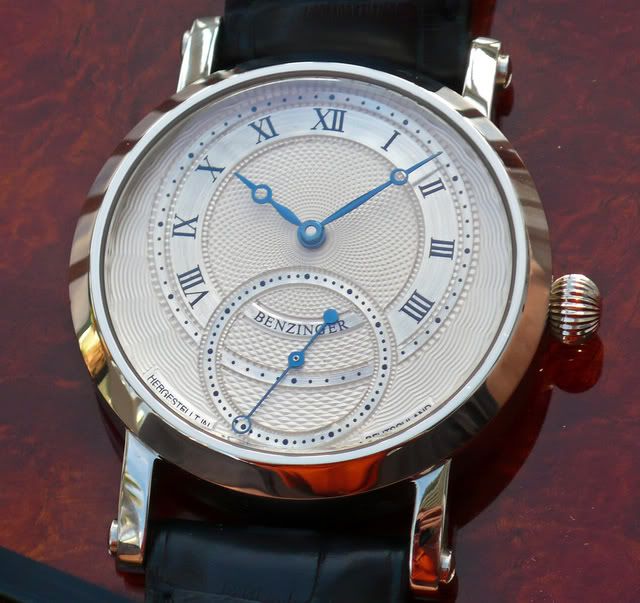
Benzinger (take your pick!):
Looking forward to seeing others….
Cheers,
pplater.


Beautiful dials, pplater.
Sadly, I can't contribute, but I am looking forward to others' contributions.
Best,
Jed

I like this topic...
Guilloche patterns can add so much class to dials (and pens, jewelly etc.)
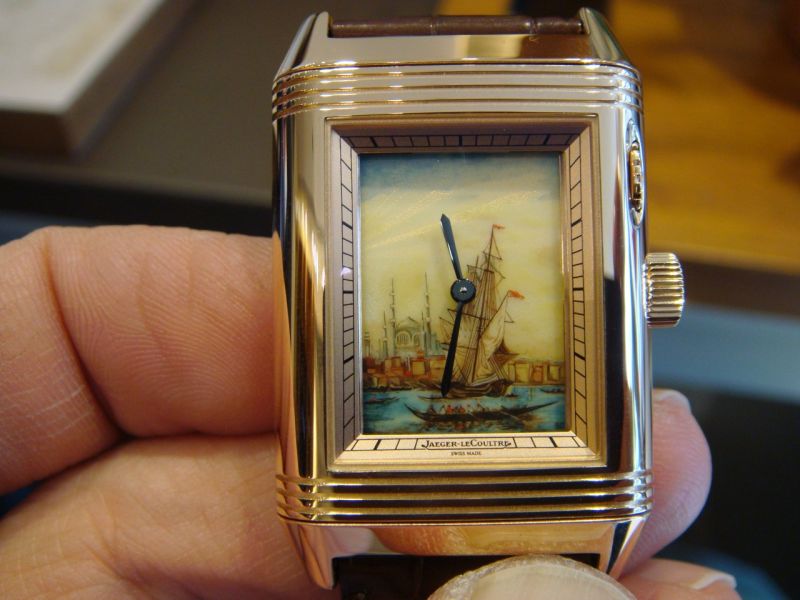
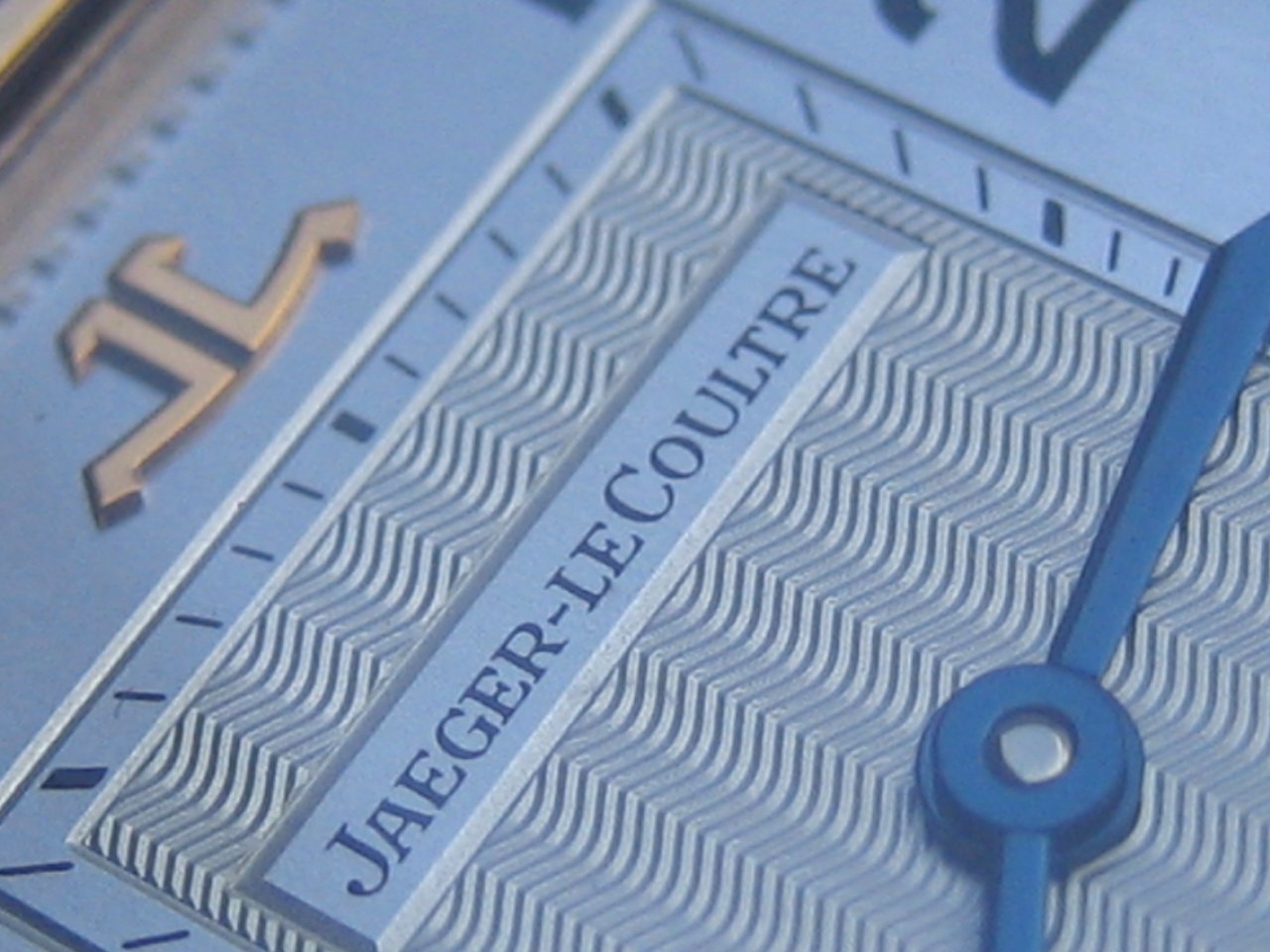
One of my favourites is the JLC Reverso a Eclipses with a sunray guilloche patteren used to illustrate - yes you guessed it - sunrays in an emaille painting. Great example of functional beauty.
I have copied the below picture from a post by Rovermark (hope you don't mind). I would love to see this one live, but as there are only 5 of them, the wait could be long (unless one empathic owner reads this post  )
)
Nikolaj

Hi pplatter.... you are right!
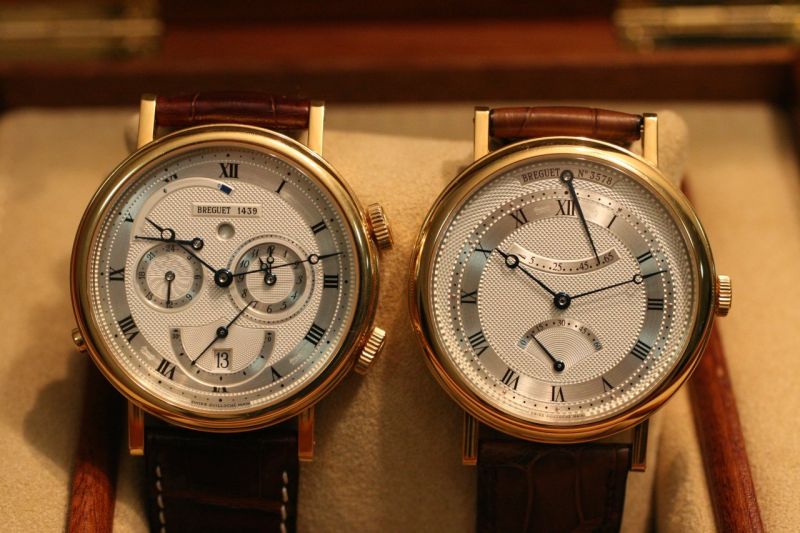
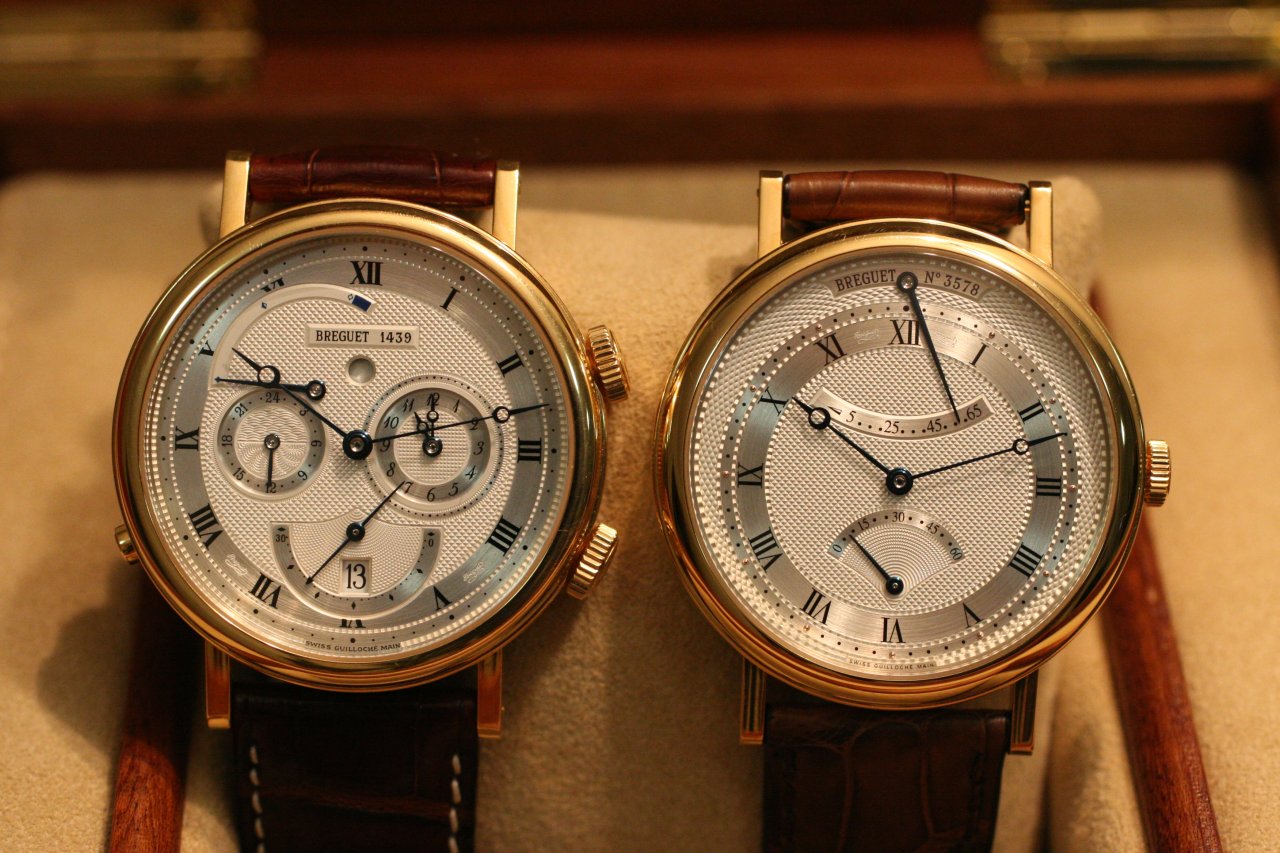
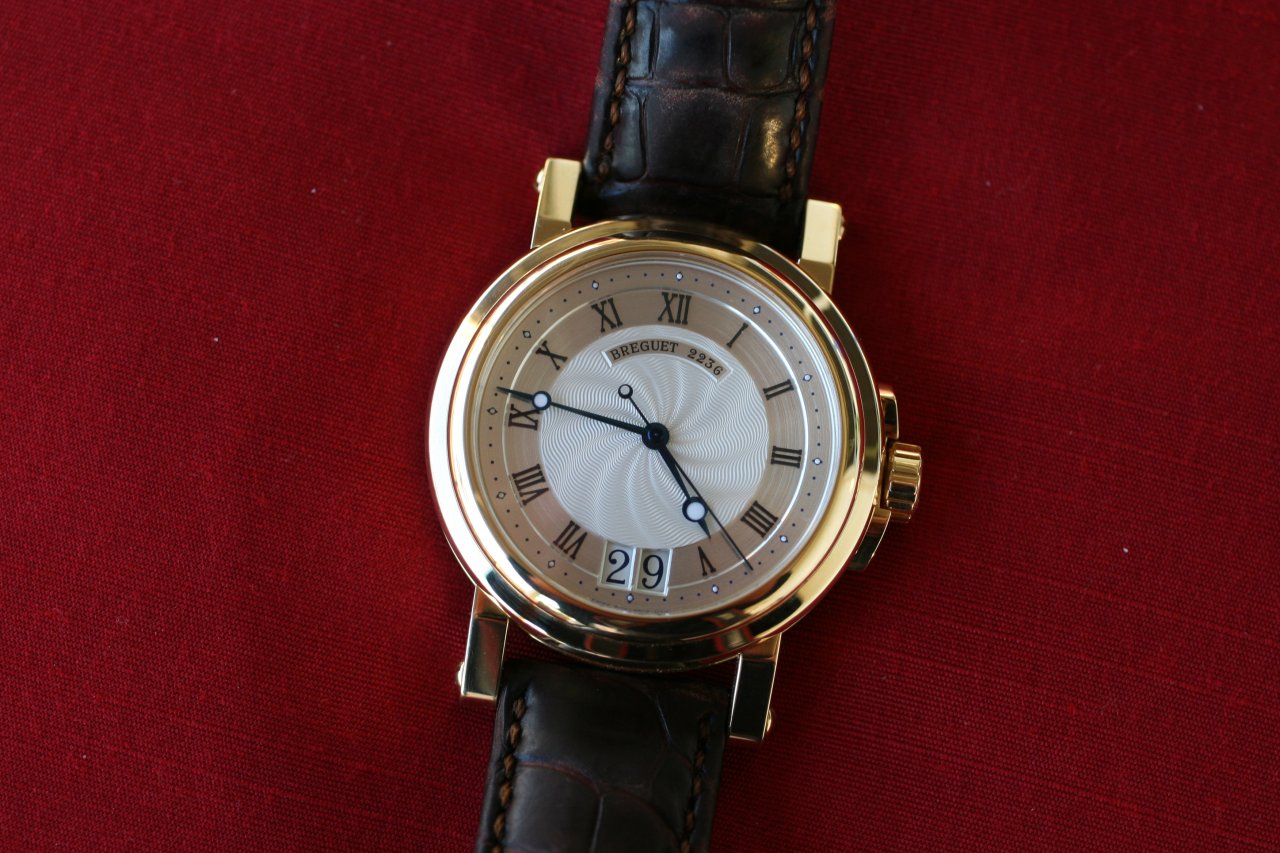
Great stuff Jack...
...the work on those watches pays great respect to the tradition of the guilloche effect and of the house in question. Great taste!
Cheers,
pplater.
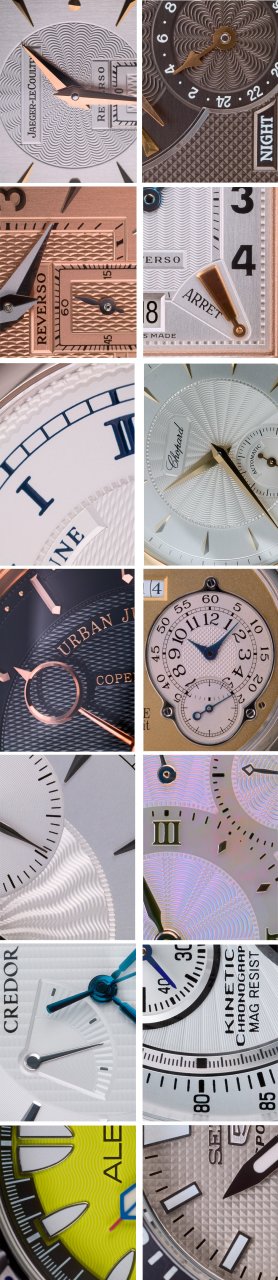
Thanks Steve...
That MOP Lange 1 dial is always mesmerising. For those amongst us too lazy to visit your [seminal] "Watch Launchpad" website, any chance of posting a few more photos of the intricate and difficult guilloche work on that dial?
Cheers,
pplater.
They are not Guilloche...
Hi Steve,
3 of the last 4 are not guilloche... but what I mentioned as stamping.
Although thee photos provide a good comparison of the difference between the real thing and make believe..... especially in the case of the Seiko, which by the way would have to be one of the worlds best watches, with an imitation guilloche dial.
Kindest regards,
Jack.
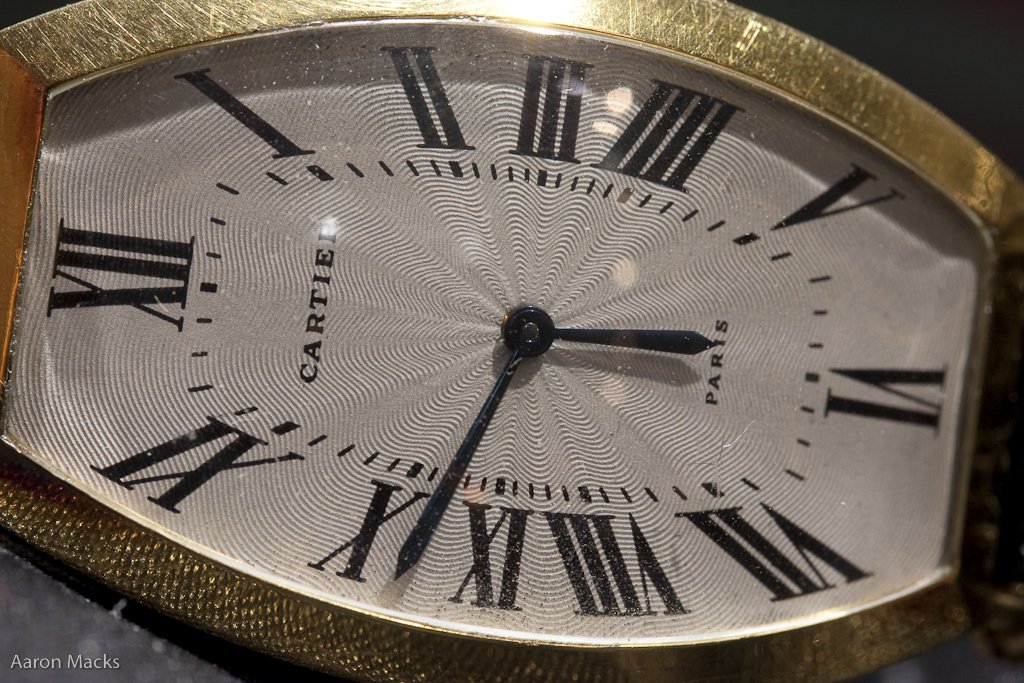
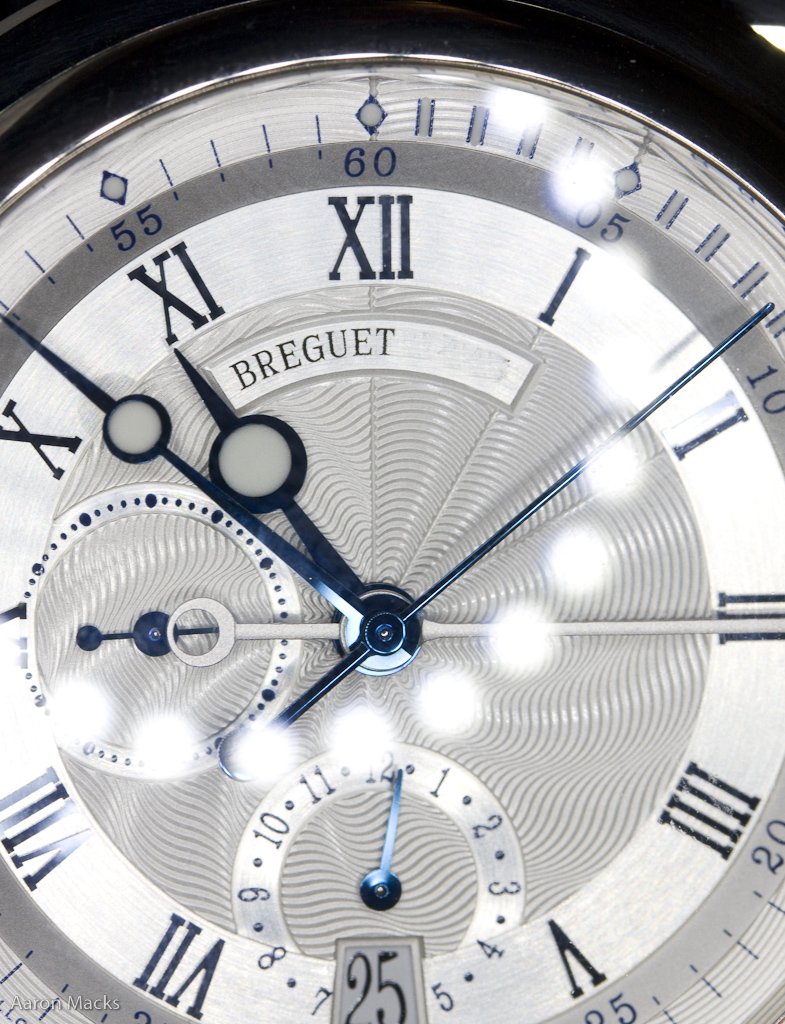
More Breguet
looks like a varient on the flinque pattern, probably trying to be waves
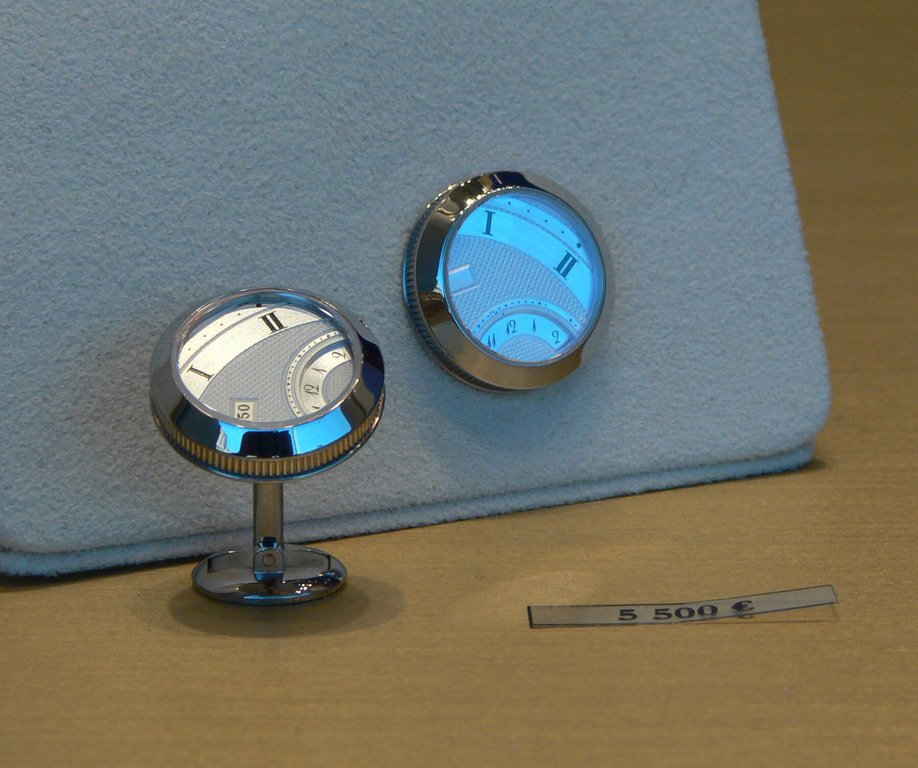
The dial of the Revil du Tsar is also cut-down to make cufflinks
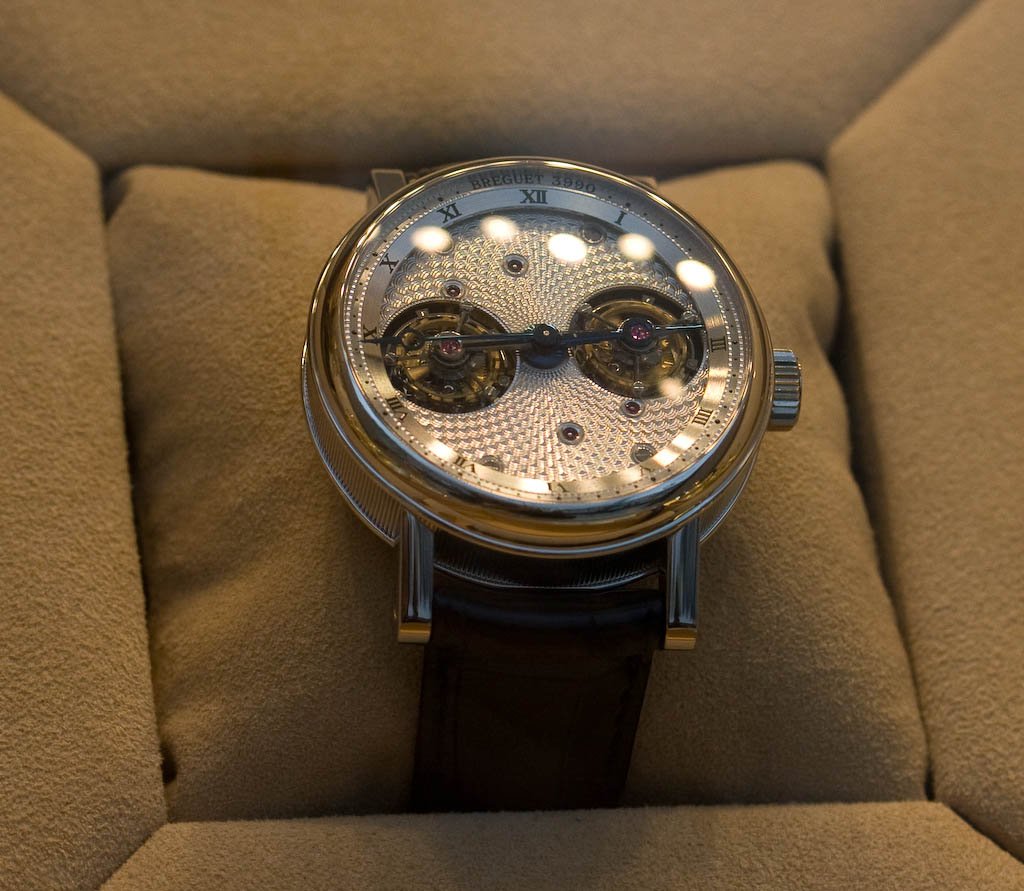
And then there's the Breguet of divisive styling, the dual-tourbillon
Finally I present 2 horrible pictures of engine lathes in windows. First in some random window in Geneva
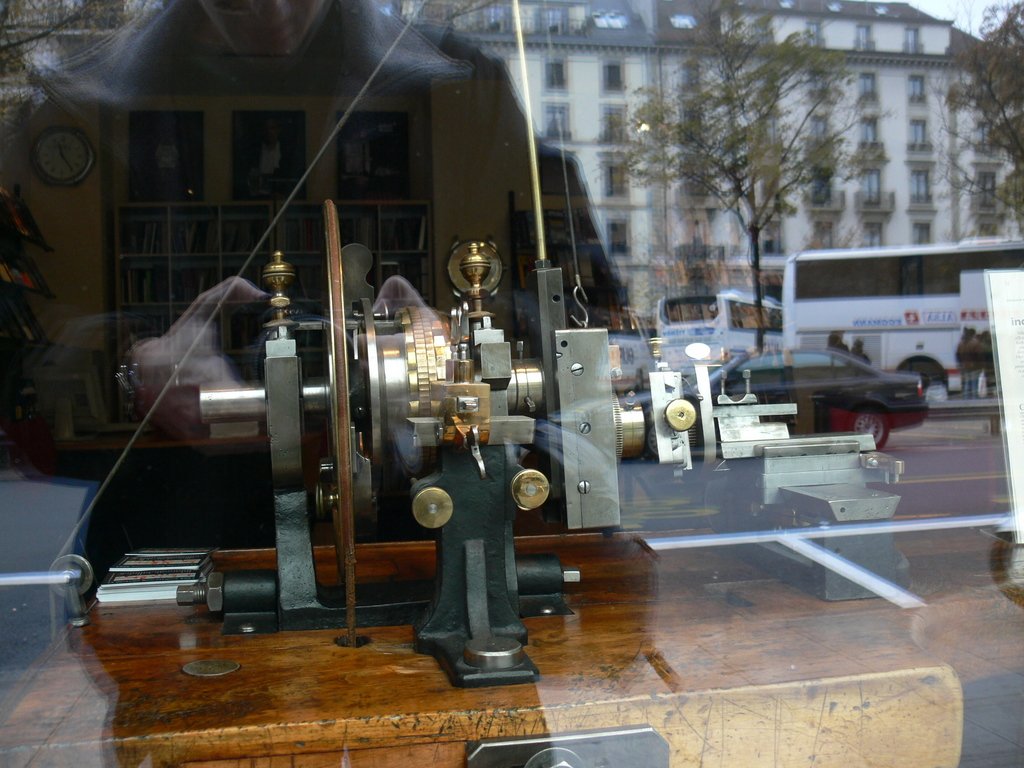
Second in the Breguet Boutique back room in Geneva
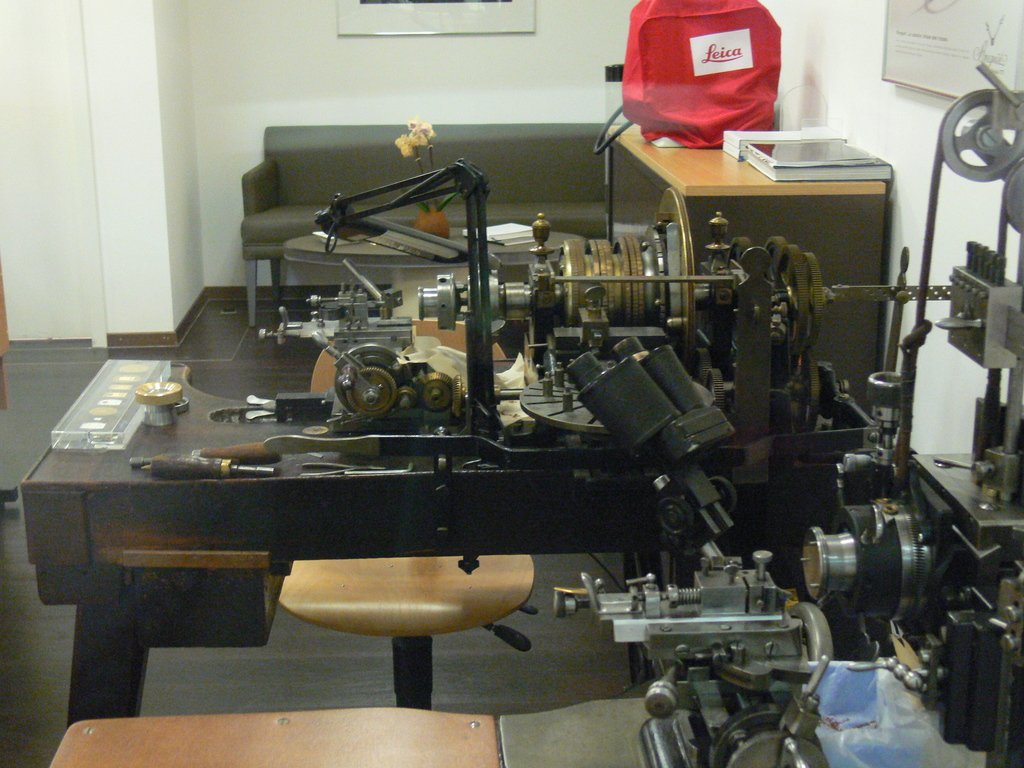
and in the foreground a straight-line engine
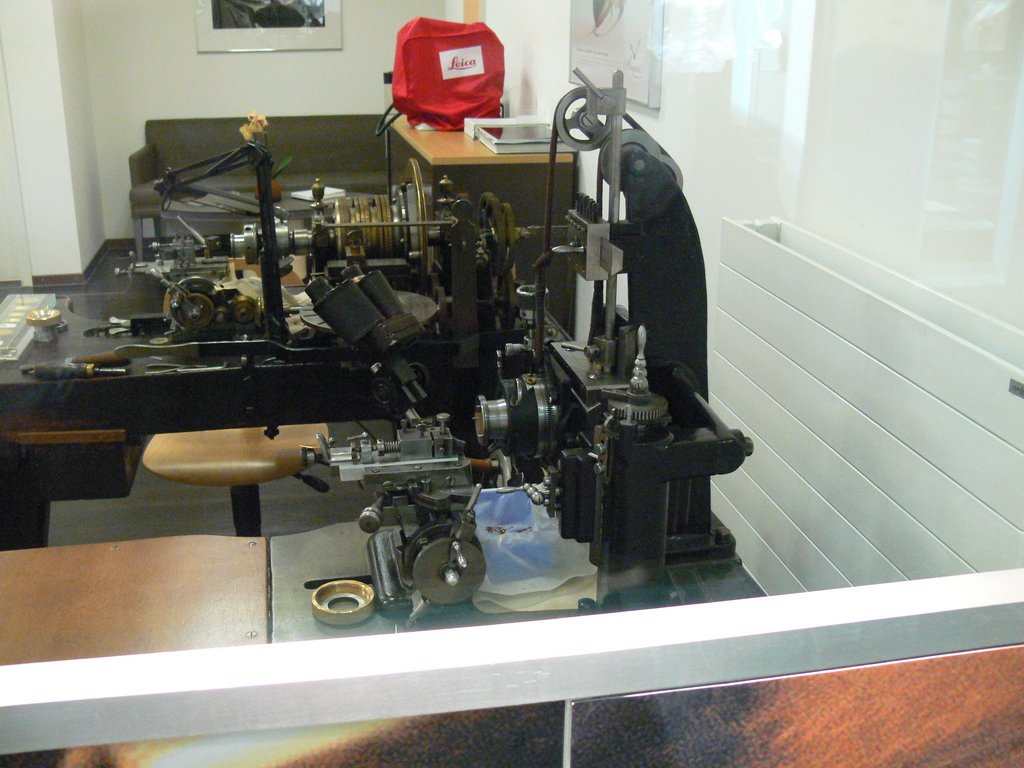
A
Fond memories, Aaron...
...of seeing those cufflinks together in Paris (and trying hard to look casually disinterested when the assistant mentioned the price!!).
What about Chopard? You must have some shots of their guilloche dials somewhere in your vast cache...
Cheers,
pplater.
Chopard and Metalem
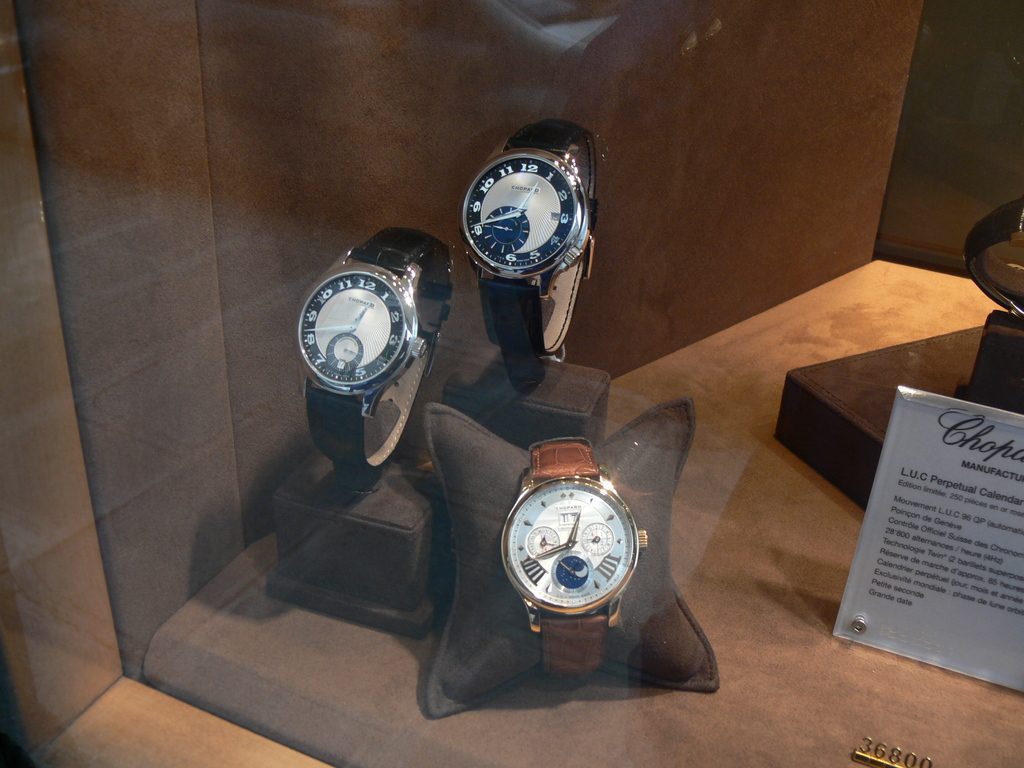
On the other hand, Metalem does their dials I believe, at least the high-end dials, so you can see better pictures of their work elsewhere
A
Ahhh, Metalem...
...how could we ignore this work? -
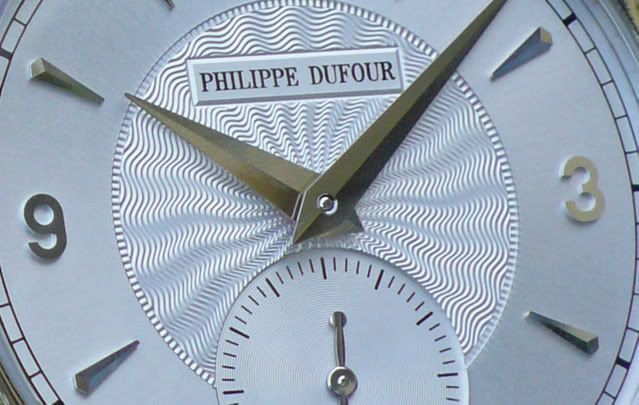
Again, though, the definitive photos of this watch are to be found on SteveG's site.
Cheers,
pplater.
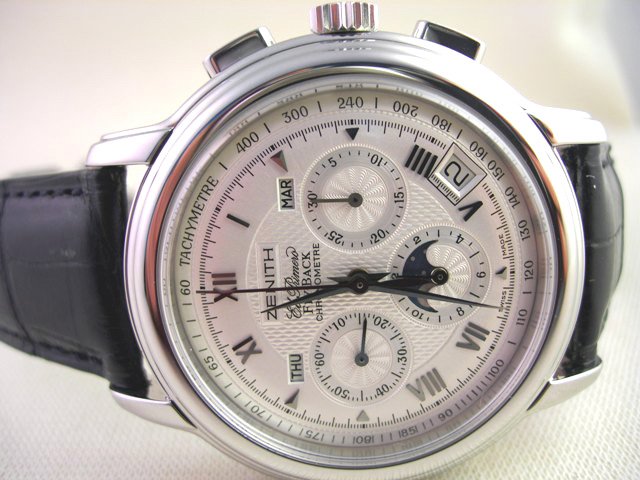
Here are a Couple: Chopard and Zenith
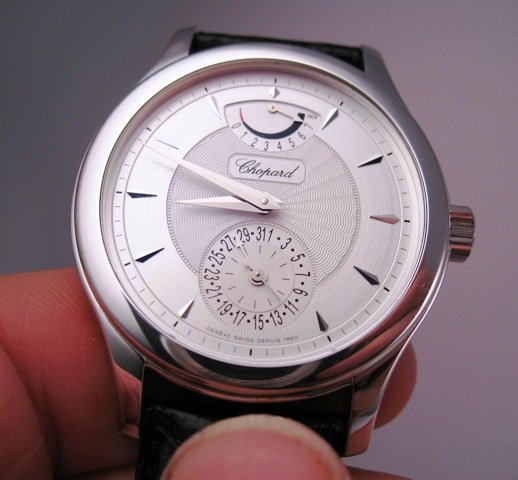
Zenith GT Flyback

Here are a couple, though I don't know the terms to describe them
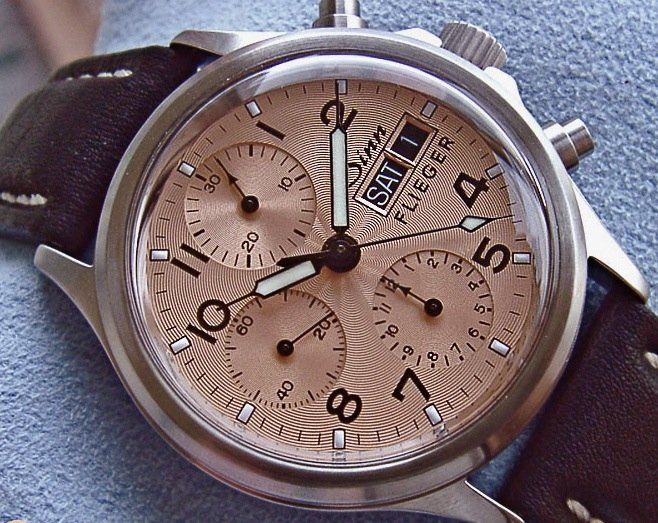
Copper RGM
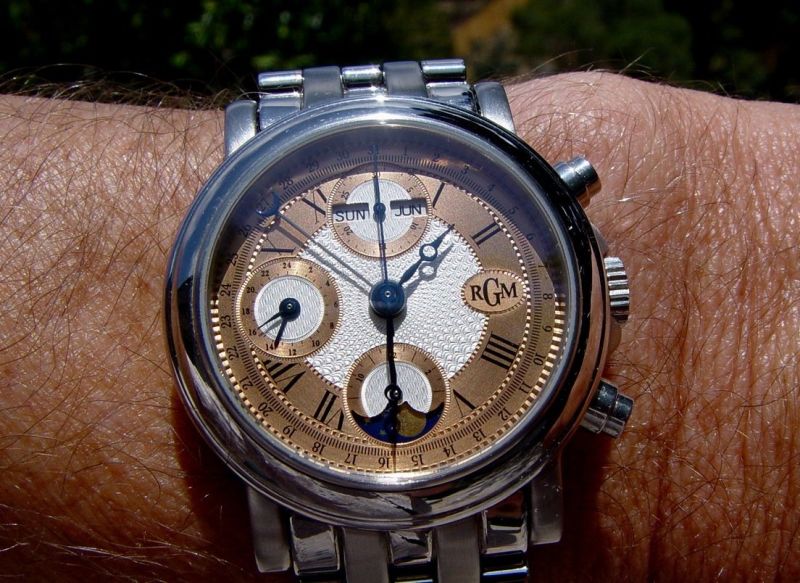
Gerber
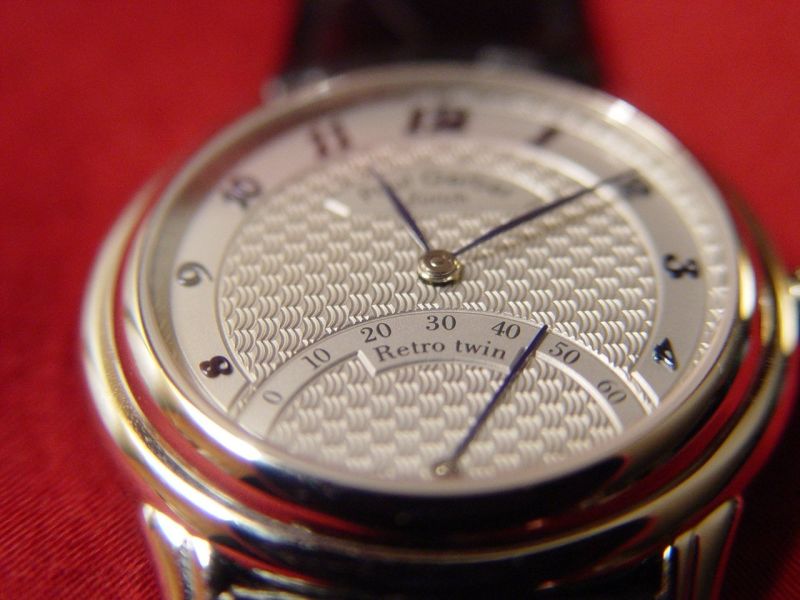
Goldpfeil
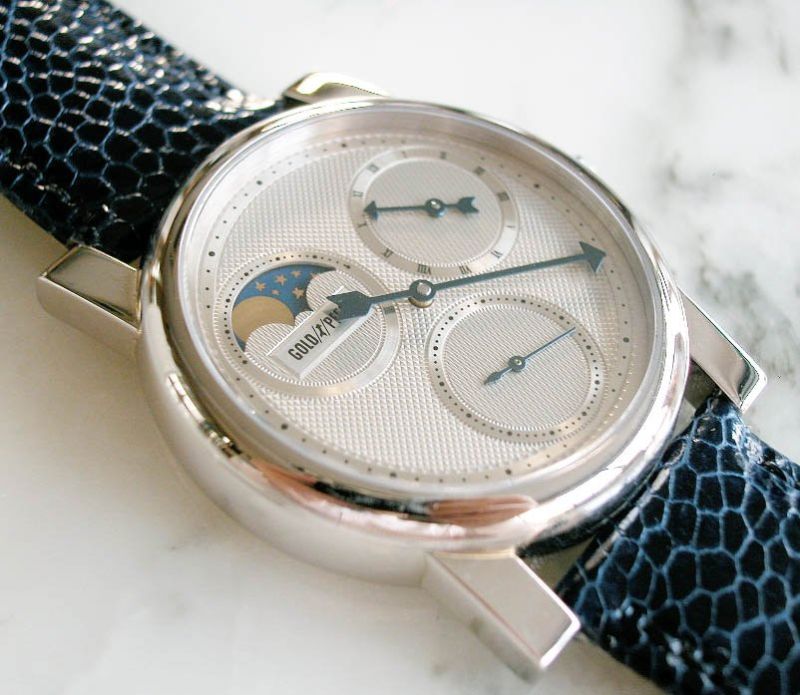
This message has been edited by cazalea on 2009-08-25 14:55:31
Whose is the work...
...on the Goldpfeil, Mike? Was it Frank Jutzi's own effort or was it outsourced? Interested parties need to know! ;-)
Cheers,
pplater.
I wish I could say; no telling
But there is of course usually a watch or two ahead of this one on my wish list!

Another pattern "invented" a few years ago
by Thomas Prescher using the golden mean principle.
Completely done by hand and found only on his tourbillon series, he called it "guilloche triangulaire"
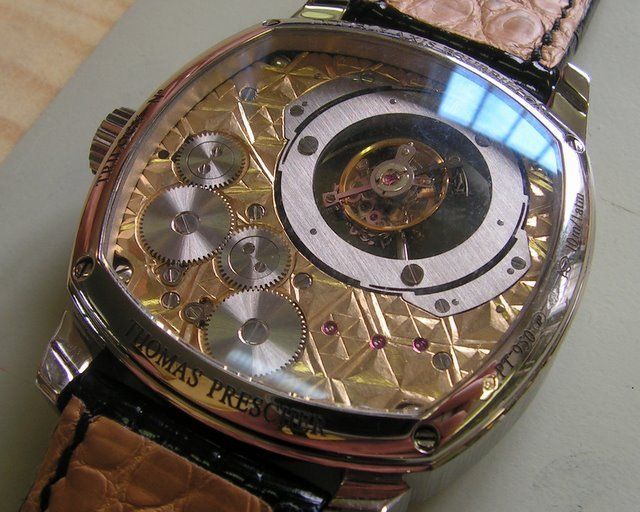
Cheers, Mike
I don't think that qualifies...
A
Controversial!...
(Especially if you are right - as is likely the case!). Any [other] experts able to weigh in on the point of difference?
Cheers,
pplater.
Eeek, a review of my notes show that TP actually was referring to the
pattern on the dial as guilloche triangulair based on the use of the equilateral trangle as the basic cell structure.
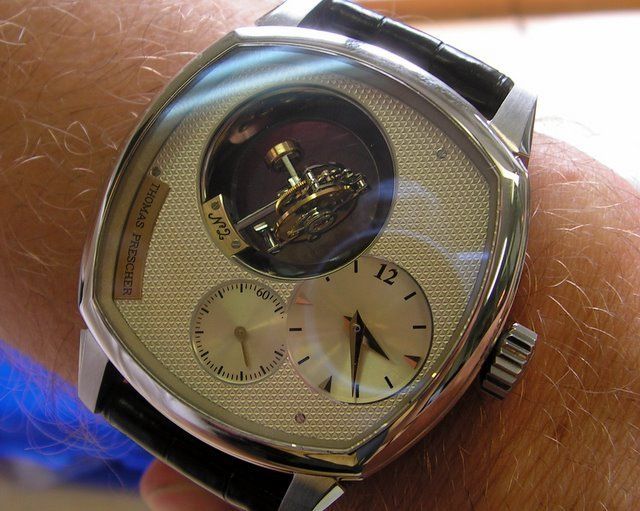
The movement decoration as shown in the previous post is hand engraved and the pattern is based on the triangular pattern of the dial repeated three times in slightly different variations.
Sorry of the confusion. The guilloche triangulair is still unique though.
Thanks for the clarification Aaron although I am not sure that the definition restricts the repetitive pattern to be made strictly via a turning machine.
Best, Mike

From my woodworking days...
...not that there were very many of them...Guilloche referred to the spiral-like patterns created by a rose lathe. Not unlike those patterns you made as a child with a compass. So "straight-line" guilloche would seem to be a contradition, engine-turned or not.
So any mesh-like or hand-engraved (no matter how repetitive the pattern) or stamped or knurled other linear pattern doesn't fall under this banner.
But that's wood-work....
definition from the fondation de la haute horlogerie
glossary
Engine-turning (Guilloché)
(In French: guillochage )
A style of hand or machine engraving with intersecting wavy or straight lines. When the piece is moved horizontally or vertically against the tool, the finished effect is guilloché, compared with flinqué or flinking which follows a radial movement.
Best, Mike
That's an odd definition indeed
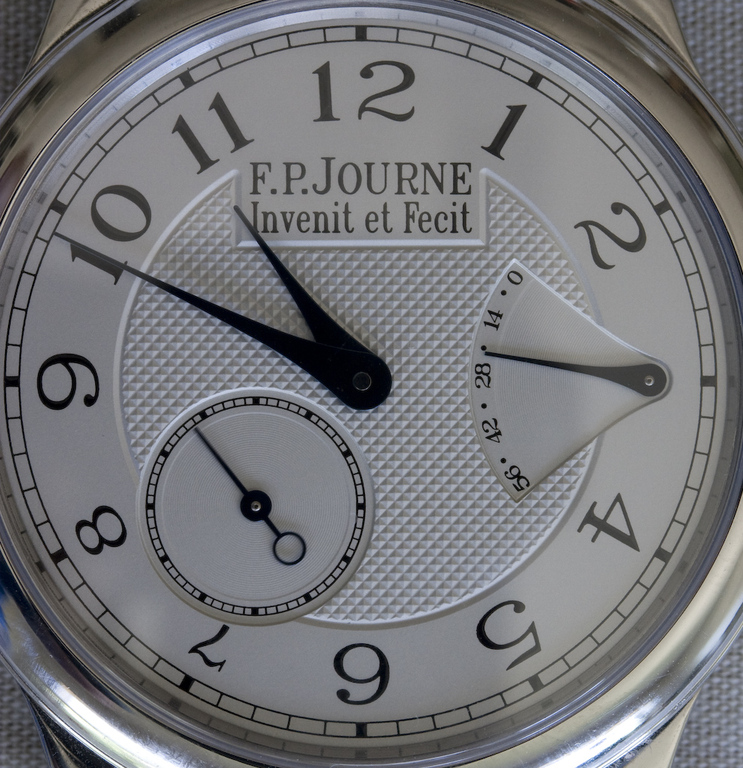
and this is not

(from RGM)
A
A fantastic reference
The more how-to technical reference
www.pledge.co.uk
The overall "everything you ever wanted to know"
www.pledge.co.uk
That reference is excellent.
Will definitely be doing some reading.
I agree with your earlier post with the 2 dials as comparison. Straight lines are just that, no matter how one meshes or intersects them. Guilloche requires a Rose lathe, have fun getting a straight line from a rosette...