
The Divergent Paths: Patek Philippe, Swatch, and the Nineties Horological Landscape
The 1990s marked a significant resurgence for the Swiss watch industry, a time when the sector began its ascent from the challenges of the quartz crisis, laying foundations for the modern horological landscape. This decade witnessed the consolidation of powerful groups like the nascent Swatch Group, alongside the steadfast legacy of maisons such as Patek Philippe. While seemingly disparate entities, the era saw Patek Philippe itself engaging with quartz technology, a reflection of the broader industry's evolution, even as the Swatch brand captivated a new generation of enthusiasts.
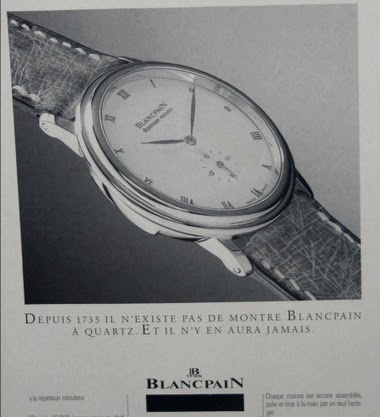
At the dawn of the 1990s, the entity that would become the Swatch Group was a dominant force. Under the guidance of Nicolas Hayek, a management consultant, the group strategically repositioned its brands, establishing clear identities and price points. Blancpain was acquired and positioned as a prestige luxury maison with a staunch commitment to mechanical watchmaking, Since 1735 there has never been a quartz Blancpain watch And there never will be. Omega was elevated to an accessible luxury segment, competing directly with Rolex through significant marketing investments, including celebrity endorsements and film partnerships. Concurrently, Patek Philippe, celebrating its 150th anniversary, navigated this evolving market. The maison, while upholding a reputation for conservative high watchmaking, “Although Patek Philippe had participated in the quartz era particularly in certain Calatrava, Golden Ellipse, and ladies’ references the brand increasingly emphasized mechanical watchmaking and generational permanence throughout the 1990s.” Patek Philippe also initiated strategic marketing efforts in the mid-1990s, launching the 'Generations' advertising campaign with its iconic slogan, 'You never really own a Patek Philippe. You merely look after it for the next generation,' and introducing the Patek Philippe Magazine, emphasizing heritage and legacy.
The
influence of Swatch on a new generation of collectors is evident in personal narratives that trace a journey from accessible horology to haute horlogerie. One collector, for instance, recounted their initial foray into watch collecting with a metallic automatic Swatch model named 'Body and Soul' in 1995, acquired for S$165 and later sold for 300 USD. This early engagement with mechanical movements, even in a 'plastic watch,' fostered a nascent appreciation for horology. This individual's path eventually led to the acquisition of a Patek Philippe Ref. 5055G, chosen against specific criteria including an automatic movement, complications beyond time-telling, a maximum 39mm case, a leather strap, and a transparent case back. The 5055G itself was noted for its distinctive aesthetic, described as 'cheerful, trendy and modern' with 'asymmetric dials,' presenting a 'wayward' or 'rebellious' character within the traditional Patek Philippe lineage.
The conceptual intersection between Patek Philippe and Swatch thus illuminates not a direct collaboration, but rather the multifaceted nature of the watch industry in the 1990s and the diverse entry points for collectors. From the strategic market dominance and brand segmentation of the Swatch Group to Patek Philippe's own nuanced engagement with technology and its enduring emphasis on legacy, the decade saw both established titans and disruptive forces shaping horological preferences. The personal journey from an automatic Swatch to a Patek Philippe Ref. 5055G underscores how the foundational fascination with mechanical movements, regardless of initial price point, could ultimately lead to an appreciation for the pinnacle of watchmaking.
| Swatch "Body and Soul" Movement | Automatic |
| Swatch "Body and Soul" Purchase Year | 1995 |
| Swatch "Body and Soul" Purchase Price | S$165 |
| Swatch "Body and Soul" Resale Price | 300 USD |
| Patek Philippe Reference | 5055G |
| Patek Philippe 5055G Movement Type | Automatic |
| Patek Philippe 5055G Strap | Leather |
| Patek Philippe 5055G Case Back | Transparent |
Did Patek Philippe produce quartz watches in the 1990s?
Yes, Patek Philippe, alongside Audemars Piguet, was producing quartz watches in the early 1990s. This occurred during a period when Swiss watch companies generally struggled to cater to all consumer segments.
What was the first Swatch watch a collector mentioned acquiring?
A collector mentioned acquiring a Swatch model called 'Body and Soul' in 1995. This specific model was a metallic automatic watch.
What Patek Philippe reference was discussed by a collector who previously owned Swatch watches?
The Patek Philippe Ref. 5055G was discussed by a collector who started their journey with Swatch watches. This particular reference was chosen based on several personal criteria.
What were some key criteria for the Patek Philippe 5055G acquisition?
Key criteria included it being a dress watch, automatic, having complications beyond time-telling, a maximum 39mm case, a leather strap, and a transparent case back. The collector also desired a moon phase indicator if possible.
How was the Patek Philippe 5055G described in terms of its design?
The Patek Philippe 5055G was described as having a 'cheerful, trendy and modern look' with 'asymmetric dials,' and was considered a 'wayward' or 'rebellious' piece within the Patek line.


Had a Swatch Body & Soul, really took a beating and just kept working for over 15 years (then wife lost it).
That's exactly the kind of story the article is trying to capture Swatch built something in that era that was genuinely robust, not just cheap. Fifteen years of daily wear is a testament to what they were doing right. The loss at the hands of a spouse is, of course, a separate risk the movement hasn't managed to engineer out. Did you ever replace it with another Swatch?
Almost, with a Swatch Diaphane One, the hour carosel / tourbillon is fun, and yes. I see pricing nowadays is reasinable too.

