BetterIn Louis Zukofsky’s roman à clef “Little,” real-life violinist and teacher Ivan Galamian is given the fictional last name “Betur” because, as Paul Zukofsky writes in the notes to the story, “better was (quite properly) the highest word of praise that he knew.” While it may be belittling to a student never to hear from his teacher that his playing is good, it does impart the lesson that while there is no perfecting a piece of art, a work can always be improved.
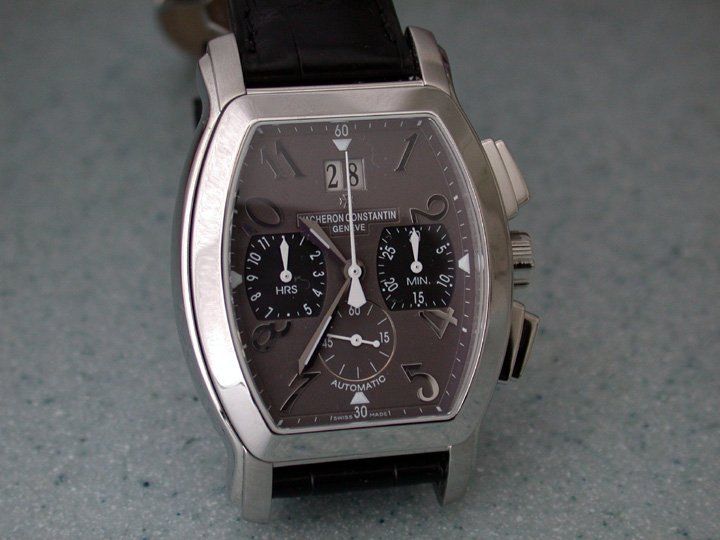
So it is with Vacheron Constantin and the Malte Tonneau Chronograph. In 2008 Vacheron Constantin presented an updated version of the watch that traces its origin to the birth of the Royal Eagle line in 2001. That year, Vacheron Constantin released two different watches based on F. Piguet calibers in cases inspired by the Malte Tourbillon that Vacheron Constantin had introduced in 2000 to great fanfare. The first was the Day-Date Chronometer, a COSC-certified chronometer indicating the day and date in two subdials, in either white or yellow gold. The second was a Chronograph with large date, based on the Piguet 1185 chronograph caliber, which Vacheron Constantin designates the 1137. This watch was offered only in stainless steel, with either a leather strap or a bracelet.
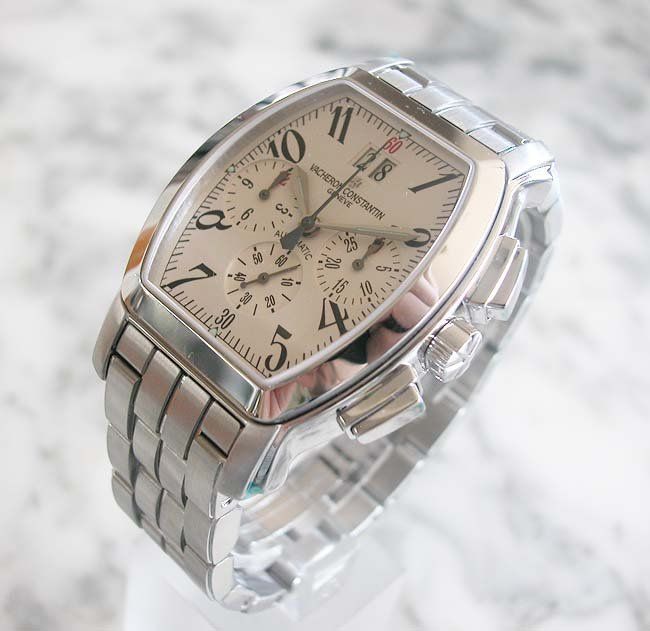
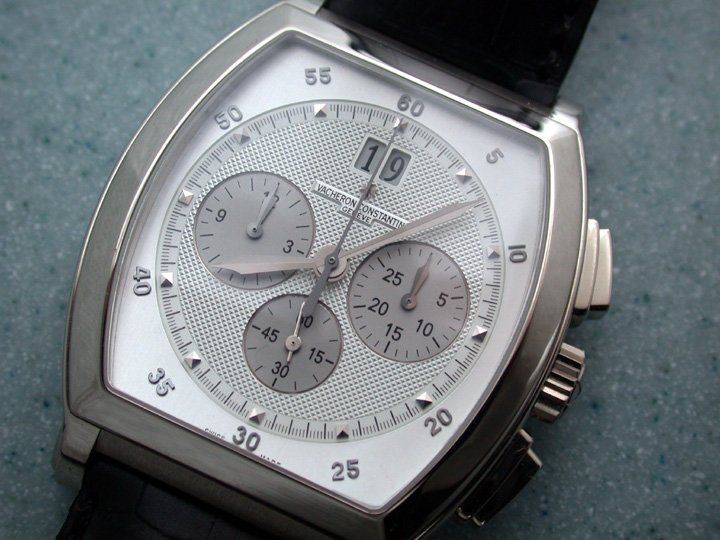
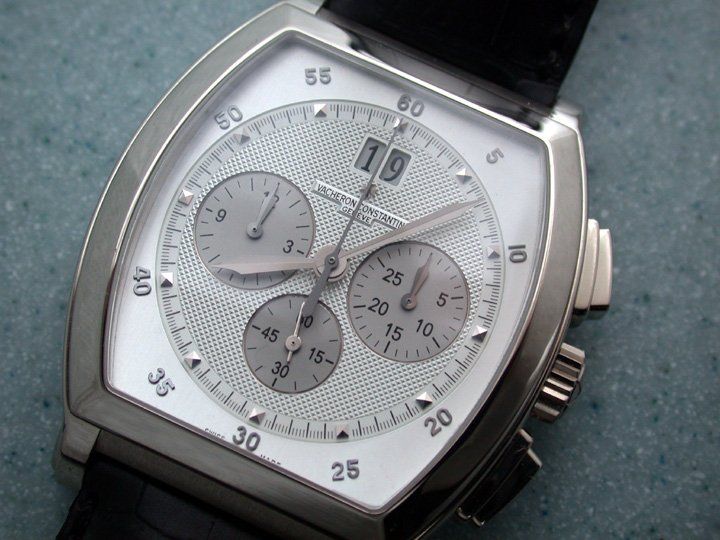
In 2003 the Royal Eagle was given a facelift, with the chronograph totalizer subdials now echoing the tonneau shape of the case, and also being offered in a rose gold case with silvered guilloché dial, which tilted the character of the watch away from its sporty origin to a more dressy function. The hour markers were now applied, rather than printed:
Vacheron Constantin, however, had confused the marketplace by using the same basic case and hand designs in the Royal Eagle line as it did in the Malte Tonneau Tourbillon. In 2007, the brand quietly retired the Royal Eagle name and began marketing the watch under the Malte Tonneau label, which now consists of the Malte Tonneau Tourbillon, the Malte Tonneau Tourbillon Regulator, the Malte Tonneau Dual Time, and the Malte Tonneau Chronograph.
The Malte Tonneau ChronographThe Quai de l’Ile launch at SIHH in April, 2008 ensured that any other novelties were going to get lost in the noise generated by that impressive and surprising line. While the update to the Malte Tonneau Chronograph was on display at the Geneva show, it was not officially announced until the autumn.
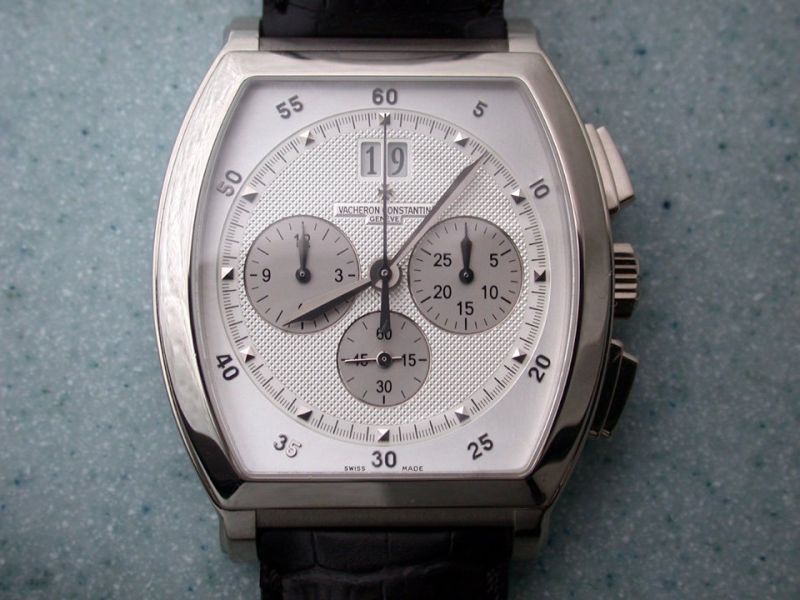
Updates tend not to generate the same level of buzz as truly new pieces, but that doesn’t mean that there haven’t been significant changes, as is the case with the new Malte Tonneau Chronograph. With this watch Vacheron Constantin has continued to commit itself to providing the large watches that the marketplace is demanding. The firm has positioned the watch further upmarket in only offering it in white or rose gold and by converting the “sporty” design details into “dress” details.
The new watch carries the reference number 49180. The old reference 49145 is being discontinued.
CaseVacheron Constantin significantly expanded the dimensions of its Malte Tonneau case with the introduction of its Excellence Platine Malte Tourbillon Regulator in 2007. The new Malte Tonneau Chronograph shares the changes initiated by that watch, increasing the case dimensions to a hefty 40mm x 50mm(excluding lugs), up from 36 mm x 39.90 mm in the reference 49145. The height of the case is 12.85 mm, surprisingly down from the 13.05 mm of the previous model.
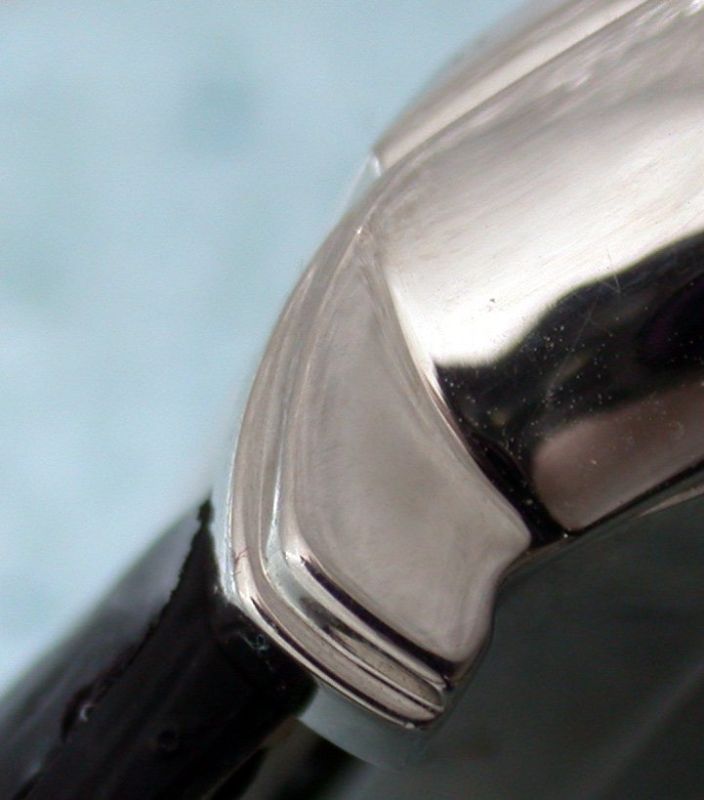
The modifications go beyond the dimensions. The length, flare, and step of the lugs, essential characteristics of the Malte series, are all less pronounced on this watch in comparison to the previous version, giving the watch a “quieter” feel:
The width between the lugs is now 22 mm, up from 19 mm. The strap width as a proportion of case width is increased from the previous version of the watch. This makes for good balance on the wrist despite the extra weight of the gold case over the steel.
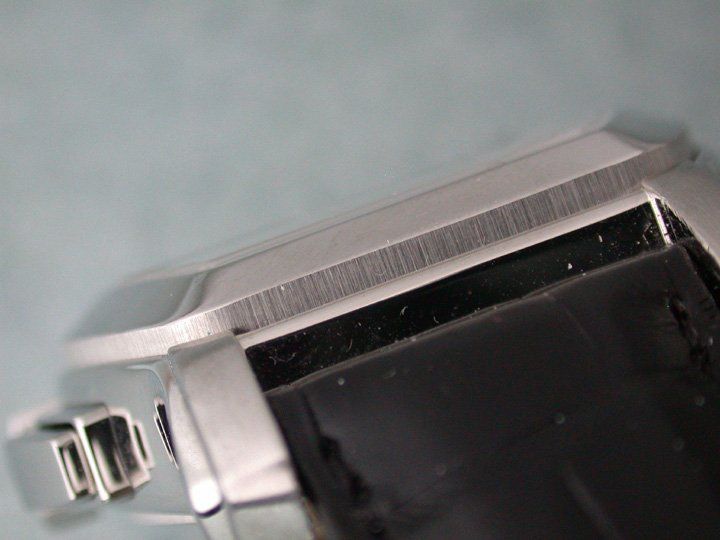
The original Royal Eagle had a small section of brush finished steel in an otherwise totally polished case:
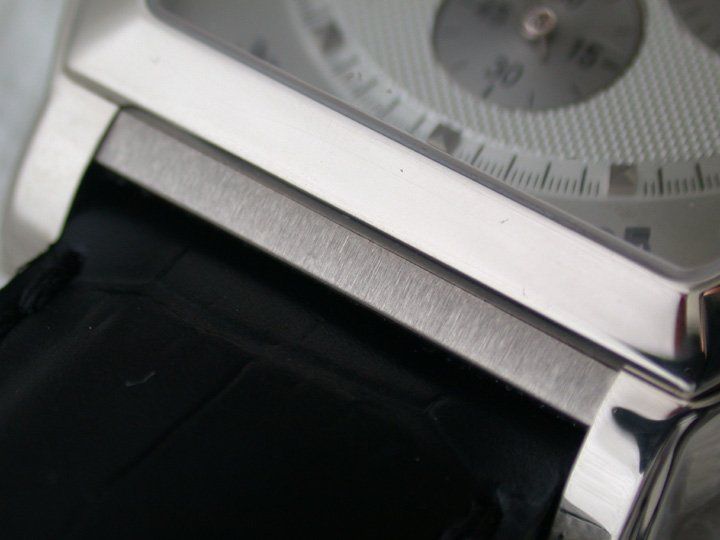
So too is the Malte Tonneau Chronograph totally polished but for a small section between the bezel and the strap:
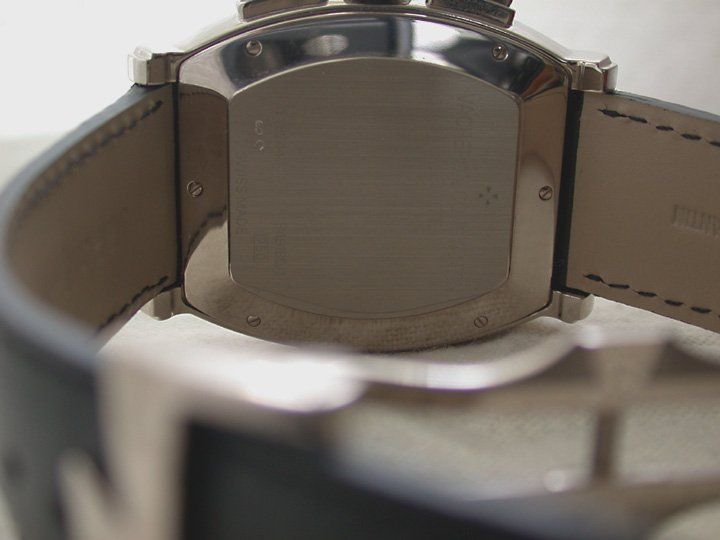
The solid case back is screwed down and offers 3 bar (30 Meter) water resistance. There is plenty of room for an engraving.
The bezel appears less wide due to the expanded case dimensions, and is less high than in the previous generation of the Malte Tonneau. This brings the eyes focus to where this watch really shines: the dial.
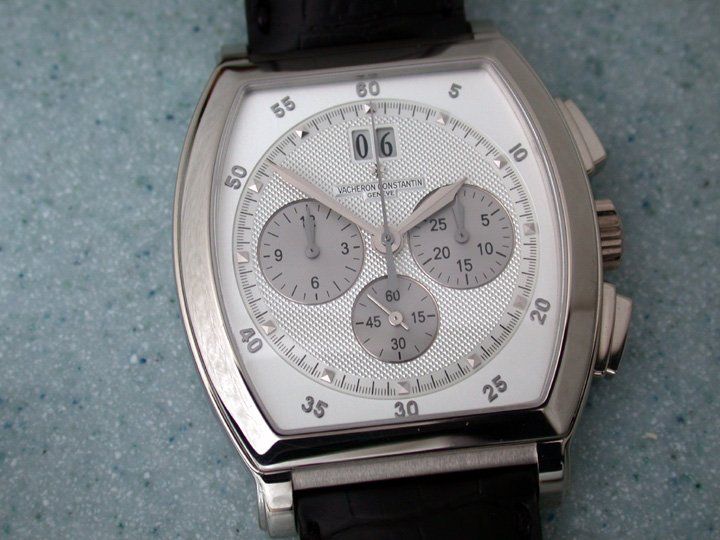
DialAll the non-skeleton models in the Malte Tonneau collection have an attractive mix of textured and flat sectors to the dial. So it is with the Malte Tonneau Chronograph. A big challenge in increasing the case size while using the same movement is how to account for the extra surface area of the dial. The designers came up with a very clever solution that to this writer’s eyes take inspiration from a historical piece of Vacheron Constantin:
This vintage triple date “cioccolatone” takes the elements of a round dial and places them into a square space. The Malte Tonneau Chronograph takes a similar course, and it works quite successfully.
(I had never been a fan of form watches because I never like how the hands are of variable distance from the hour and minute markers. This solution is one that is very pleasing to my eyes)
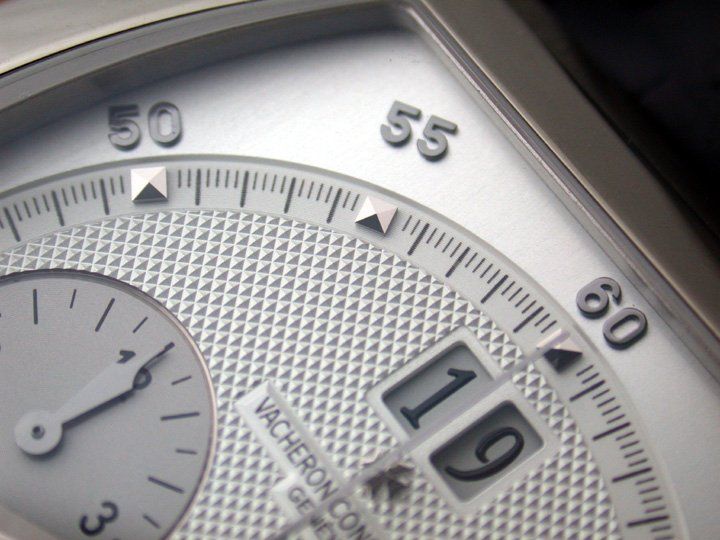
The dial is made out of gold, and then silvered. The “Clos de Paris” guilloché is hand made:
The flat area of the dial are satin-finished vertically:
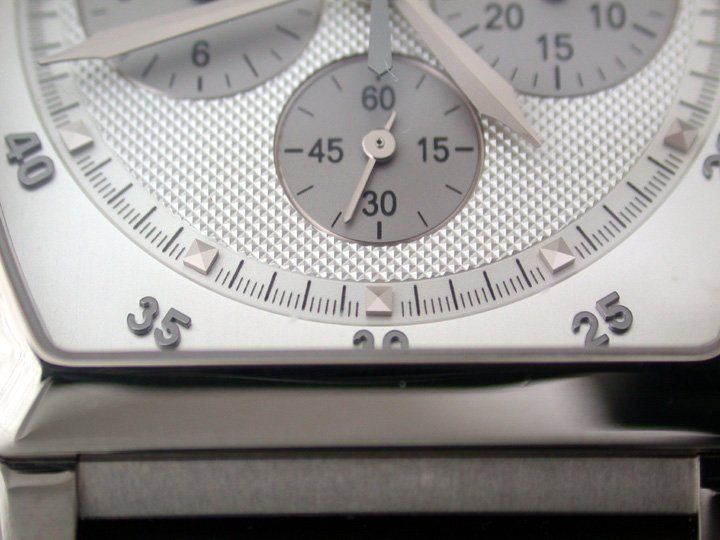
The subdial and minute track are both “snailed,” but the latter is also transferred (“painted”), giving it a slightly different finish from the former.
The subdials have a ring of gold filling the boundary between the two layers of the dial. This is subtle on the white gold model (while being more pronounced on the rose gold). The applied pyramid markers and numbers are also made of gold:
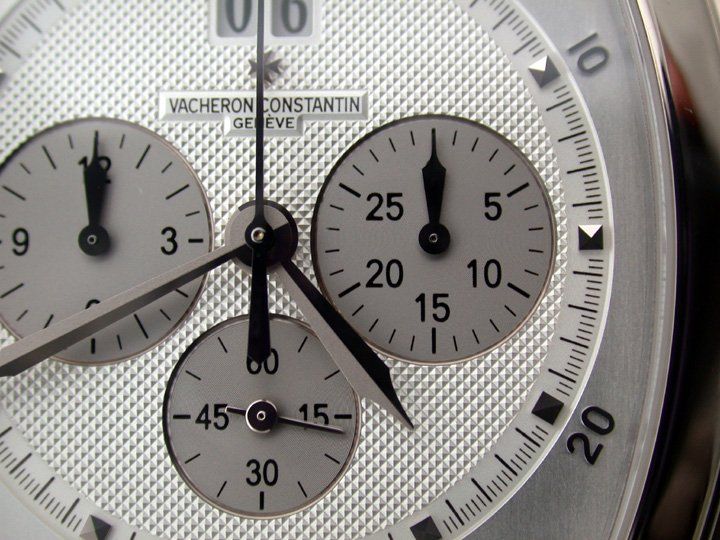
The gold hands differ from the original Malte-style sword hands, taking the form of the “éventail” hands that were used in the 250th anniversary collection. These hands are half-polished, half-frosted, giving them excellent legibility from whatever angle they are viewed. This new style of hands will continue to be implemented in future Malte watches. Consistent with the more upscale, dress, character of the watch, there is no luminous material applied to the hands or dial.
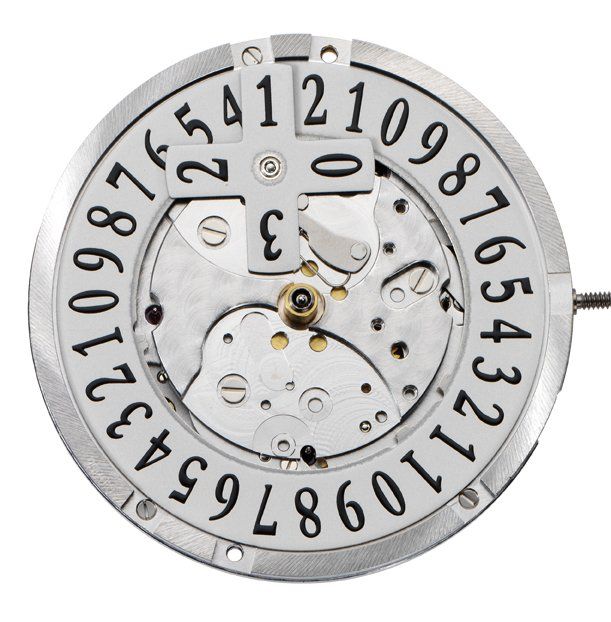
Note the zero in the single digit day window. This is a change from how Vacheron Constantin originally displayed large dates, where the left window was left blank for the single-digit dates. This move from an “analog” display to a “digital” one occurred in 2004.
Though the entire gold dial is silvered it gives off the appearance of having four different hues due to the varying finishes applied. This could be distracting and appear over designed but for the fact that the changes are at functional places: The subdials for reading the chronograph totalizers; the guilloché over which the hour, minute, and chronograph hands move; the minute track; and the flat space where the applied minute markers sit.
Despite all the design elements at play the dial of this watch feels much less busy than the older generations of this watch. Replacing the large applied hour indices with pyramid markers (which echo the guilloché pattern) makes for a more relaxed feel. I applaud the choice not to write “HRS” and “MIN,” in the totalizer subdials. The same for “Automatic.” The owner doesn’t need that information and it makes the dial appear cluttered.
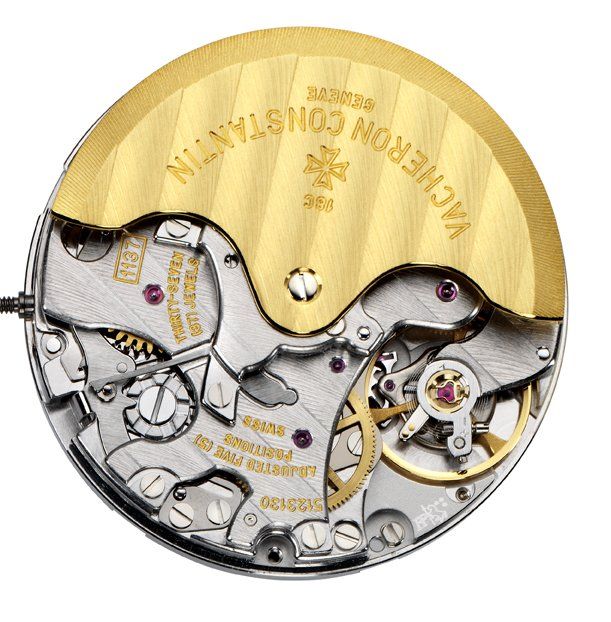
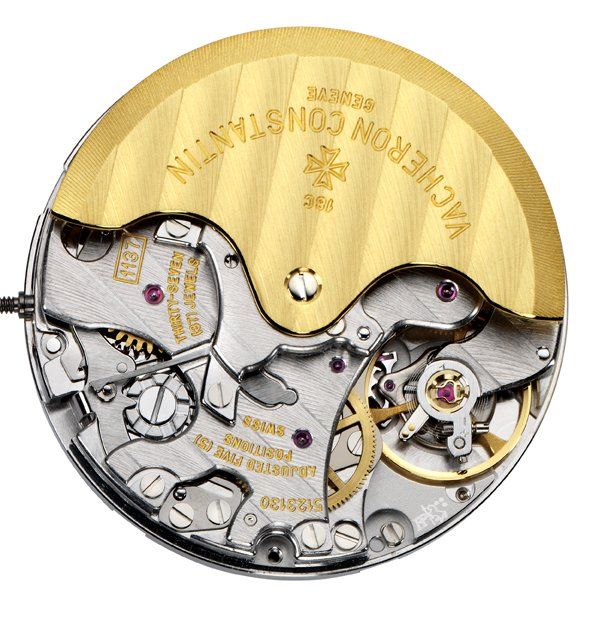
MovementVacheron Constantin has been using F Piguet’s 1185 movement for two decades now. At first it was designated caliber 1136, and used in several watch lines. With the introduction of the Overseas Chronograph in 1998, Vacheron Constantin modified the caliber to support a large date display, a change that merited a new caliber number, 1137. It is this caliber that powers the Malte Tonneau Chronograph.
The movement beats of 21,600 vibrations per hour and has a power reserve of 40 hours. Automatic unidirectional winding is supplied by a solid gold rotor:
The vertical clutch of the chronograph engagement mechanism ensures a smooth start to the flow of the chronograph second hand.
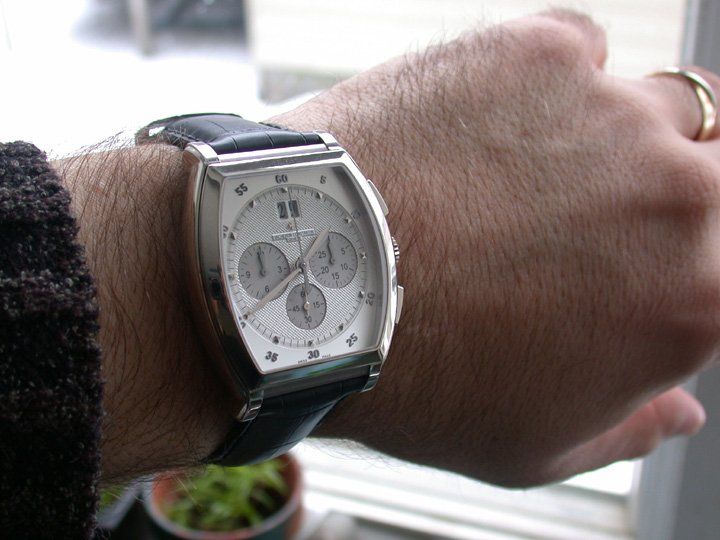
On the WristIt certainly looks good:
Still pictures do not capture how the dial “dances” in the light when being worn, with the myriad surface finishes reflecting the light in ever-changing ways. The dial has life and its hard not to stare at the watch for more time than is necessary to tell the time. More than once I would stare at the watch and look away only to realize that I didn’t even read the time!
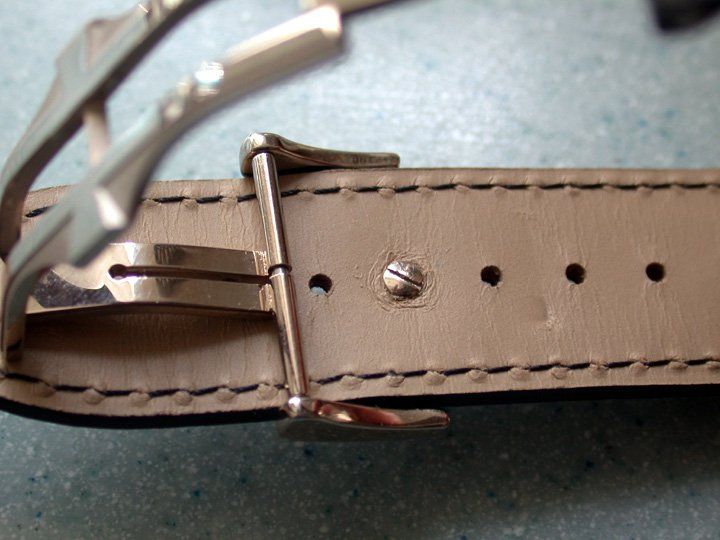
The watch comes with a deployant buckle. A screw holds down the strap to the pin hole, making for a very secure hold. This security comes at the cost of convenience, should you want to change the strap length, but will not likely be a problem in daily use.
The watch is quite heavy at 165 grams. Some days I like this quality, other I do not. I found this watch to lie more comfortably on my wrist than the original Royal Eagle/Malte Tonneau case.
This particular example behaves just like you’d expect, keeping time well and operating correctly. Unlike the Overseas, the crown and chronograph pushers do not screw down, so the watch is not nearly as water resistant as the Overseas.
I have been behind the curve when it comes to joining the large watch herd. Many such watches have zero appeal to me, as the balance between the design elements tilts away from the beautiful towards the grotesque. Vacheron Constantin’s designers have worked hard on this watch to ensure that big is resoundingly beautiful. This watch puts a smile on my face.
ConclusionsFor someone who had rarely considered buying a form watch, I’m surprised by how much I like the new Malte Tonneau Chronograph. The clarity of the dial’s design appeals to me, as does the expanded case size. I like Vacheron Constantin’s turn away from having two sporty chronograph watches in its product portfolio, an area better served by the Overseas collection.
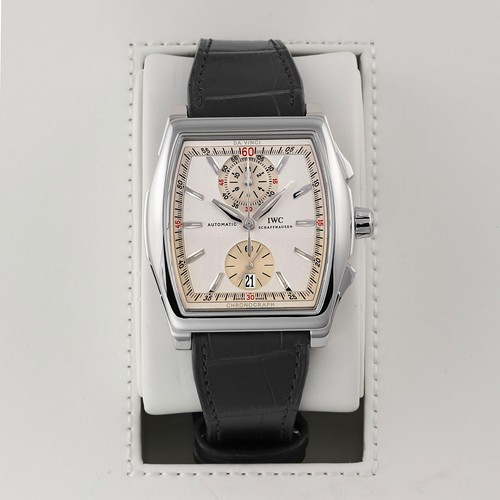
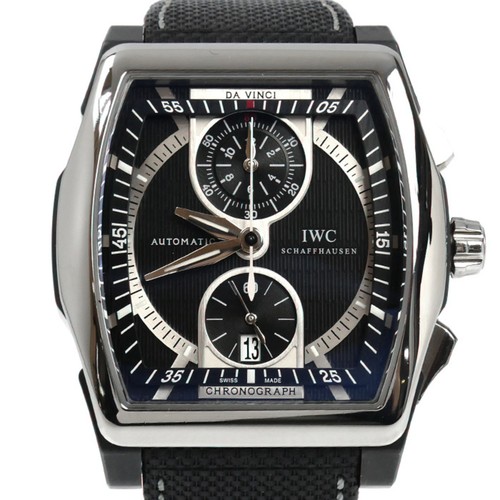
With an asking price of $38,300 there is no way to argue that this watch is a bargain. While there are many other white gold chronographs in form cases based on the Piguet 1185 caliber, none offer the large date display. In comparing the Malte Tonneau Chronograph against Breguet’s Heritage Chronograph, Audemars Piguet’s Edward Piguet Chronograph or Royal Oak Chronograph (on a strap), and other non-Piguet based competitors such as Girard Perregaux’s Richeville Chronograph, IWC’s Da Vinci Chronograph, and the even more expensive Richard Mille RM-011, there is none that I would prefer to this offering from Vacheron Constantin.
Bill
This message has been edited by AnthonyTsai on 2009-03-22 21:44:33 This message has been edited by AnthonyTsai on 2009-03-31 10:32:44