WPS member · Horological Meandering forum
45 replies13114 views7 photos
KIH's exploration of wearing a pocket watch during Tokyo's humid summer offers a unique perspective on watch-wearing habits and the practicalities of preserving leather straps. His detailed presentation of a vintage SEIKOSHA-NARDIN pocket watch not only highlights a rare piece of horological history but also makes a compelling case for the enduring charm and utility of pocket watches in modern life.
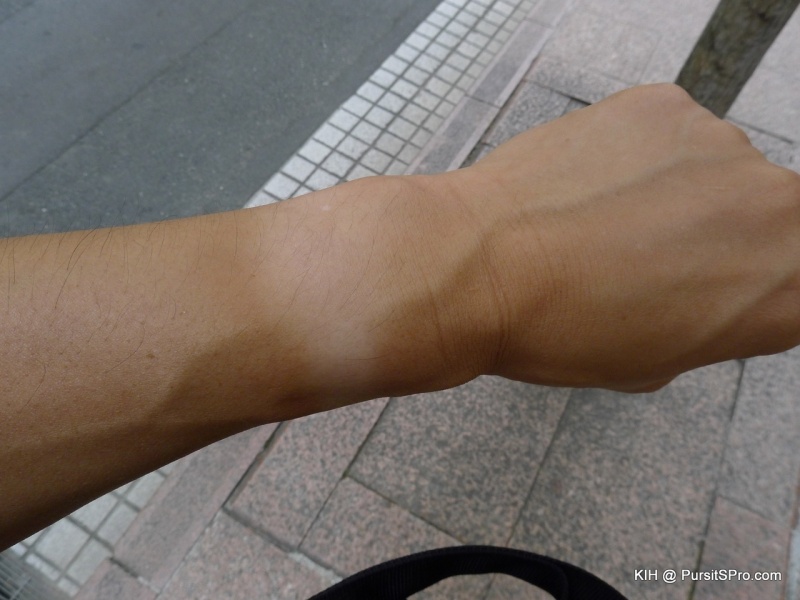
It would ruin or shorten the life of the leather strap. Bracelet or rubber strap doesn't solve the sweating problem. So, in hotter days, I don't want to wear a watch. Instead....
Yes, no watch! You can see the I always wear a watch, though 
I like what pocket watch can do at times like this. My jeans and suit pants all have pocket for the pocket watch.
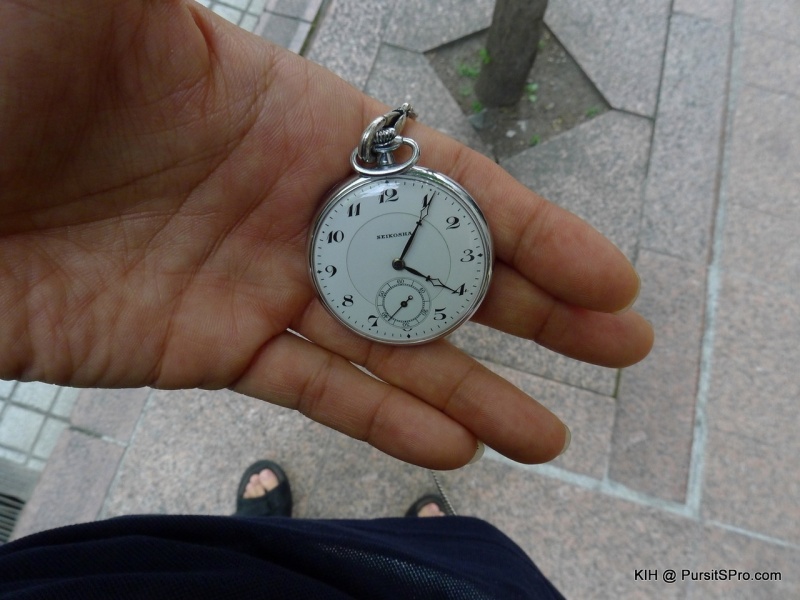
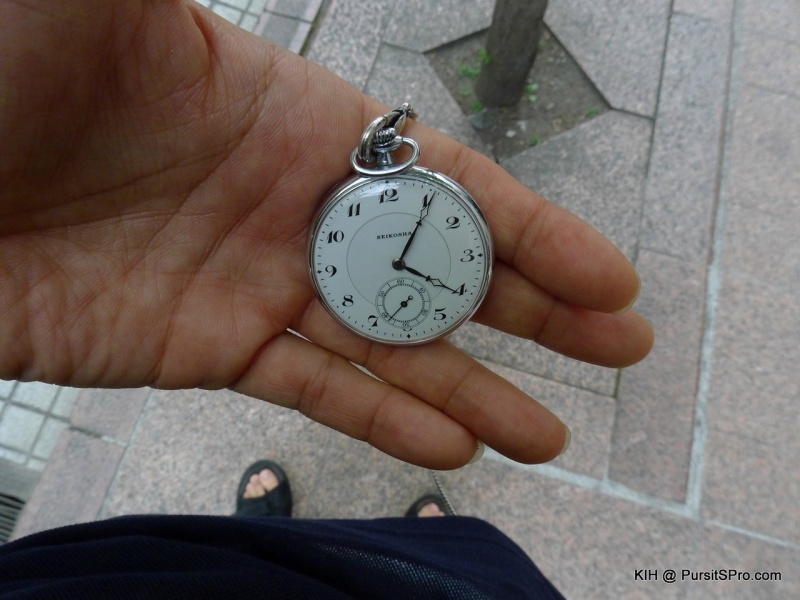
Yup. SEIKOSHA (former name of SEIKO, long, long time ago)
======================================================================
Let me talk a bit about this pocket watch. I did some research with some help of SEIKO.
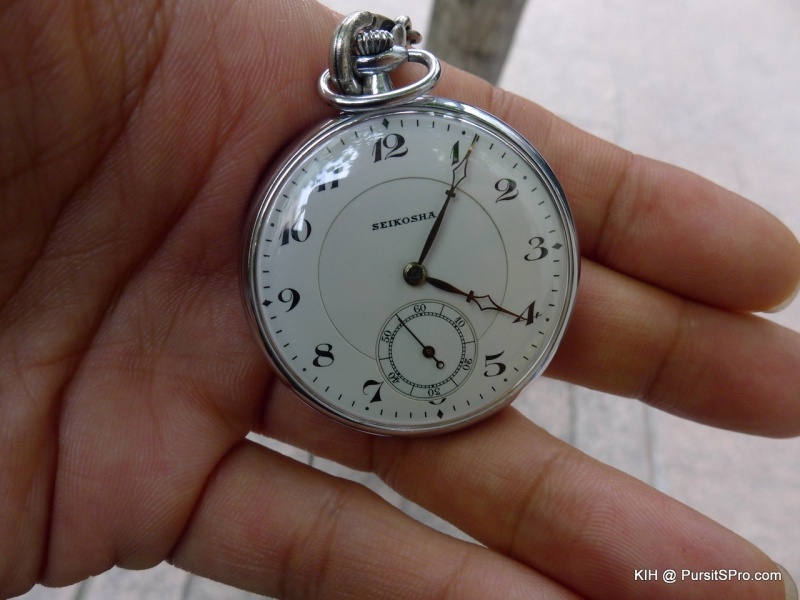
This is 17 ligne SEIKOSHA-NARDIN type, Circa 1930. Three-step Porcelain dial. Not a big fan of this "golden" hands, but very good condition, original is original No problem with daily use and accuracy is within my tolerance (15sec, at most). The case size is approximately 42mm diameter and 8mm thickness of which about half is of the glass.
As I said, very clean original dial and hands. No crack, no rust, no dirty spots. Printed index is still almost intact. I have seen a few other examples of this model here and there, but all of them have decent shape dial and hands. Can't believe this is 80 years old!
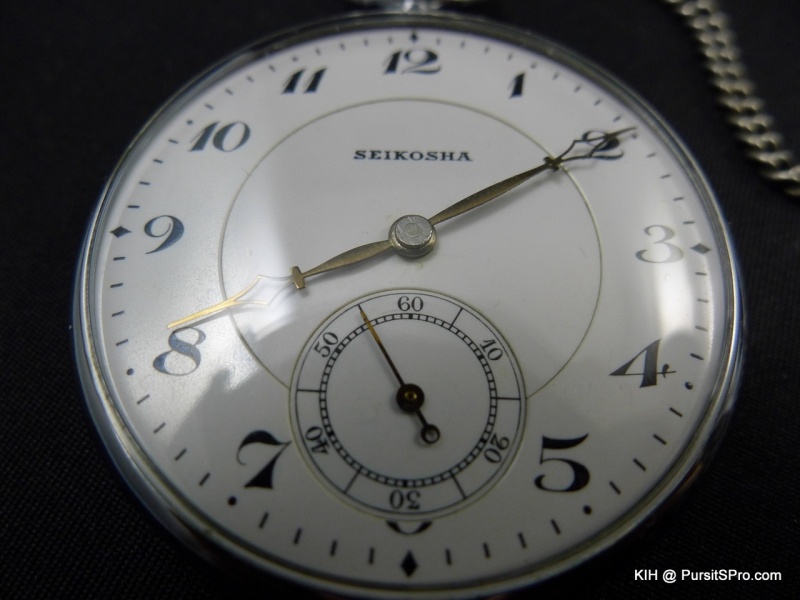
I like vintages without any previous owners inscription or engraving.
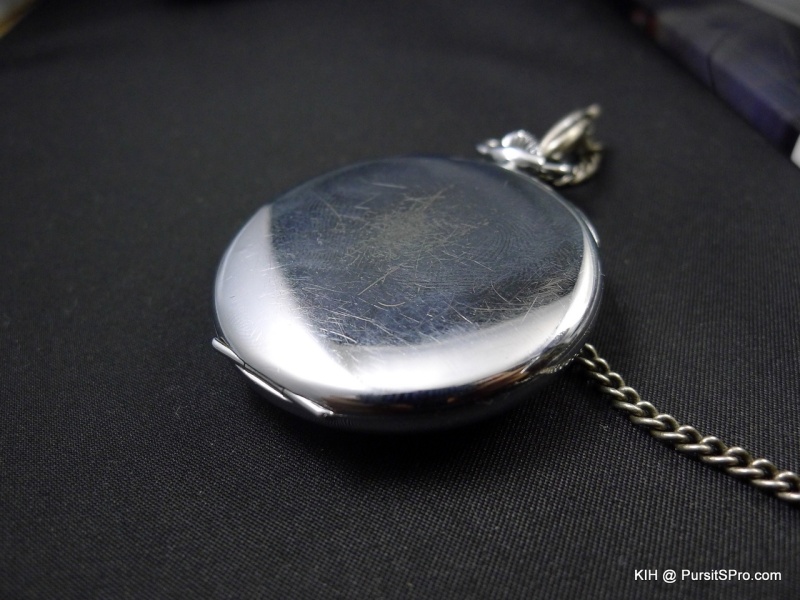
Made in cooperation with Nardin and this movement/ model was called "SEIKOSHA-NARDIN". Boasted accuracy of 15 sec per day. Back then, this was really a high-end pocket watch. But it was too high-end and expensive that it did not sell well. But, this model was used for the Royal Award and it means that it was quite a high-end pocket watch then. There is no record of how many were made, but today this is really a rare bird.
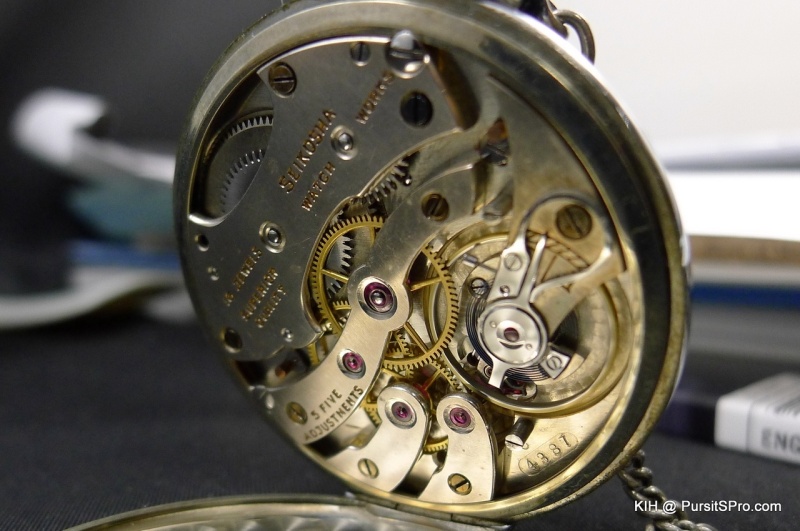
16 jewels, 18,000 vibration. Relatively big balance wheel speaks its quest for accuracy. Blued steel hairspring and swan neck. Very nice and clean movement. for its age. Finishing is not there yet, but nicely done enough.
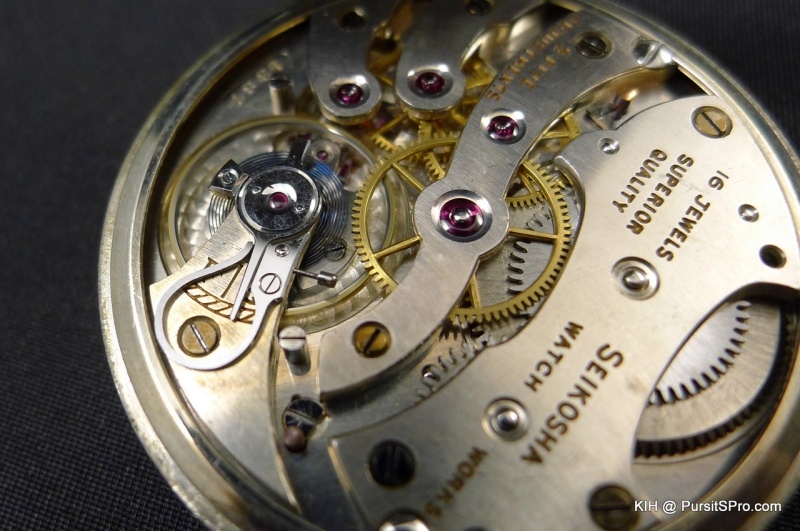
What is interesting is the case is not steel or chrome, but fine nickel. Look at the perlage inside the back cover. I can feel the enthusiasm of SEIKOSHA for this watch to be the top of the line product. SEIKOSHA was founded in 1881 and this is like 50th anniversary model. There were versions in chrome, platinum, silver, and 18K YG. And according to the old document, nickel case with Breguet dial should house 18 jewel special version (6 positions adjusted, 10 sec per day accuracy) movement, but somehow mine has some mix-up Anyway, I am pretty happy with this possession. This is the type of vintage watch I love and cherish.
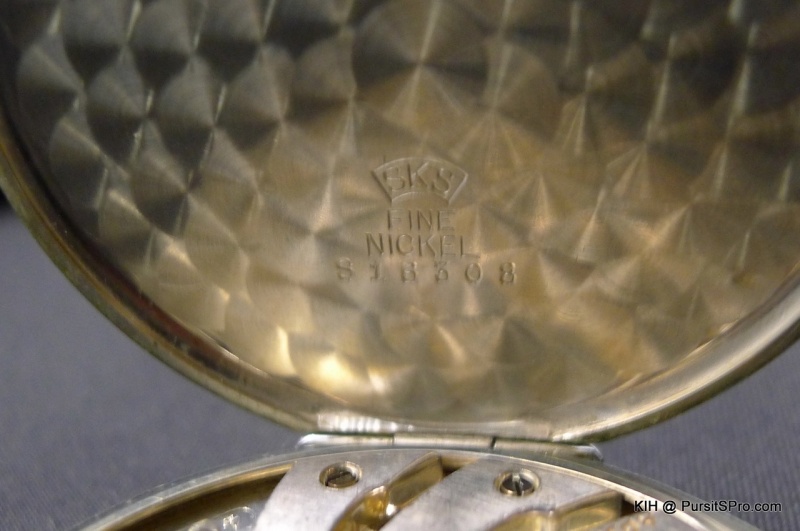
It appears that SEIKOSHA's parts were of high quality.
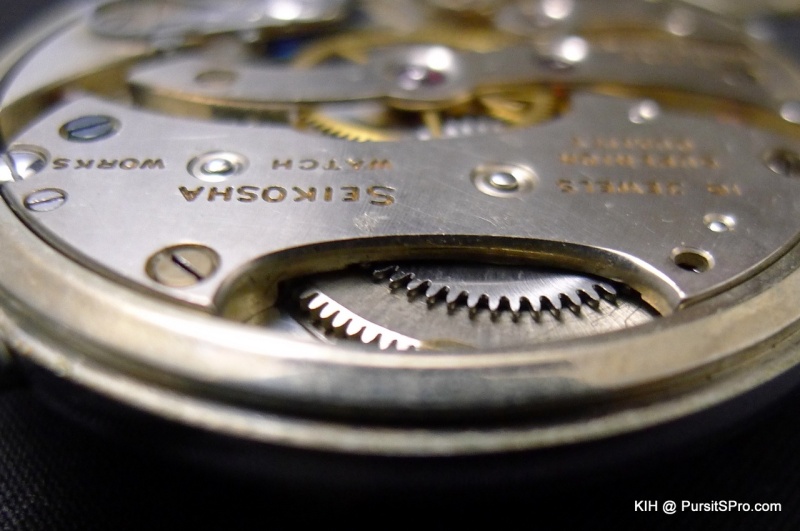
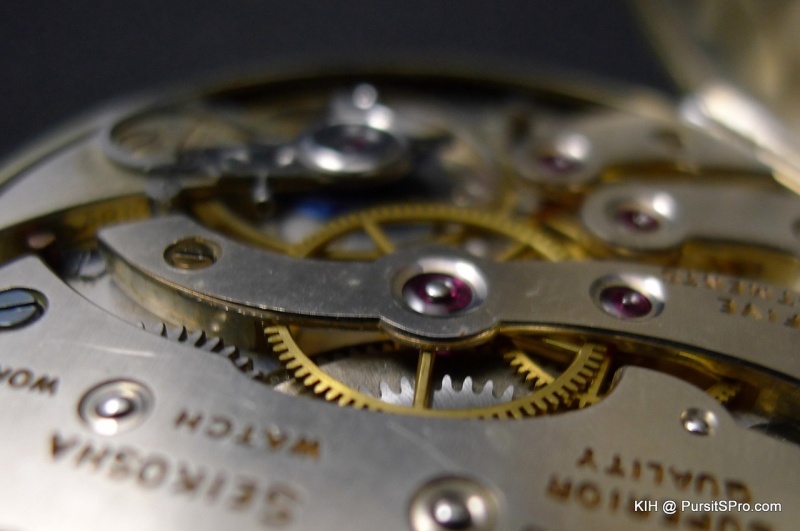
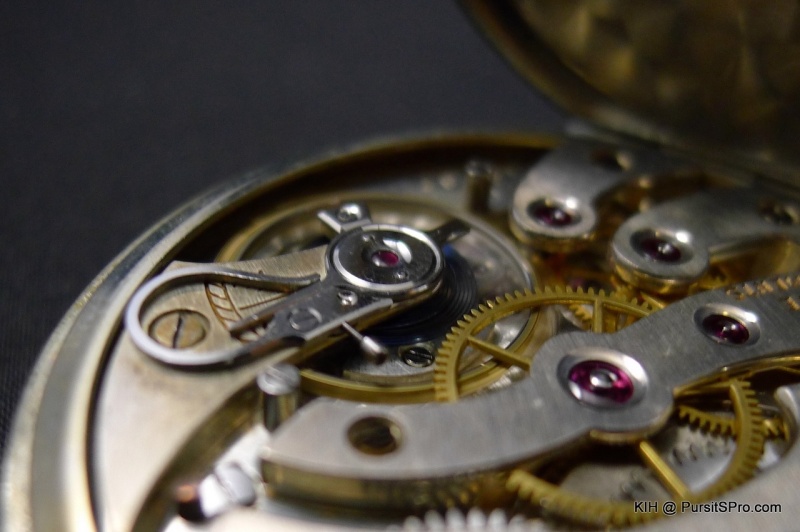
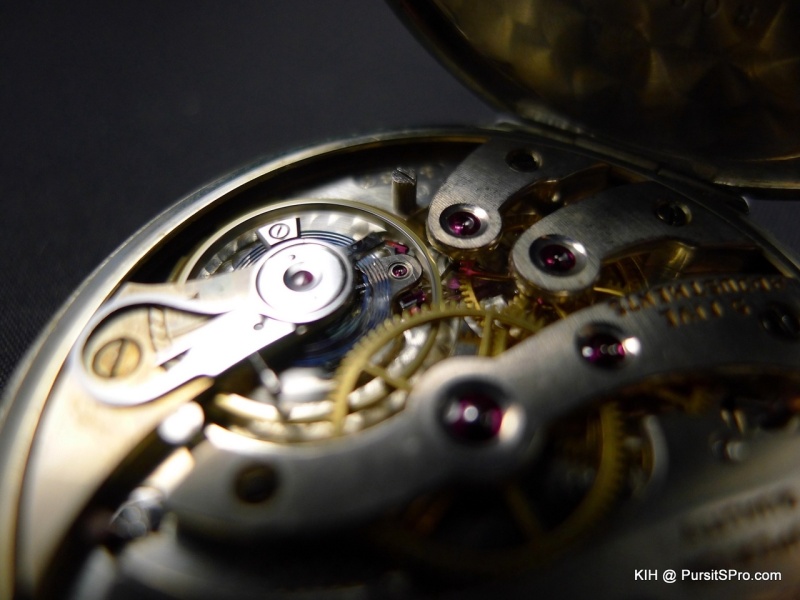
5 positions adjusted. Well, today, the accuracy varies pretty much depending on the position, though For an 80-year old watch, it is doing a fantastic job.
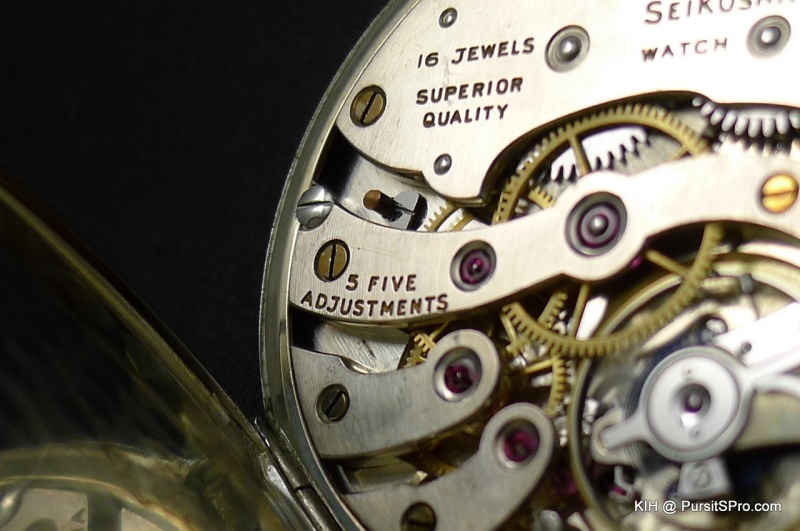
All the letters were engraved by the metal carving machine, manually. They were serious.
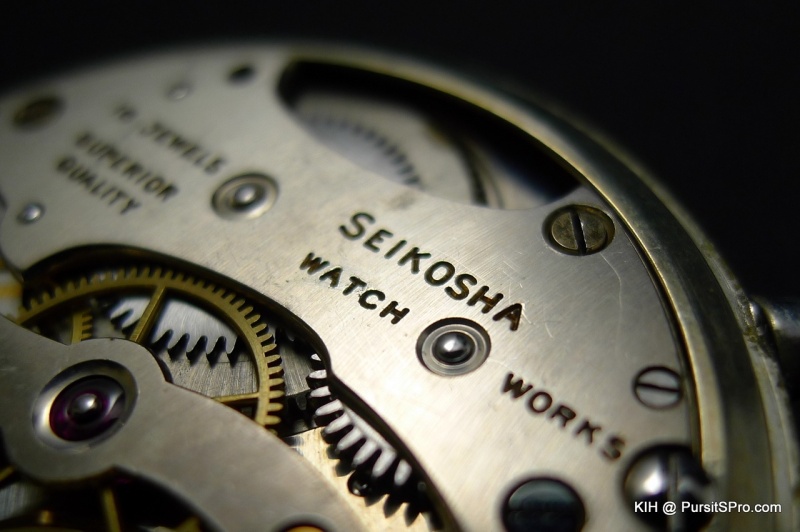
But my point is that I can carry and use this watch on daily basis. Very robust watch. Watch is to be used as a watch as long as it can be repaired......
========================================================================
When I came home, it had gained just 5 seconds during the day time.
Having nice Summer?
Ken
This message has been edited by KIH on 2012-08-10 08:03:40
Key Points from the Discussion
- Wearing a pocket watch is presented as a practical solution for hot weather, preventing sweat damage to leather straps and offering a comfortable alternative to wristwatches.
- The featured pocket watch is a 17 ligne SEIKOSHA-NARDIN type, circa 1930, with a three-step porcelain dial, 16 jewels, 18,000 vph, blued steel hairspring, and swan neck regulator, boasting an accuracy of 15 seconds per day.
- The SEIKOSHA-NARDIN was a high-end, expensive model, used for Royal Awards, and is considered a rare find today due to limited sales, despite its advanced features for the era.
- The case of the SEIKOSHA-NARDIN is made of fine nickel, with perlage finishing inside the back cover, indicating SEIKOSHA's commitment to quality for this 50th-anniversary-era product.
- Other forum members share their own pocket watches, including a robust 18-jewel Russian Molnija from the 1970s and a Seiko automatic movement pocket watch with a transparent caseback.
- The discussion notes that SEIKO, originally SEIKOSHA, evolved from a clock repairer to a manufacturer of pocket watches and then wristwatches, producing most parts in-house.
- A question arises about the absence of Japanese text on the movement of the SEIKOSHA-NARDIN, prompting speculation about whether it was intended for export or produced during a period when English was banned.
Advertisement
Continue the conversation
This thread is active on the Horological Meandering forum with 45 replies. Share your knowledge with fellow collectors.
Join the Discussion →