
Automotive
AndrewD provides a detailed historical and technical overview of the Porsche 912, a significant model that bridged the gap between the 356 and the 911. His analysis highlights the car's engineering, performance, and market positioning, offering insights into why it initially outsold the 911.


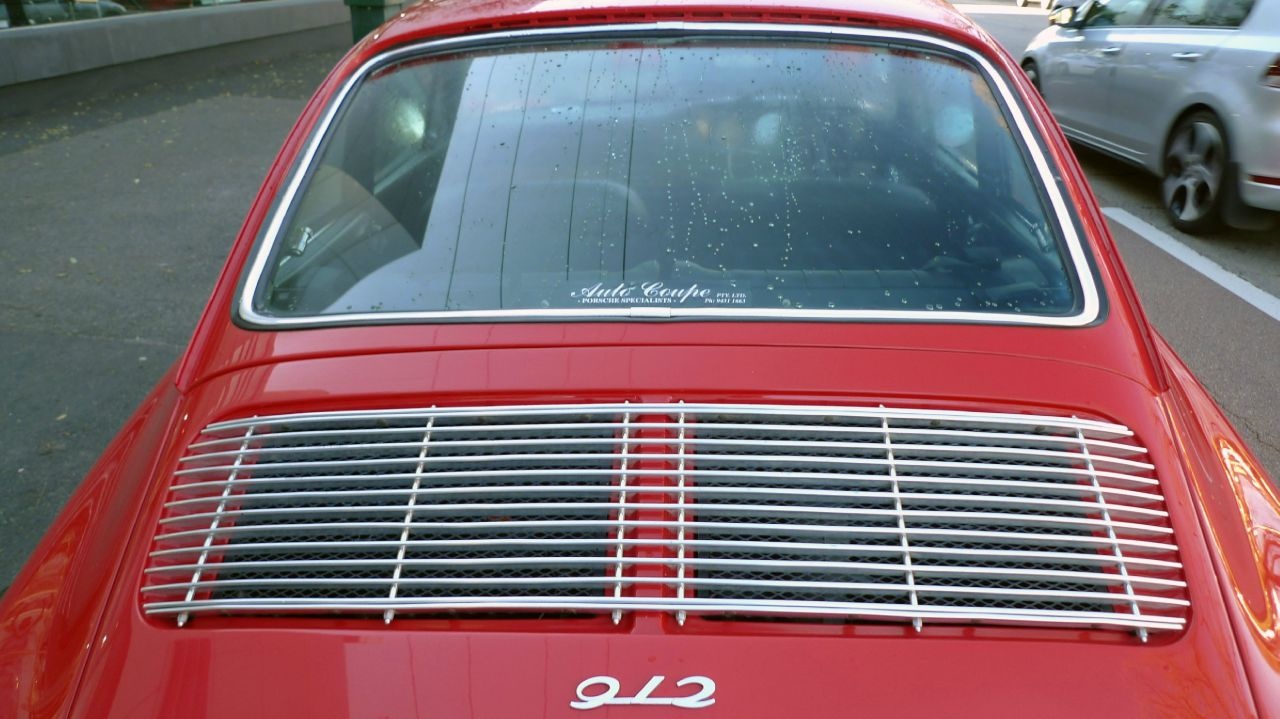
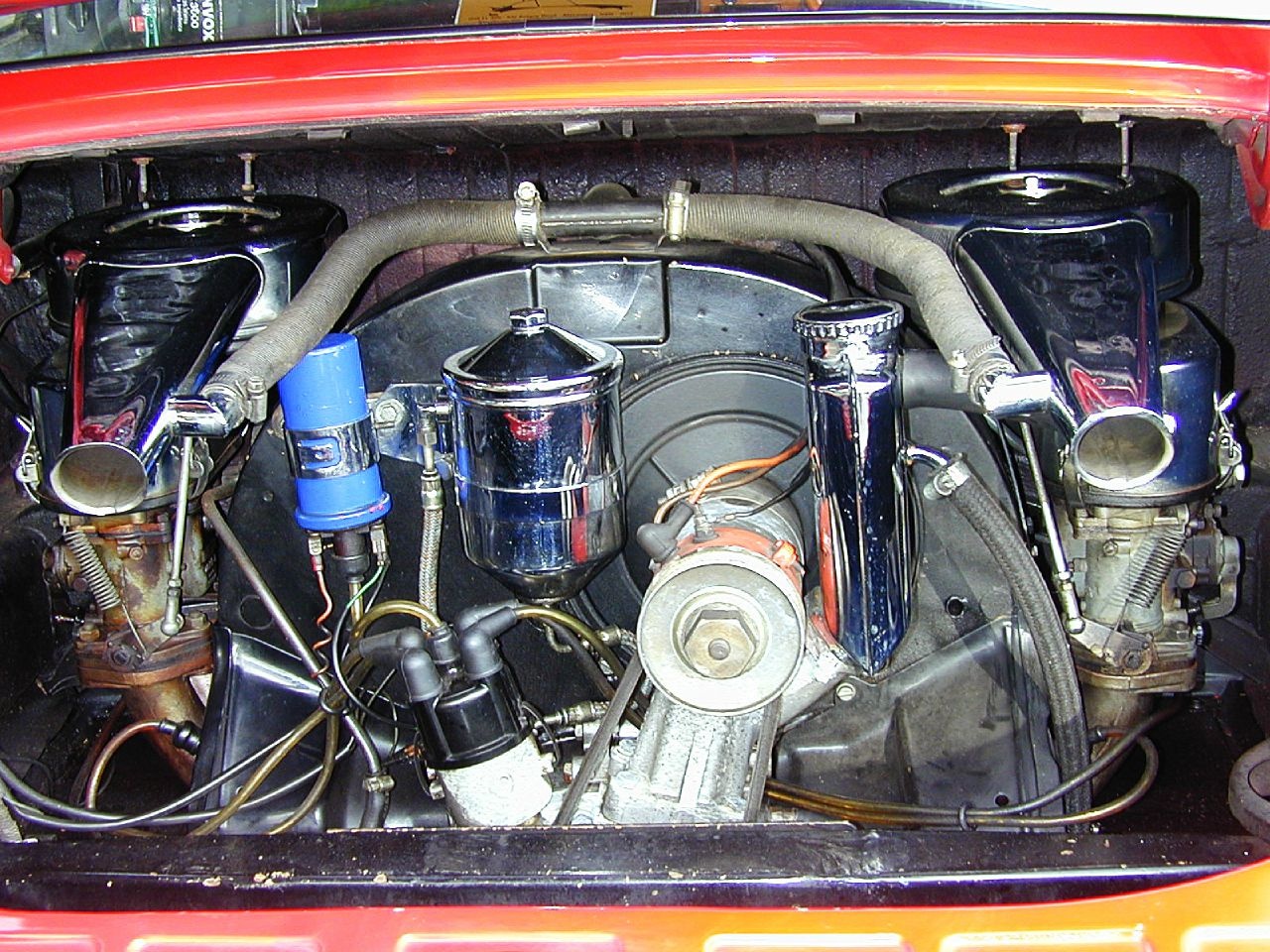
When production ceased on the 356 at the end of 1965 the 4 cylinder pushrod ohv 1582cc Super 90 boxer engine from the 356 was used in the 912 which was sold alongside the new 911 (which had a new single overhead cam 130 bhp 6 cylinder 1991cc engine with a 0 to 100 kph time of 8.7 sec).
The 4 cylinder Super 90 engine, fed by two Solex twin-choke downdraught carburettors, produced 90 DIN horsepower and was mated to a new 4-speed (or optional 5-speed) synchromesh gearbox. The 911/912 had a significantly improved suspension setup over the outgoing 356. In the front were MacPherson struts and wishbones connected to longitudinal torsion bars and at the rear were transverse torsion bars and semi-trailing arms.
The 912 weighted only 2135Ib (970Kg) and was 246Ib (111Kg) lighter than the 911. The front to rear weight distribution was 44 : 56. The 0 to 60 mph time was 11.9 seconds (which may sound slow by today’s standards but 50 years ago it was about the same as the Mercedes Benz 230SL, Mini Cooper S, Cortina Lotus and Reliant Scimitar and a second faster than the MGB) and the car was stopped by disc brakes all round.
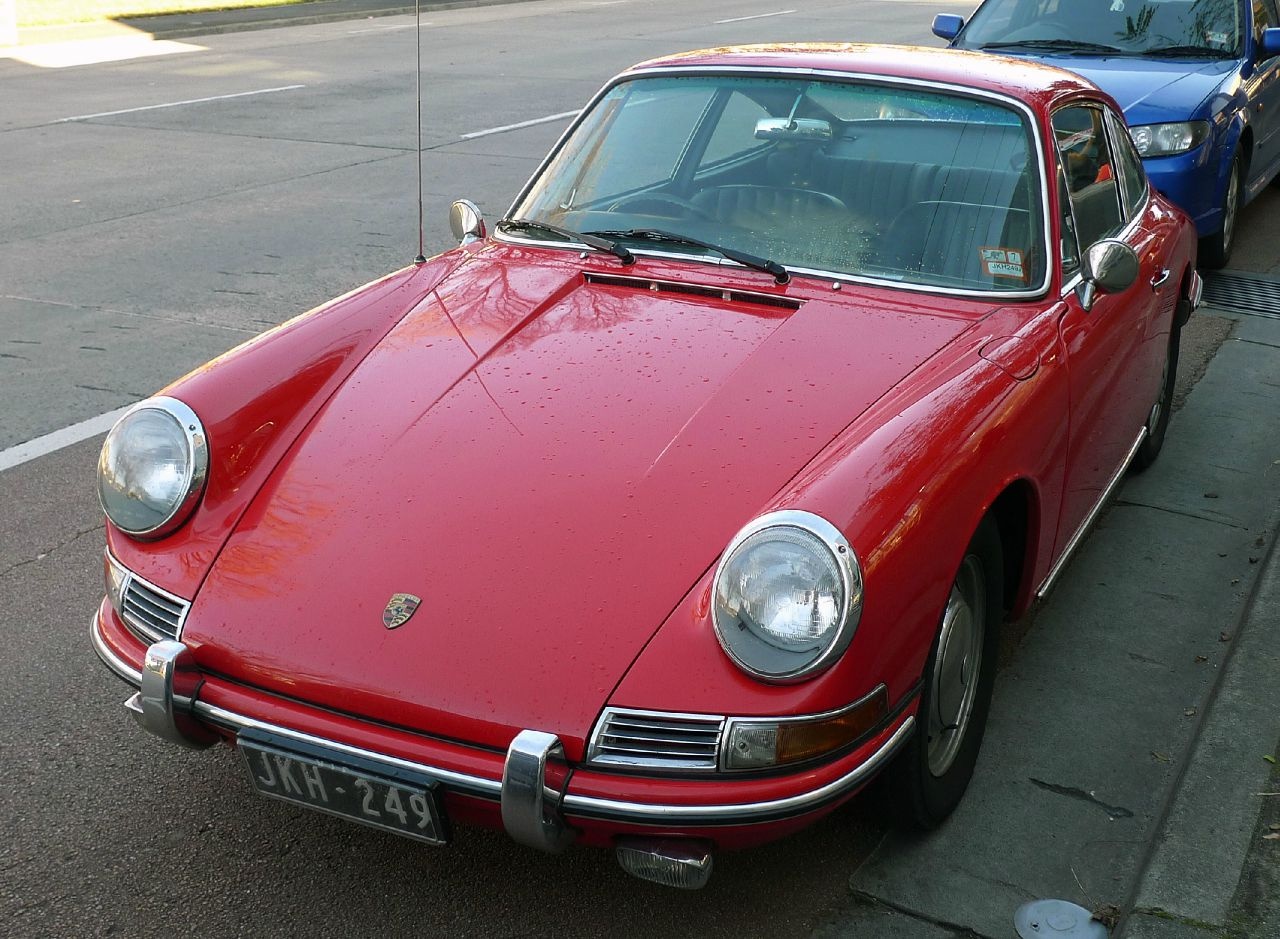
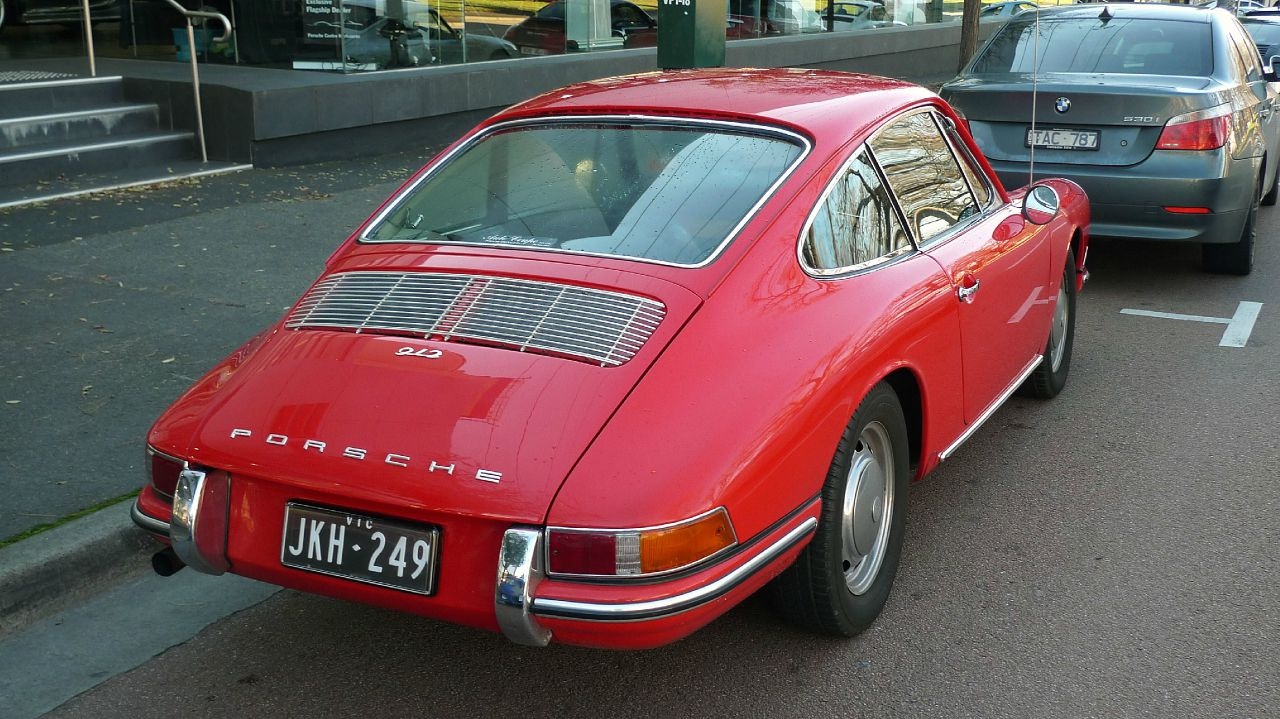
In the USA in 1965 at its launch the 912 cost $4700 and the 911 cost $6300. Apart from the lower price, why would people choose the 912 over the 911? Well, the car had the same chassis and suspension and 12V electrical system as the 911 but was lighter and most importantly the reduced engine weight (around 100 lbs lighter) led to better front-rear weight balance and meant that handling was a little more predictable, with less of the tail snap that the early 911’s were known for. In fact the 912 tended to understeer like a front engine vehicle and it was harder to get the tail out.
The 912 was produced between 1965 and 1969 and some 30,000 coupe and 2,500 Targa bodied cars were made. It is interesting that initially the ‘entry level’ 912 outsold the 911 (nearly two to one in the US in 1966) and it was very sensible of Porsche to keep the 912 going until the success of the 911 was assured. A racing 912 even won the European Rally Championship in its class in 1967.
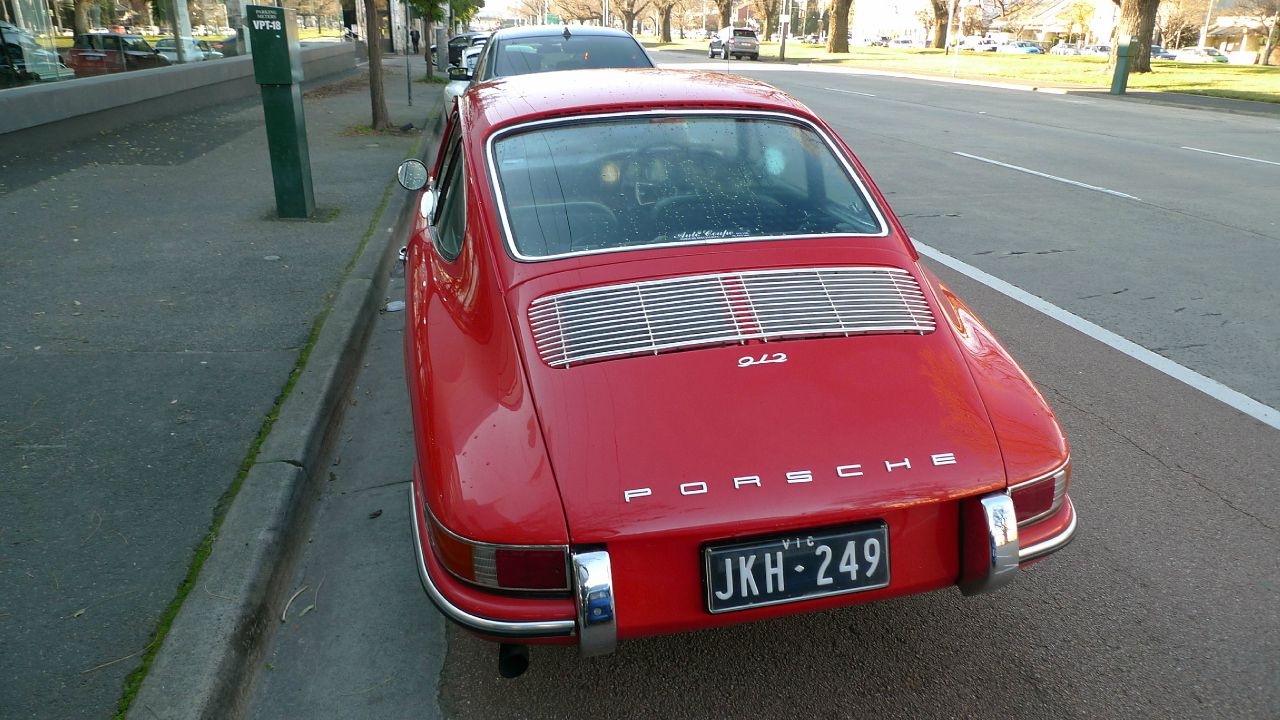
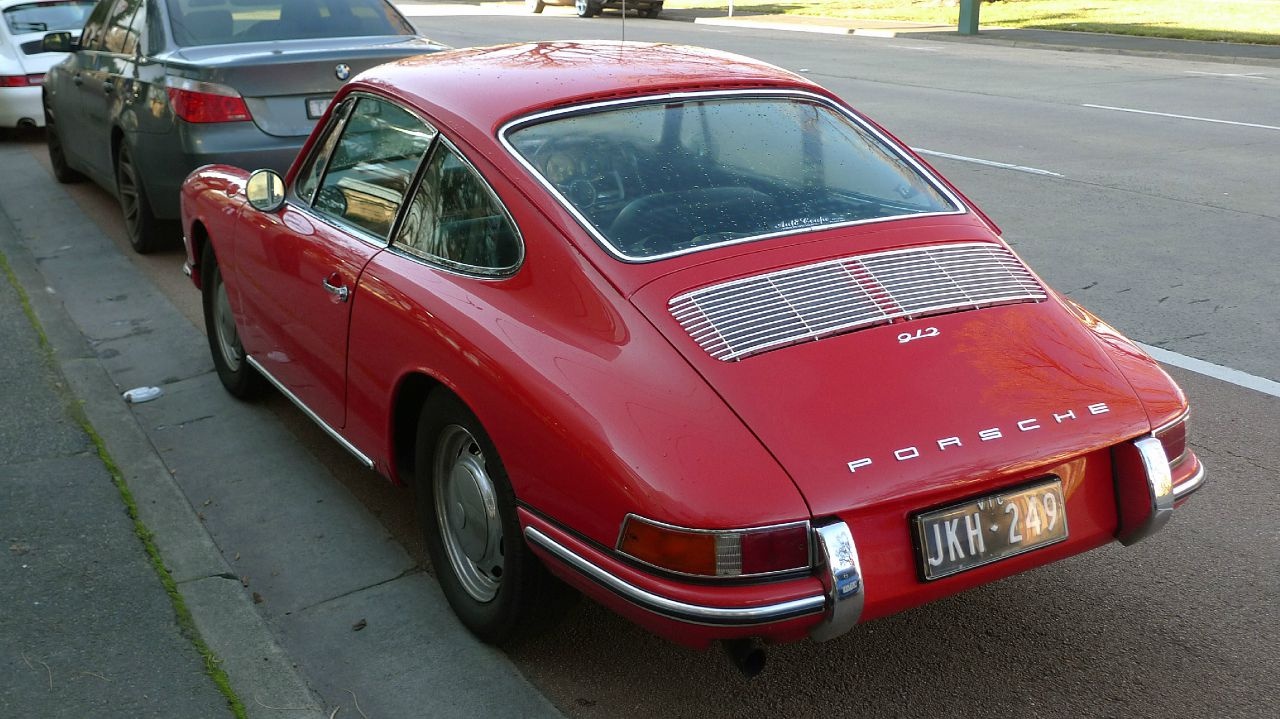
The Porsche Design Chronograph I, reference 911, represents a significant early offering from the brand, establishing its design philosophy in the watchmaking world. This model is notable for its minimalist aesthetic and functional approach, reflecting the brand's automotive heritage through its focus on legibility and material choice. It was conceived as a tool watch, prioritizing clarity and durability over ornate decoration, a characteristic that set it apart from many contemporaries upon its introduction.
Crafted with a black PVD-coated stainless steel case, the Chronograph I features a distinctive monochromatic appearance. The case diameter measures 40mm, providing a substantial yet wearable presence on the wrist. It houses an automatic movement, specifically the Valjoux 7750, known for its robustness and reliability. The watch is fitted with a sapphire crystal, ensuring scratch resistance, and offers a power reserve of approximately 48 hours.
This reference holds particular appeal for collectors interested in the origins of Porsche Design's horological ventures and the broader trend of black-cased watches. Its straightforward design and mechanical integrity make it a compelling choice for those who appreciate a blend of automotive-inspired engineering and practical watchmaking. The 911 reference is a foundational piece, illustrating the brand's initial vision for a performance-oriented timepiece.
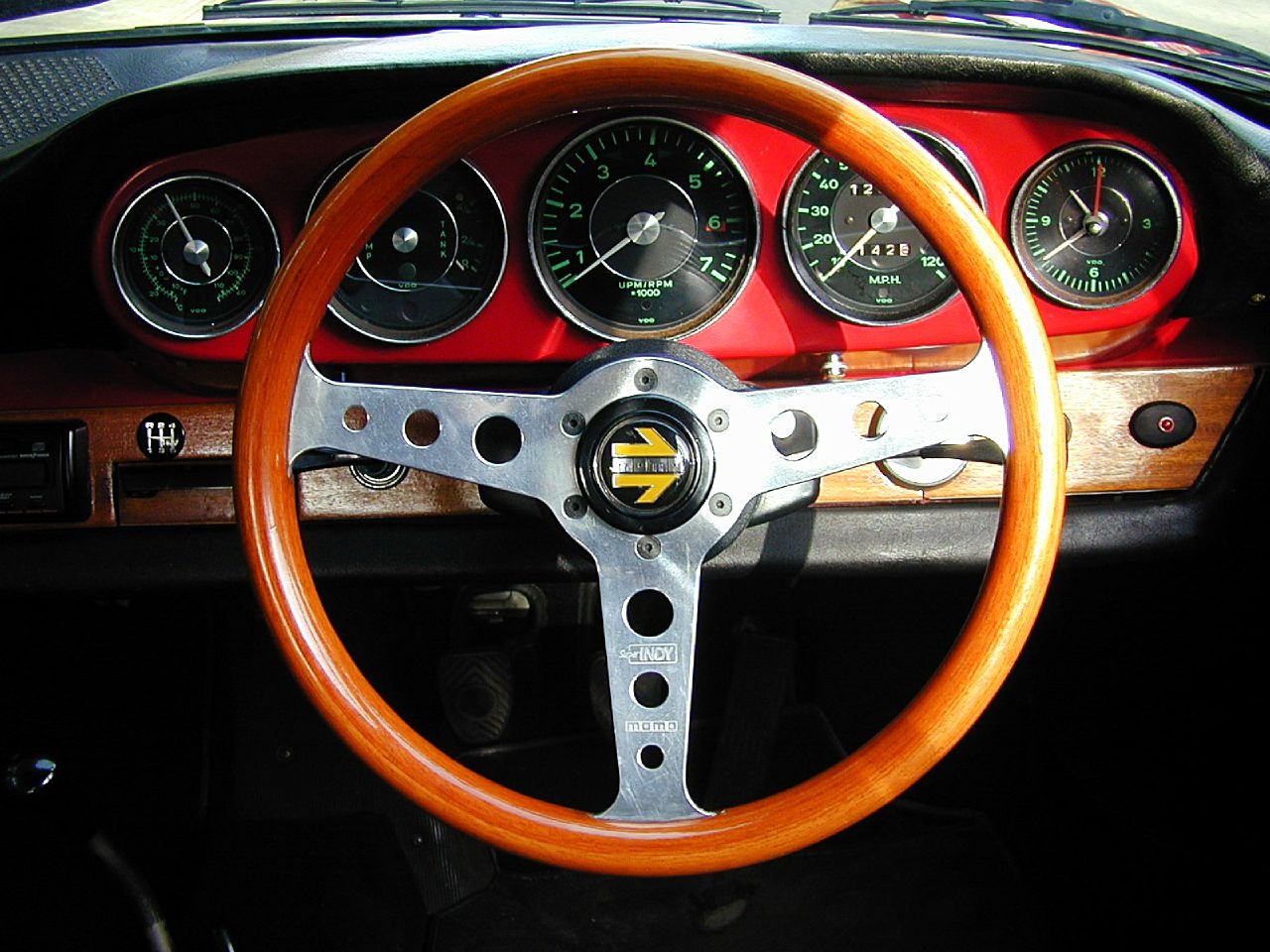
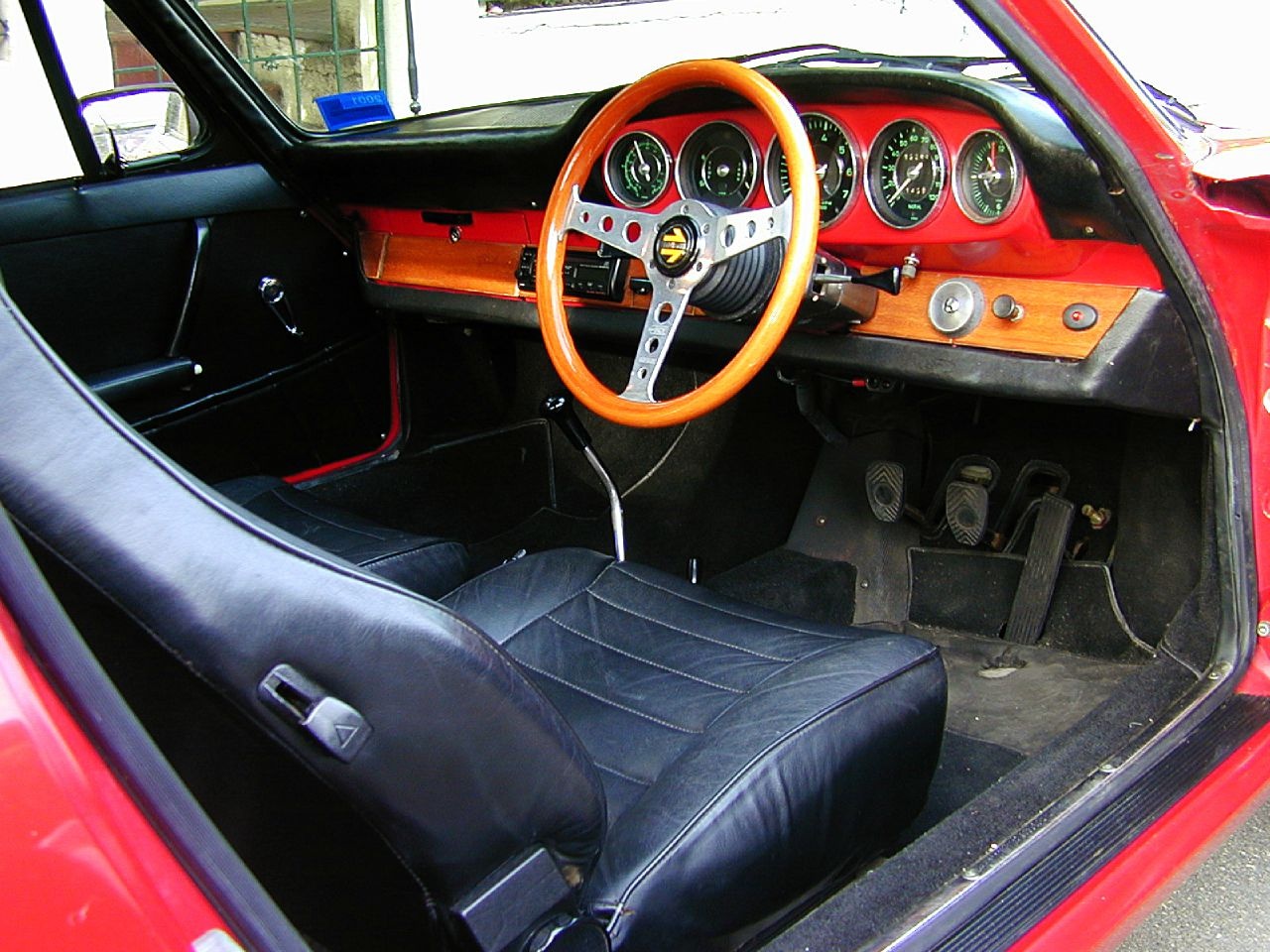
....I really like the skinny steel wheels and hubcaps on these early cars, though the dials and floor mounted pedals are easy to love. Did you notice that they've pulled down the neon PORSCHE sign from the silos behind the showroom, which is a pity.
This thread is active on the Automotive forum with 2 replies. Share your knowledge with fellow collectors.
Join the Discussion →


