Manufacture
MTF's "Piaget Technique & Aesthetic Part 6: Engineering" delves into the often-overlooked engineering prowess behind Piaget's horological creations. This installment highlights how Piaget's commitment to in-house manufacturing and technical innovation, guided by its "Technique at the service of design" philosophy, has led to the development of 35 movements and 11 major complications in just 14 years. The article underscores the critical role of engineering in achieving the brand's signature ultra-thin movements and complex case designs.



Piaget CEO – Philippe Léopold-Metzger – wrote in his Welcome Message to this forum:
"Piaget is very proud of its history in Watchmaking, that started back in 1874. In the past 10 years, developing new and beautiful movements has become our key focus. Our own developed and manufactured calibers include the Tourbillon and the Tourbillon Relatif, the Quantième Perpétuel (QP) and the Flyback Chronograph.
Each movement is designed in the Piaget tradition of extreme thinness, so that we can express our philosophy : "Technique at the service of design".
We are very happy to have a PuristS Piaget forum so that we can establish with you, afficionados and collectors, an ongoing dialogue. Together, we will write the next pages of our history book."
Since that was written, Piaget has advanced further on their Milestones to the Big-5 of horology: Tourbillon, Chronograph, Perpetual Calendar, Minute Repeater, and Grande Sonnerie. They added Automatic ultra-thin and minute repeater movements to their repertoir.
Piaget has created (in-house) no less than 35 movements, including 11 with major complications, within the space of just 14 years.
We started this Piaget Techniques & Aesthetic series with Part 1 – 'Design', that being the logical origin of form and function.
In subsequent instalments, we featured the fabrication and decoration of various components.
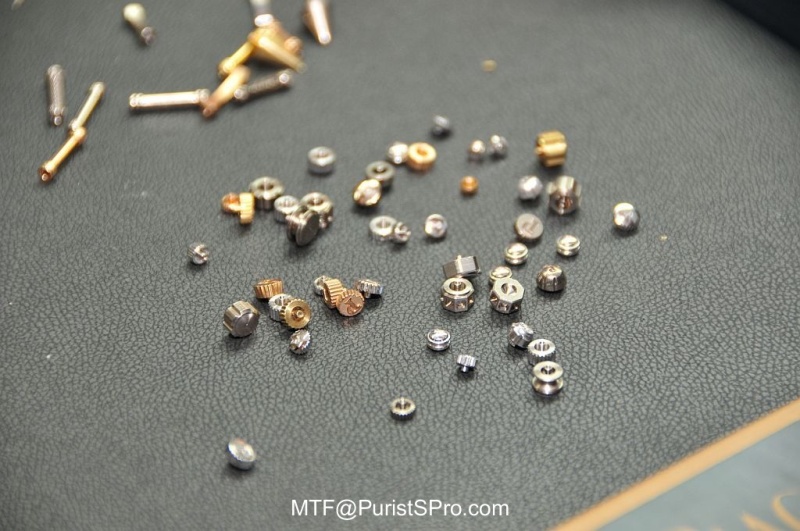
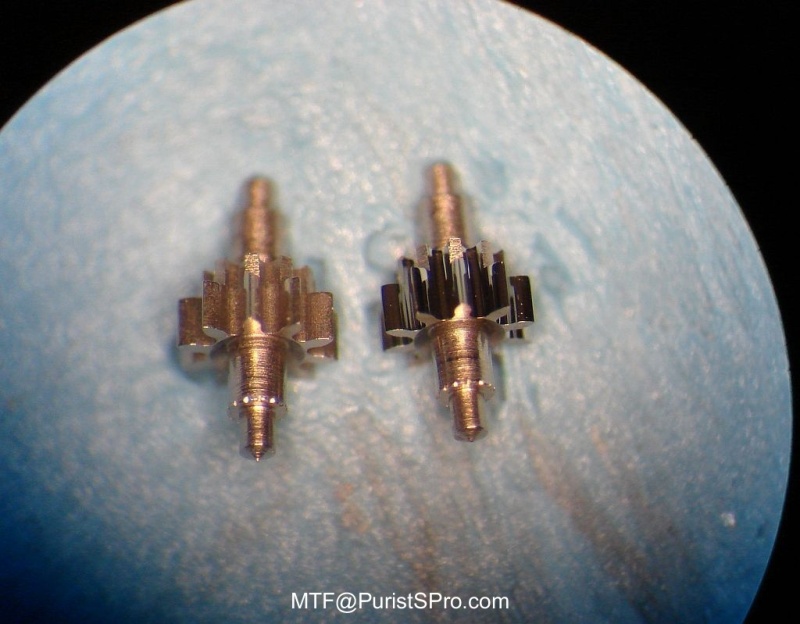
The integrated manufactures at Piaget maintain over 40 types of craft and professions that are vital for the production process.
With a history going back nearly 140 years, Piaget uses both modern technology and handicraft methods to produce their wares.
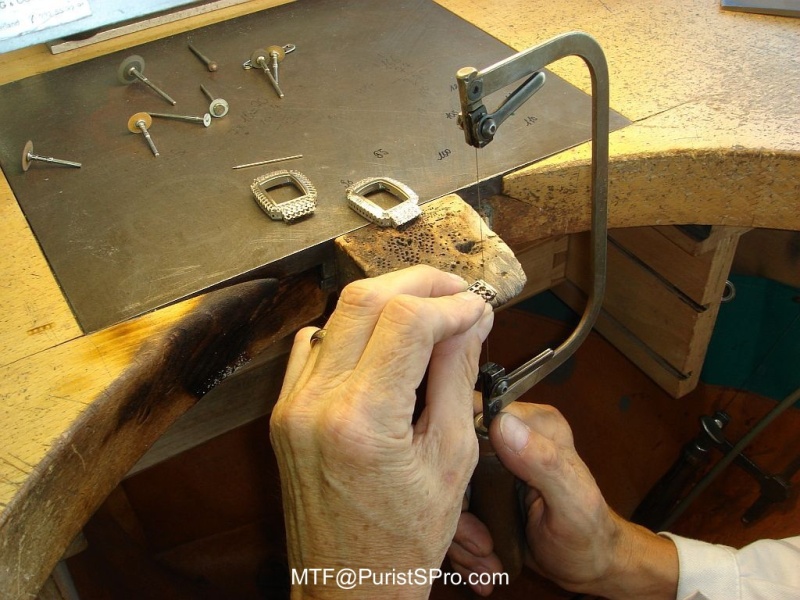
Traditional handicraft
One of the unsung specialties is Engineering. This vital department is usually forgotten by horology writers and watch collectors because, quite frankly, it is not a sexy craft! Except for mechanical 'gear-heads', the traditional view of an oily, dirty, hot and dusty engineer is not a pretty sight.
This instalment of the Piaget Technique & Aesthetic series will change your view of Engineering.
The photos in this report have been cropped or blurred to protect iintellectual property.
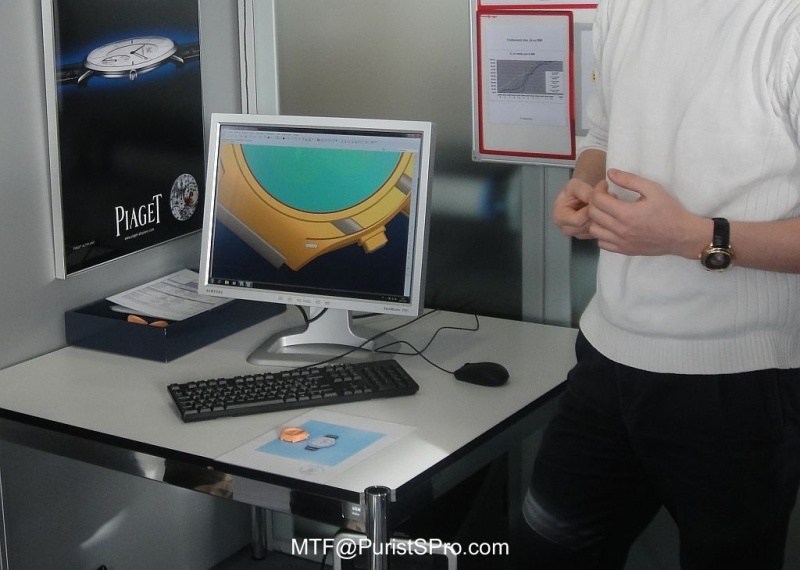
One of the surprising things that I discovered is that modern engineers in Piaget manufacture are not typically dirty nor hot and dusty.
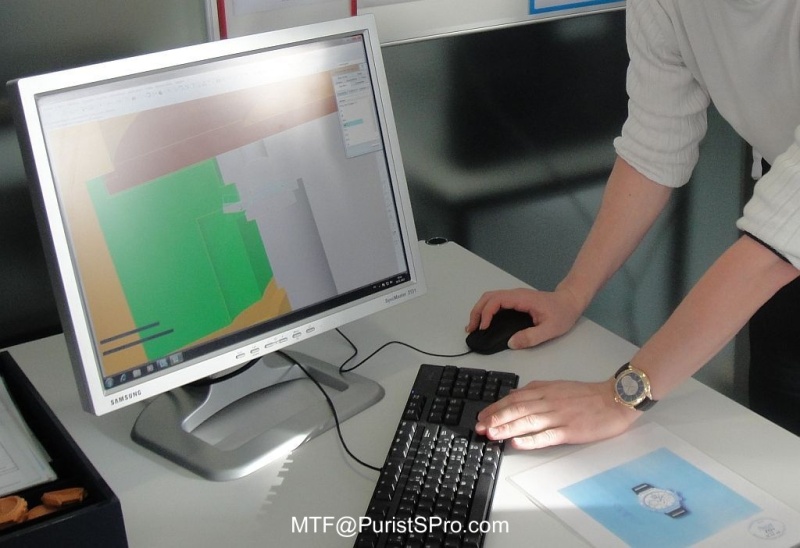
Admittedly, they still have to work with their oily hands and get down in the machinery but for the most part, modern engineers use the computer mouse almost as much as their spanners.
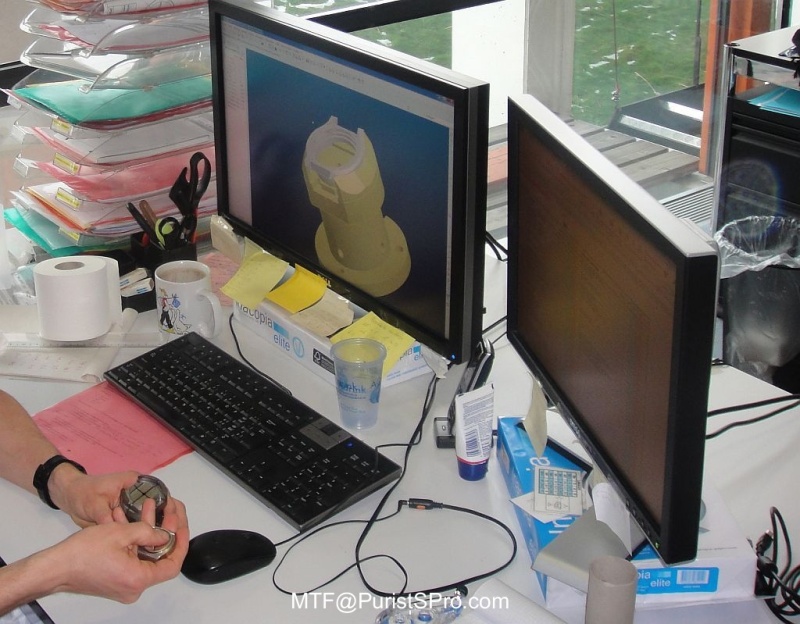
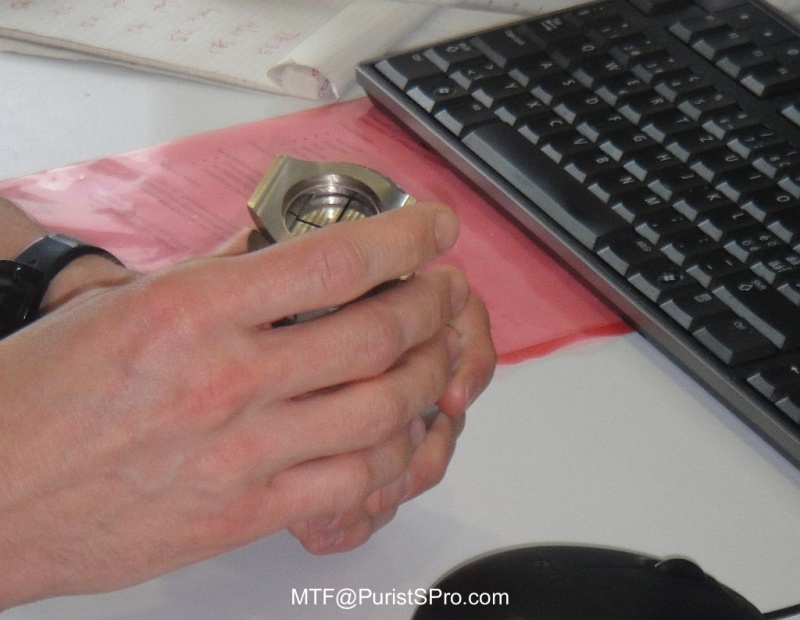
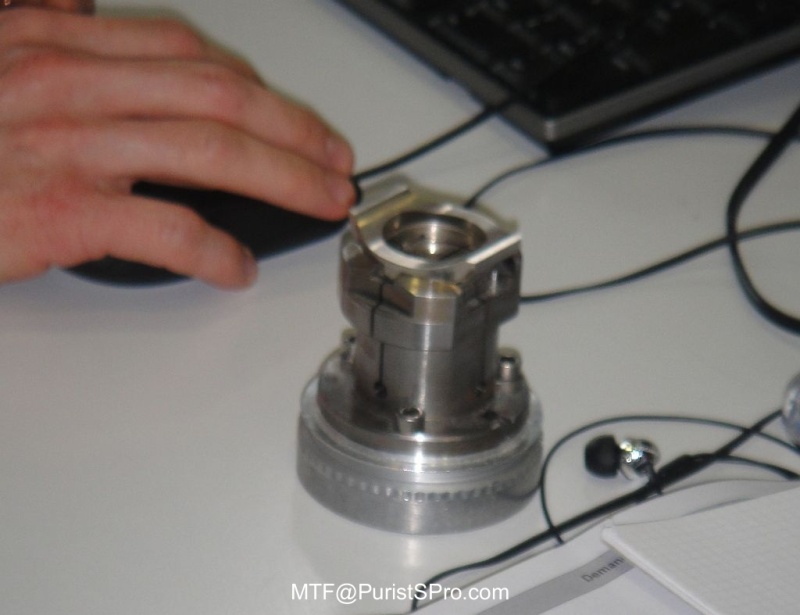
Their primary function is 'translation. They translate the design specifications into useful tools used in actual production processes.
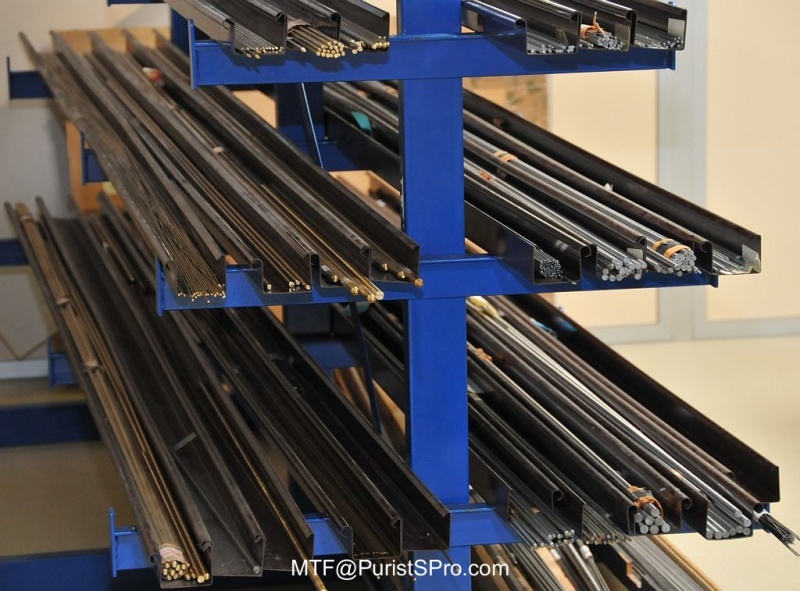
There are actually two types of engineering. We are familiar with the engineering processes to shape raw metal bars into watch components but before those engineers can get to work, the tooling engineer has to produce the machine tools that are used to shape the raw metal.
This paradox then leads the observer to perform mental gymnastics to figure out what tools are used to produce the productions tools from ever earlier raw material?!?
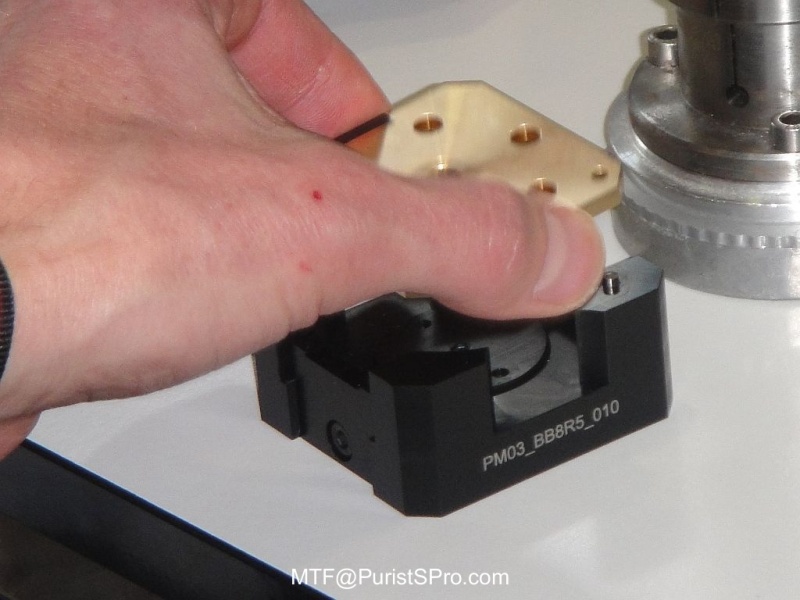
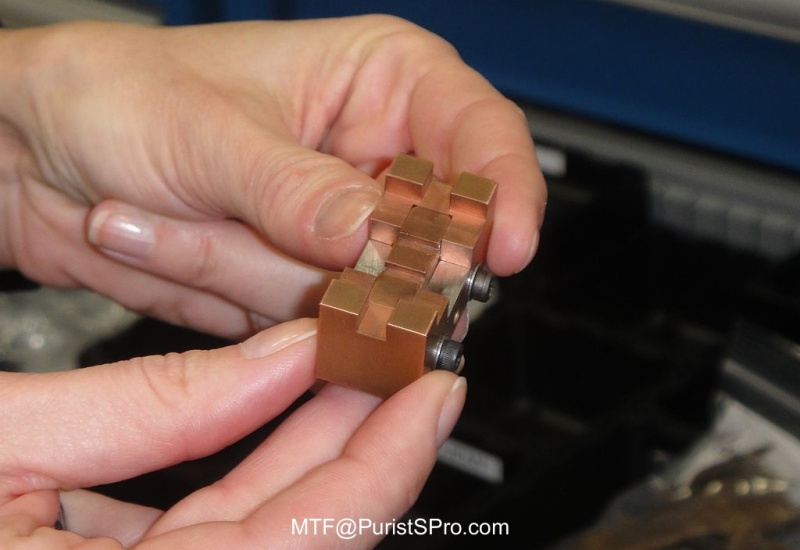
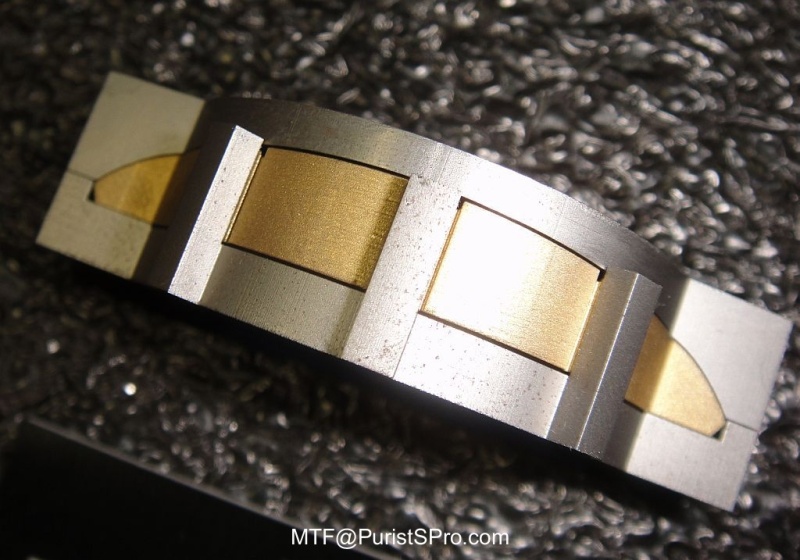
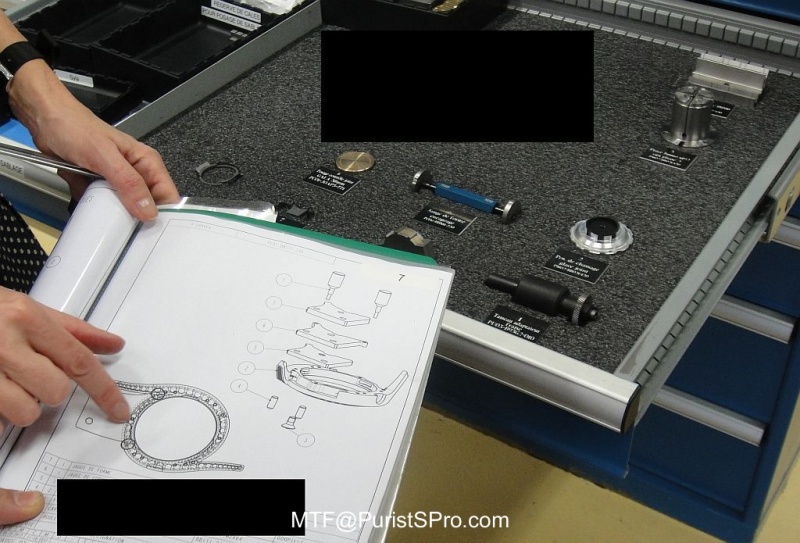
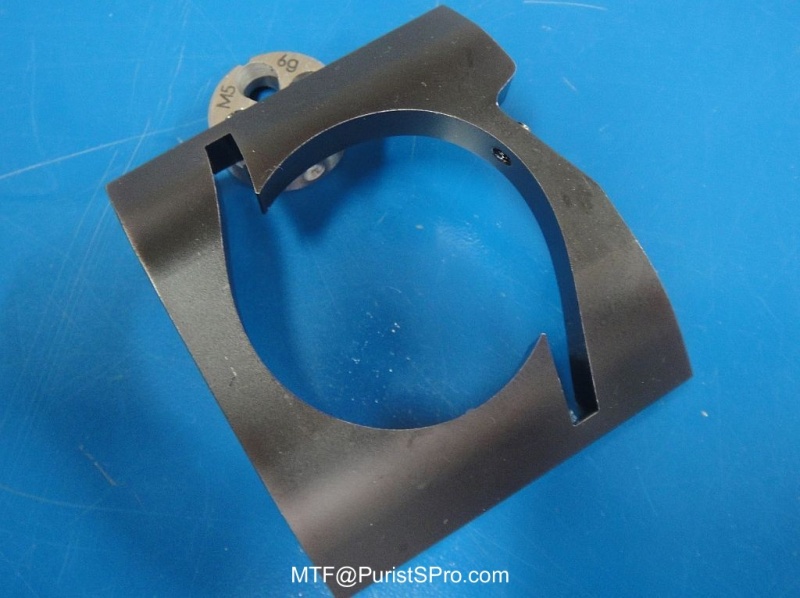
The production tools are dies and jigs that hold the raw material in position within the cutting machines.
The dies and jigs protect parts of the component during the manufacture to prevent overlap of the cutting or pressing actions.
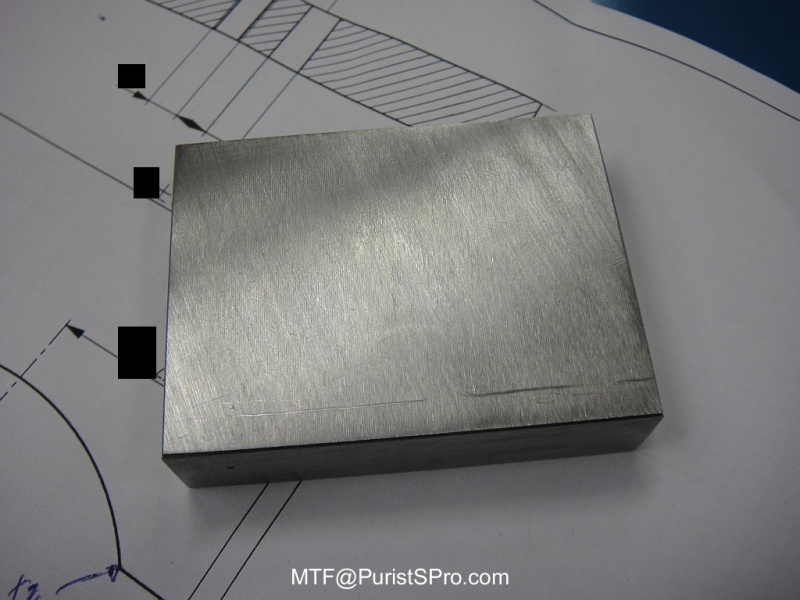
Starting with a solid block of steel
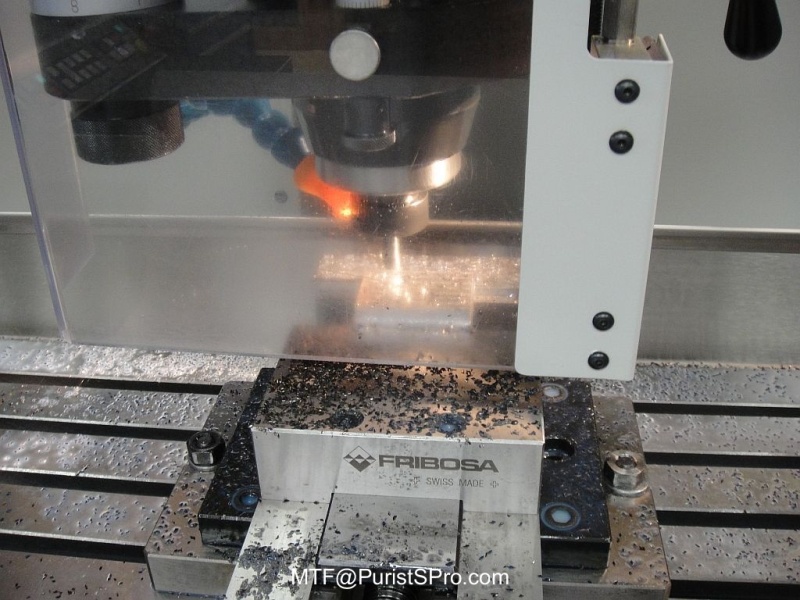
Machining the tool
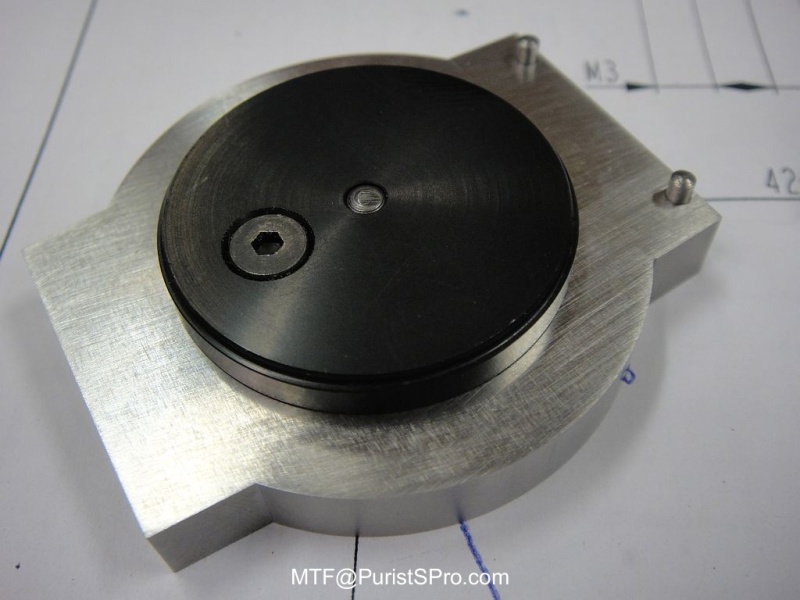
The tool is made and could be used to make the actual watch component.
Actually, this Master Reference tool will be used to make the final sets of manufacturing production tools.
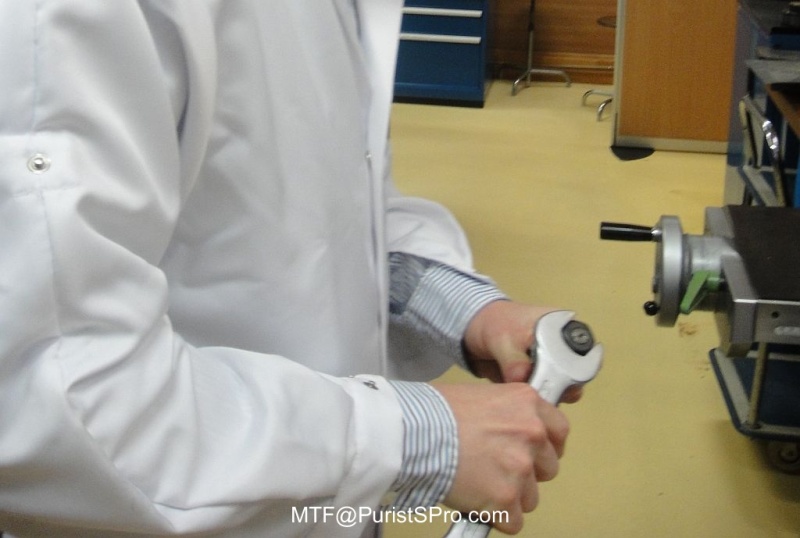
Sometimes, a bit of "engineer persuasion" by hand is the solution......of course, that is written in jest.
In reality, the tolerances are very fine indeed, Some gear wheels are a mere 0.12 mm thick, scarcely more than a hair’s breadth (0.08 mm). Some components even measure as little as 0.07 mm so the tolerances that the production tools are subject to in order to achieve those production tolerances are even smaller.
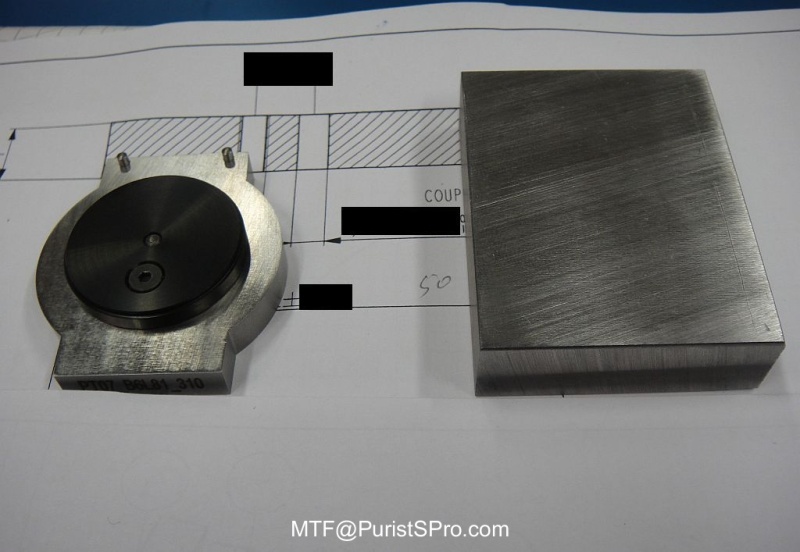
Before and After the Tooling Engineer has made his contribution
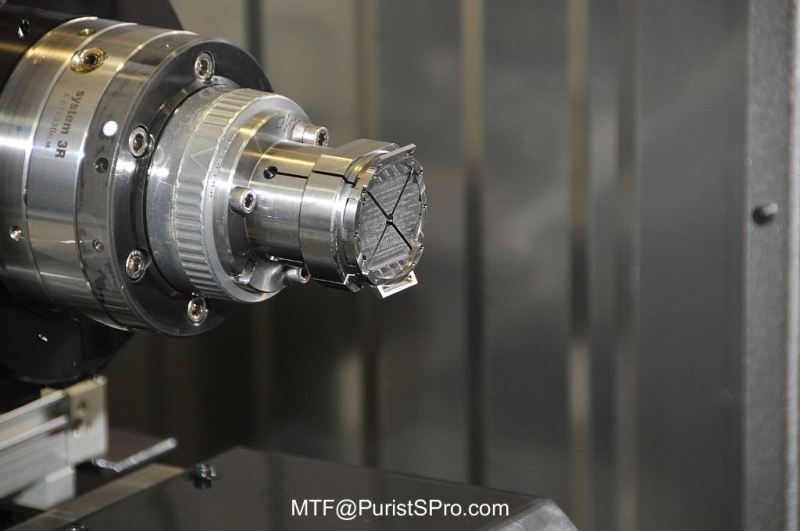
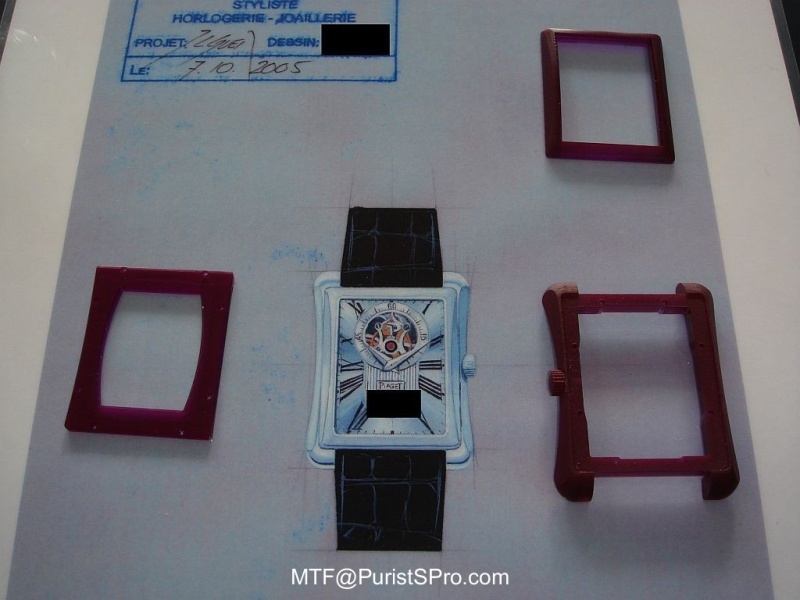
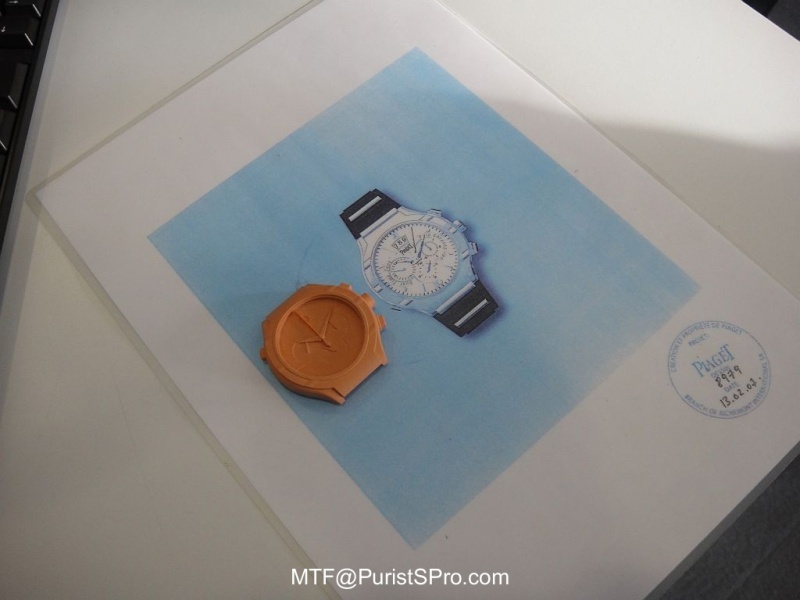
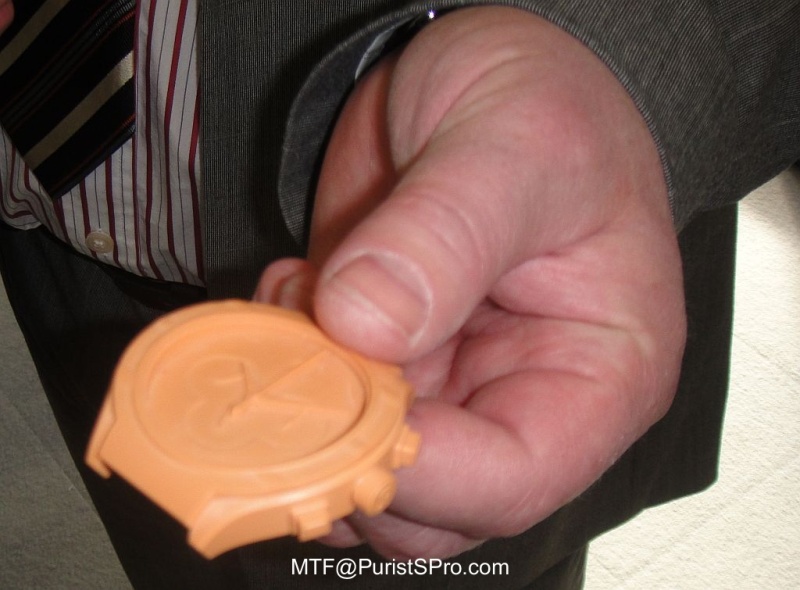
The engineers work closely with the designers during the design, prototyping and re-design cycles. The same data from the CAD (computer aided design) drawings are used directly into the engineering specifications to program the CNC (computerised numerical control) milling machines.
For some complicated prototyping work, the engineer has to manually work the machines.
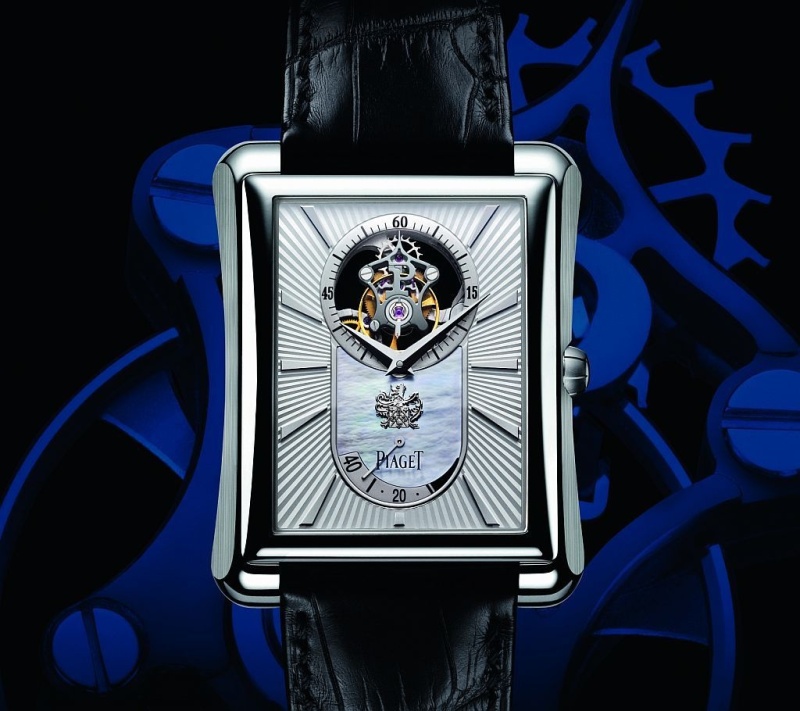
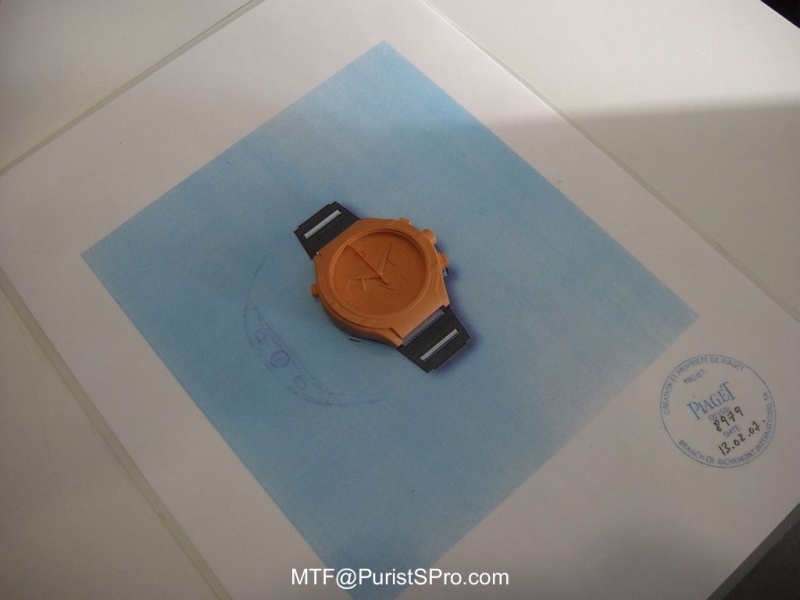
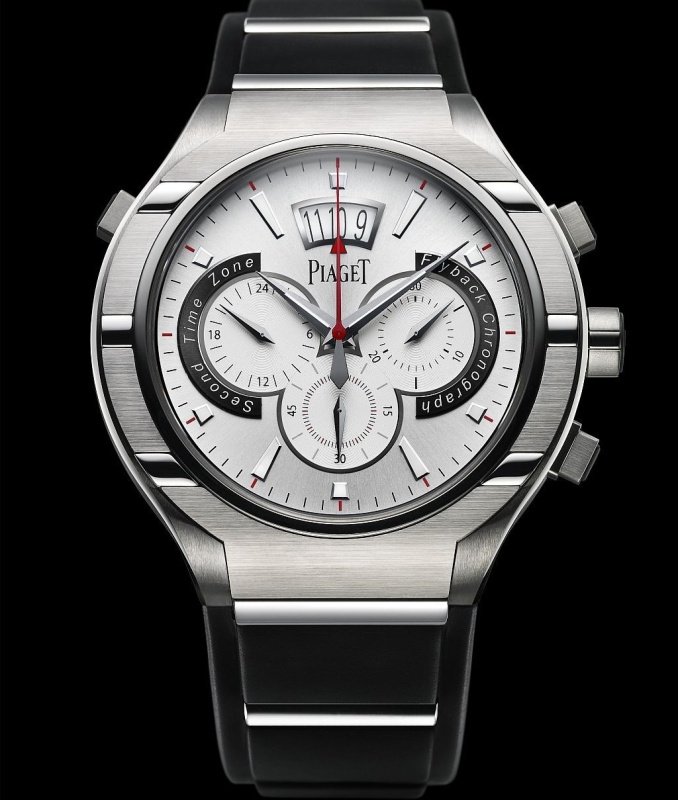
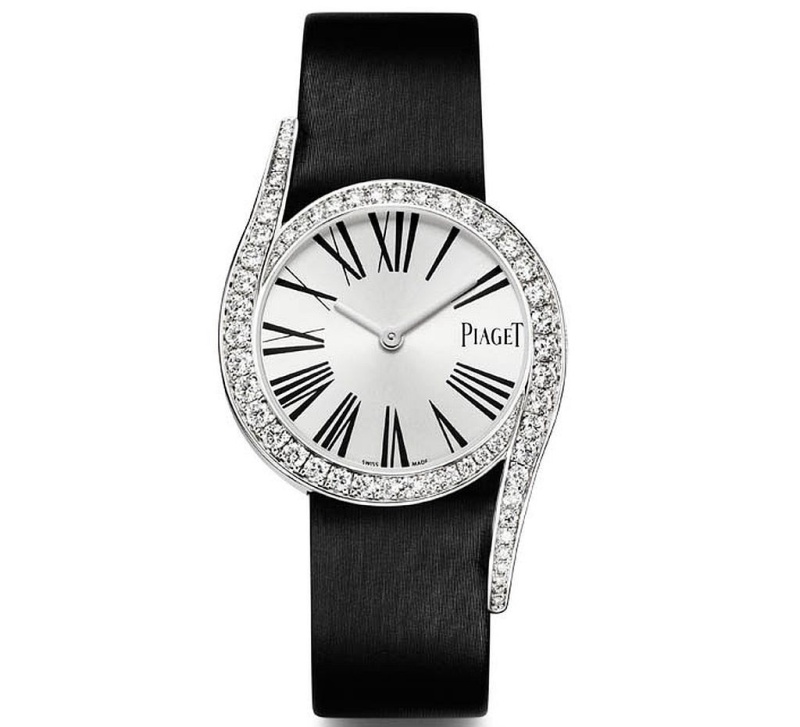
Here are some examples of the process from Design through Engineering to Products.
Piaget Technique & Aesthetic series:
Piaget Technique & Aesthetic: Part 1 – Design: CLICK the following link
piaget.watchprosite.com
Piaget Technique & Aesthetic: Part 2 – Enamel: CLICK the following link
piaget.watchprosite.com
Piaget Technique & Aesthetic: Part 3 – Gem-setting (Watch Making): CLICK the following link
piaget.watchprosite.com
Piaget Technique & Aesthetic: Part 4 – Gold Thread Embroidery: CLICK the following link
piaget.watchprosite.com
Piaget Technique & Aesthetic: Part 5 – Hard Stone Dials: CLICK the following link
piaget.watchprosite.com
Piaget Technique & Aesthetic: Part 6 - Engineering: CLICK the following link
piaget.watchprosite.com
By: Dr Melvyn Teillol-Foo (2013)
These cases have sensual curves... Fx
FrX, Thanks. You make a good point about the curves of Piaget watches. We asked the designers where they got inspiration from. Of course, this was with the background that certain famous clients ordered specific items that eventually influenced the later designs. For example: Salvador Dali and Maurice Chevalier did so. Sources of inspiration for Piaget: Patrimony, historical references with specific know-how but also motifs of shape (heart, rose, cushion) and materials (hard stones) that are imp
... of Piaget after seeing these behind-the-scenes posts. Understanding the steps that occur behind the final watch adds enormously. Piaget do those complex cases with brushed and polished surfaces and convex and concave shapes that hug the wrist so beautifully. I am always impressed with the ergonomics as well as the style when I visit the Boutiques. Looking forward to future insights. Andrew
It may just be a coincidence but the current Mrs MTF and I seem to buy watches after visiting the factory. It happened after visits to Glashuette Original, Patek Philippe, and Girard-Perregaux. It happened before and after visits to Audemars Piguet, and Chopard. Most of the above were on PuristS on Tour (PoT) visits and the focus was mainly on the movements. The Piaget visits were to both movement (La Cote-au-Fees) and case/bracelet/gem-setting (Geneva) factories. The latter was an eye-opener be
452 Piaget listings are live on the eBay market and 33 collector listings on the WatchProSite marketplace.
This thread is active on the Piaget forum with 4 replies. Share your knowledge with fellow collectors.
Join the Discussion →