
Vintage
tdn.dk's quest to identify an Omega pocket watch caliber from approximately 1917, and his inquiry into its potential as a "railway watch," opens a fascinating window into Omega's early horological innovations. This discussion highlights the historical significance of Omega's foundational movements and the intricate details collectors examine to authenticate and categorize vintage pieces.


Hi!
I also collect Omega pocket watches. Most often you can see the caliber number stamped on the movement, but on this one I can not see it.
I've tried a find a similar and my guess is Cal. 19 LOBNN, but would like to hear what you think. (see below)
In addition, this clock has a train wheel at the rear. Omega has made watches for many railway companies in many countries and these watches had typically a more accurate caliber. Could this watch be a "railway watch"?
approx. 1917
Thanks..
Best Thomas
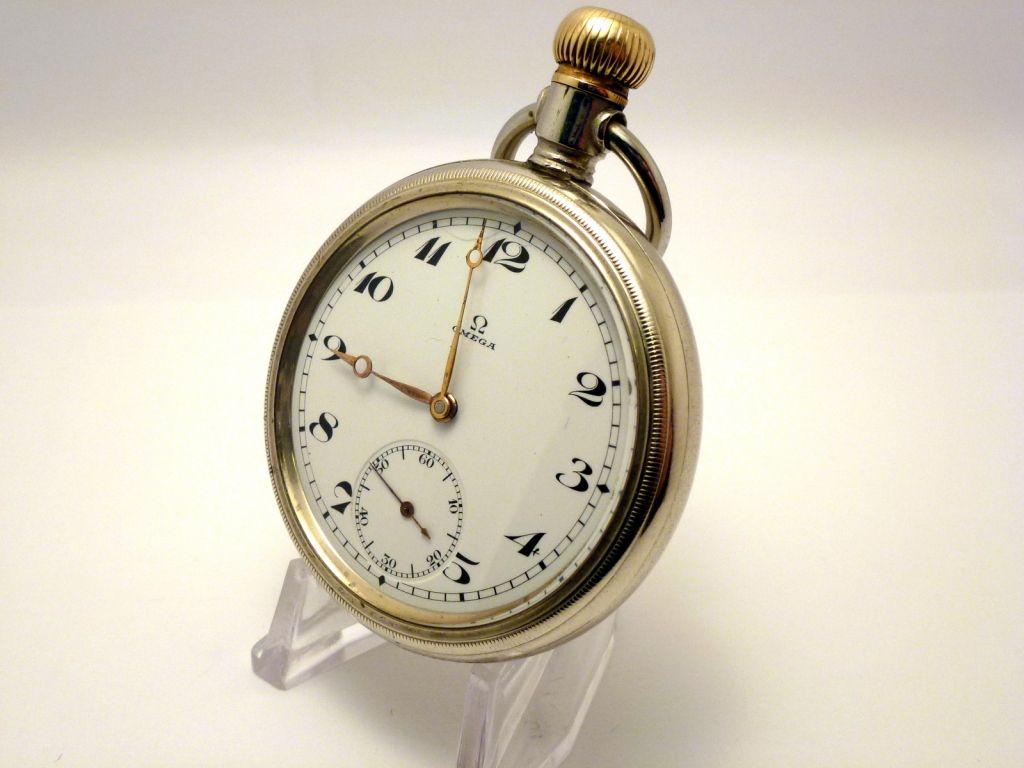
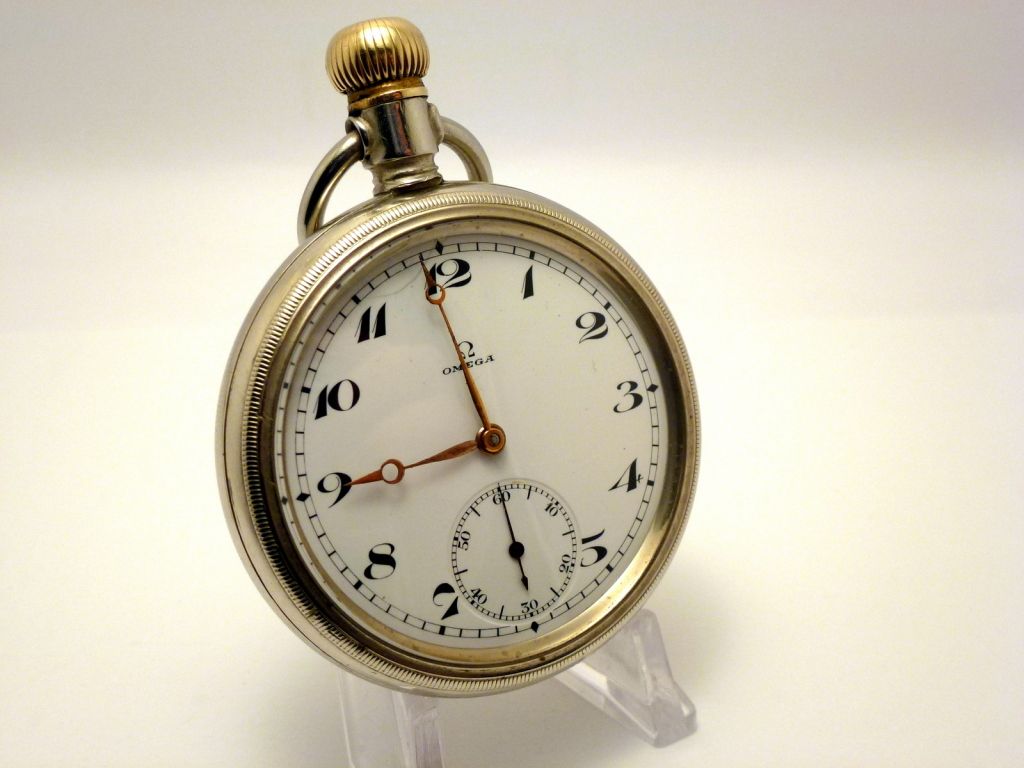
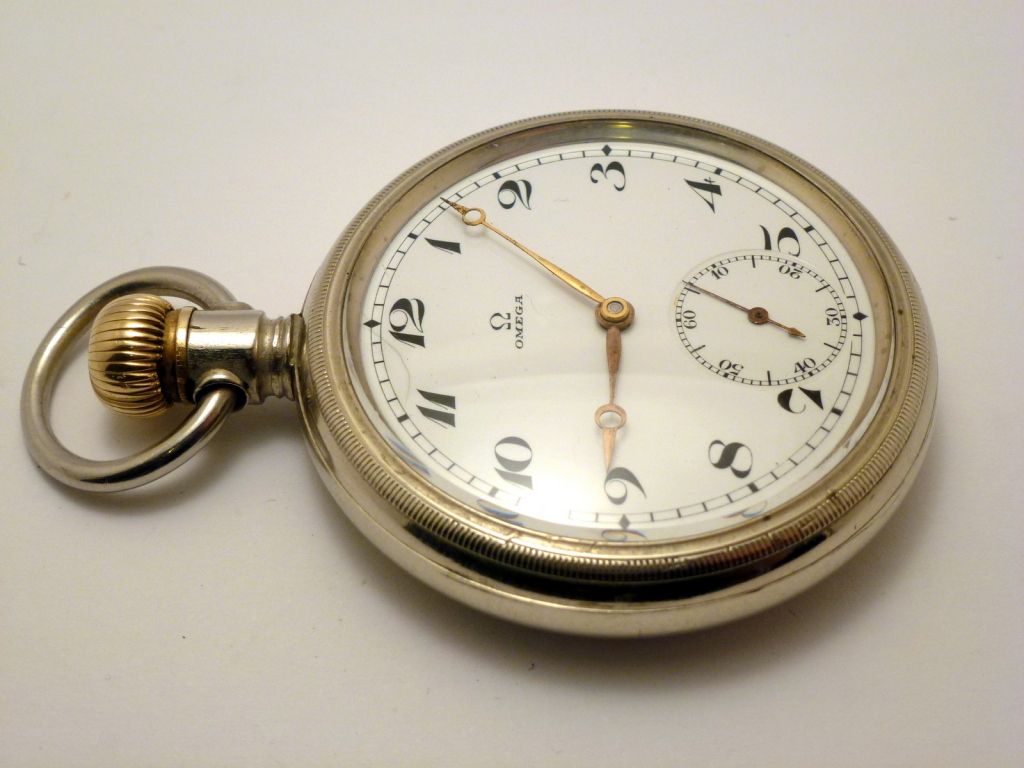
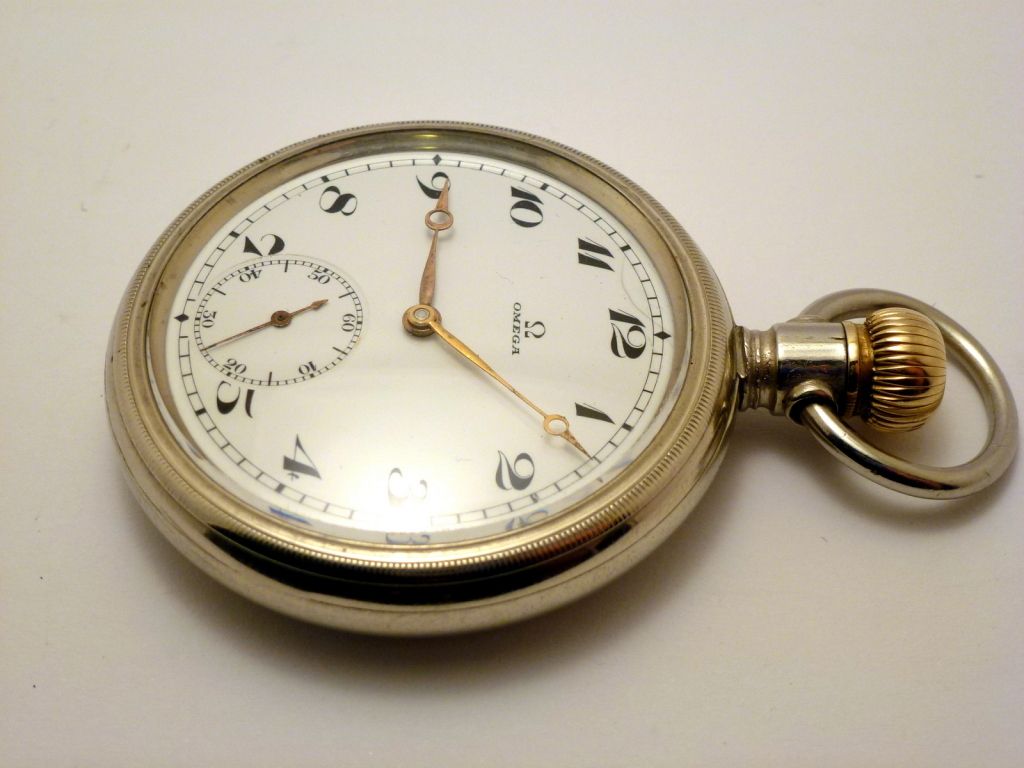
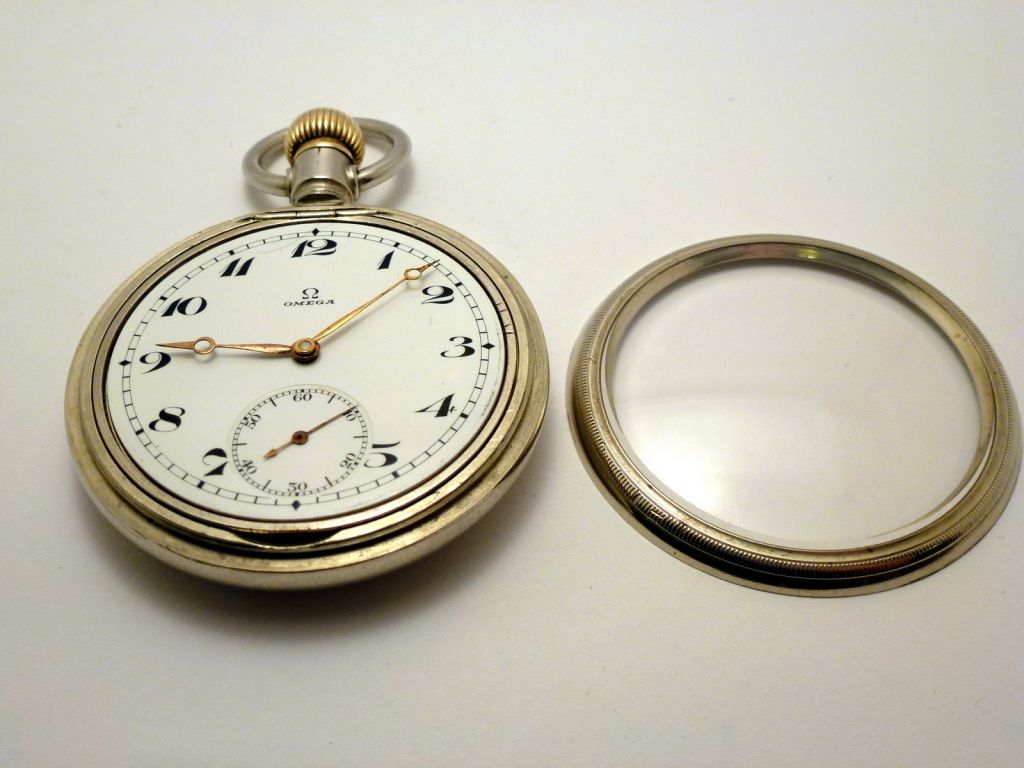
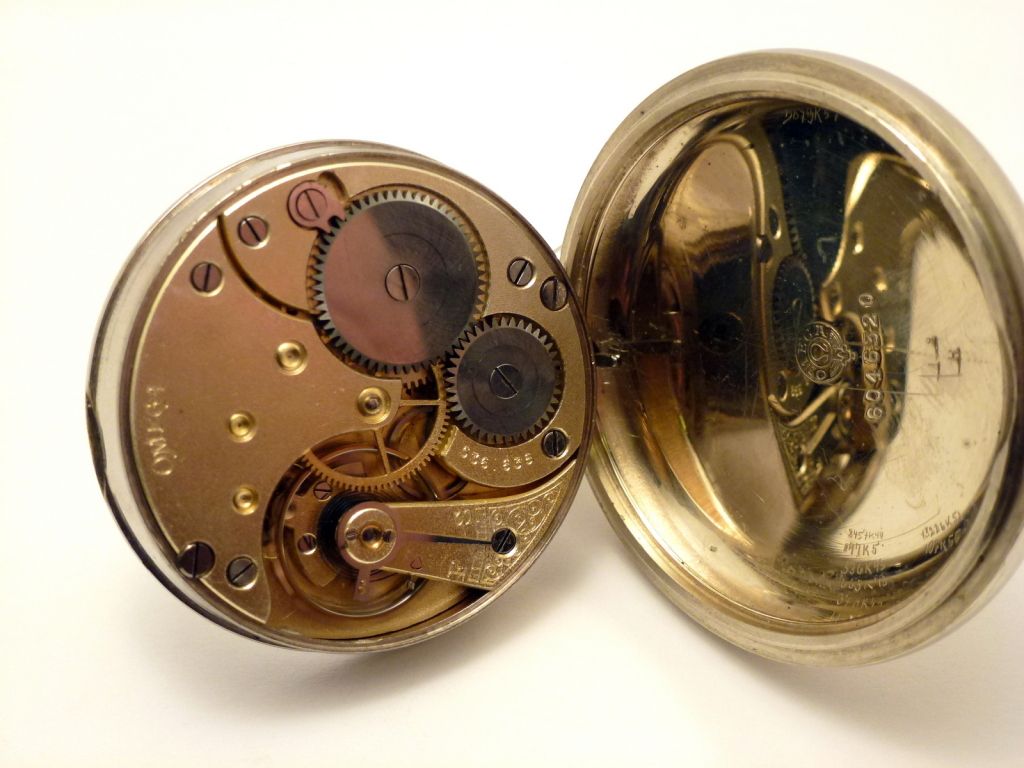
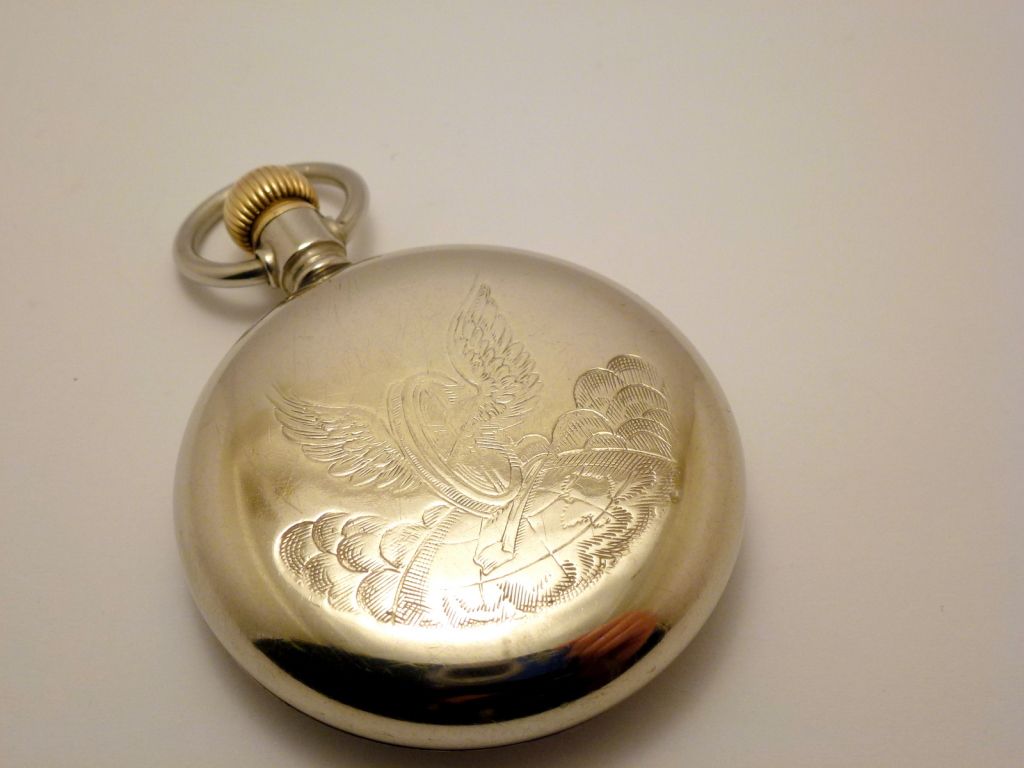
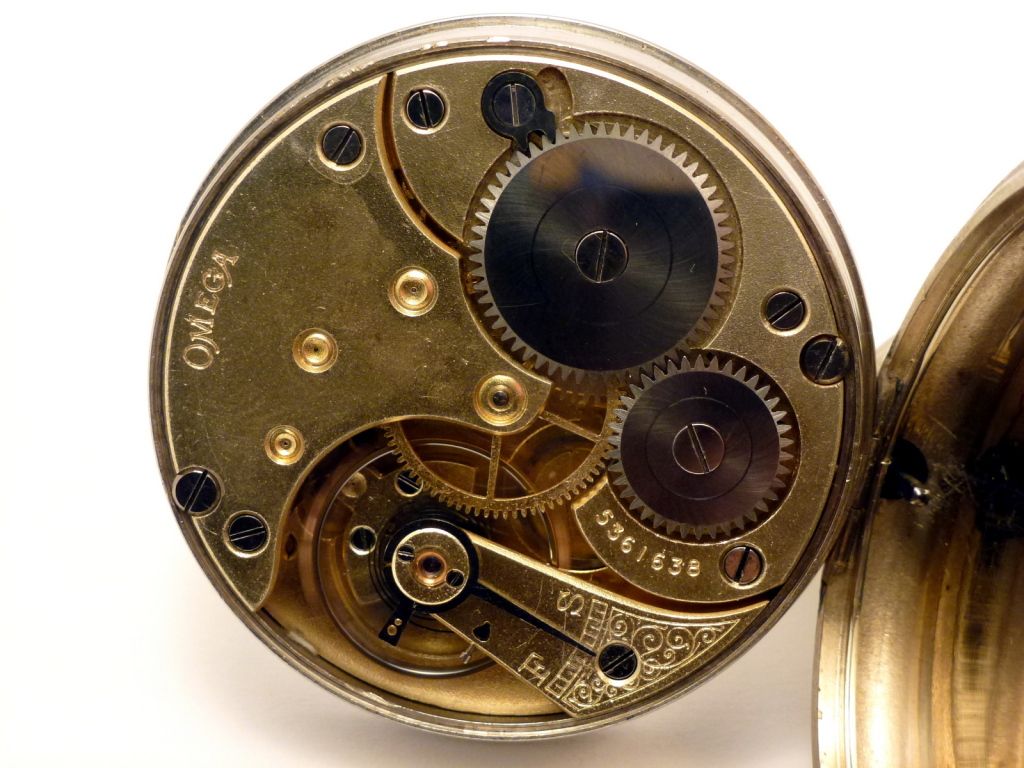
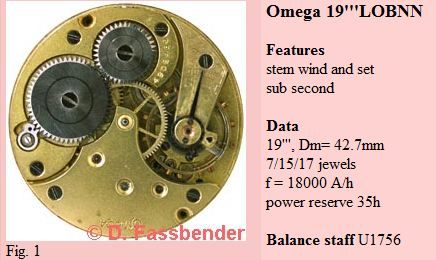
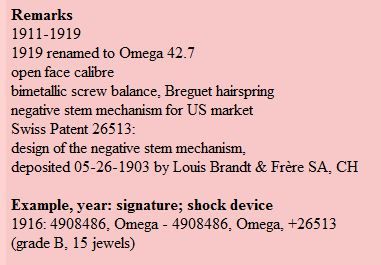
Hi Thomas, would like to know the exact diameter for determination. Might have been designed for railway use due to the back - but what makes me uncertain about that is the very low number of jewels - none to be seen on the wheels... kind regards erich
Movement: 40,59 mm Watch: 52,50 mm. Best. Thomas
A calibre 40.6 L 15 p then? But they do not have a pattern engraved like the 19'' and the 19'' is 42,7 mm according to Rannft ?? Best Thomas
Hallo Thom. This is the very movement which made Omega famous; when it was introduced (size 19''') it was actually called caliber "Omega" (the wellknown story about the namegiving by banker Rieckel). It proved to be a big succes and within a couple of years it was available in sizes 15 - 17 - 18 - 19 - 20 lignes (for men) and 10 - 11 - 12 - 13''' (for ladies). Moreover, practically all sizes were offered both in Lépine version and Savonette. And that's not all: depending on what accuracy you wis
kind regards. achim
The finest of the series, grade D , with 16 or 17 jewels was available as chronomètre from size 13''' up to 20''' with a 'bulletin' issued by the Bureau / Observatory in Bienne, Neuchatel or Genève - adjusted to variations of less than a minute per month, in 5 positions and under extreme temperatures. Consequently, evolving took place into: grade DD - very fine finished, for the bigger sizes 18, 19 and 20'''. grade DR - with extra-fine finish, for 19 and 20''' with 19 jewels, balance screws in g
This thread is active on the Omega forum with 14 replies. Share your knowledge with fellow collectors.
Join the Discussion →