
Automotive
Cpt Scarlet's exploration of the Jensen Interceptor delves into the car's distinctive design and engineering, highlighting its unique features and historical context. This article offers a valuable look at a classic British grand tourer that, despite its innovations, ultimately led to the company's financial struggles. Readers interested in automotive history and design will appreciate this detailed overview.


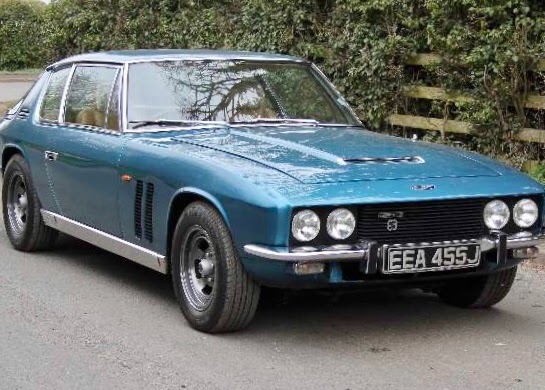
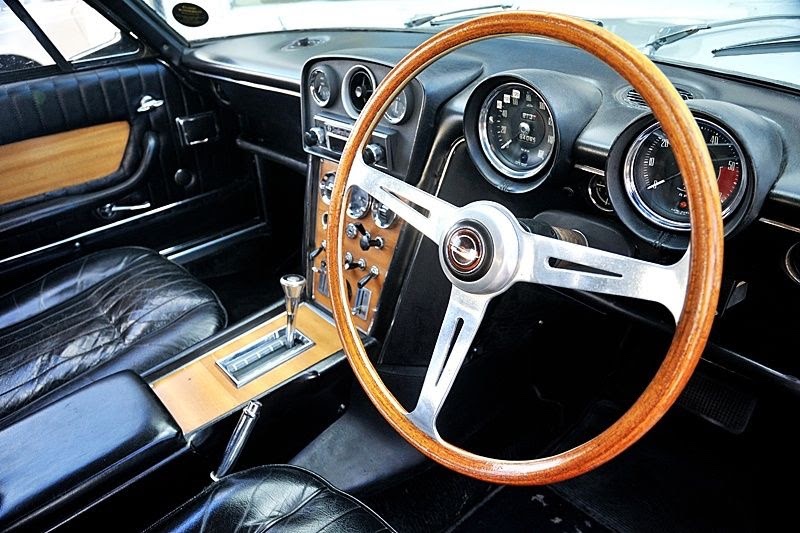
| Engine | 6276cc 16 valve Chrysler V8 |
| Power | 325bhp @ 4600rpm |
| Torque | 425lb ft @ 2800rpm |
| Top speed | 133mph |
| 0-60mph | 7.3seconds |
| Fuel consumption | 13.6mpg |
| Gearbox | Three-speed automatic |
| Dimensions and weight | |
| Wheelbase | 2675mm |
| Length | 4775mm |
| Width | 1753mm |
| Height | 1346mm |
| Kerb weight | 1675kg |
The Bulgari Fiftysix, reference 4600, was positioned as a contemporary offering within the brand's collection, blending traditional watchmaking aesthetics with modern design elements. It aimed to appeal to collectors seeking a versatile timepiece suitable for various occasions.
The Fiftysix reference 4600 featured a case designed for comfort and presence on the wrist. The movement was engineered to provide reliable timekeeping, consistent with Bulgari's commitment to horological standards. Details regarding its specific caliber and finishing would typically highlight the brand's manufacturing capabilities.
From a collector's standpoint, the Fiftysix 4600 represented Bulgari's effort to expand its horological identity beyond its jewelry heritage. Its design cues and technical specifications contributed to its place within the broader market for luxury watches, appealing to those who appreciate a blend of classic and modern design.
Sadly it is also a cause of many cars corroding. Water gets trapped in and around the shut line.
As a Grand Touring car and not as a sports car. Torque was the the important statistic
The Series 1 pre HE cars are becoming scarce, my tip, by a good one now.
Early cars from 1975 are becoming recognised as classics. These cars will all need restoration but could be a good long term proposition. If you want something more drivable buy a post April 1994 car or even better a 1995 onwards Celebration Edition car.
Let me say first I love the look and concept of the Interceptor. I’ve always wanted one. But not yet bought one. I did some research on American engines fitted into Euro sports cars (I’m using US units) Buick / Rover alloy V8 215=318 lbs Chevy small-block V8 283/327=575 lbs Ford small V8 265/289/302 =460 lbs Chrysler 383/413/440 =640 lbs The Chrysler is larger and more powerful but exactly twice the weight of the Rover alloy V8. It completely fills the engine compartment of the Jensen. As typica
I agree with you Mike and would add that the problems that the Jensen Interceptor had were fairly common with cars from this era. Jensen had financial difficulties and Aston Martin went into administration in 1973. I have driven a few different Interceptors and they have a great road presence. My favourite was an early car that had been thoroughly restored with much appreciated improved cooling !
This thread is active on the Automotive forum with 48 replies. Share your knowledge with fellow collectors.
Join the Discussion →


