Amanico provides an in-depth look at the Jaeger-LeCoultre Grande Reverso, a significant new release from SIHH 2009. His detailed comparison of the stainless steel and rose gold versions against vintage models highlights JLC's success in modernizing an icon while preserving its essential elegance and proportions. The article explores the subtle design changes and technical updates that define this contemporary Reverso.
Jerome introduced us to the Grande Reverso, which was presented by JLC during the last SIHH, in January 2009.
In May, the first pieces landed, here and there, and I thought it was a nice opportunity to speak, once again, about this piece, the simpler one, not the Duo Date, which will come a bit later...
The Grande Reverso is available in Stainless Steel or in Rose Gold:
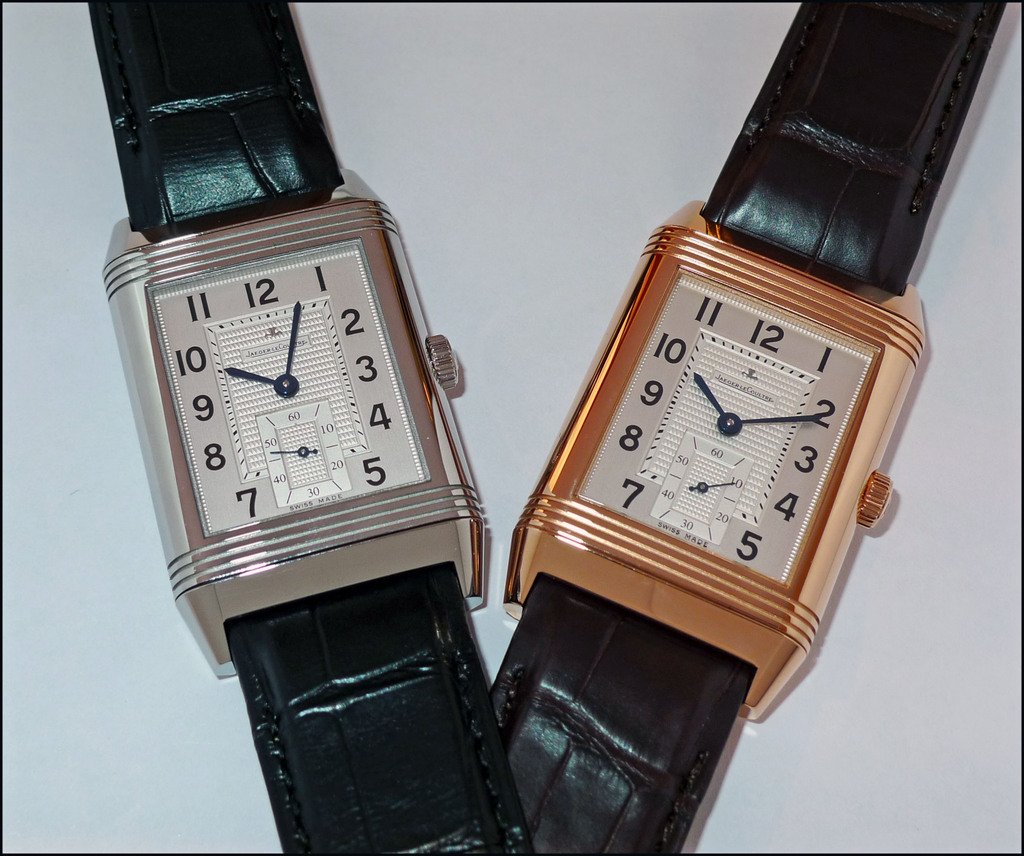
Each of these 2 versions is the expression of elegance and classicism, and I would dare to add...In its best!
Let's seem them in detail, and begin with the SS version.
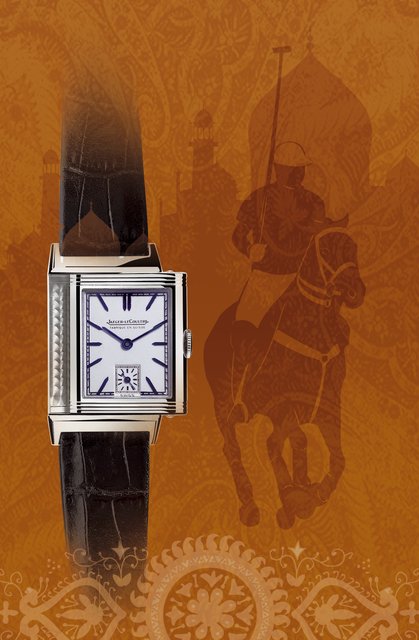
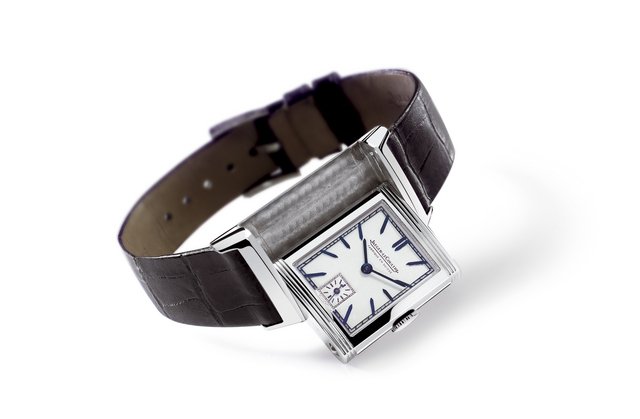
The SS version is a faithful re interpretation of the early White Dialed Reverso.
Here, the original:
Now, the Grande Reverso:
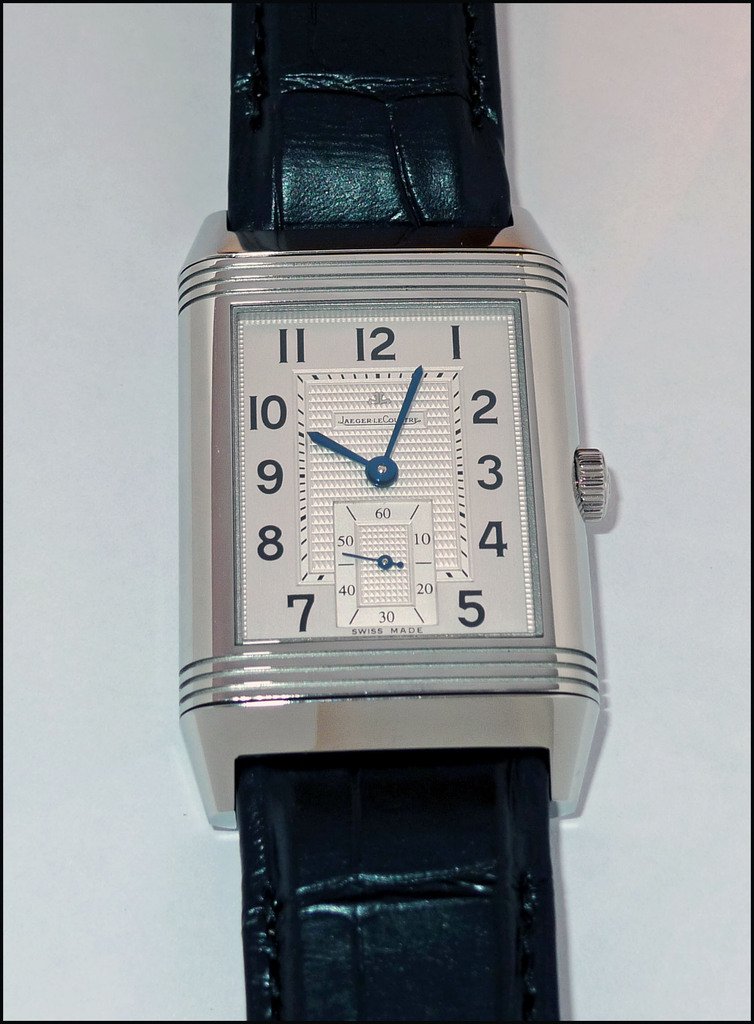
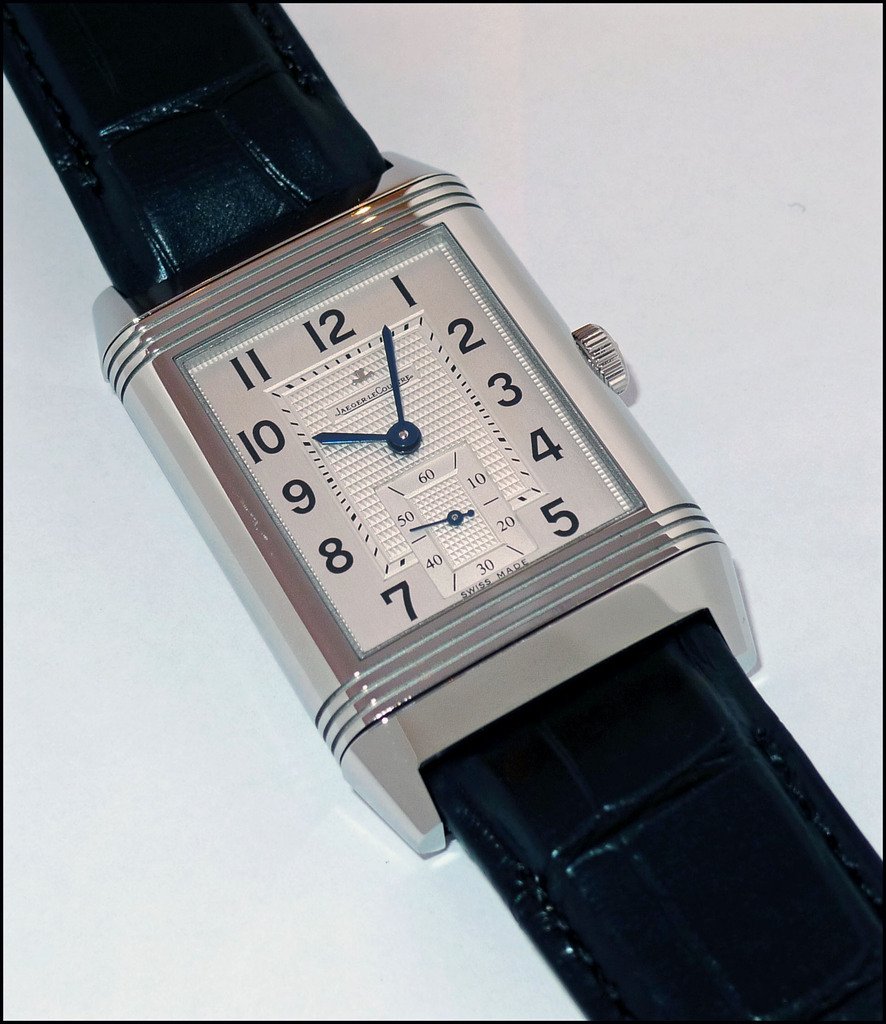
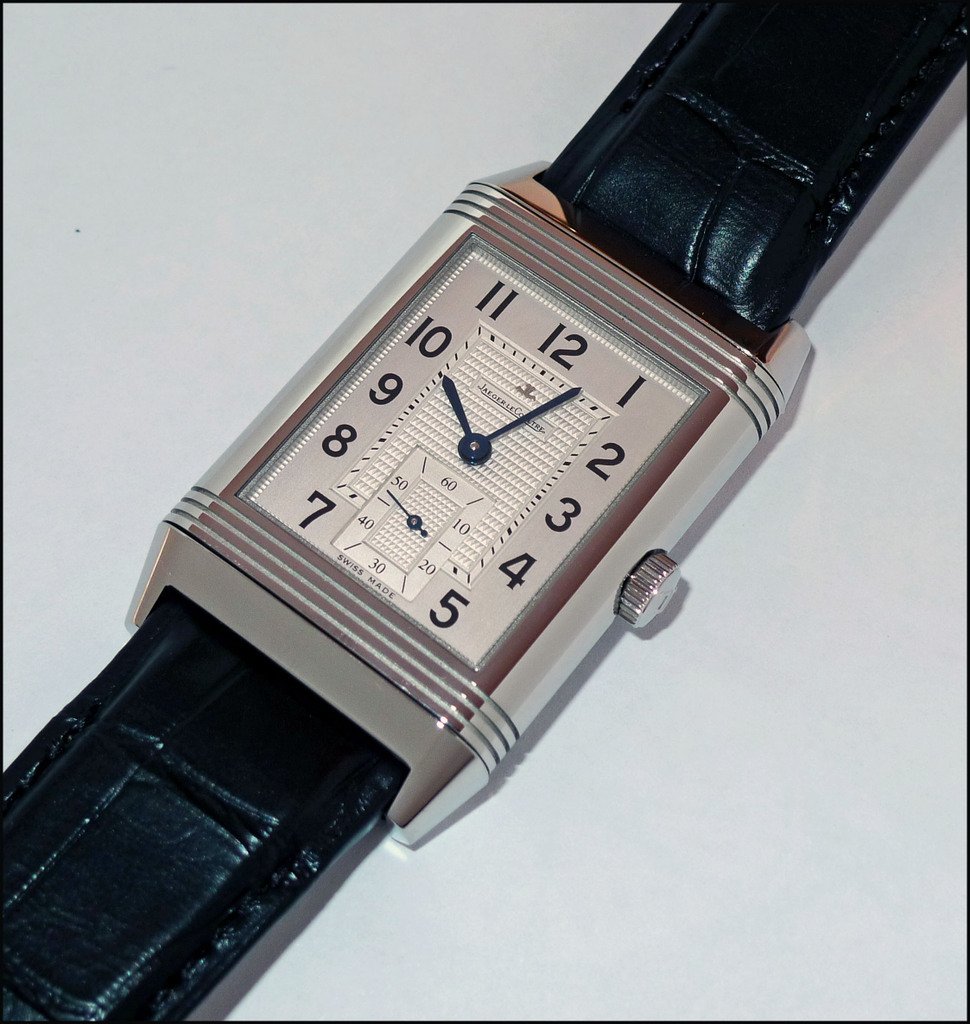
There are some obvious differences, of course, but the spirit is still here!
On the Vintage, you have a smooth dial, while on the Grande Reverso, the dial is guilloché, on the main part and also on the small second counter.
The index numbers replace the baton, too, and, of course, the size is not the same.
About the size, some pics are worth a thousand words.
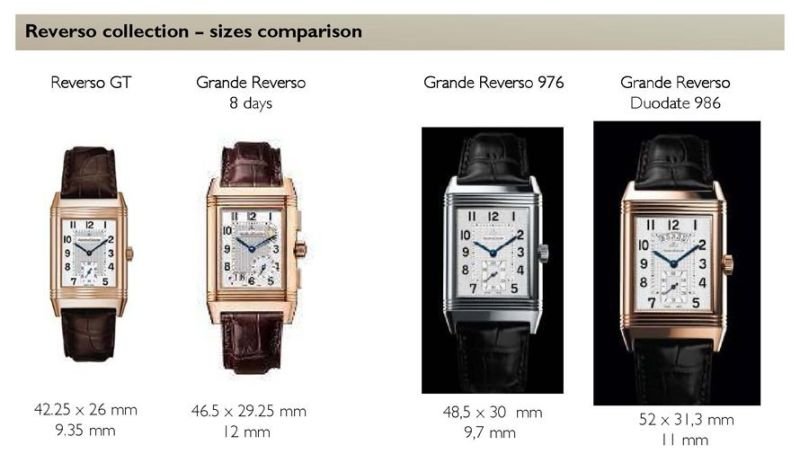
From the 42 x 26 mm of the GT case, to the 46 x 29 mm of the XGT case, we now have, with the Grande Reverso some sligtly bigger dimensions: 48, 5 x 30 mm so, 2,5 and 1 mm bigger, compared to the XGT case, but a world apart compared to the original size of the Vintage Reverso ( 39 x 23 mm ).
Here, a comparison pic representing a Reverso 70eme ( XGT case ) between the 2 Grande Reversos.
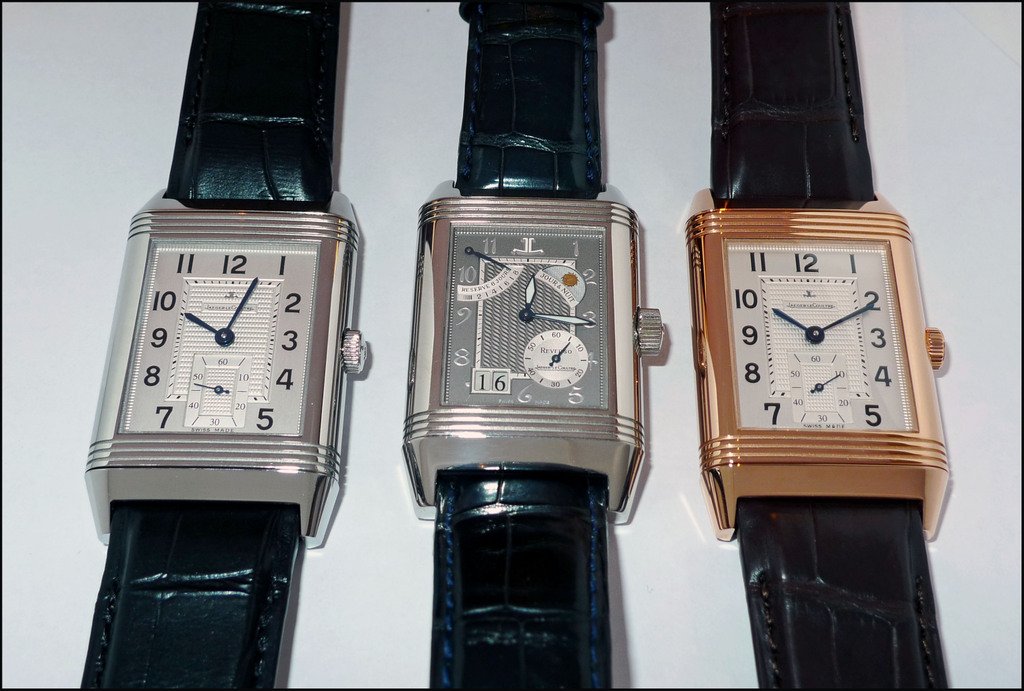
As you can see, the difference is subtle!
The very good point is that even if the case of the new Grande Reverso is bigger, from decades to decades, it doesn't loose its harmony, the spirit of the original design.
It was a great defy, as usually, when you enhance the size of a watch, you loose something from the original design, a kind of alchimy which works very well with the initial design ,the initial volumes.
Here, no problems, no " vulgarisation " of a mythical watch, just elegance and harmony.
Look at this Beauty! :
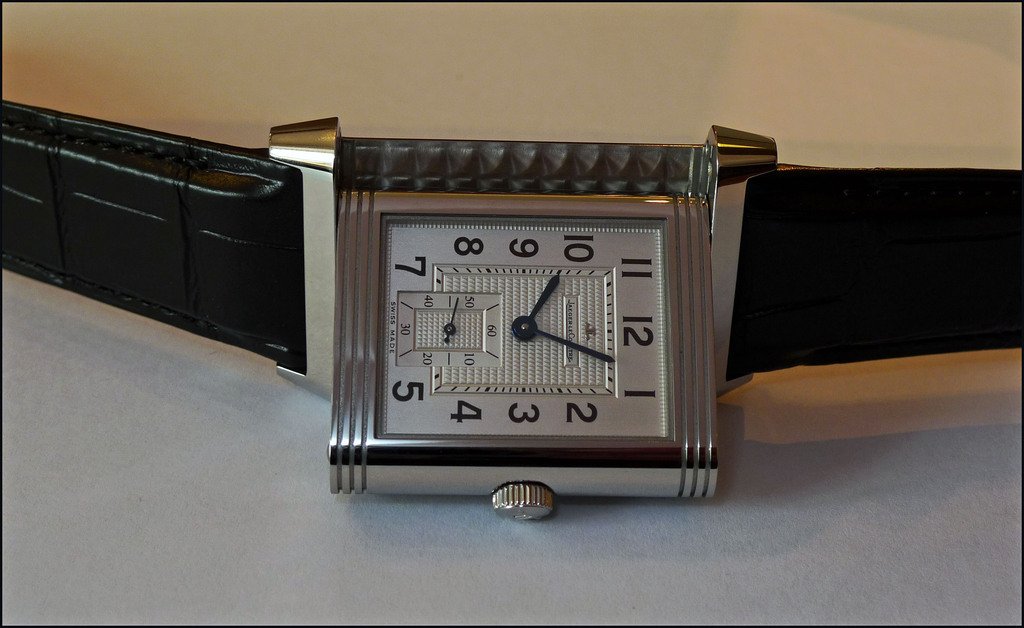
Sensual, isn't it?
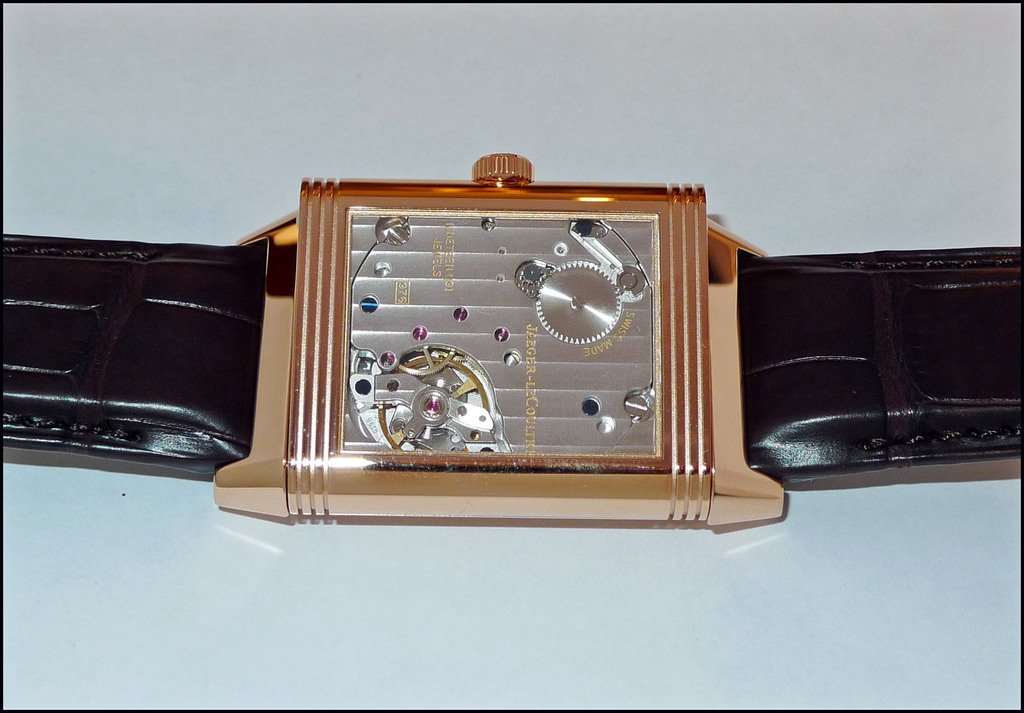
The case back is maybe the part of the watch which is the less faithful to the original, because JLC opted for a sapphire case back ,instead of the original soild case back.
With one exception, the movement.
Of course it is a modern one, with all the new technologies housed, like a variable inertia balance beating at 28 800 vibrations per hour, for a better accuracy, while the original cal 11 ( NB, the first movement used in a Reverso was the Tavannes, I speak here about the 1st Lecoultre movement, introduced since 1933 ), beated at 18 000 vibrations per hour.
BUT, if you look at the shape of the Cal 976, you may find some similarities with the original Cal 11.
Another reference to the past?
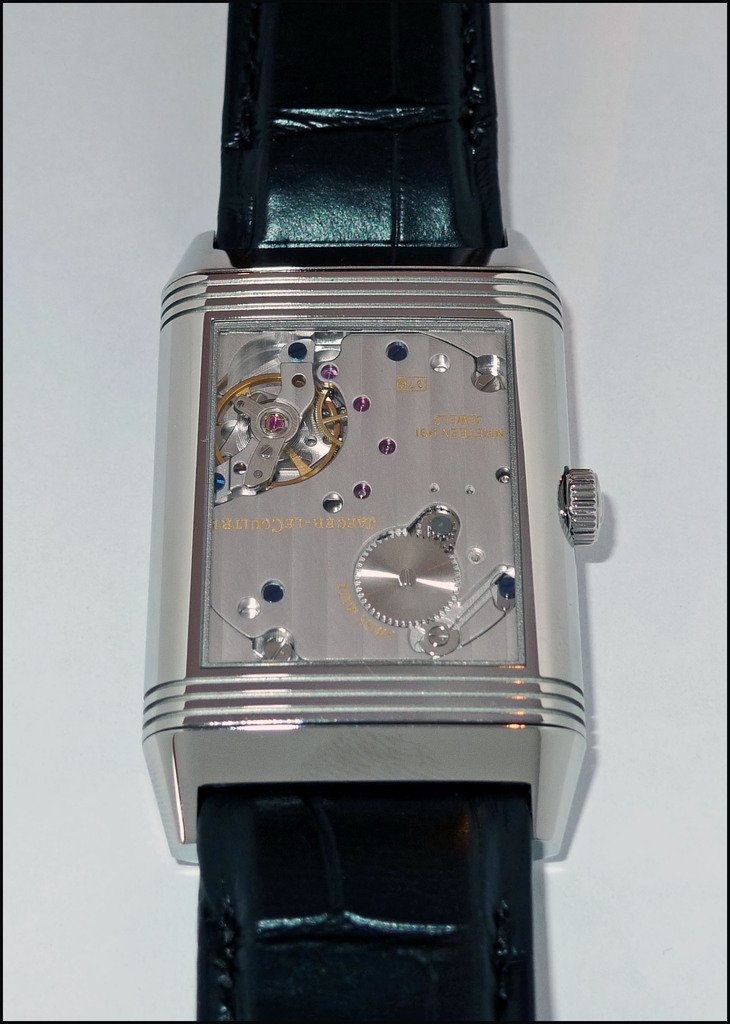
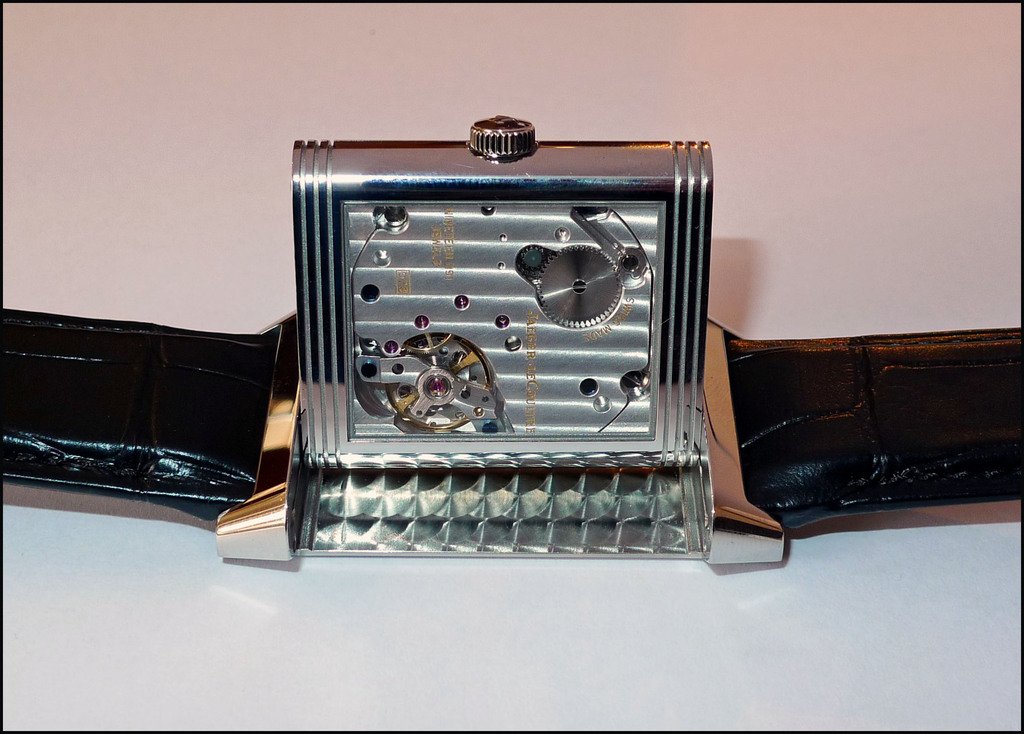
Some will maybe prefer the solid case back, or a sapphire case back but with more visible parts of the movement, rather than a 3/4 mainplate, but the outcome is not bad at all!
The Rose Gold version of the Grande Reverso adds some warmth instead of the understated elegance of the SS.
Warmth, and contrast, too:
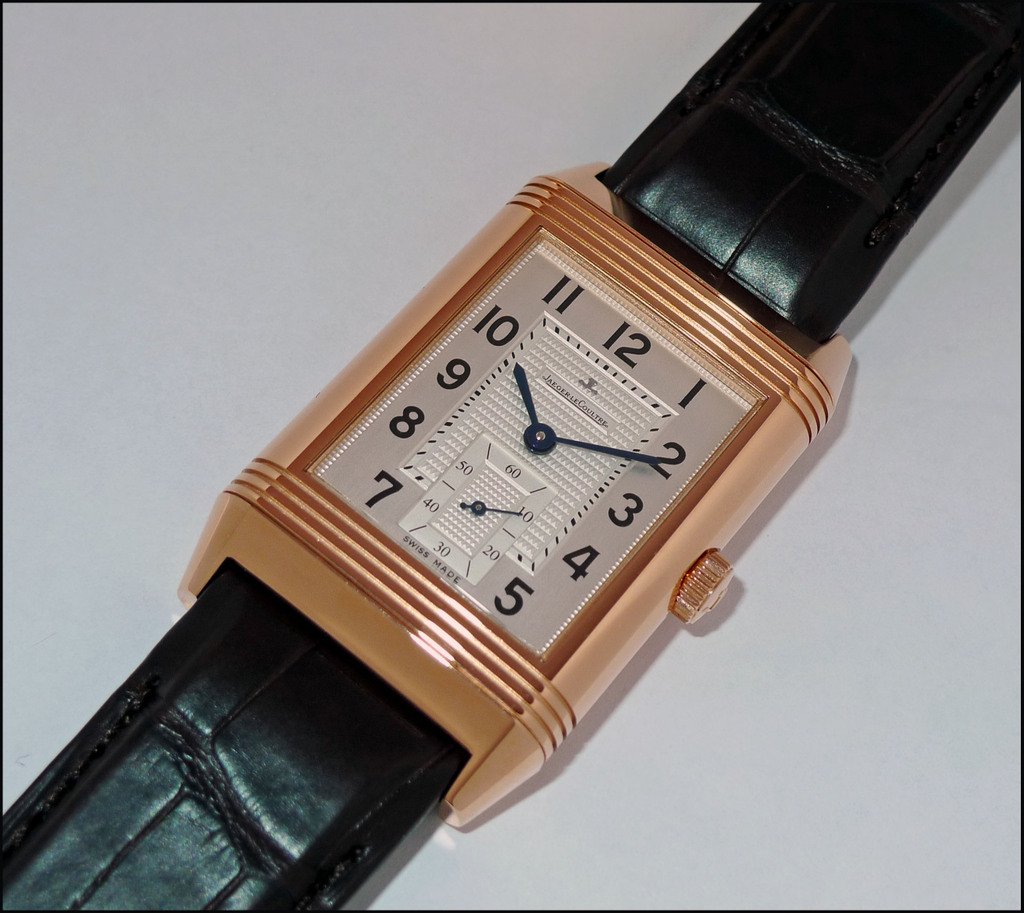
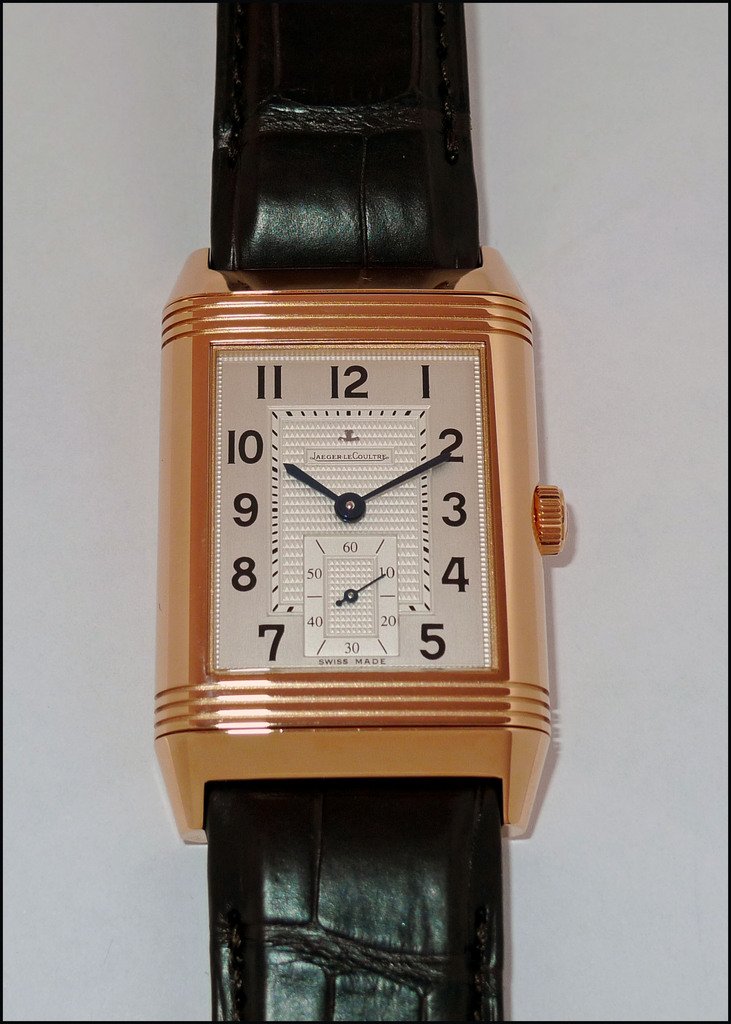
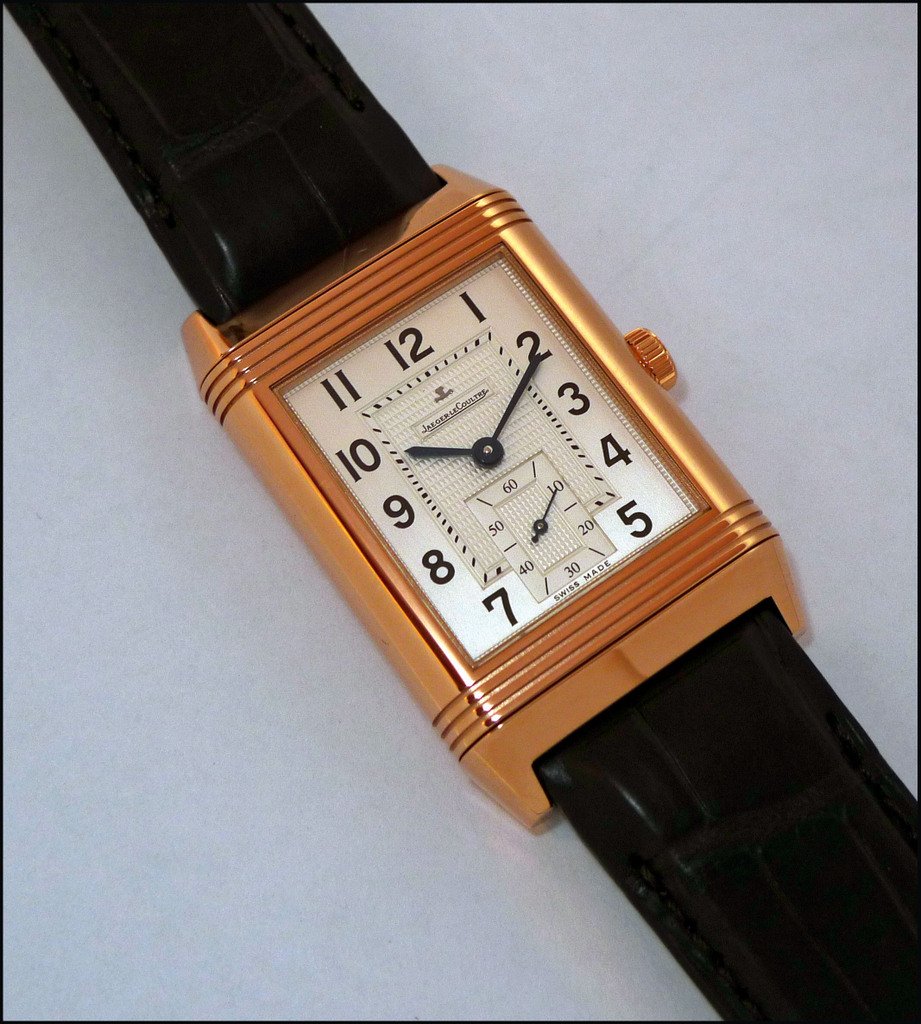
Warm or discrete, in both cases, Elegance is here...
Now, I dream of a black dialed SS Grande Reverso!
Hope you will enjoy this post, before putting on line the Grande Reverso Duo Date!
Best,
Nicolas
This message has been edited by amanico on 2009-07-28 04:21:09 This message has been edited by amanico on 2009-07-31 15:16:57 


