In the intricate world of horology, the terms "finishing" and "decoration" are often used interchangeably, yet they represent distinct processes critical to a watch's performance and aesthetic appeal. Esteemed contributor amanico delves into this nuanced distinction, drawing upon insights directly from the Jaeger-LeCoultre Manufacture. His exploration provides a foundational understanding for collectors seeking to appreciate the true craftsmanship behind a movement.
It is very difficult to try to give a good definition of the words " Finishing " and " Decoration ".
Indeed, in our Watch lovers world, we always mention the finishing of a movement, to say that it is great or poor.
You will see, here, that the reality corresponds to different situations.
According to the people I met in the assembling and encasing workshop, at the Jaeger-Lecoultre Manufacture, finishing includes all the operations which will allow the parts to work together.
Jaeger Lecoultre kindly sent me a text providing some technical informations.
" These operations consist of matching up going-train parts (wheels, barrel drums or covers, cannon pinions, intermediate wheels) with their pivot holes.
This enables their diameters to be adjusted to within two microns and to make them perfectly concentric (around 0µ).
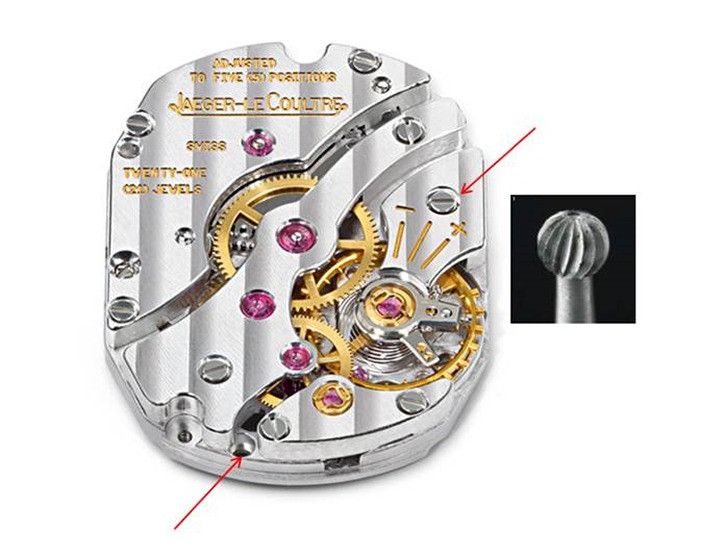
The decorations carried out here consist of diamond-cut sinks (flat or round) and counterpiercing.
- Counterpiercing is a decorative operation, done by hand or on a machine, enabling a chamfer around the pivot hole. The 90° angle is bevelled to 45°.
- The diamond-cut sink is a decorative recess made with a rotating or fixed diamond bit. The sink can have a rounded or flat surface, the latter reflecting more light than the former. "
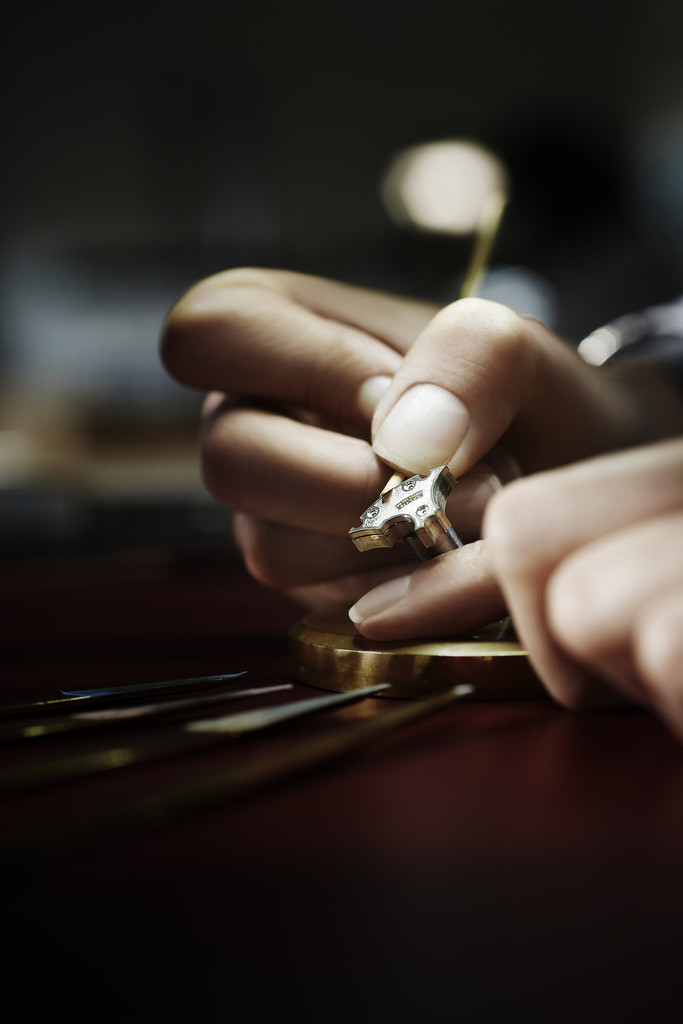
Here, the Cal 822, with the rotative diamond " head ".
So, if a part is too " rough ", you have to polish it in order to reduce the frictions ot the minimum and to ensure the movement a longer life.
We can say that finishing is more functional. I add " more " because some décorations, as explained above, are part of a movement finishing.
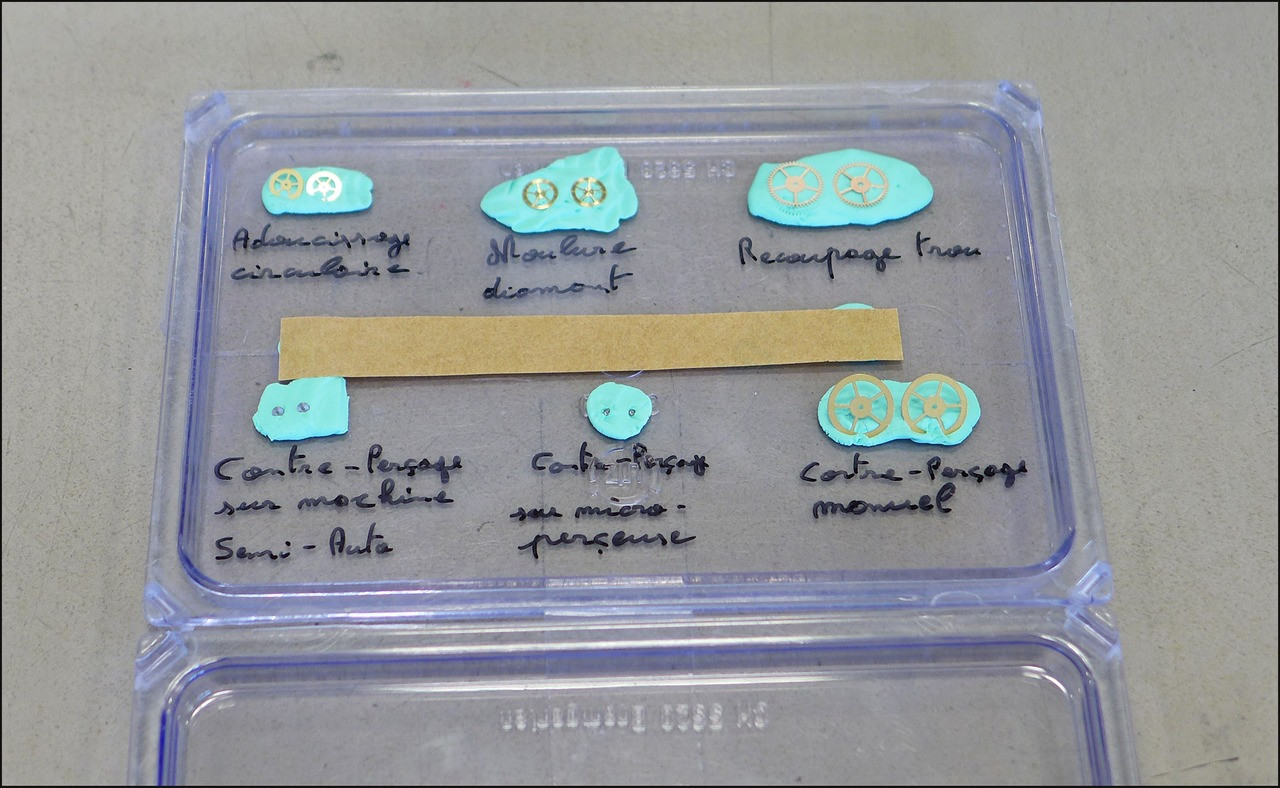
Here are some traditional décorations which are part of the finishing:
Circular polish, Diamond moulding, Counterpiercings are the technics shown on the picture I took at the assembling and encasing worshop.
Decoration is more about aesthetics.
A decorated movement will not work, if not finished, and a finished movement may well not be much decorated, to try to make it simple.
Decoration through some well know words:
Perlage ( Stippling ), Anglage ( Beveling ), Cotes de Genève which can be straight, circular ( Colimaçonnage ) or Sunray ( Soleillé ), Mirror Polish ( Poli Miroir ) belong to the belle horlogerie lexicon, definitely.
It is funny to notice how many french words are used and understood in the whole world to describe a movement!
Some examples to illustrate these different technics.
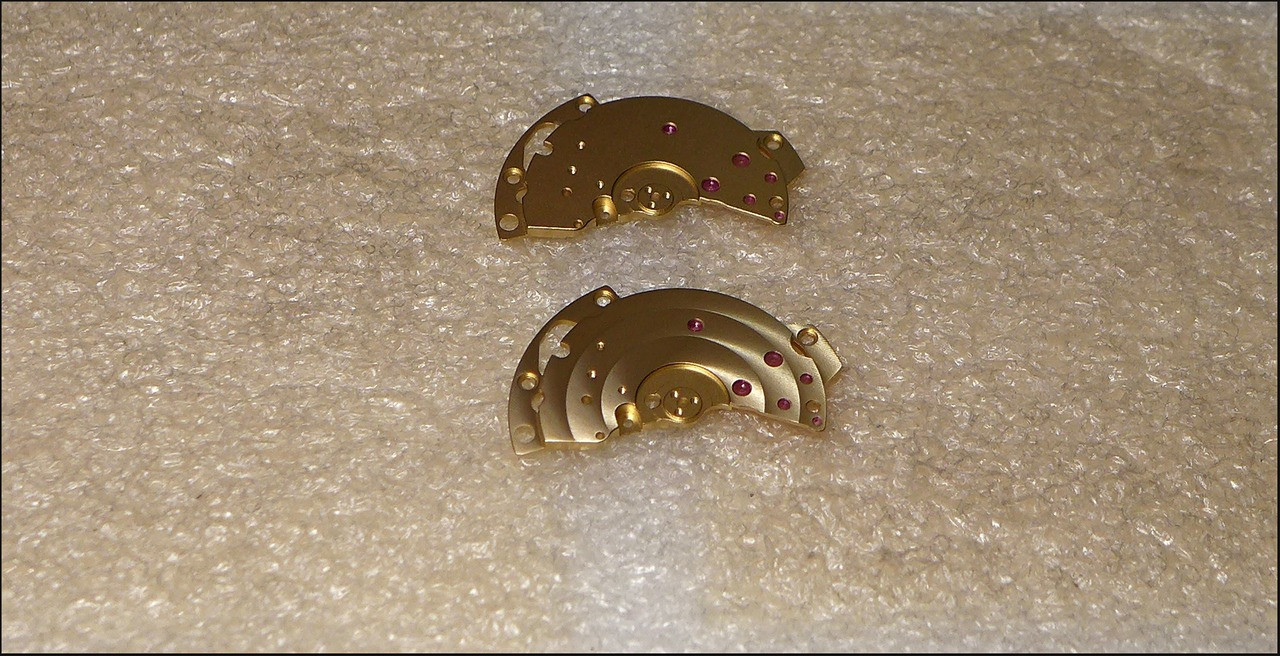
Perlage. Before, on your right / after, on your left.
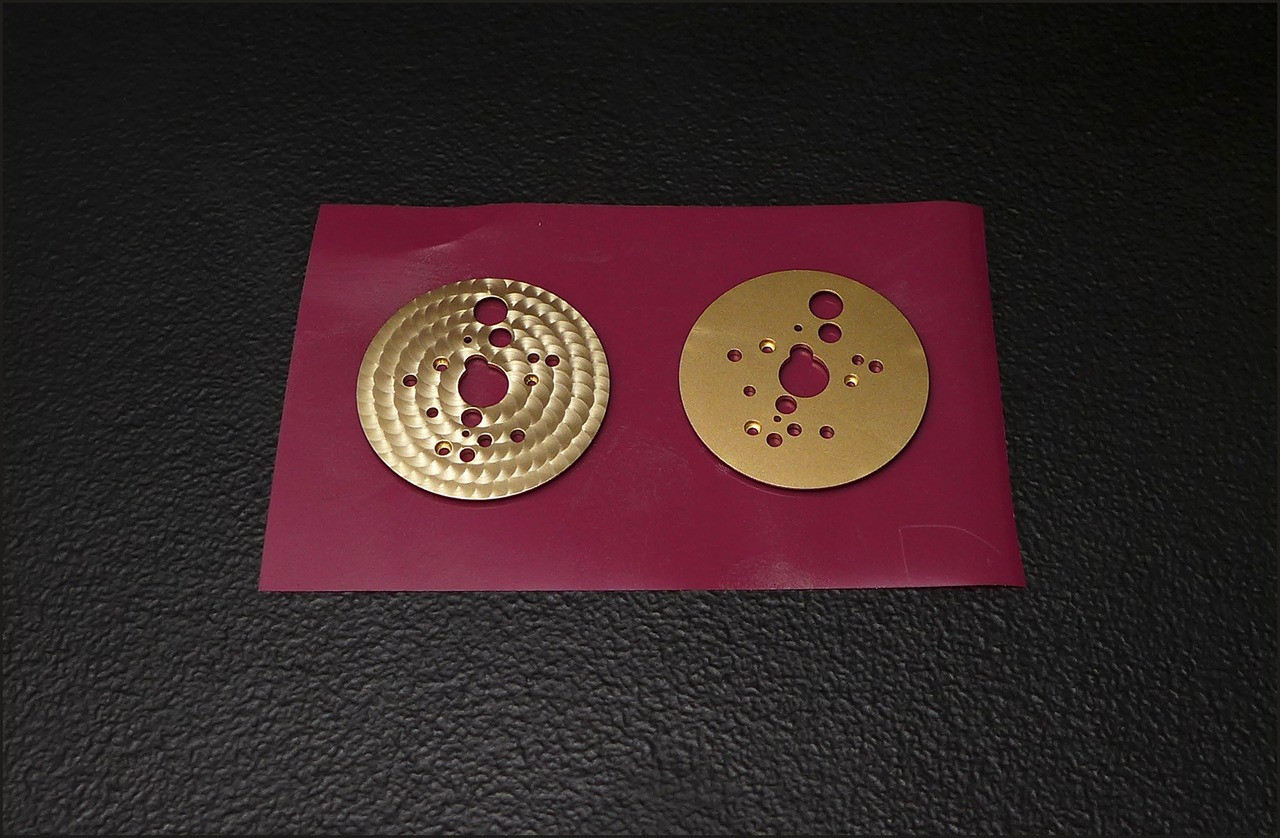
Colimaçonnage. Before, above / After, below:
Anglage:
Cotes de Genève, straight:
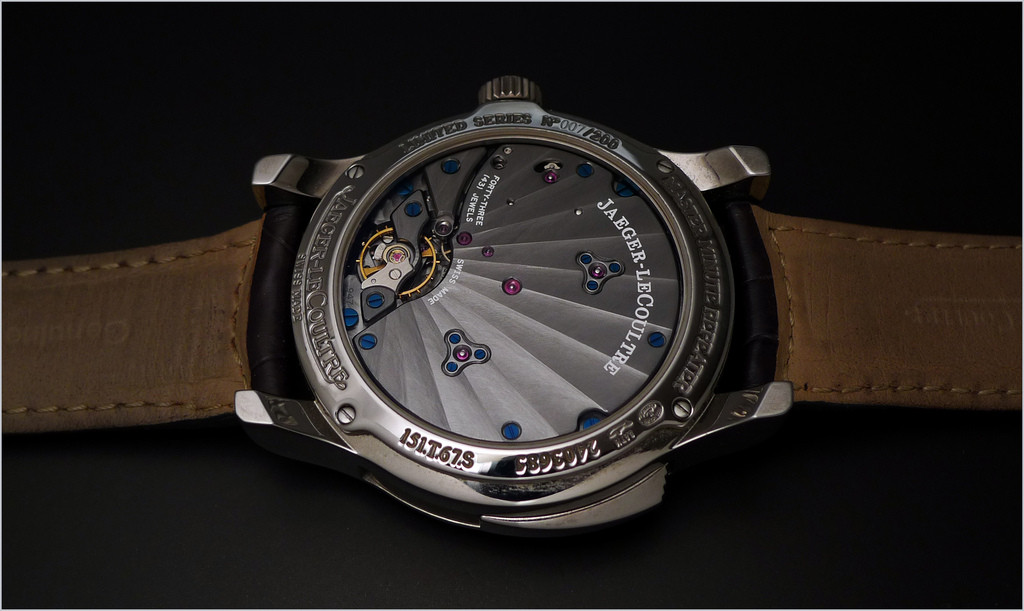
Soleillé:
These aesthetical improvements don't have much to see with functionality, but with the prestige of a brand, manufacture. They are the window display of the brand savoir faire.
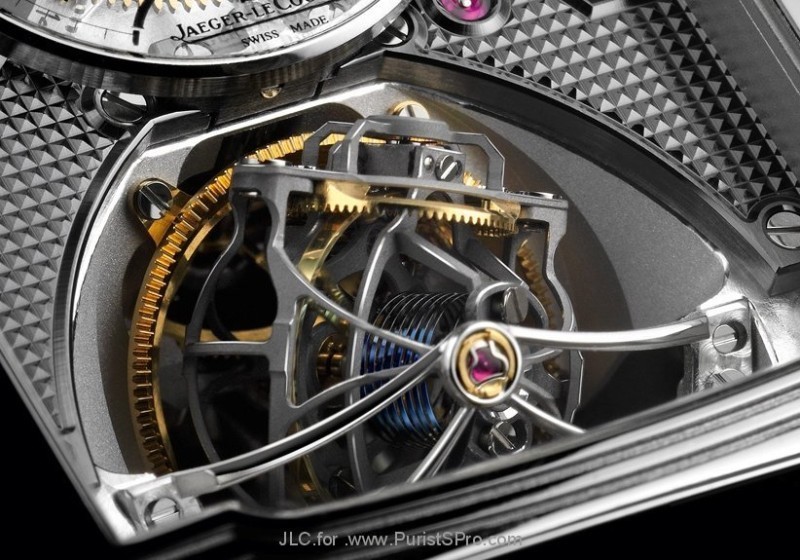
Let's end in beauty with a marvel, one of the most nicely decorated movement among the modern Jaeger-Lecoultre production, the Gyrotourbillon II.
Now, you will not make the confusion between finishing and decoration anymore.
... As I won't.

Best,
Nicolas