
Complications
SJX introduces a significant technical deep dive by theCROWNprince, focusing on automatic winding systems. This article is a follow-up to an earlier discussion, providing detailed insights into the mechanics of pawl winding systems like the IWC Pellaton, Patek Philippe's caliber 27-460, and Seiko's Magic Lever. theCROWNprince's contribution offers a valuable comparison of these intricate mechanisms.


I am posting this on behalf of theCROWNprince. It s a follow-up to the discussion on the IWC Pellaton winding system earlier, which can be found here . Many thanks to theCROWNprince for this excellent article.
- SJX
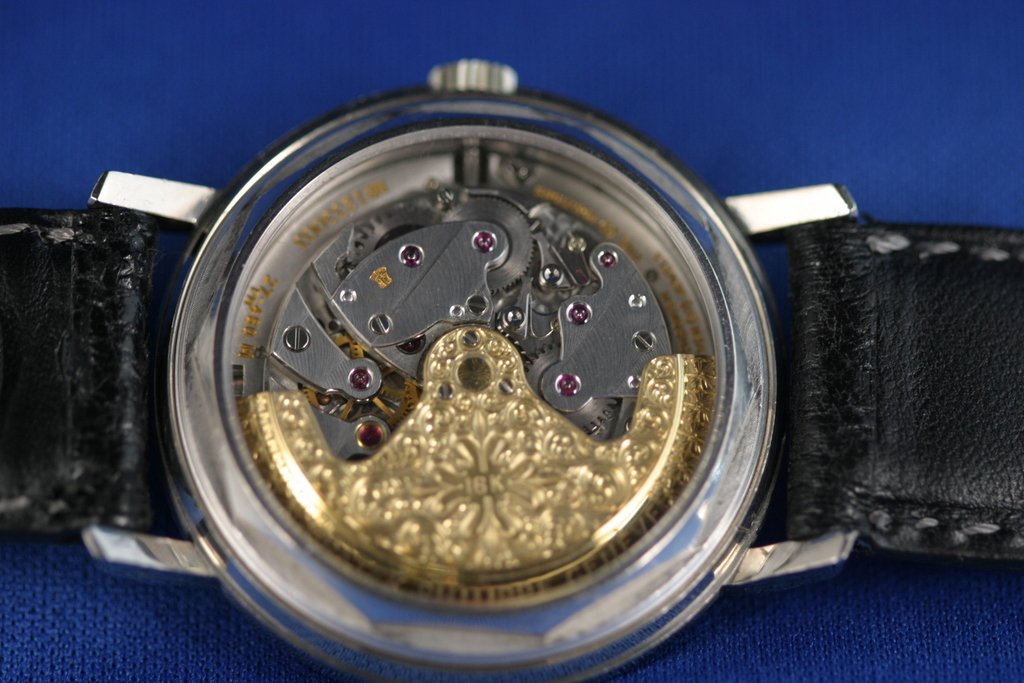
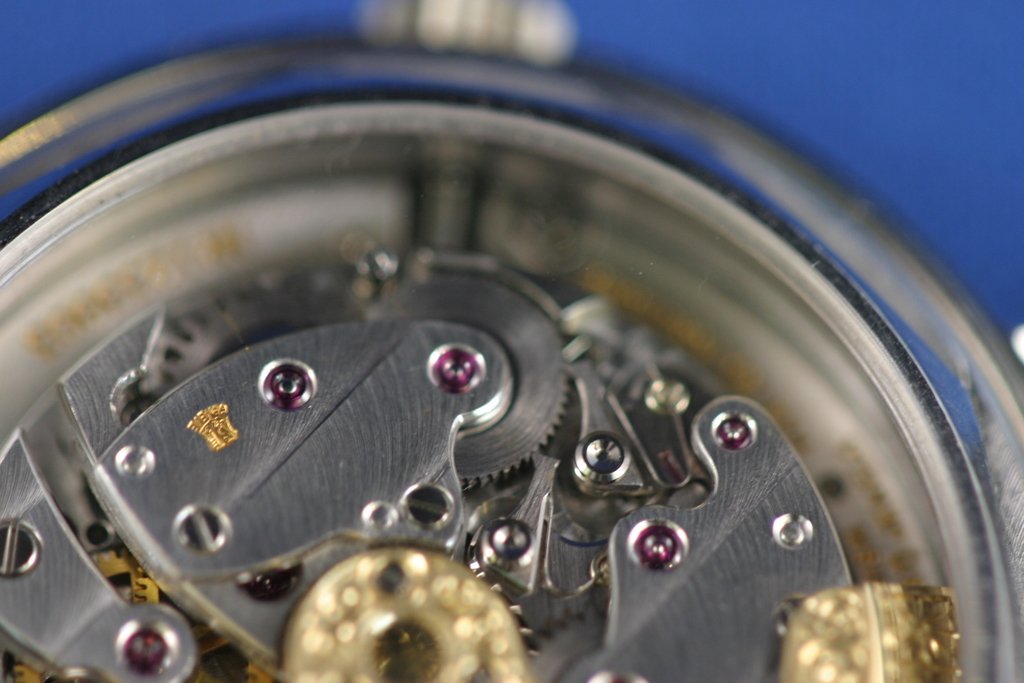
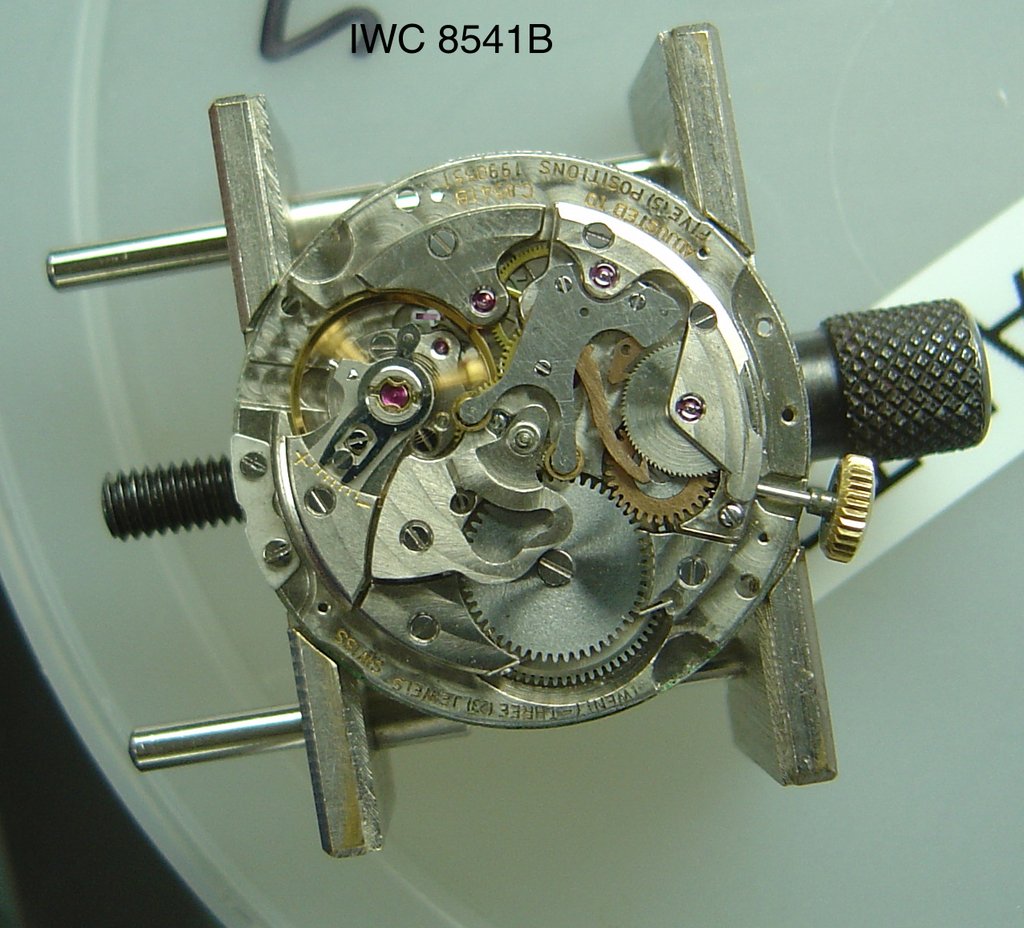
"Sorry for my brief response as I don't have time for a more elaborate posting. I have a personal and technical preference for pawl winding systems as they tend to have less wear (from my experience) than systems using reversers. Unfortunately pawl winding systems take more space in a movement. Also is must be remembered that throughout the world, especially in the watch industry, machines are not necessarily design the best possible but can be design the best possible with what is available according to patent laws. Rolex bought all rights to the 360 degree rotor design back in the day and this is why after such a great idea companies came out with less efficient bumper style rotors. These were not the best option but the best option available. Same with the pawl systems. The Pellaton design is a great design but many companies throughout history have used different variations. Patek had an interesting design in what some consider one of the best automatic calibers in history (or at the very least Patek's history). This was the famous caliber 27-460:
Below: Patek 27-460 has a rocker cam off center.
Below: Seiko's Magic Lever uses a geared rotor linked to a camshaft style mechanism
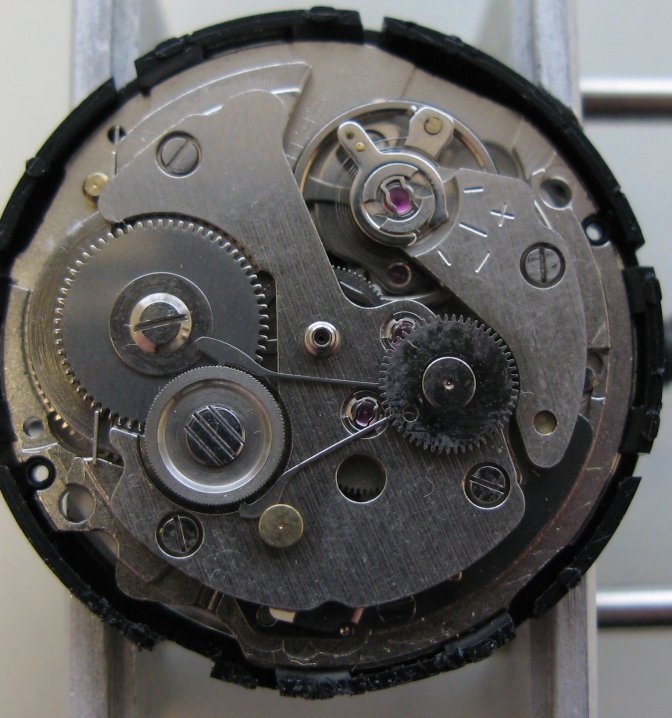
The uniqueness of the magic lever is its 2 pawls are made long to incorporate the spring into their design. I could be wrong but it is my understanding that the dead angle is reduced by using a cam shaft over a heart cam. This is one of reasons why the new IWC winding system (incorrectly referenced as a Pellaton design) found in the caliber 89360 is more efficient. This new system is actually a next generation Seiko Magic Lever. It should be referred to as the Magic Lever 2 or IWC Magic Lever. Anyway, this new system is designed almost exactly like the Seiko Magic Lever. However this new system utilizes 4 spring pawls instead of the 2 used in the Seiko design. This allows for a finer ratchet action so there is less lost motion of the rotor between clicks. This is referred to as the dead angle. If you hold your watch in the vertical position with the rotor hanging to the bottom, the dead angle is the amount of rotation of the rotor before a click of the ratchet system will store some amount of power. The magic lever 2 is the most efficient and should be very durable as far as wear on the ratchet system.
Pawl systems have very little pressure on the ratchet wheel from the pawls. The vintage systems have the spring action separated from the pawls. With more moving parts these more complex designs will have more wear than the magic lever or magic lever 2 but still less than modern reverser wheels. For example, should a part need to be made in order to restore an older pawl system only the spring or pawl would need to be made. I think it is splitting hairs when picking the best pawl system but that is what the pursuit of perfection is all about.
My personal preference from a visual standpoint is the older style (more complex) pawl systems like the 27-460 and Pellaton. From a technical standpoint my favorite automatic system would be the Magic lever. Time and experience will tell if the new IWC "magic lever 2" will be better. I have a feeling it will be. I have no admiration for rocking ratchet systems available in some calibers today. These tend to be unidirectional and finicky with regard to adjustment and oiling. Just keep in mind a single design doesn't work for every application.
I am personally waiting for the modern Aquatimer to be available with the caliber 80xxx like this year’s remake of the vintage collection. This combines the Pellaton winding with the fantastic power flow of the 7750 gear train. VERY NICE!
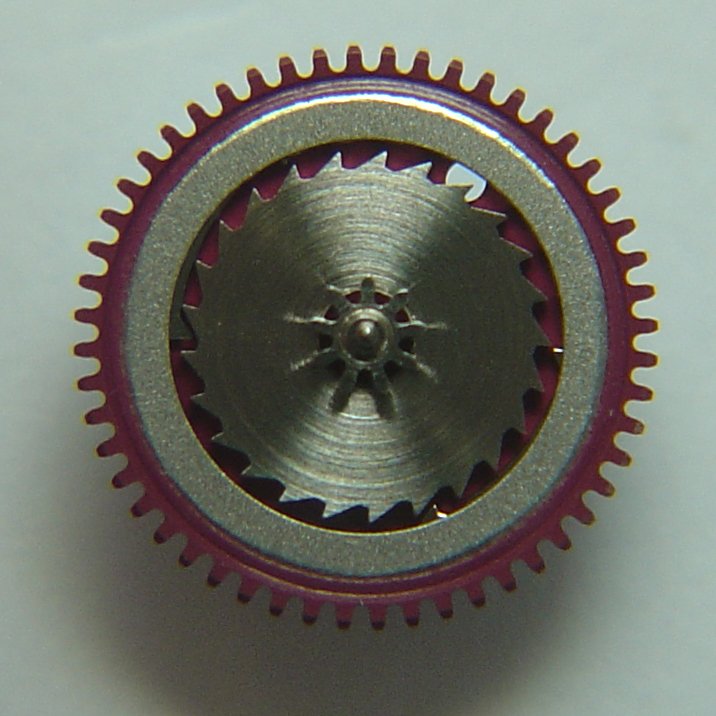
In my opinion the modern reverser style automatic’s (like Rolex and ETA) lineage can be traced back to repeaters.
Below: Rolex Reverser
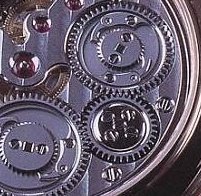
Grande Sonnerie repeater Ratchet Wheel
Pawl Style Winding Systems trace their lineage back to the 2 famous Abrahams of watchmaking. Abraham-Louis Perrelet (the inventor of the automatic winding system) design, I believe, was a pawl type system and Breguet’s perpetuelle pocket watches were a pawl type system.
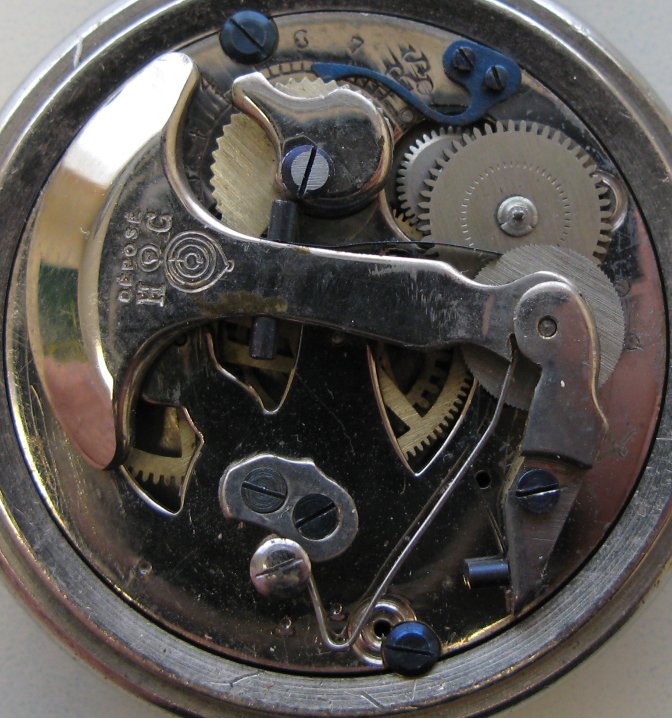
Here is an old Pedometer using a single pawl type “winding” system:
There is more good information to be read here:
Magic Lever click here
New IWC "Magic Lever 2" click here
Hope you enjoy,
TCP"
This message has been edited by SJX on 2008-05-14 08:16:13of 27-460 auto winding mechanism. And here's a simplified drawing of the mechanism for those wondering how it looks underneath. (the eccentric wheel is ball bearing supported) Mishko
This thread is active on the IWC forum with 11 replies. Share your knowledge with fellow collectors.
Join the Discussion →


