
Vintage
HSTE delves into the technical innovation behind the 1988 IWC Ingenieur line 3501, highlighting its groundbreaking antimagnetic properties. This post explores the challenges faced during its production, which ultimately led to its unintended rarity, making it a fascinating piece for collectors.


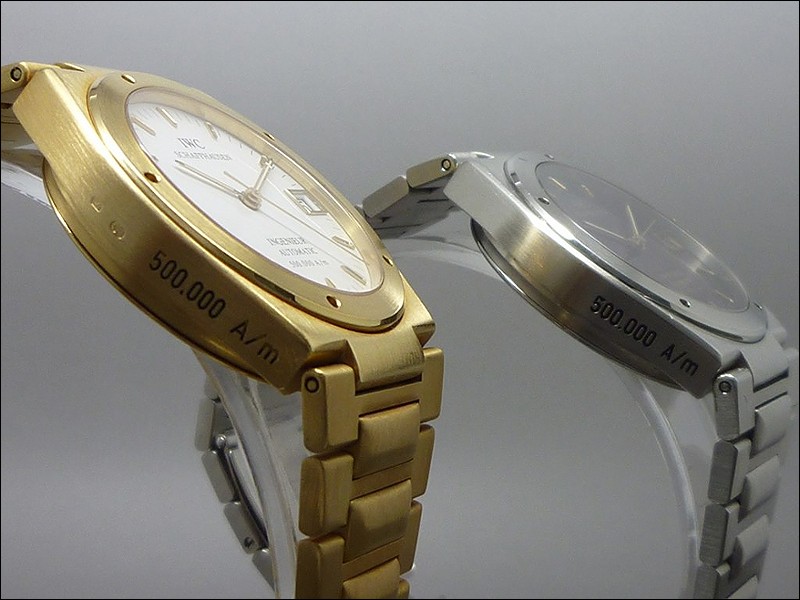
.....IWC created in 1988 the antimagnetic watch Ingenieur line 3501 with the movement 37590. This is a bit of a special in kind, as they avoided steel and other magnetic metals to the largest extent. The rotor ball bearing in the automatic movement were small balls of ruby (instead of steel), the balance spring was made of a special alloy blend that could not be magnetized. In the end, the watch was prone to 500'000 Ampere per meter or: 500'000 A/m.
Once they moved into production, they faced quality issues with the balance spring, each and every watch had to be individually and manually tested, production cost went out of hand which is why production was stopped quite early on. The result is again, one of those unintended "limited editions".
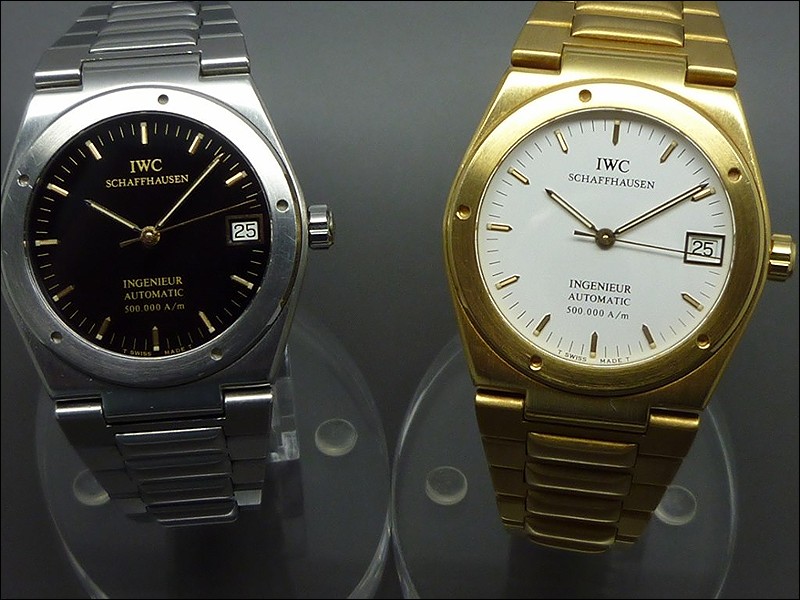
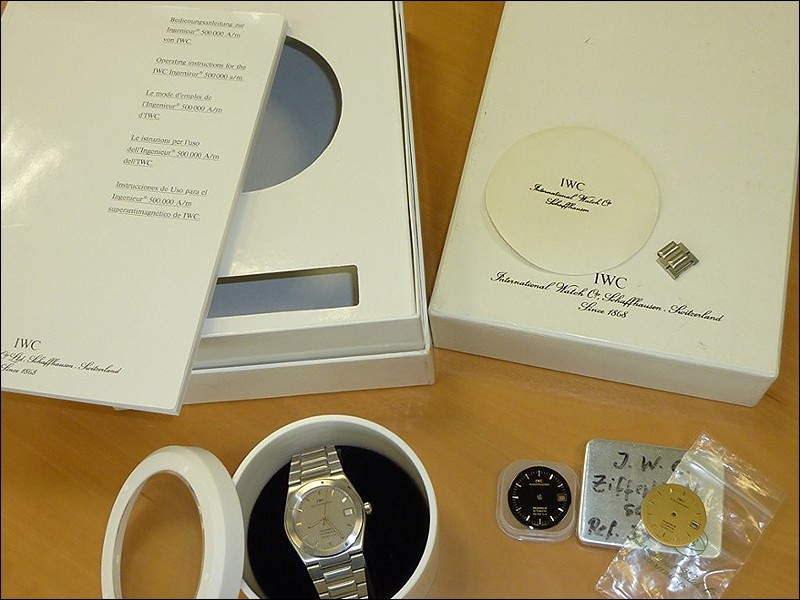
The steel version that I have is said to have been produced in 1267 pieces and only 147 of the solid gold Version are said to have left Schaffhausen.
Cheers, HSTE
Even if not everything worked out financially. Gives us great pieces to collect, though Thanks for sharing it with us!
500'000 A/m and particularly with the two Ocean Bund AMAG which are not antimagnetic but a-magnetic. Cheers, HSTE
We see two similar watches but the bezel's dots are two times different. Any idea why is that?
....as the bezel was just screwed into the case with a tool that fitted the 5 holes and hence the final position of the holes was different in every watch. It might be something that the eye has to get used to, but for "connaisseurs", these are the only true Ingenieurs. (Today of course, the holes in Ingenieurs are all well and "properly" aligned).
This thread is active on the Horological Meandering forum with 14 replies. Share your knowledge with fellow collectors.
Join the Discussion →