
Automotive
Amanico shares a nostalgic look at the Fiat 850 Coupé Sport, a car from the mid-1960s to early 1970s. His post highlights the car's modest yet charming performance and stylish design, evoking personal memories of travel. The discussion explores the Fiat 850's place in automotive history and its enduring appeal.


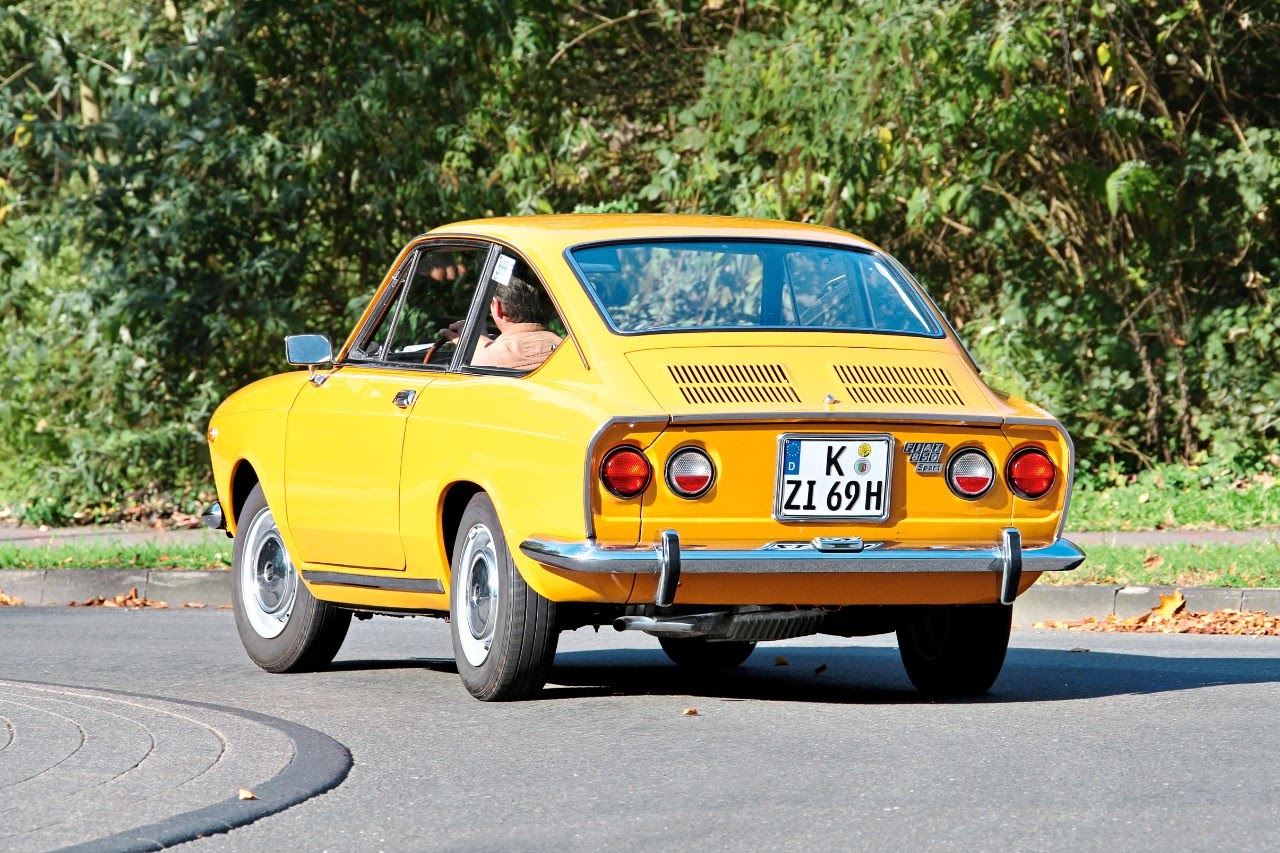

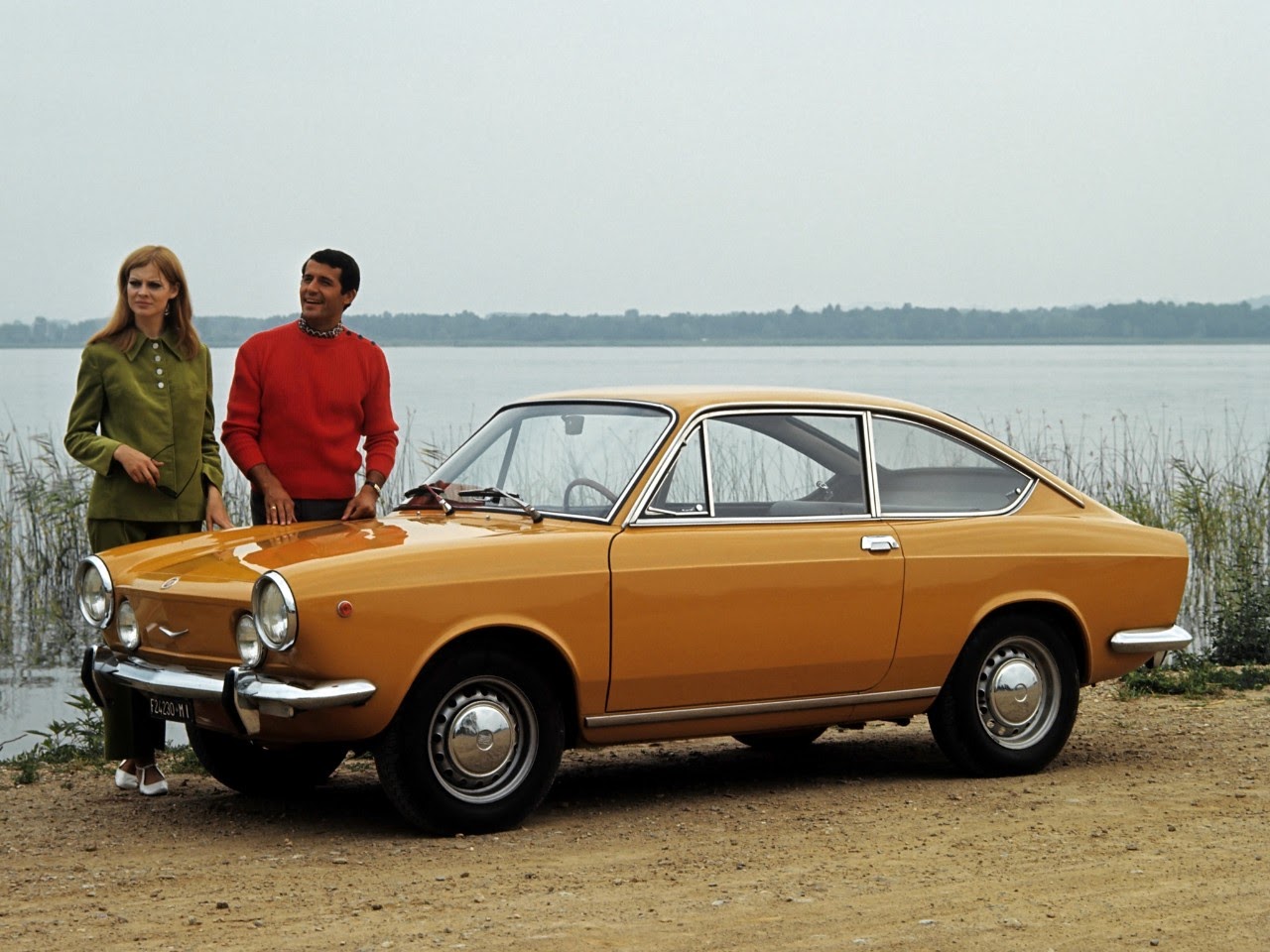

The Fiat 850, while often associated with automotive history, represents a unique and less common entry in the broader collectible market. This particular reference is noted for its limited production, with an announced total of 300 units, making it a scarcer variant compared to more mass-produced models. Its appeal lies in this exclusivity and its distinct aesthetic, which collectors often describe as sensual, reflecting a particular design philosophy of its era. The original engine displacement of 843 Cm3, later modified to 1000 Cm3, indicates potential for mechanical variation within the production run.
Details regarding the specific watch case and movement for a Fiat 850 branded timepiece are not widely documented in traditional horological catalogs. If a watch was produced under this reference, it would likely feature a case material and movement type consistent with collaborations between automotive brands and watch manufacturers of the period. Such pieces often utilized standard mechanical or quartz movements, with case dimensions and materials varying based on the intended market and price point. The crystal type would typically be acrylic or mineral glass, common for watches of that era.
For collectors, the Fiat 850 reference holds interest primarily for those who appreciate items at the intersection of automotive and horological history, or for enthusiasts of the Fiat brand itself. Its limited production numbers contribute to its desirability as a niche collectible. The mention of an engine modification suggests that examples may exist with different specifications, adding a layer of complexity for those seeking original or modified versions. Its place in a collection would be as a distinctive, rather than a mainstream, piece.
The Cinquecento and Seicento being the family “sedans”. They revolutionized everyday life in Europe after the War as they were affordable and quite durable. It was amazing to see a whole family fitting inside one of those little cars with a roof rack loaded with half of the house to go to the beach during the summer. They were the original “how many elephants can you fit in a VW” cars. The 850 was the hot-rod of that line of wonderful cars.
I spent some time with the Abarth OT 1000 version of that car. Delightful in its own way (on the track) but I think the standard 850 would have been easier to live with! Rust, as always was the issue. I had a friend in High School who had the 850 Spider and I loved its looks. Kent
My grandmother used to take us from Rome to the Alps on her 500 but I have no clear memories of those adventure trips. After that, she bought a red Panda, such a huge car! Since then, everything changed. Strangely enough, the pater familiae used to drive his larger Lancia (Fulvia, Flavia...), Alfa Romeo or Fiat but children kept moving everywhere into those funny tiny cans.
especially the first series.
This thread is active on the Automotive forum with 23 replies. Share your knowledge with fellow collectors.
Join the Discussion →


