WPS member · Horological Meandering forum
5 replies5641 views48 photos
DonCorson provides an exclusive look into Eterna's movement production facilities, detailing the brand's strategic decision to bring movement manufacturing back in-house. This report offers a rare glimpse into the technical processes and infrastructure supporting Eterna's renewed focus on independent movement creation. It highlights the blend of historical legacy and modern manufacturing techniques at play.
Eterna Watch Movement Production
Now that we have seen some of the watches and movements from Eterna in the the first installment of this report (click here to read it) let us take a look at their production facilities. From their history, Eterna restructured at one point to separate movement production and the brand. That movement production company became the present ETA. Now Eterna is bringing their movement production back home and is building up their own facilities in this domain again.
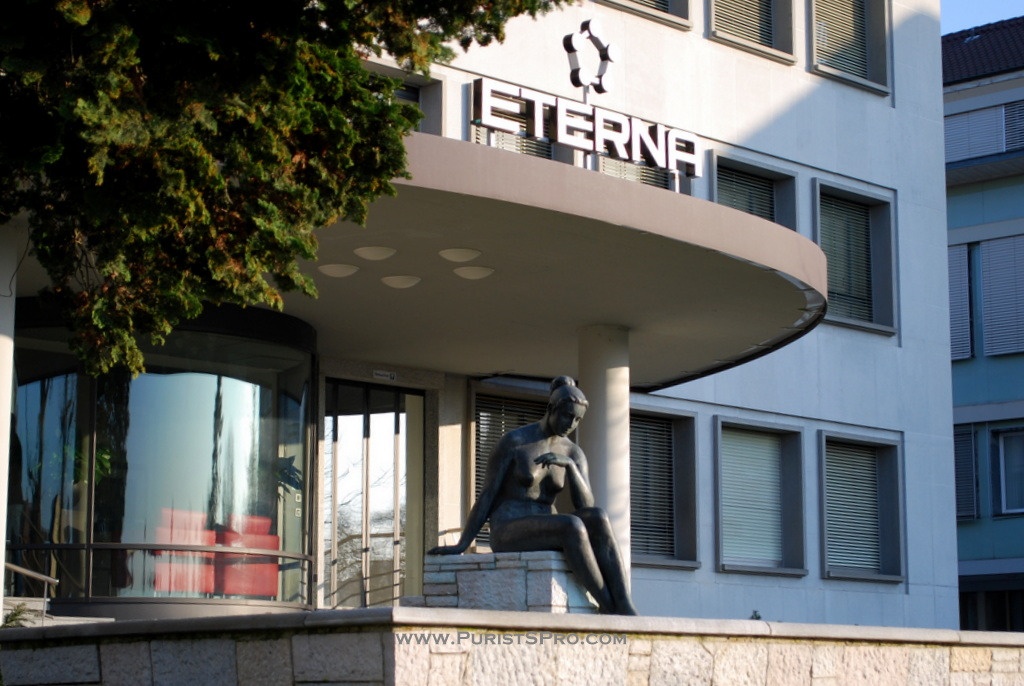
One of their big advantages is that through the history of the region of Grenchen where they are located there is an entire “ecosystem” of companies that make any and all watch components. Many of these companies are highly specialised. Thus Eterna can concentrate on building up first the critical production areas, especially those where flexibility along with flawless quality is required and fast turn-around times. More standard parts can be outsourced without any problem.
The voyage always starts in the offices of the engineers doing the technical design. Eterna is completely integrated so that the information created during the design, especially for such things as tolerances, can be immediately accessed over their internal network in production and quality control.
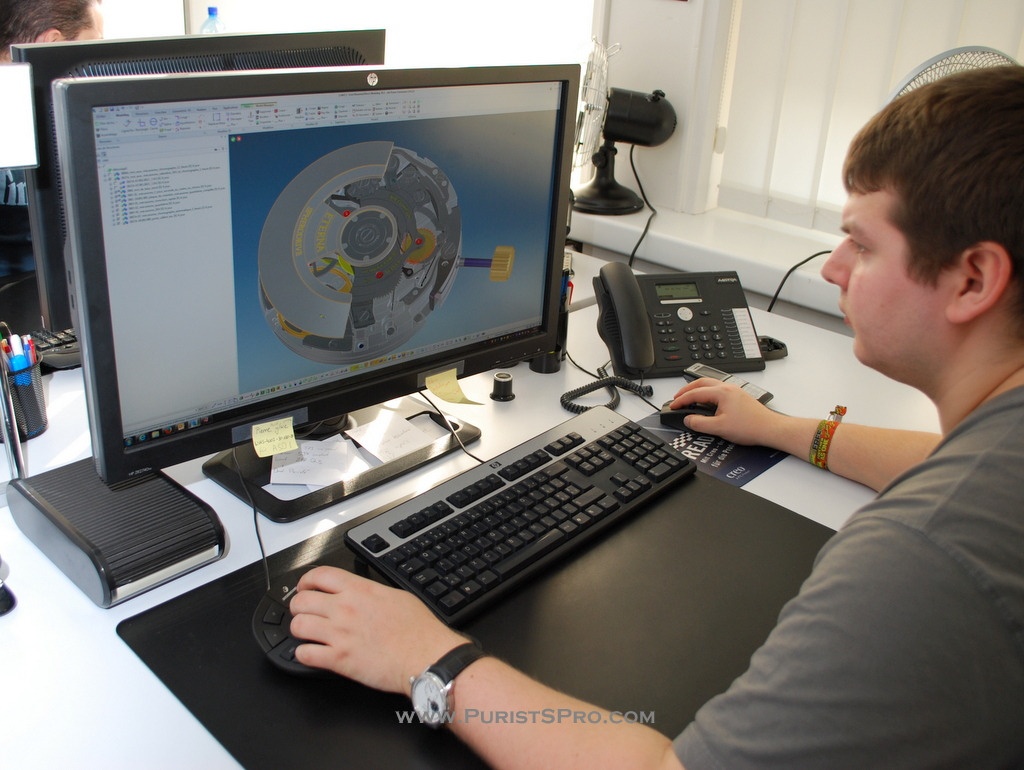
From the design offices we move directly movement plate and bridge manufacturing.
Here we see the fixtures used for positioning the movement blanks.
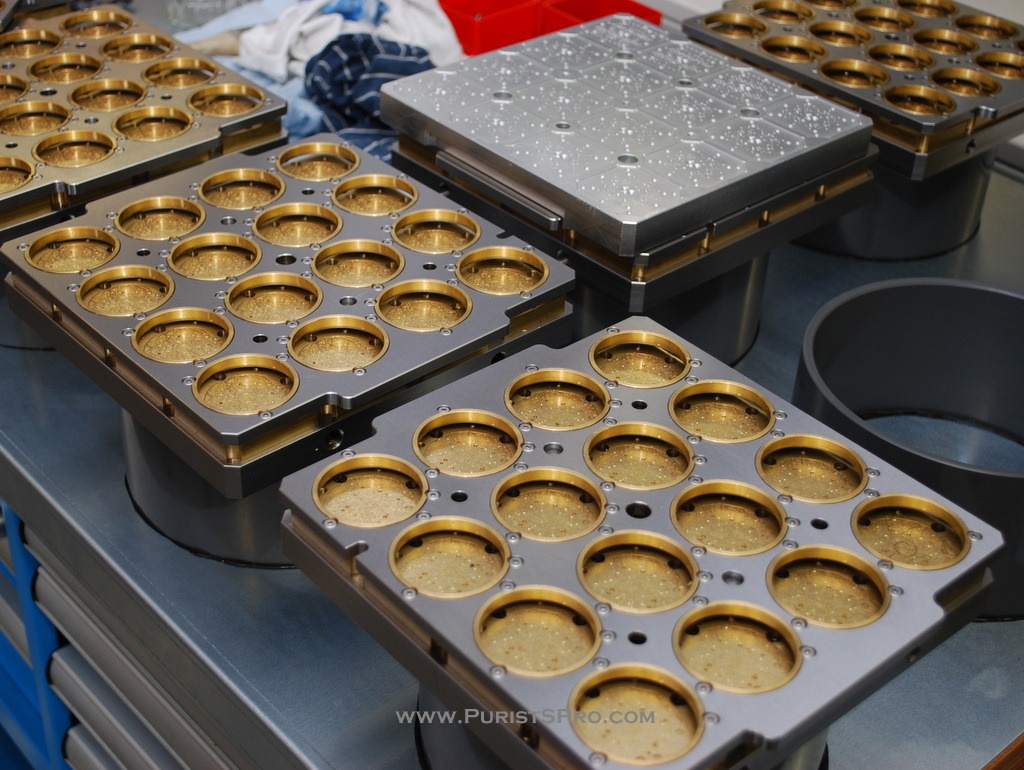
In the milling machine each fixture holds 16 movement blanks and several fixtures can be changed automatically by the machine. Filled up with material it can work all night without human intervention.
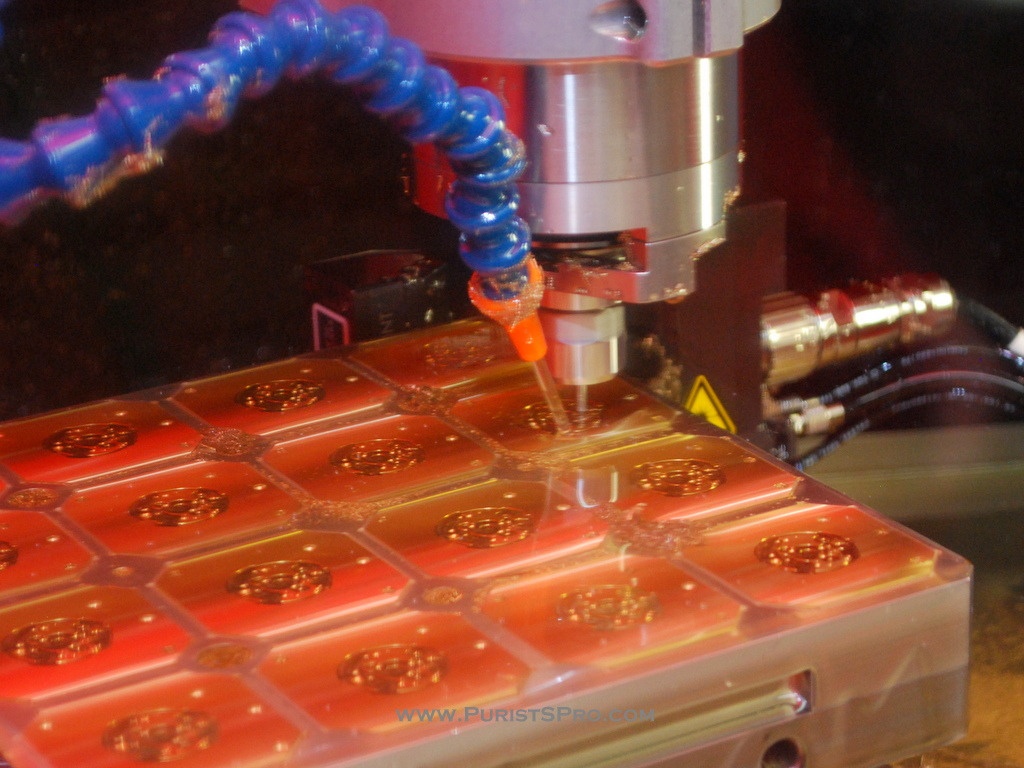
Here we see a new machine which is in the process of being set up. In the foreground we see the tool holders for the automatic tool changer.
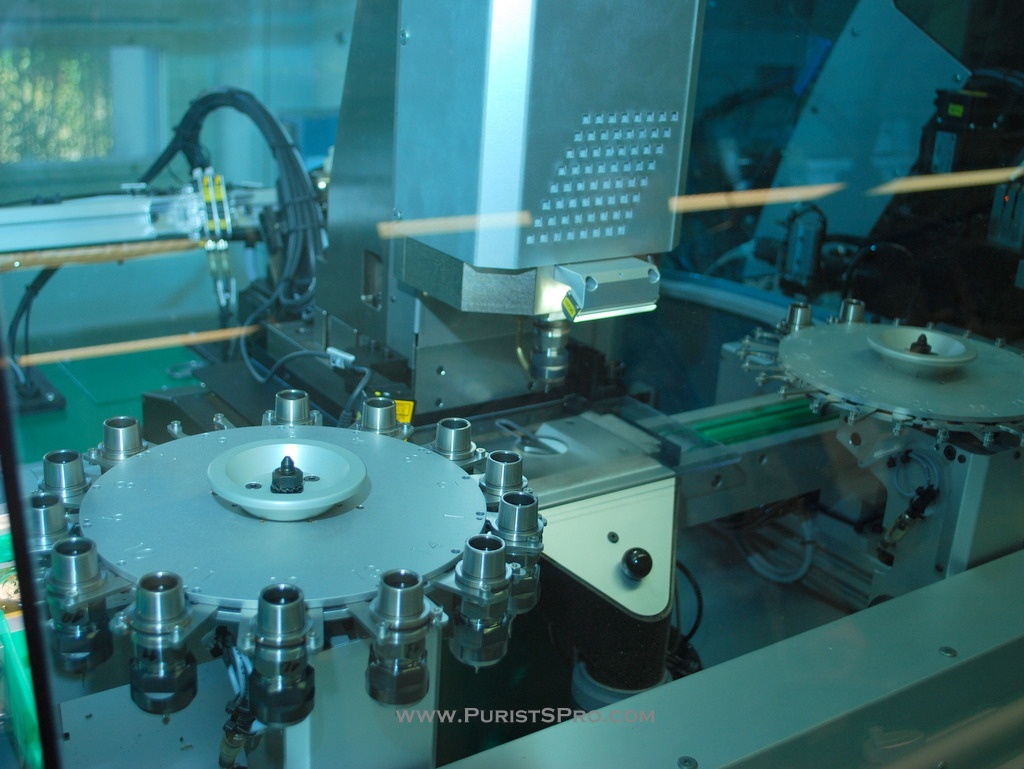
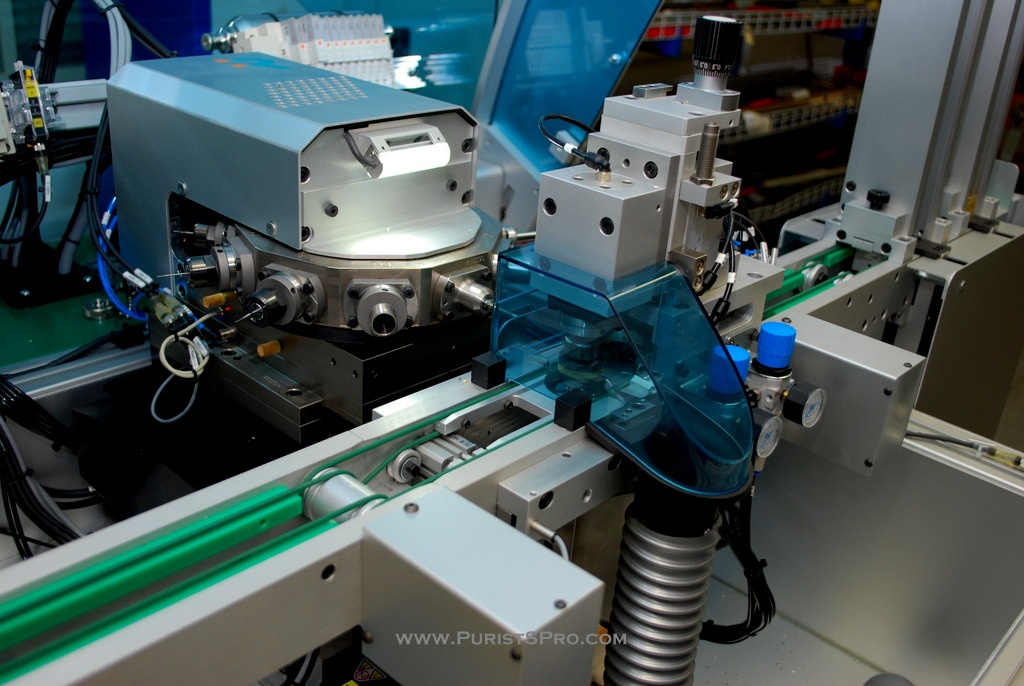
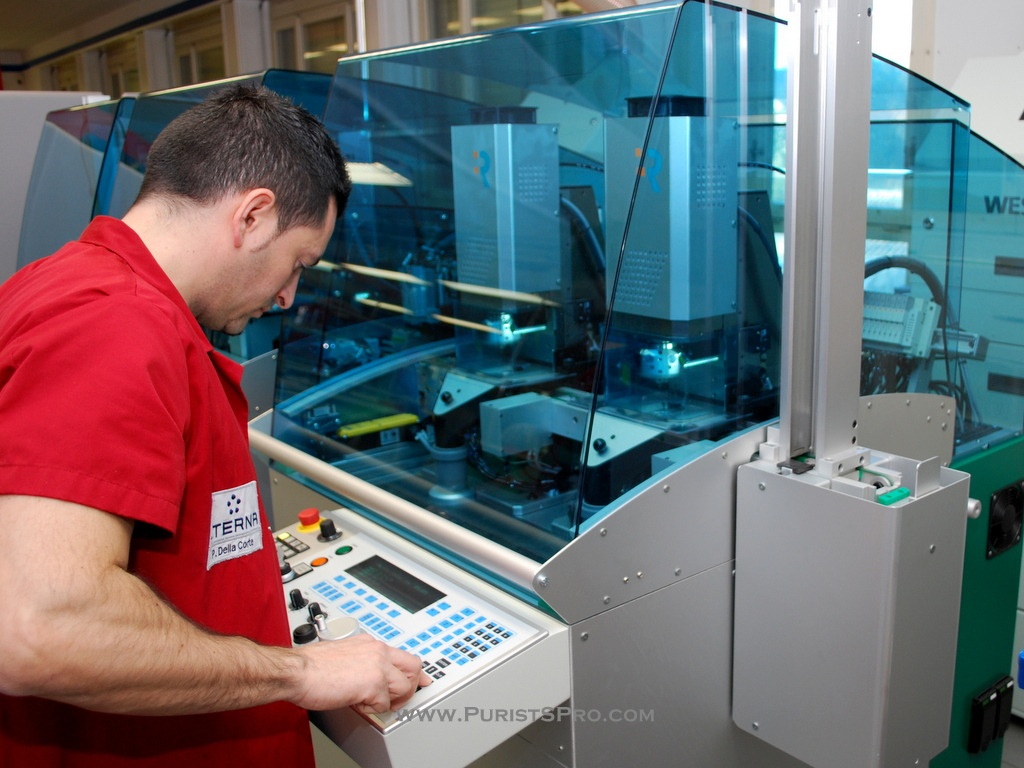
This new machine has several milling stations that work in parallel, each doing specific operations. This is a way of using less flexible machines to increase the production throughput. Each station is optimised for a certain kind of operation. An important point that needs to be treated is the positioning of the blanks so at each station the blank is properly placed.
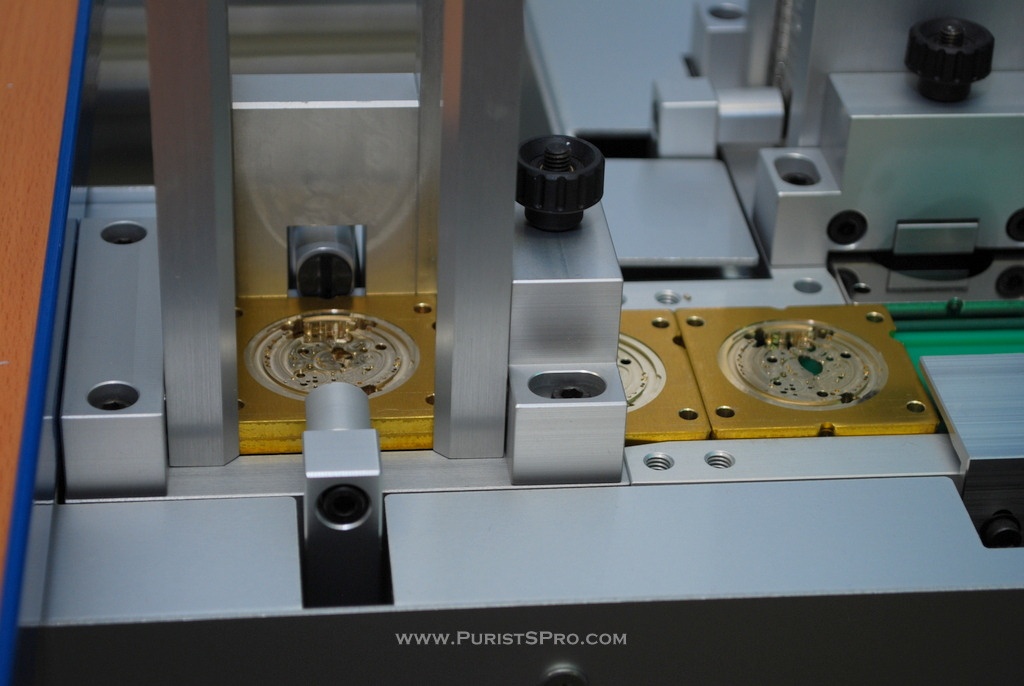
Here we see the station that does the milling and tapping of the horizontal holes such as the hole for the stem.
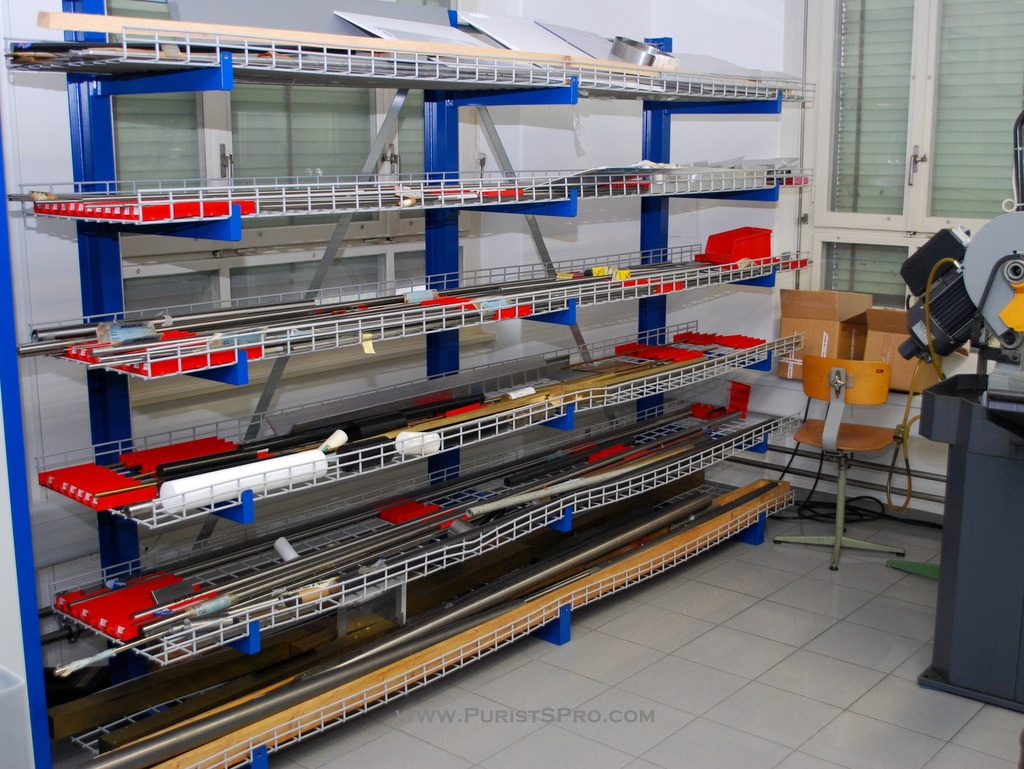
The prototype shop has its own stock of material.
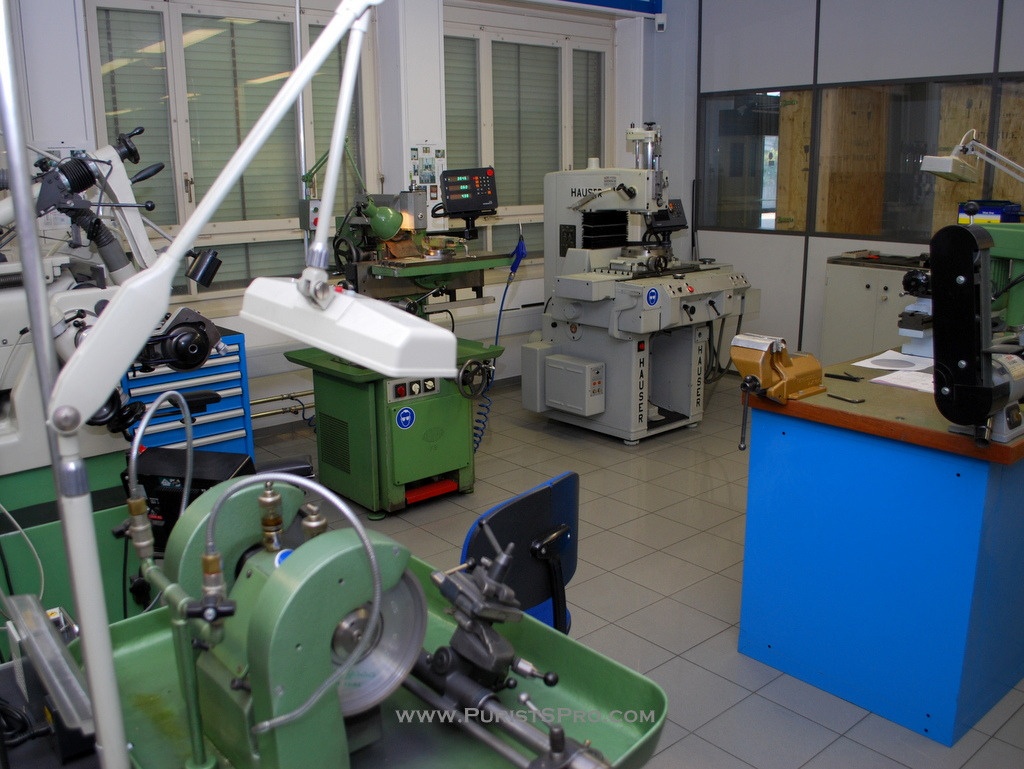
The prototype shop has a complete machine park of everything you could need to make your own watch.
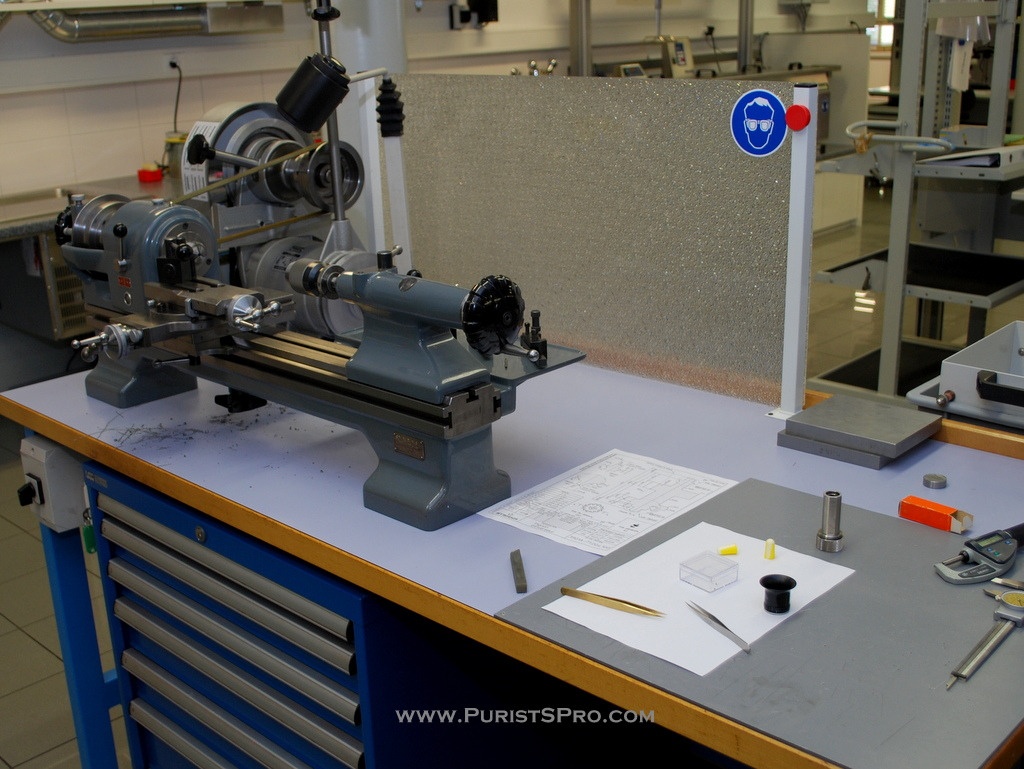
And as we can see it is not without work.
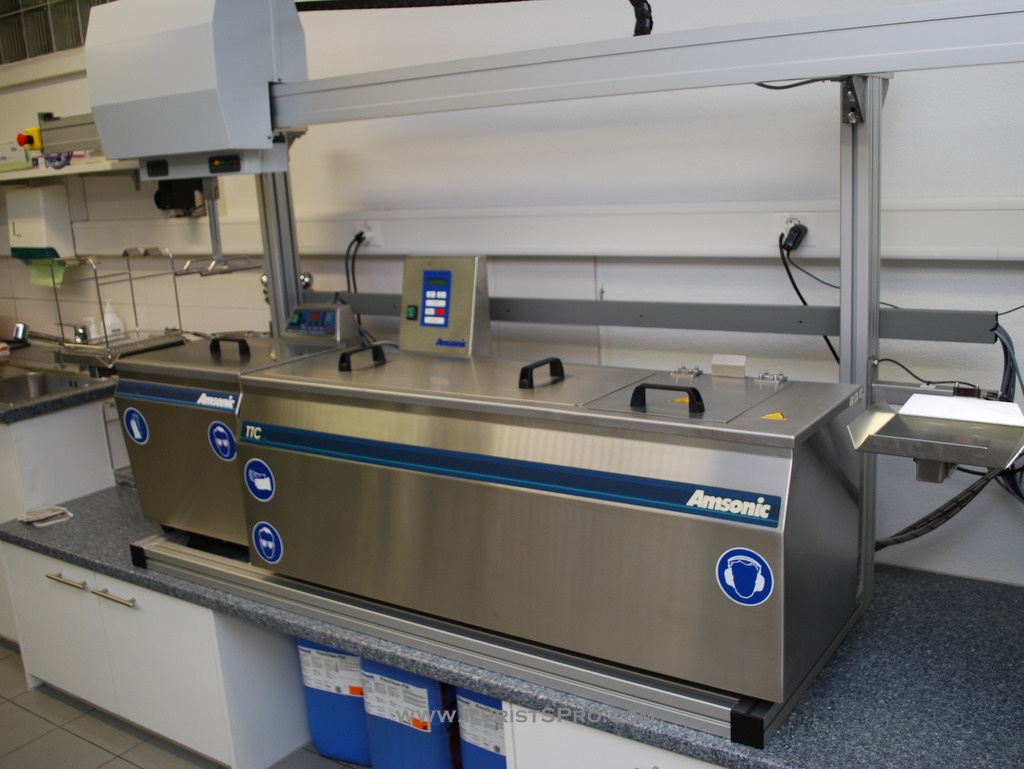
When the milling is done the parts are cleaned before surface treatment.
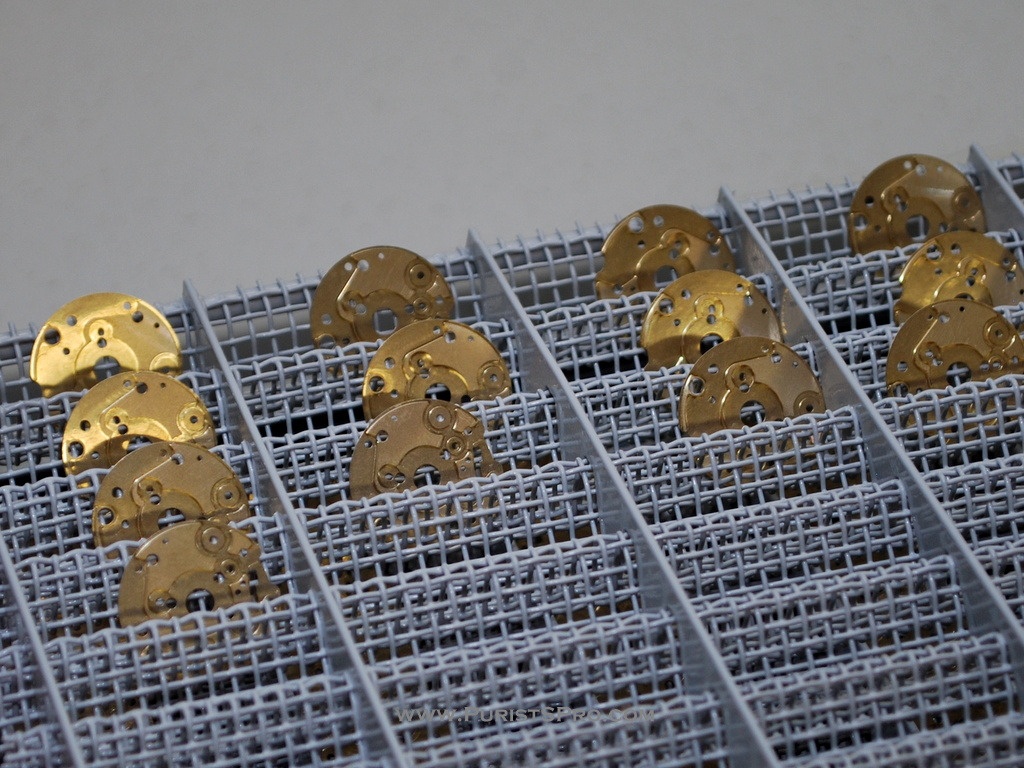
The cleaning is with several solvents and ultrasound to have perfect spotless surfaces for plating.
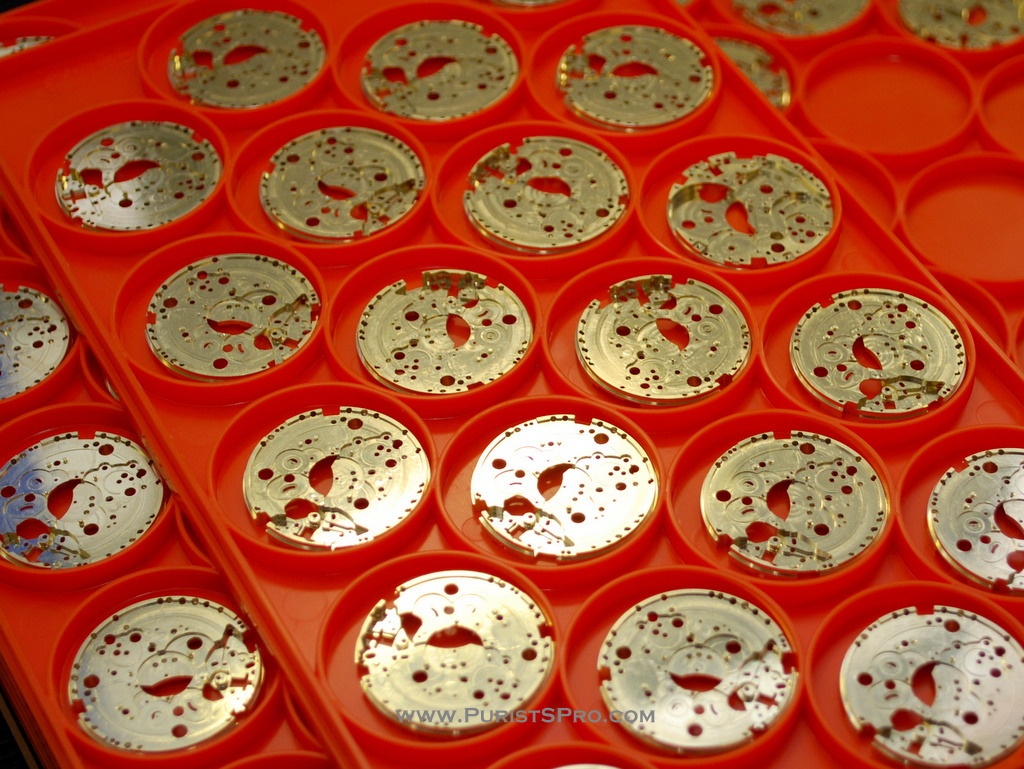
Completed movement plates ready for plating.
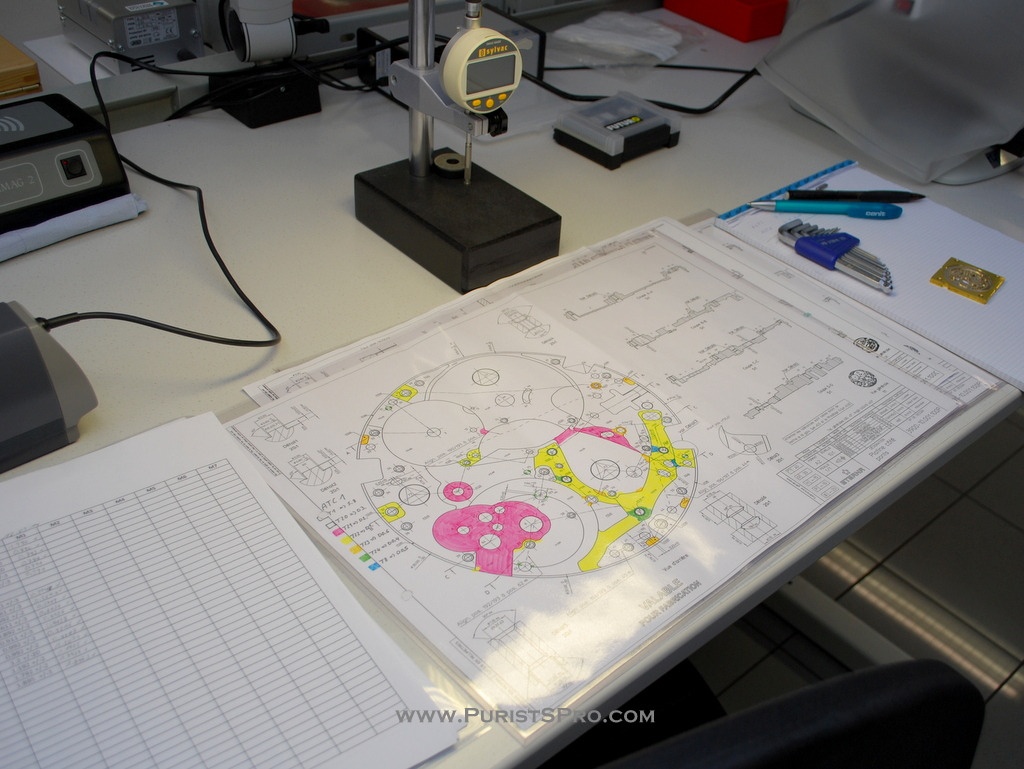
Quality control takes samples from the production runs and does a complete control of all dimensions.
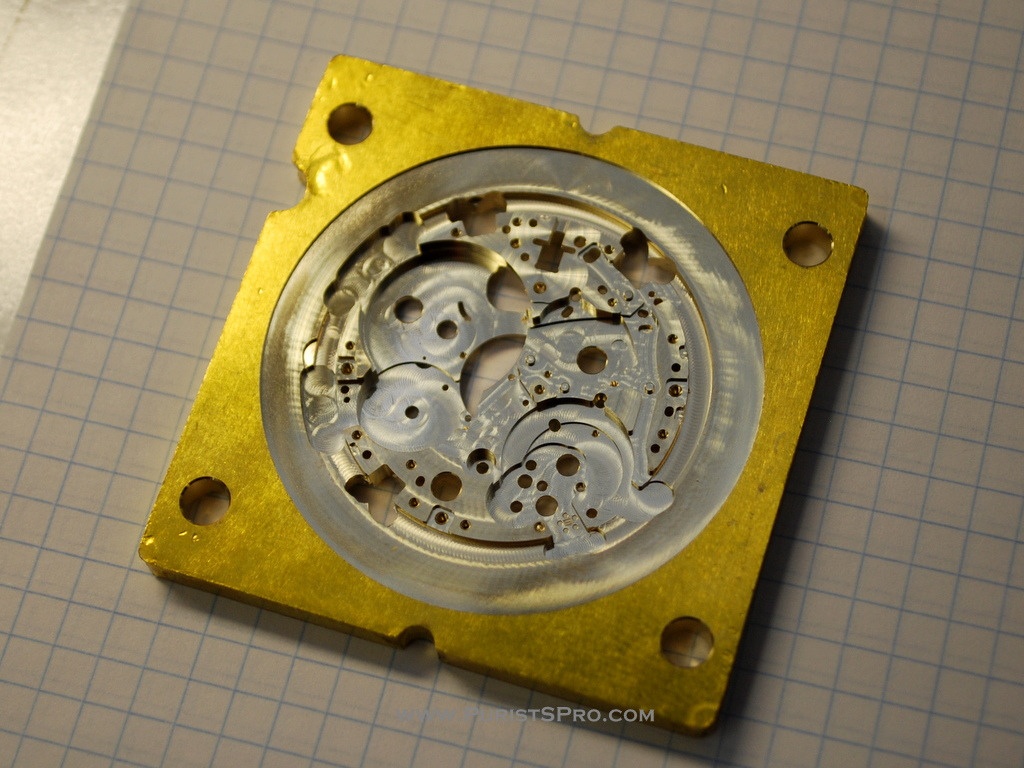
Once the parts are completed they are placed in stock.
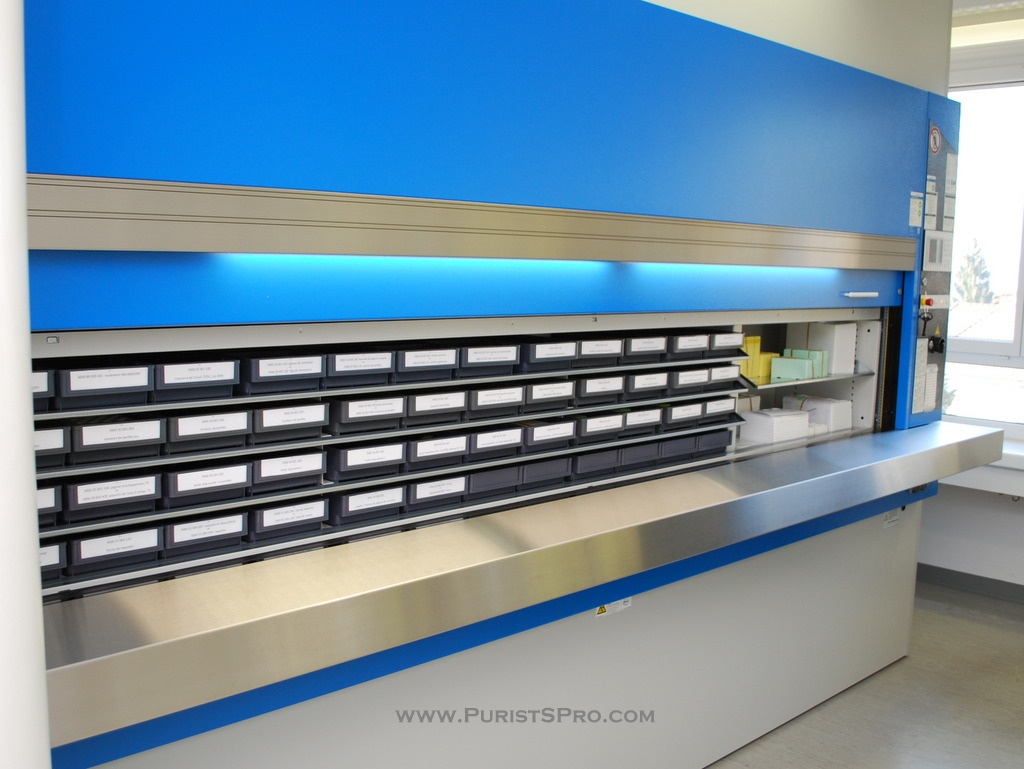
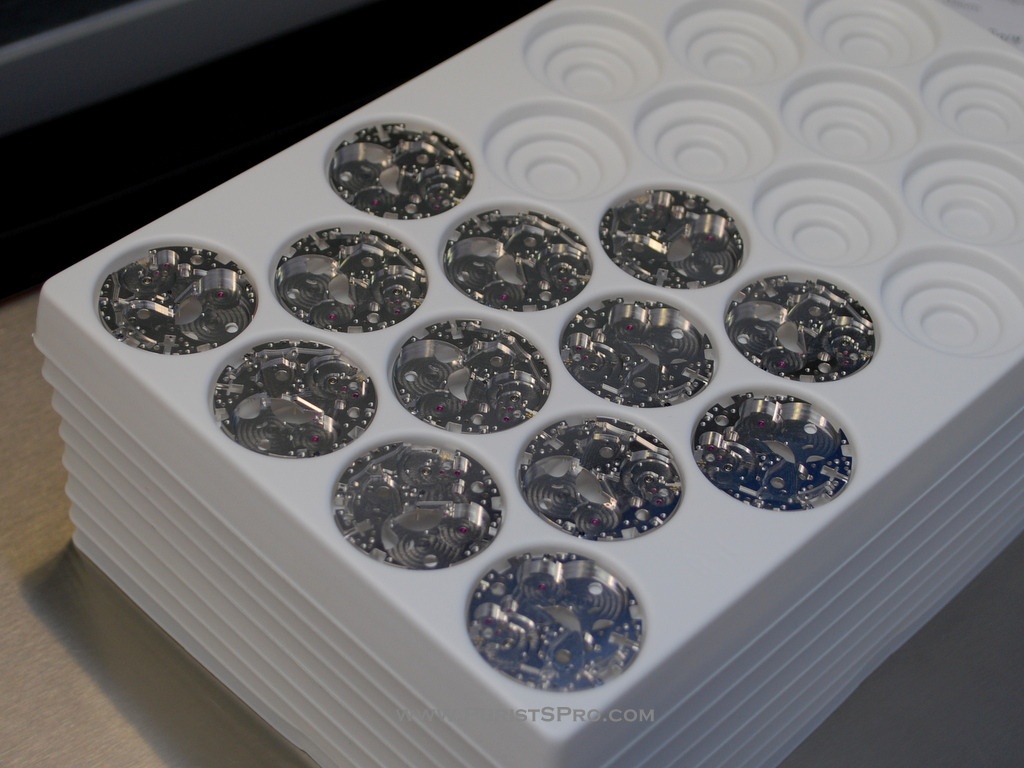
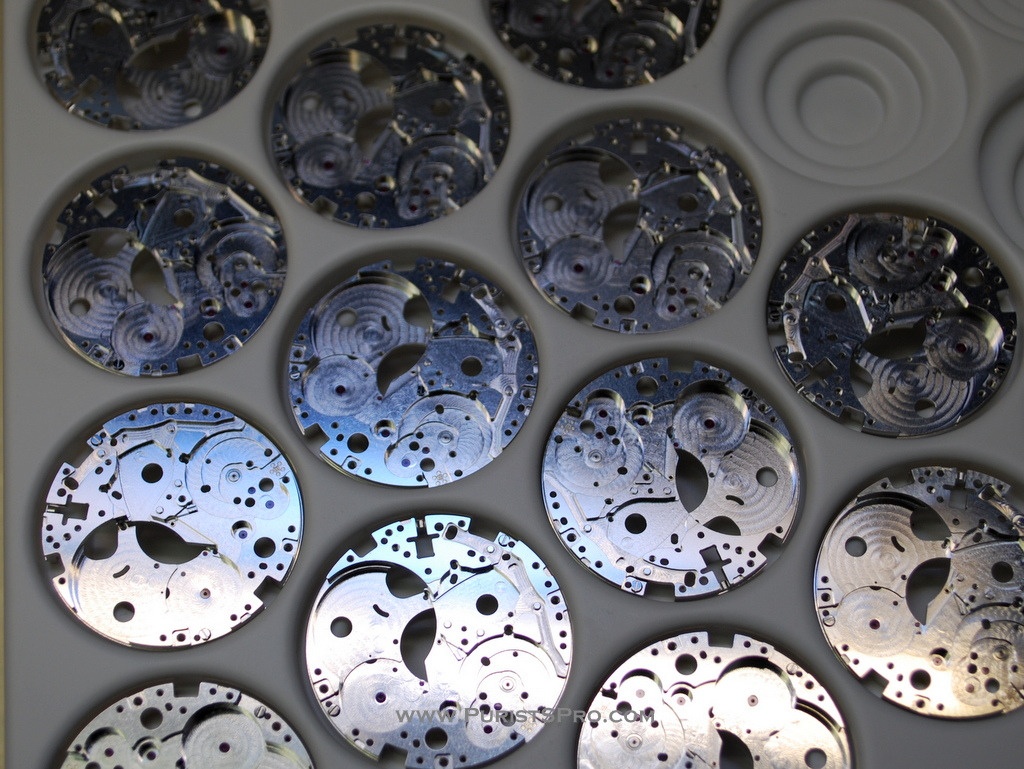
Caliber 39XX plates found in stock.
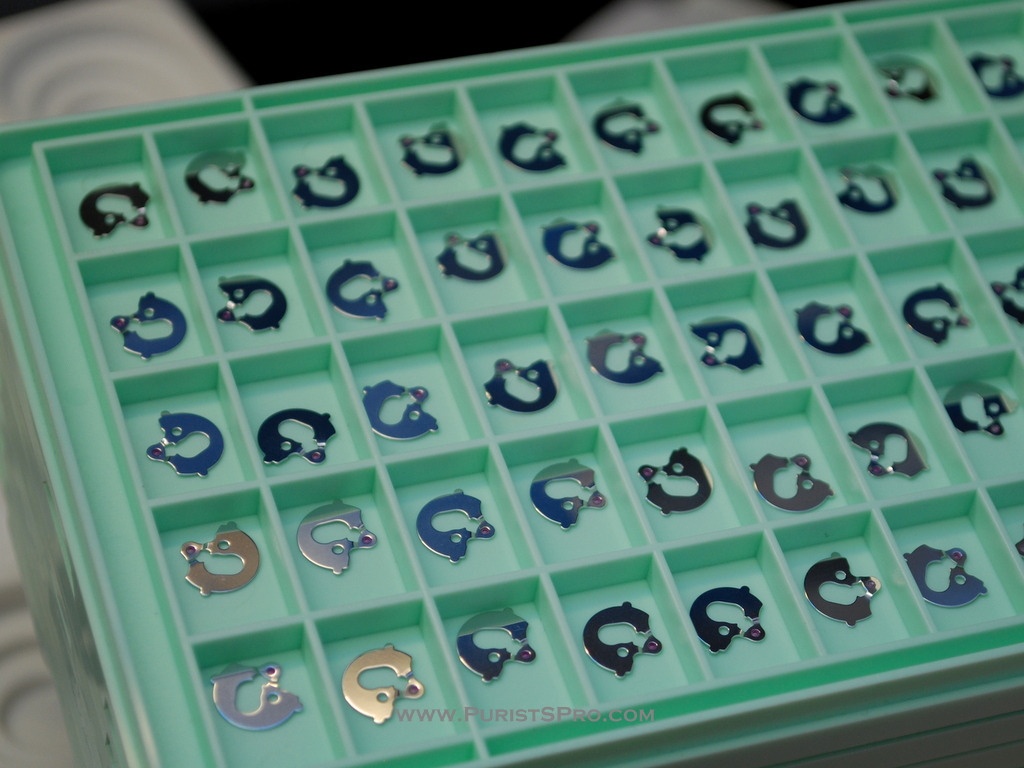
These look like anchor bridges to me.
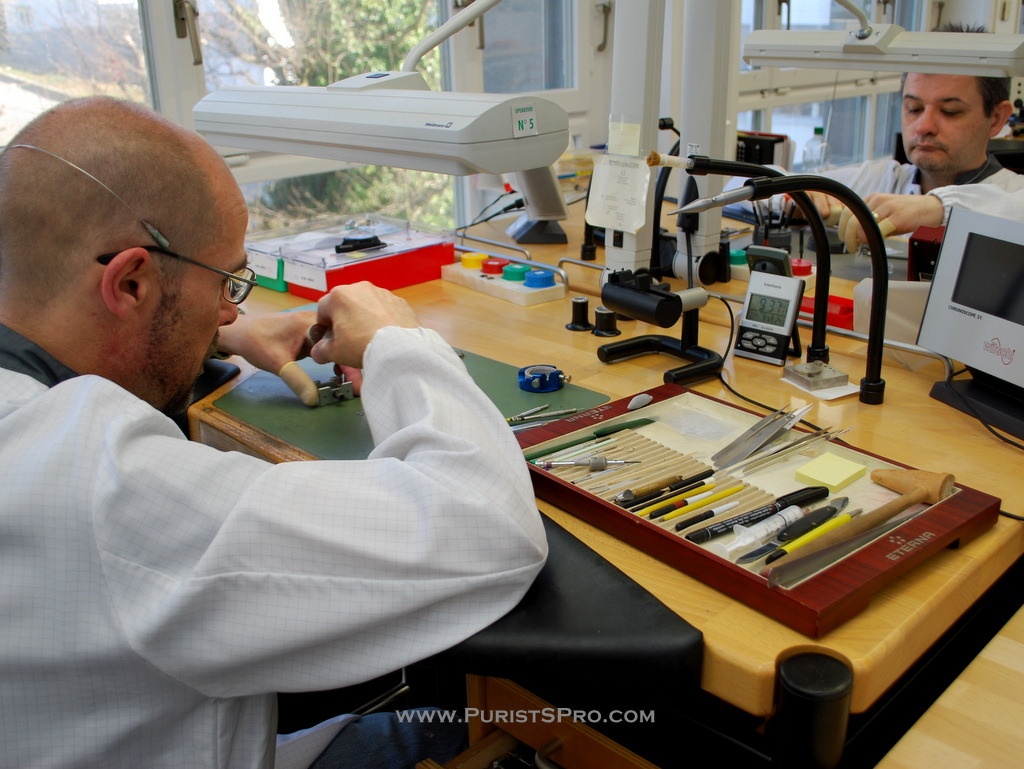
Now let’s move to movement assembly.
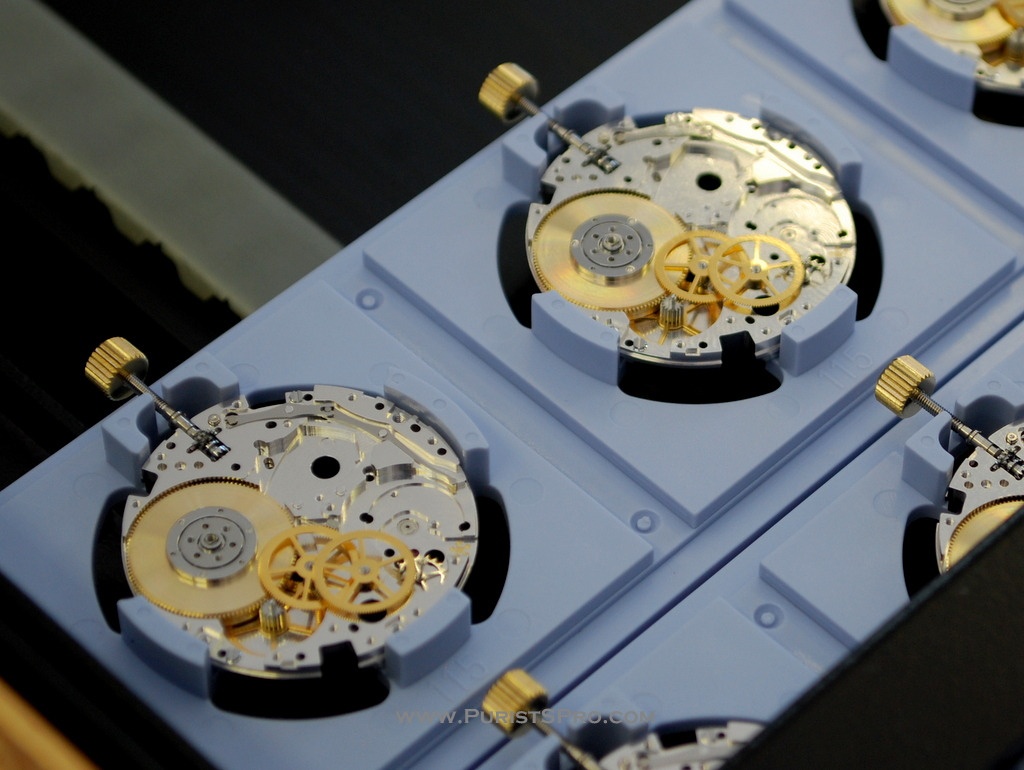
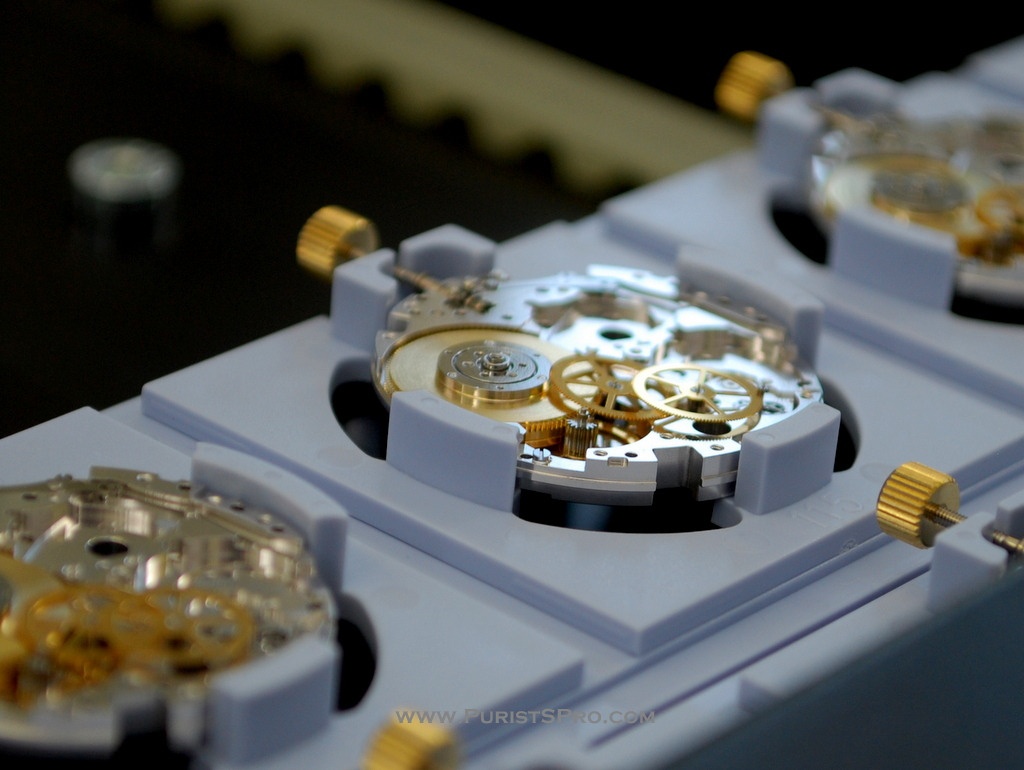
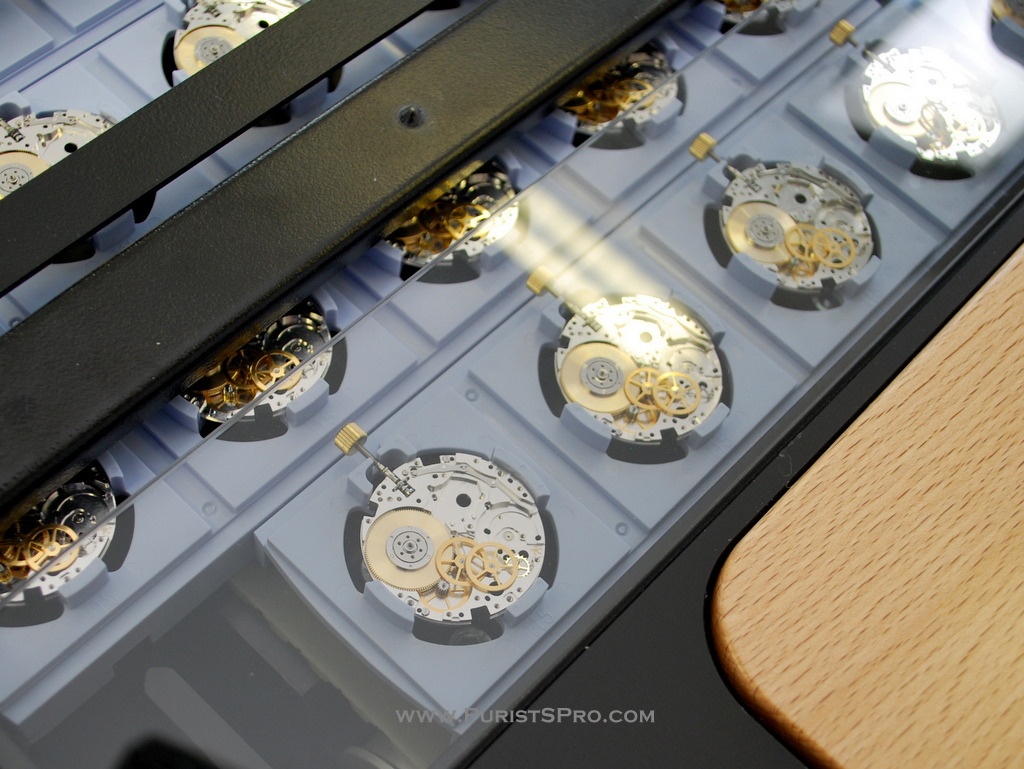
Again the work is divided among several stations. The operator is presented with a movement and then the parts that are added at this station which they then mount.
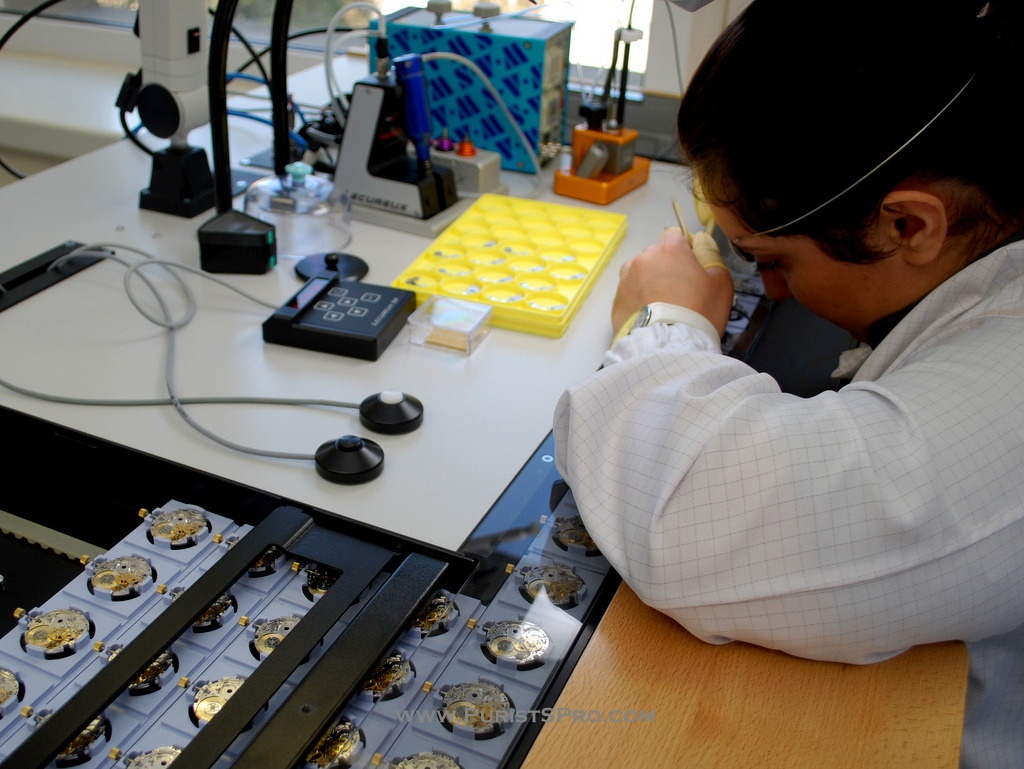
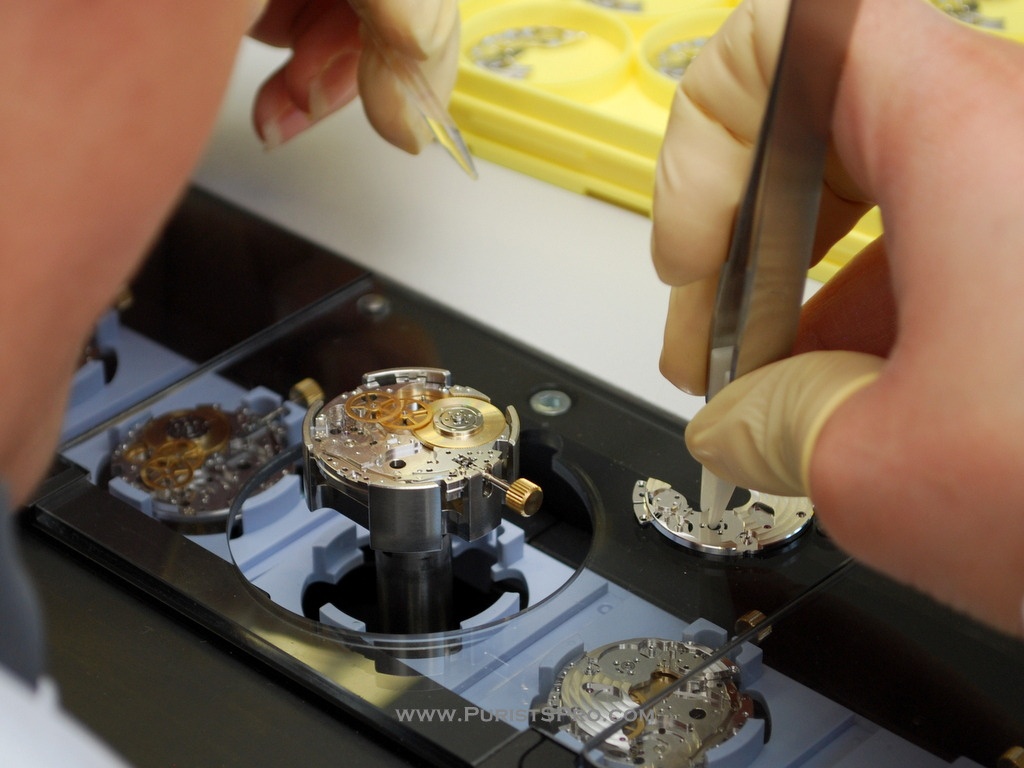
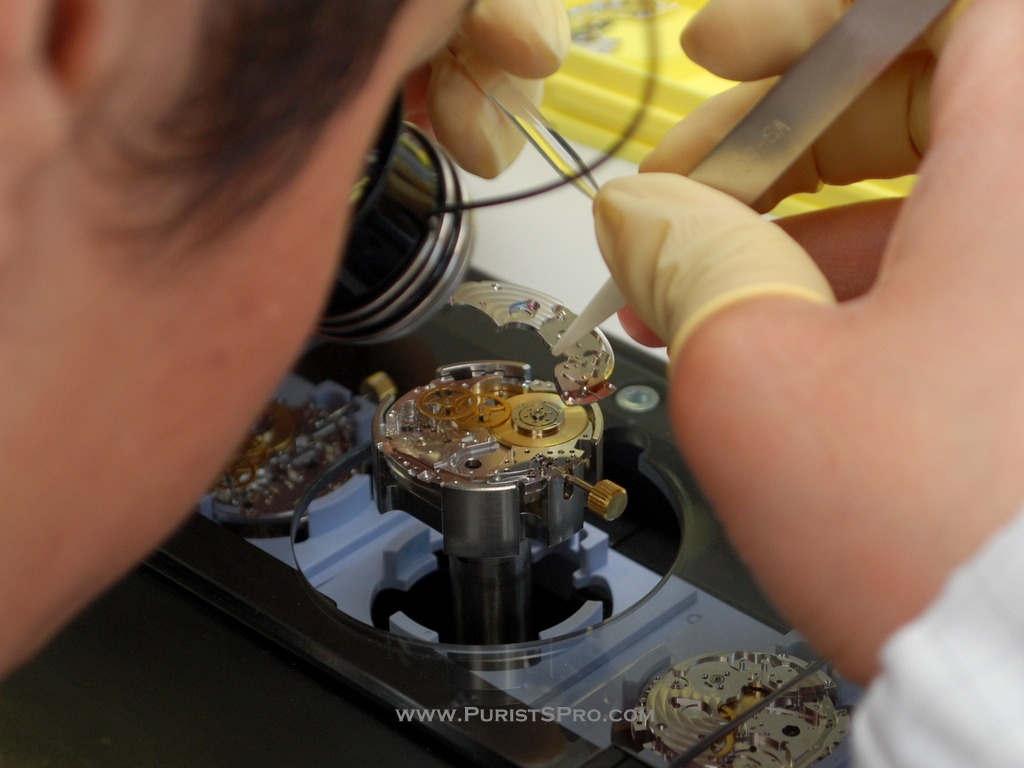
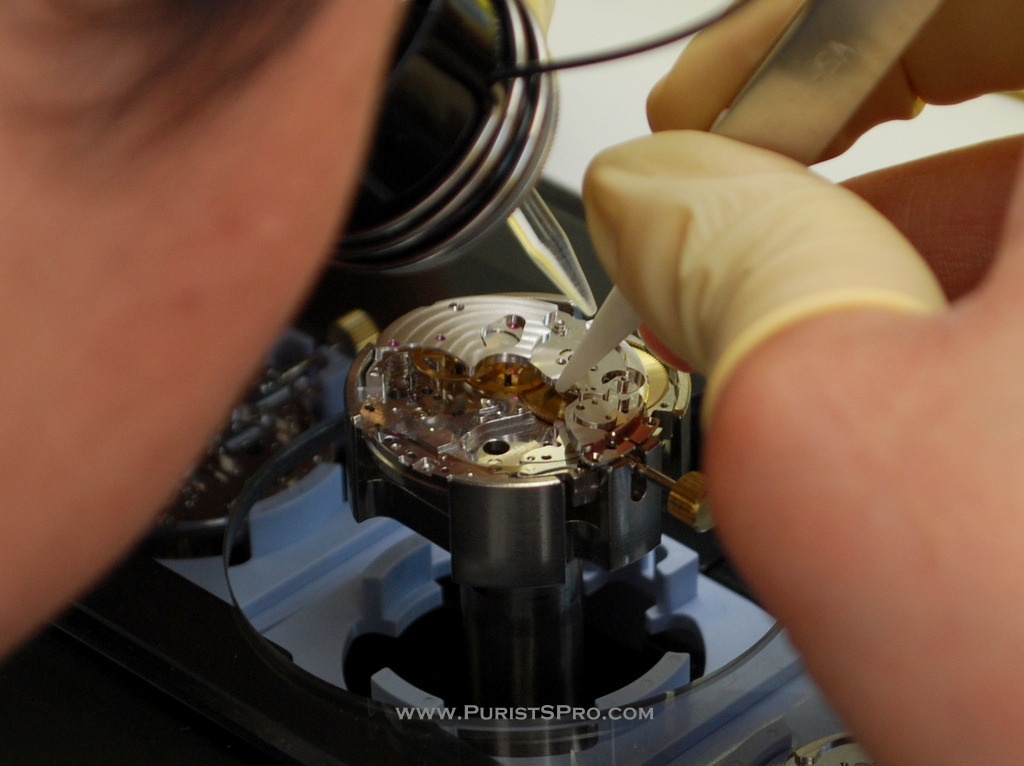
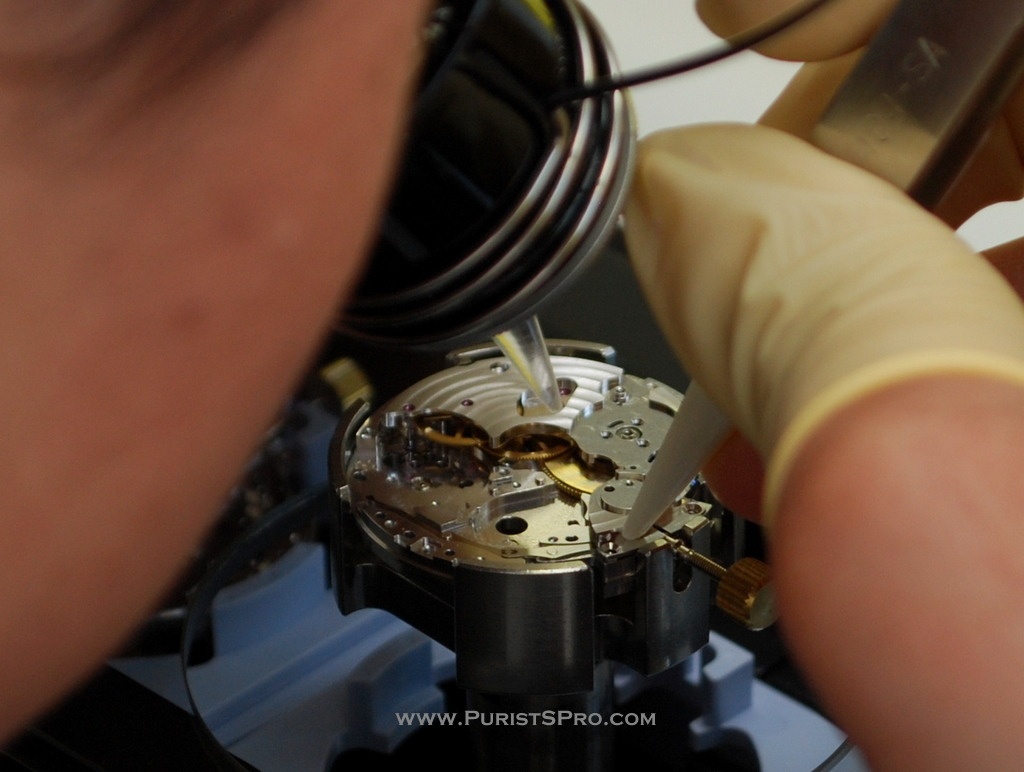
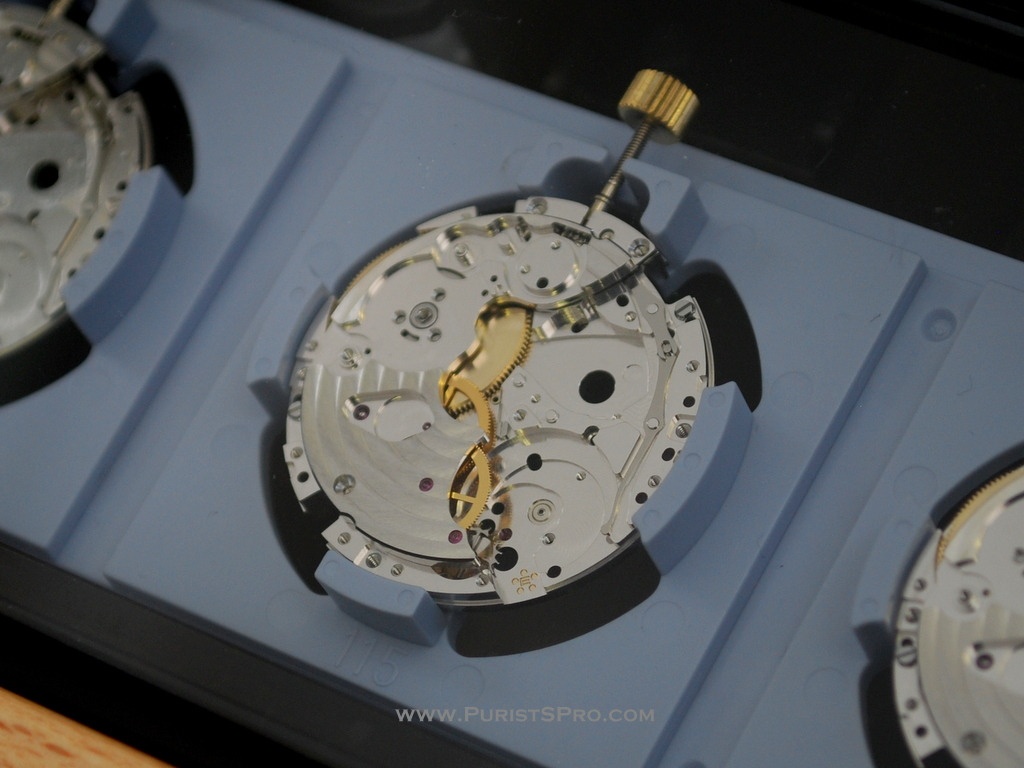
Here we can see some of the specialist tools used to assure the production quality. For example pneumatic torque controlled screw drivers so that no screw is too loose or the threads ripped and also automatic dosing machines for applying the correct amount of lubricants.
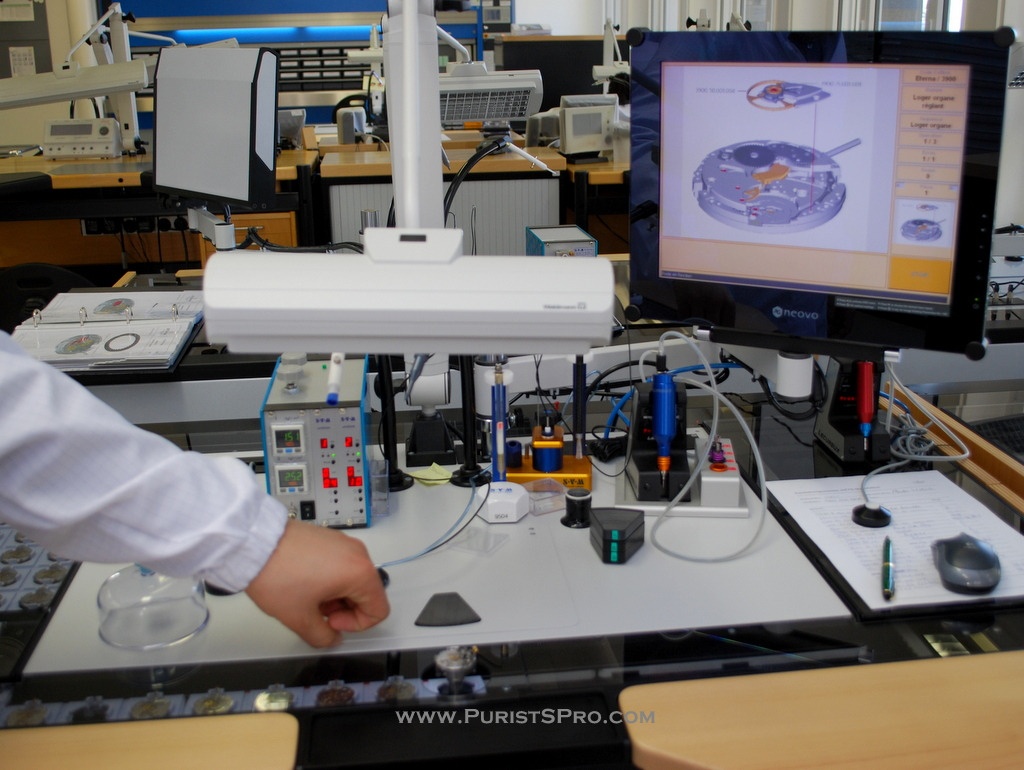
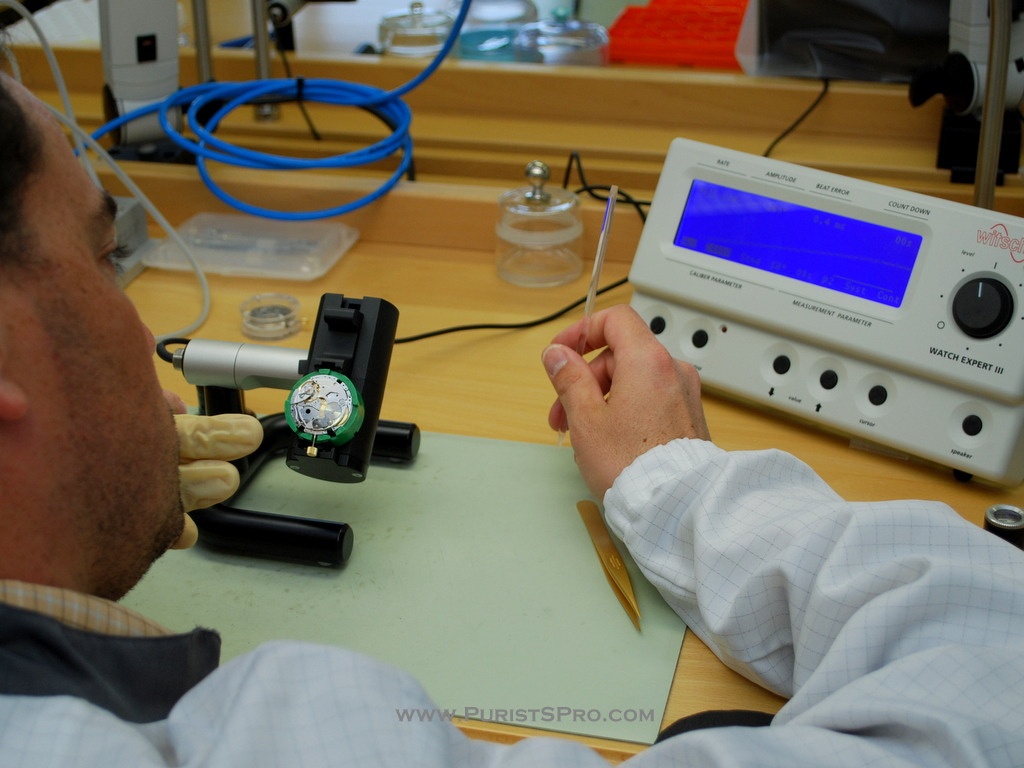
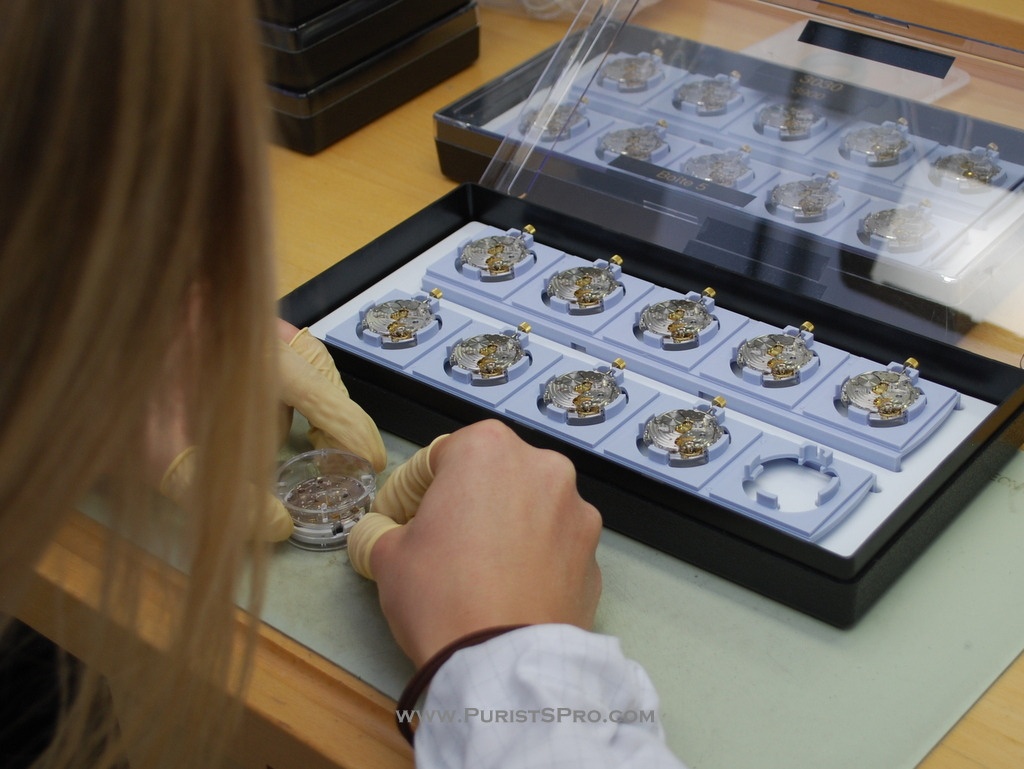
Once all is mounted each movement is controlled and adjusted before they are put in movement cases and head off to stock.
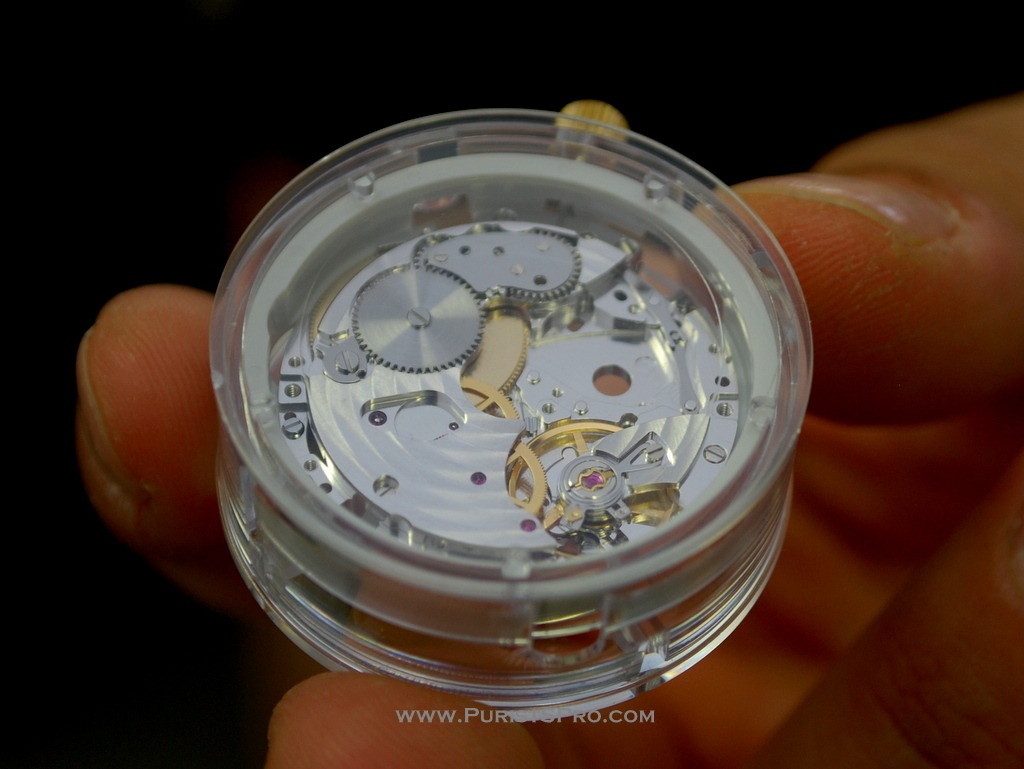
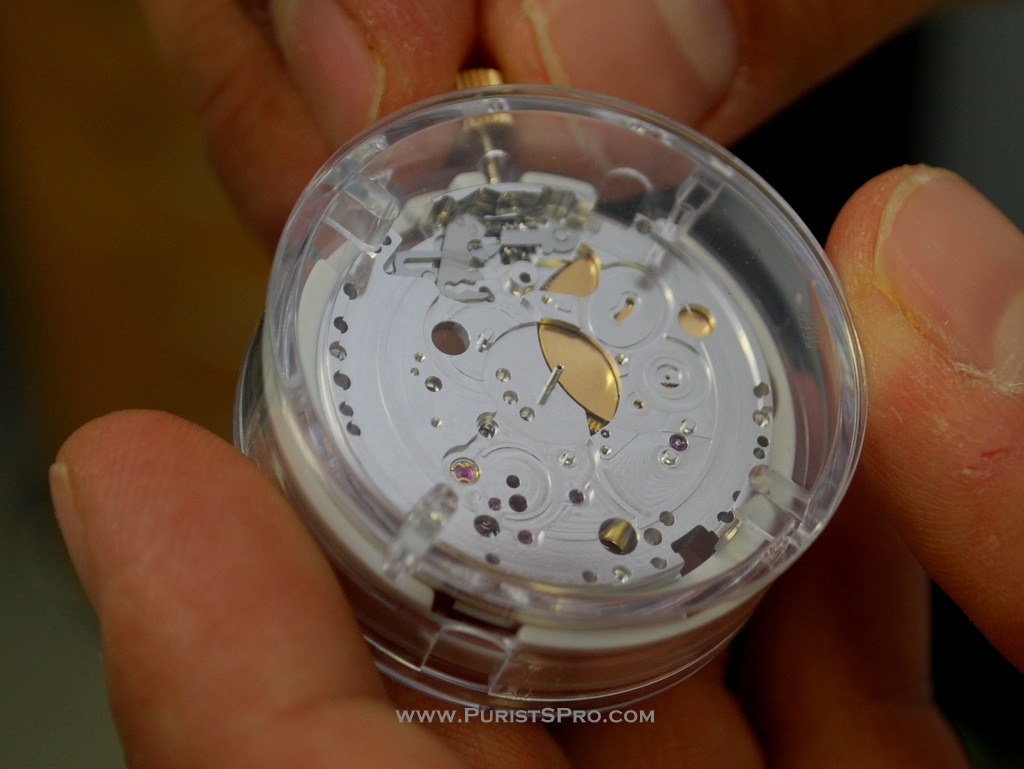
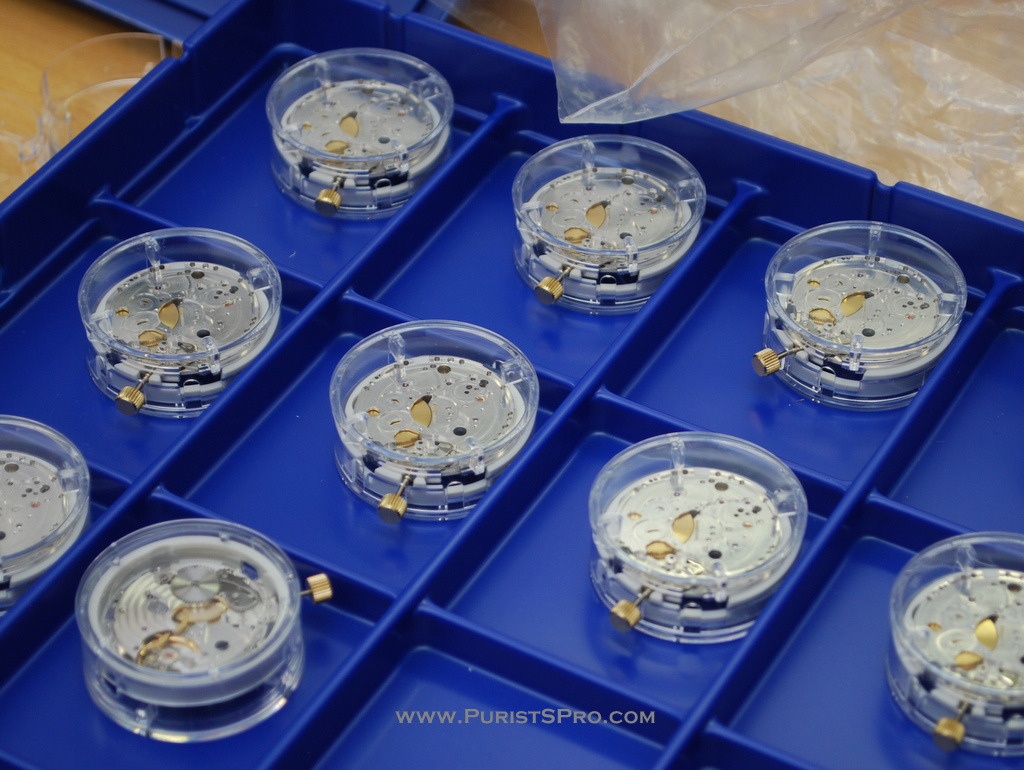
Here we see a finished base 39XX movement. The movement goes into stock like this; the complication units are added during final assembly and testing when the movement is cased up.
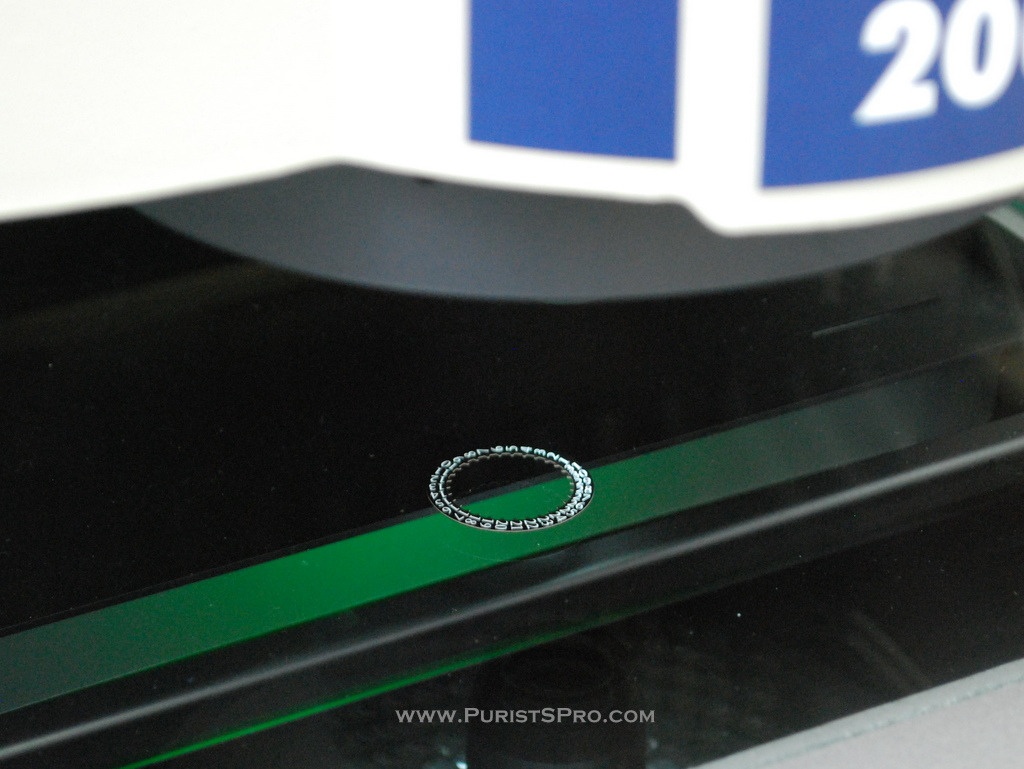
The production facilities are, of course, accompanied by the necessary quality control. Here we see an optical measurement station. This unit can do a complete optical scan of a part, including the depths, and make a comparison with the CAD data giving an OK or NOT-OK in less than one minute.
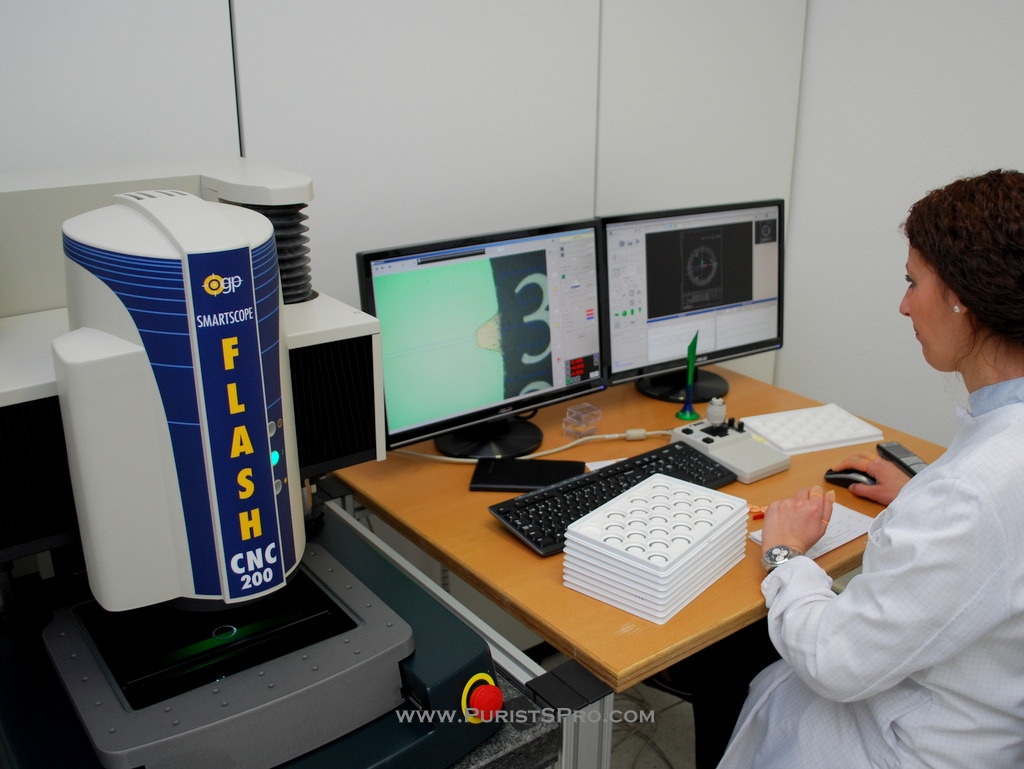
Here it is being used to control a date ring and the date ring printing.
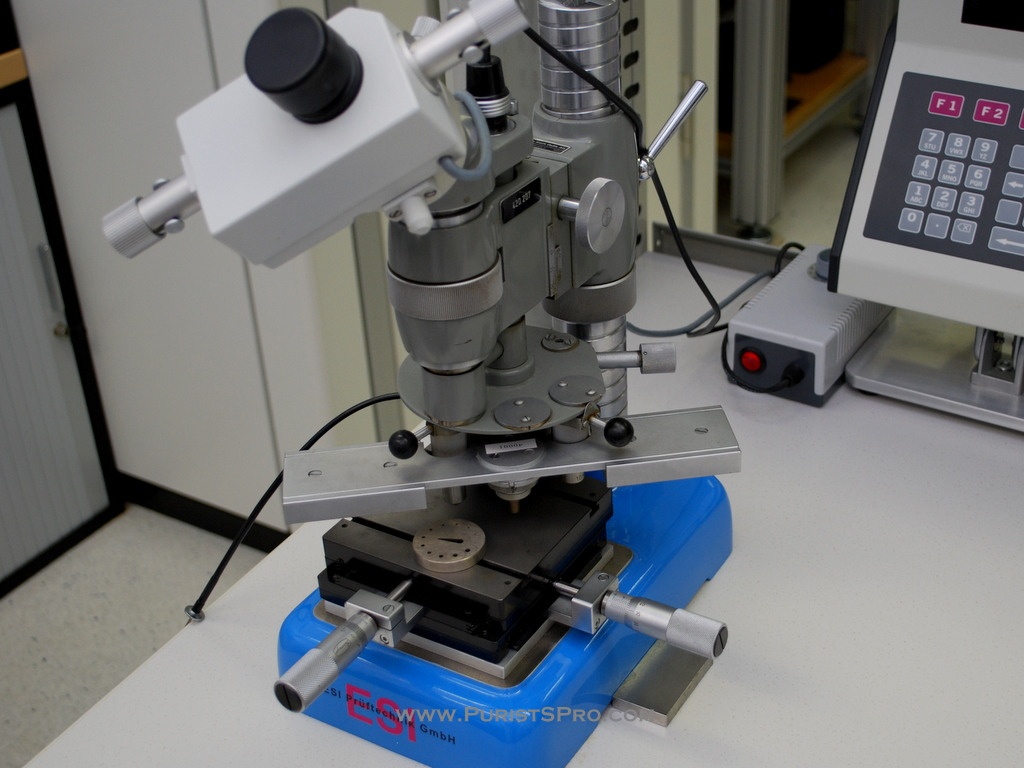
A machine that we don’t see very often, this is for testing the hardness of materials. That the material hardness is according to specs is especially important to guarantee a long working life for things like brass gears. Brass can have very different hardness’s depending on how it is treated (as can steel and all other metals too).
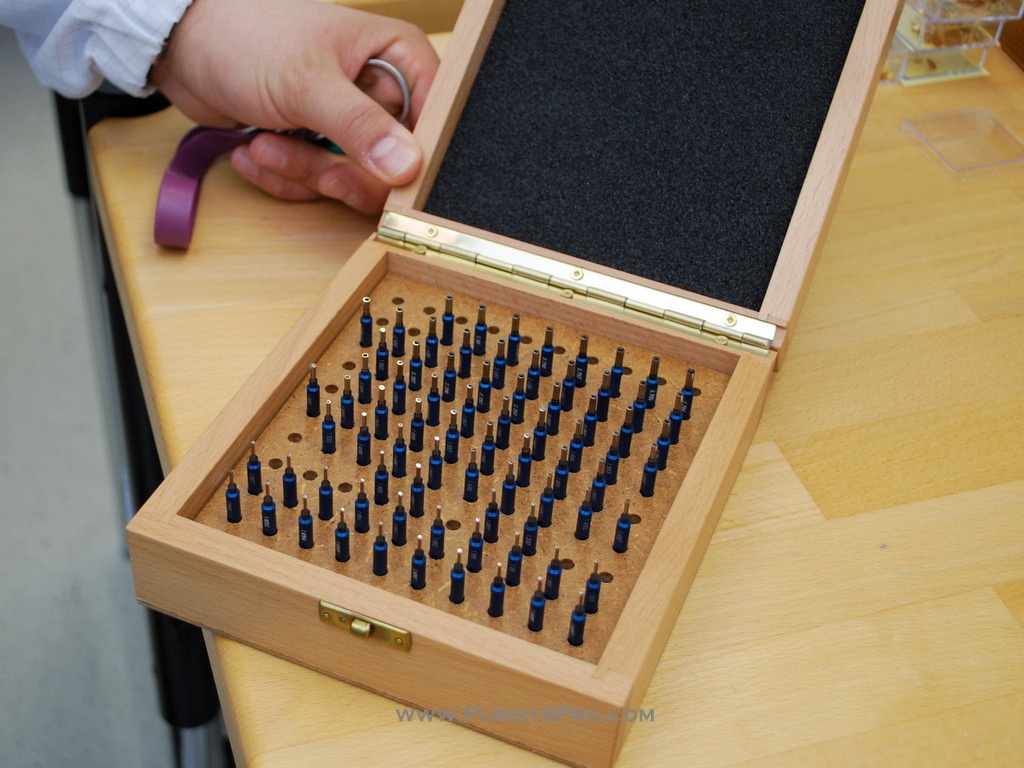
A set of tampon guages for measuring inside diameters.
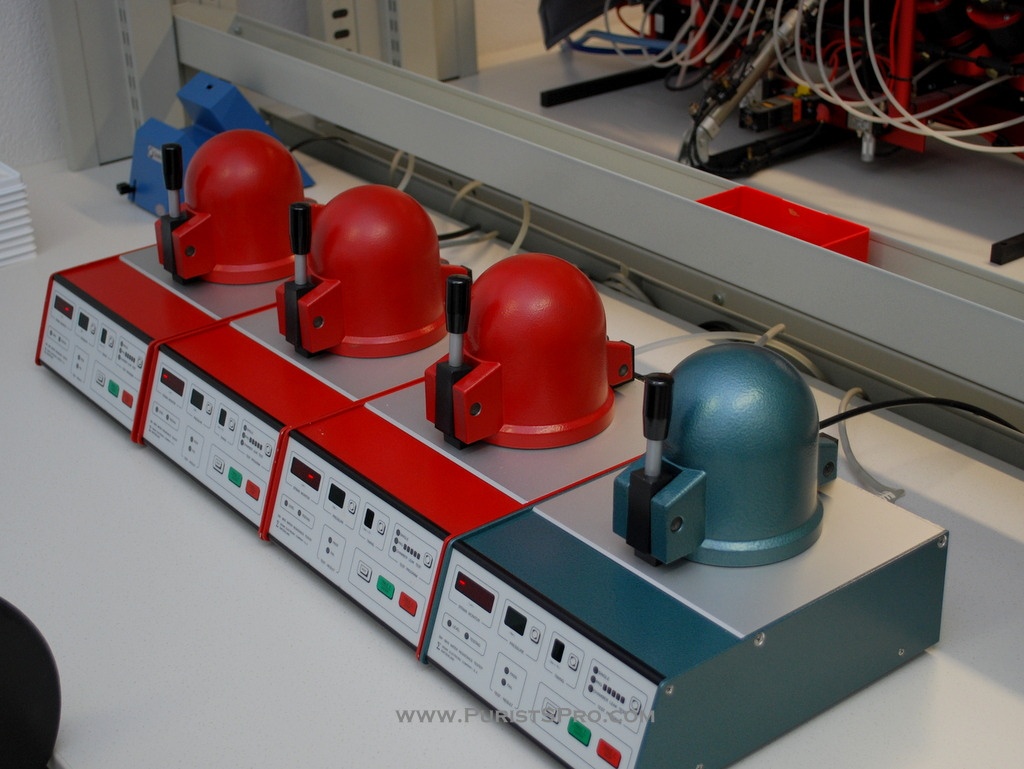
Pressure testers for water tightness.
Before final delivery each watch is controlled by hand and the timing controlled once more.
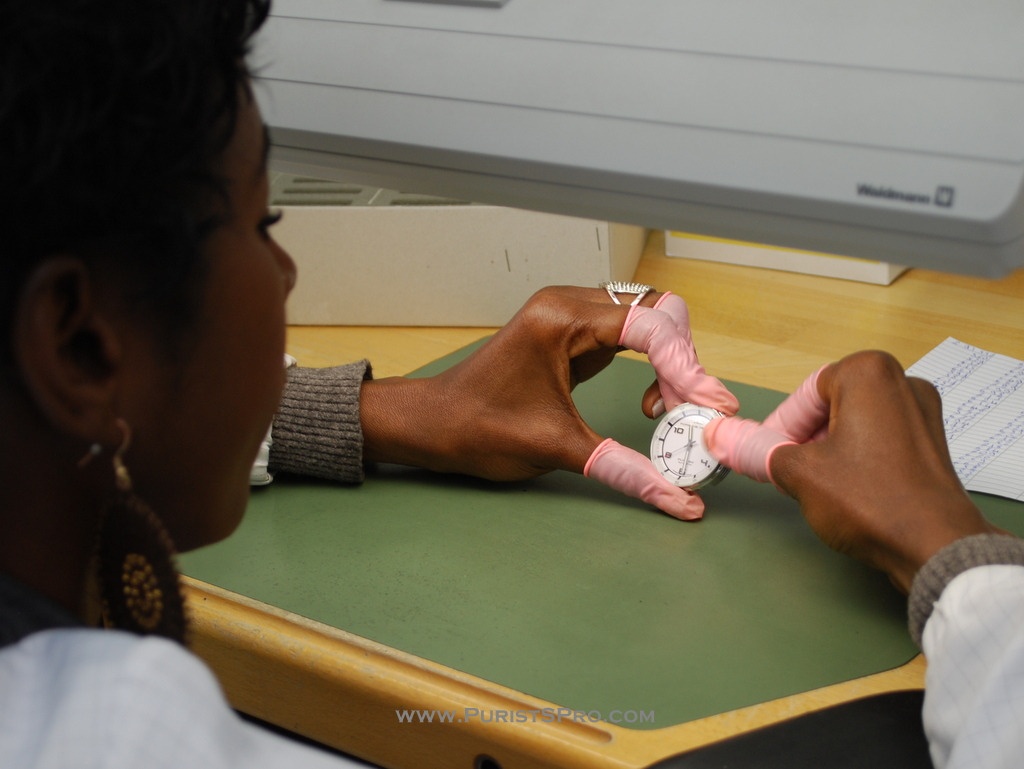
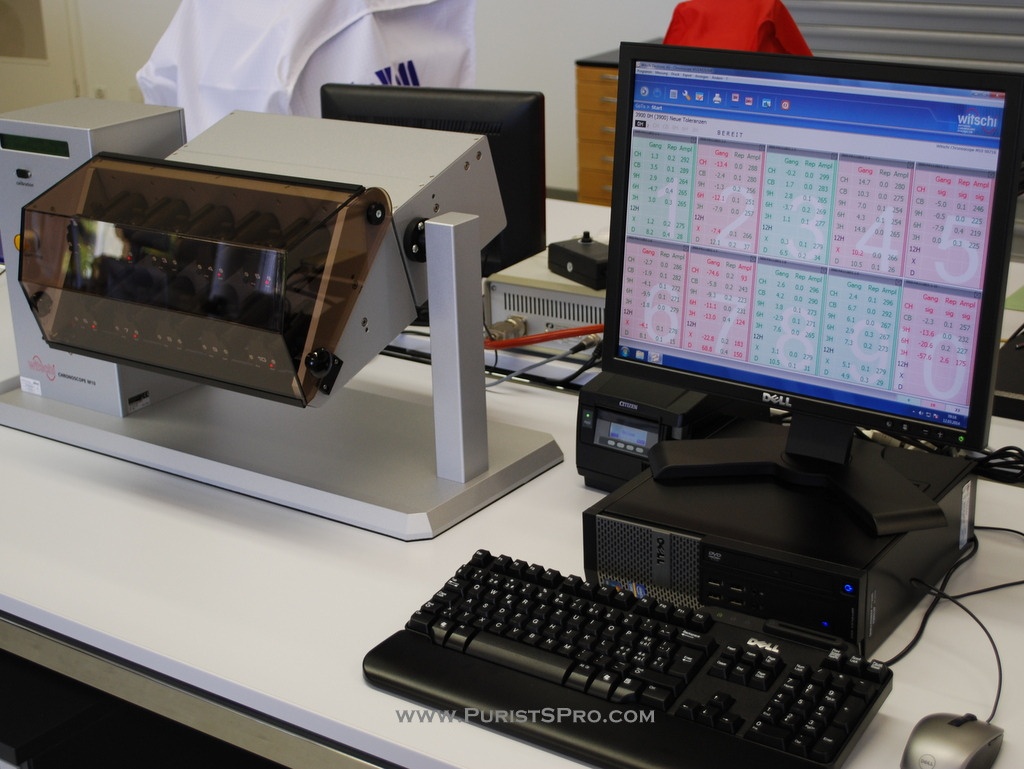
Final assembly and testing is now fully occupied with preparations for BaselWorld.
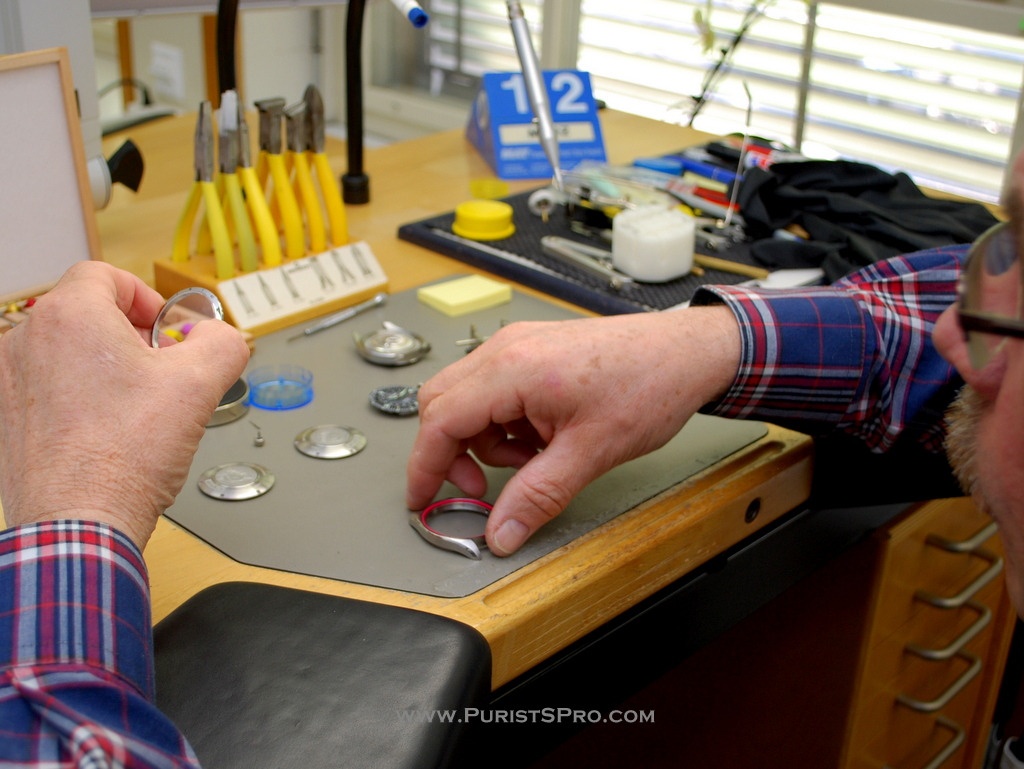
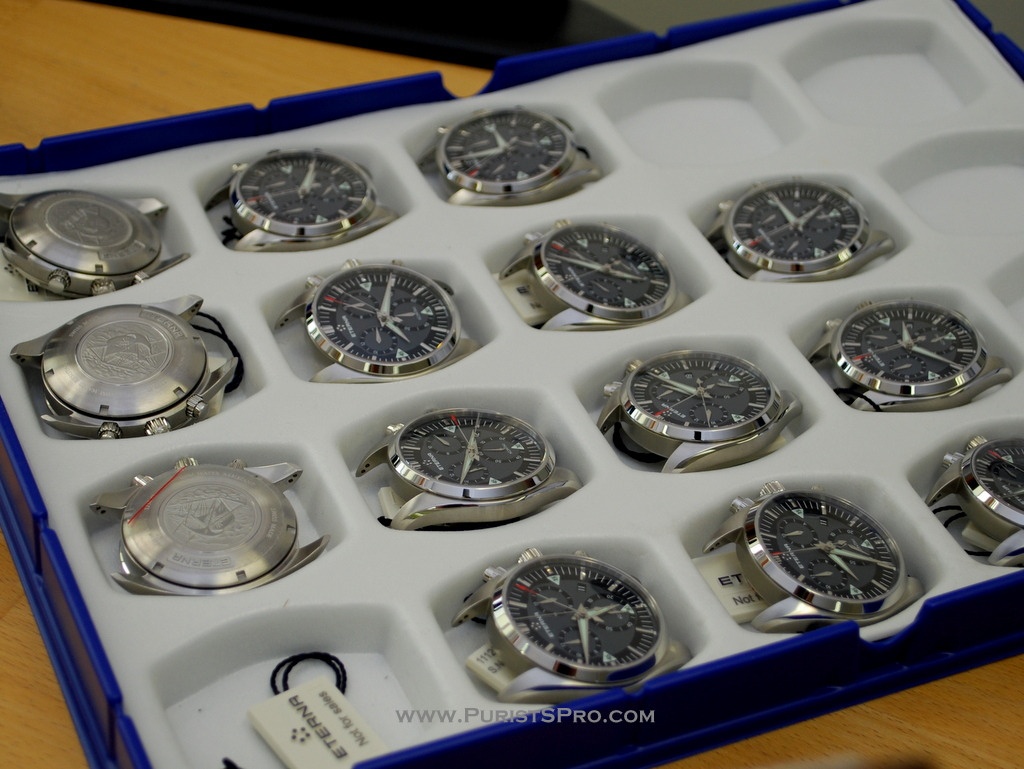
After sales service is another area that is very important.
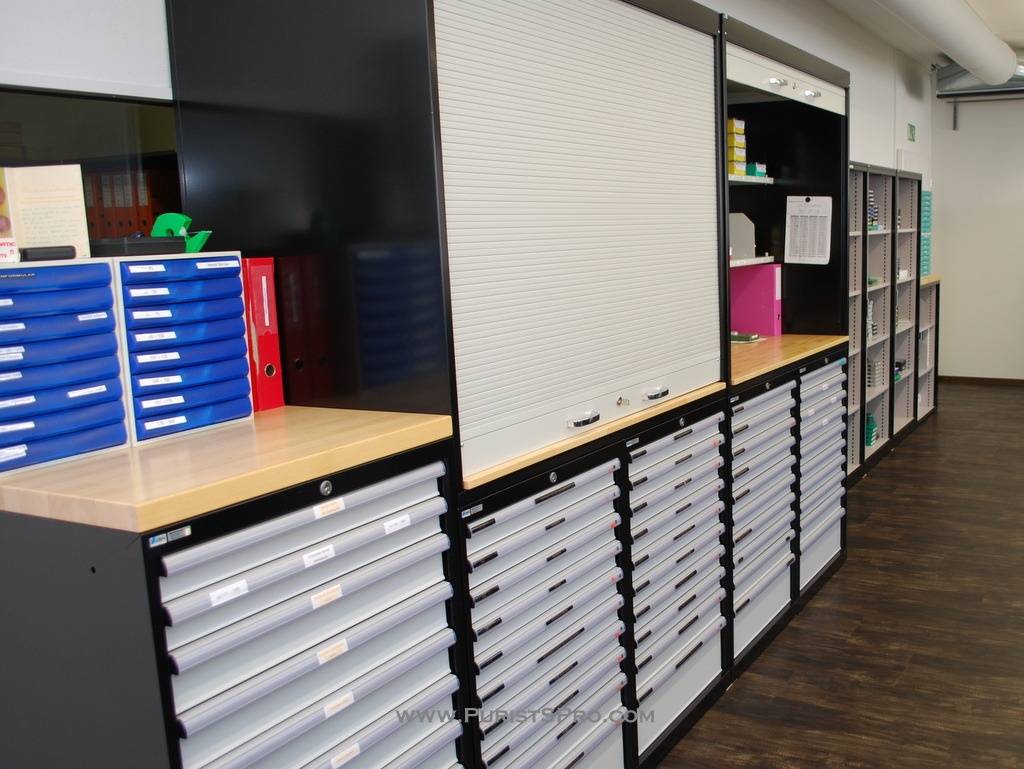
The parts stock for the watches that service sees most often are stored here. The rest of the stock is on lower floors of the building.
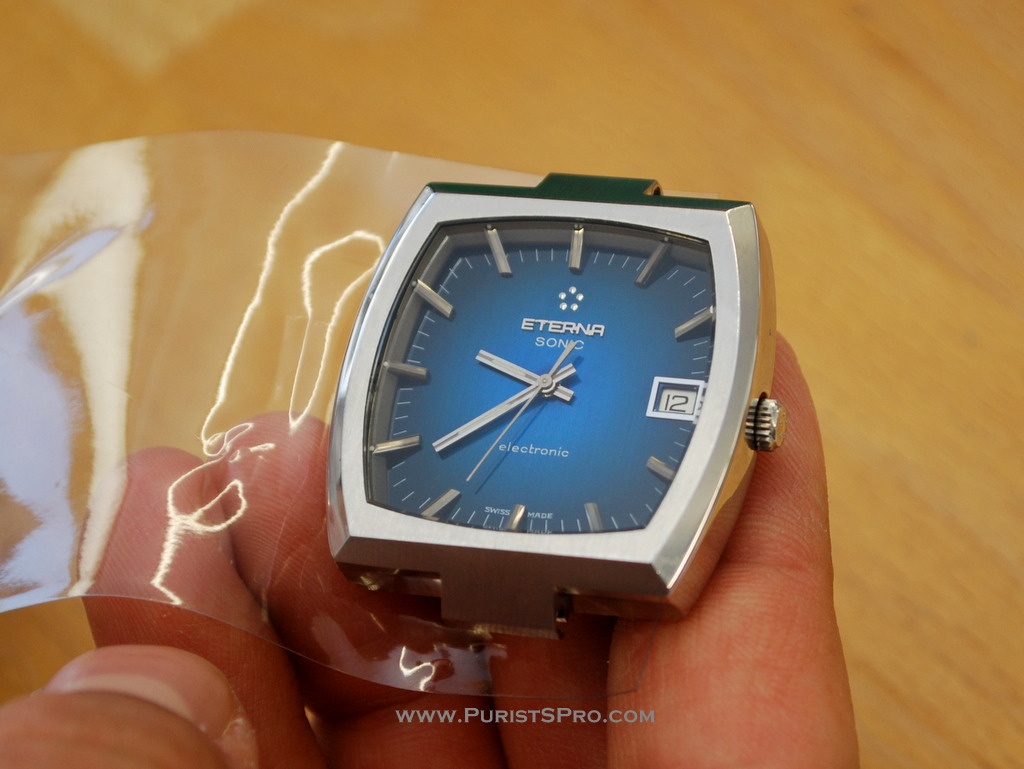
Here we see an Eterna Sonic, tuning fork watch from the ‘70s now ready to go back to its owner.
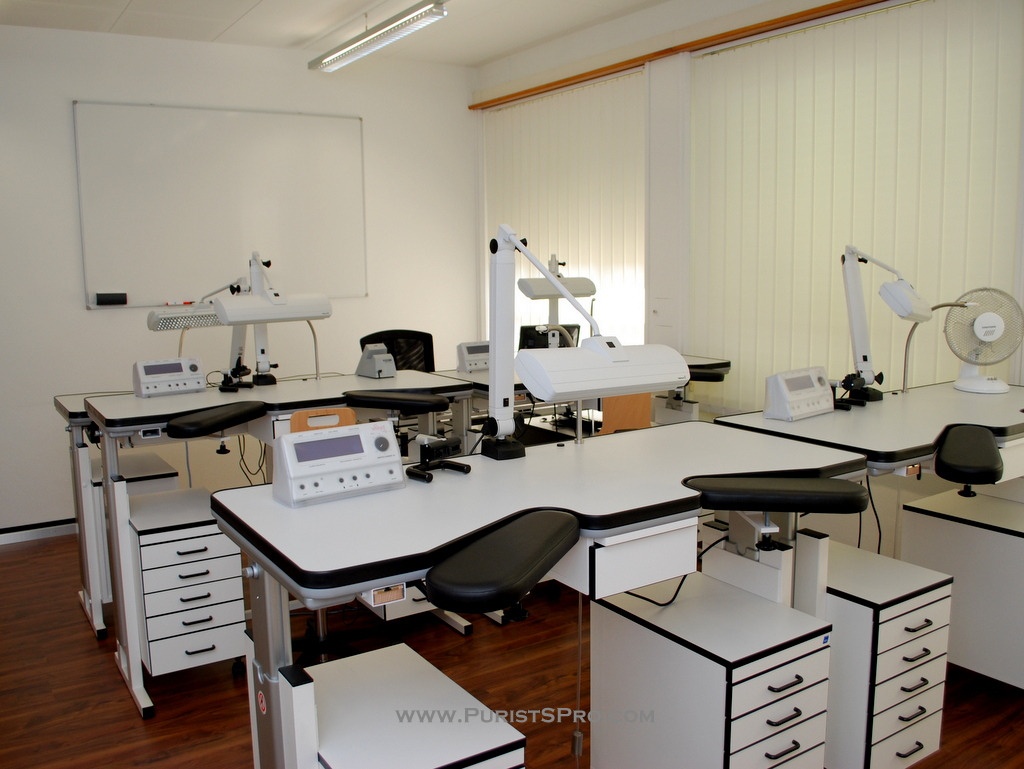
The last important area I saw was the watchmaker training room. Newly equipped this is where the watchmakers are trained for local service.
I would like to thank the people at Eterna for their reception and generous time to show me around. Let us hope that they will be able to give back to the brand Eterna the full shine that it once had.
Key Points from the Discussion
- The post offers hope for the future direction of Eterna, especially after recent acquisitions, by showcasing the brand's investment in in-house movement production.
- The significant energy invested in Eterna's movement production, including an unexpected in-house galvanics section, is highlighted as a notable development that has been largely overlooked.
- The ambition behind Eterna's movement production is recognized, though the brand faces challenges in achieving growth, with hopes that the 39XX movement will contribute to its resurgence.
- Eterna is praised for its emphasis on manual winding movements, classic aesthetics, and relatively moderate pricing, with hopes for a resurgence under new benefactors.
Advertisement
Continue the conversation
This thread is active on the Horological Meandering forum with 5 replies. Share your knowledge with fellow collectors.
Join the Discussion →


