Manufacture
Kong presents the second installment of a detailed series on the creation of the Dresdener Regulator, offering a rare, in-depth look into the intricate processes of haute horlogerie. This segment focuses on the critical stages of decoration, including perlage and bridge finishing, providing a visual and technical understanding of the meticulous handcraft involved. The post, featuring contributions from Don Corson, highlights the precision and artistry required to achieve a high-quality watch movement's aesthetic and functional perfection.
Decoration
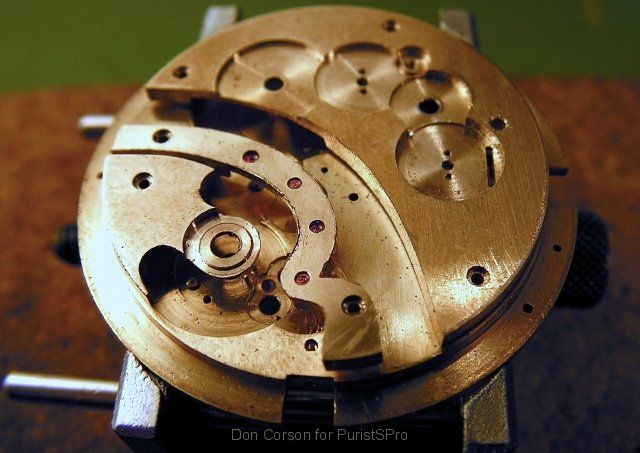
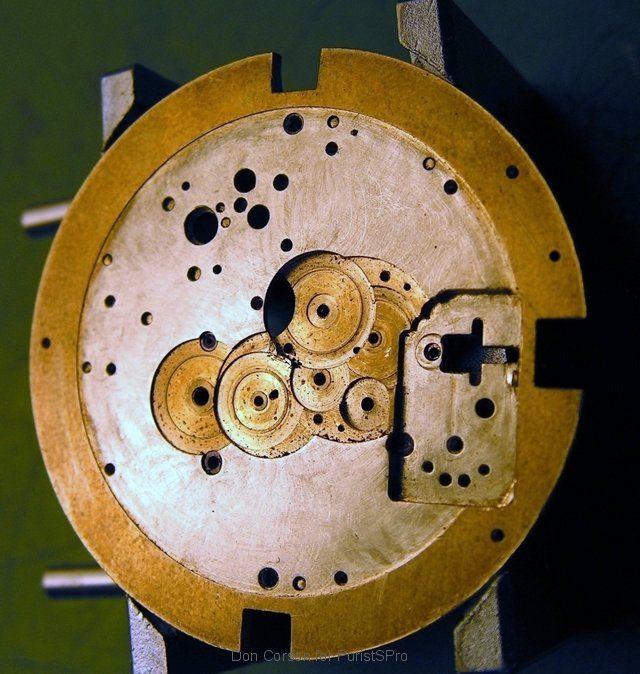
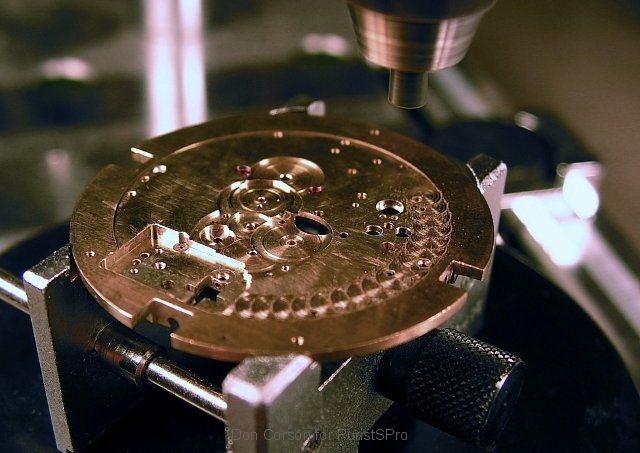

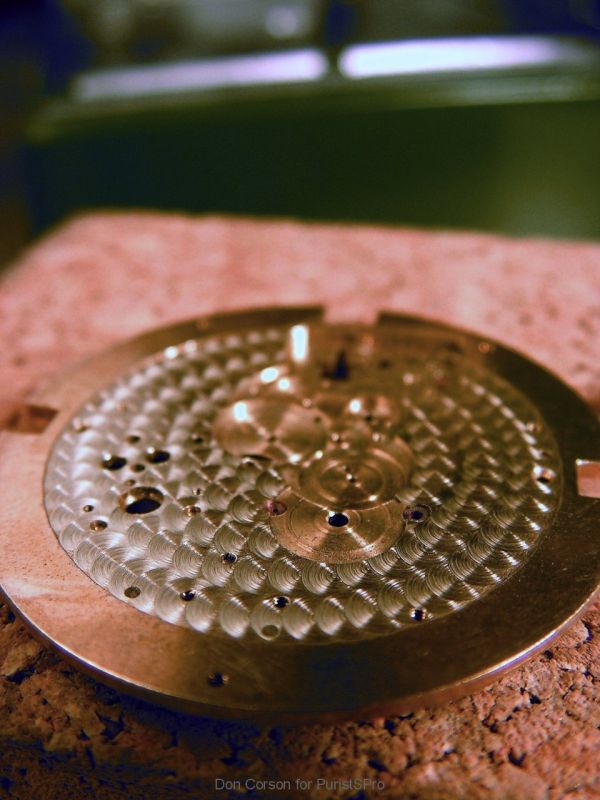
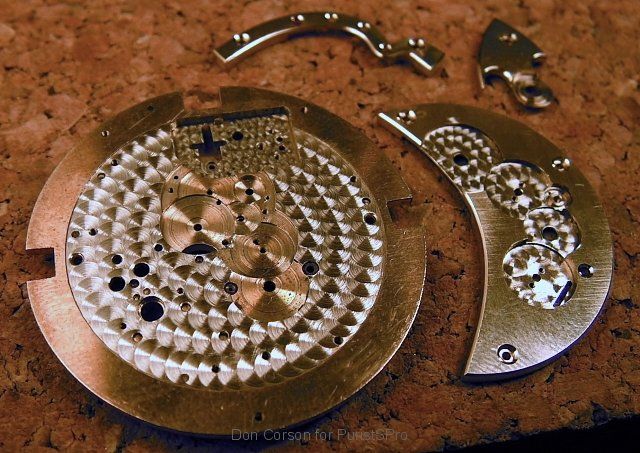
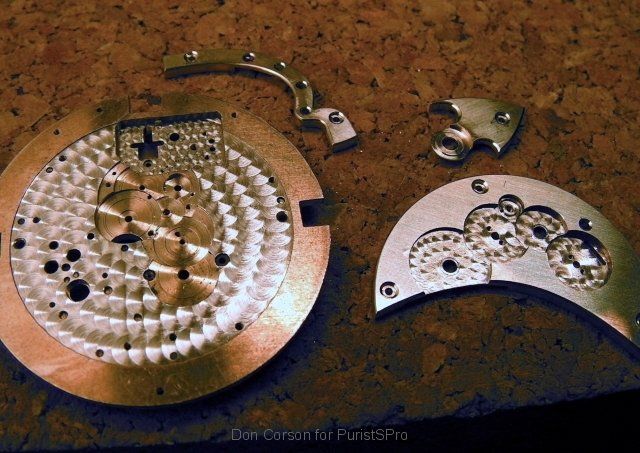
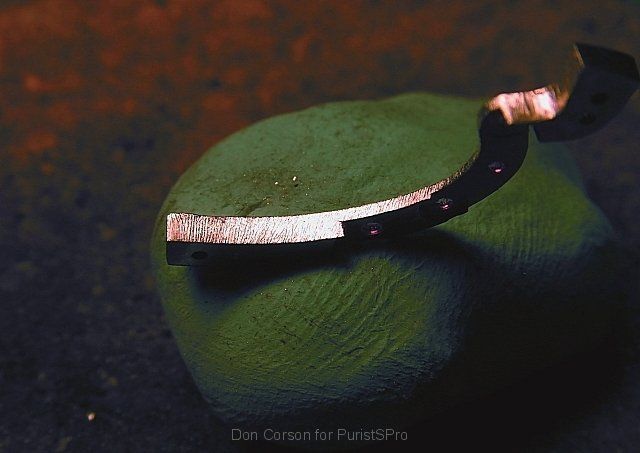
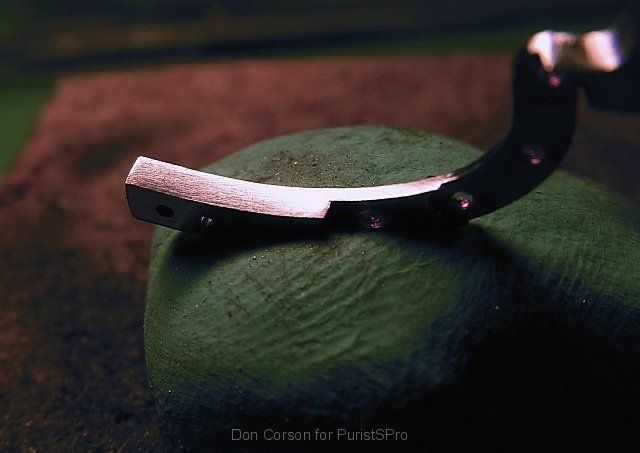

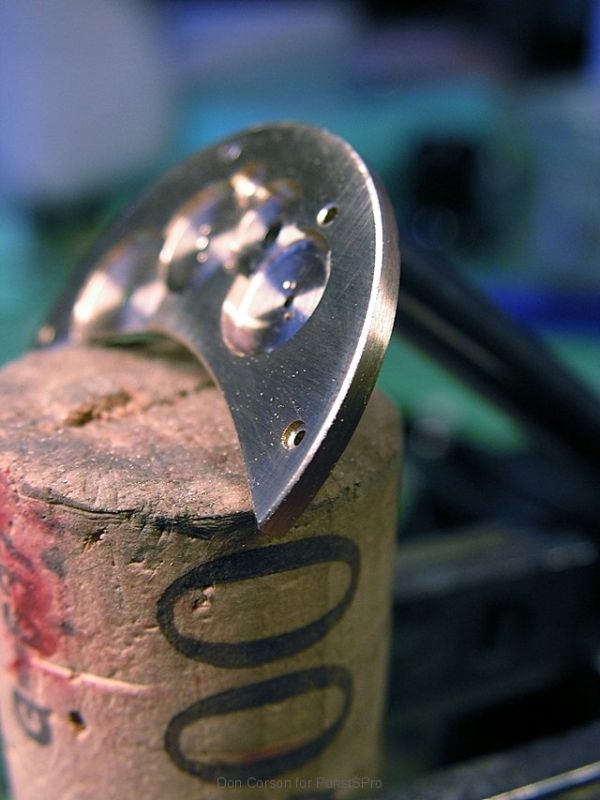
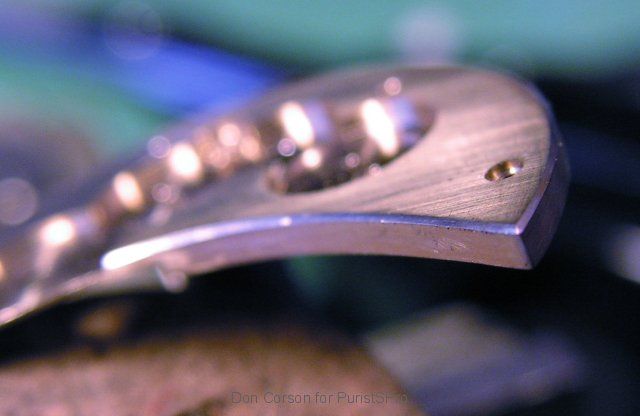


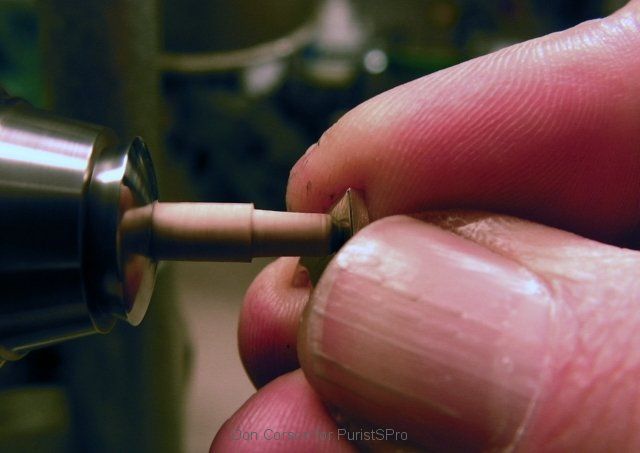
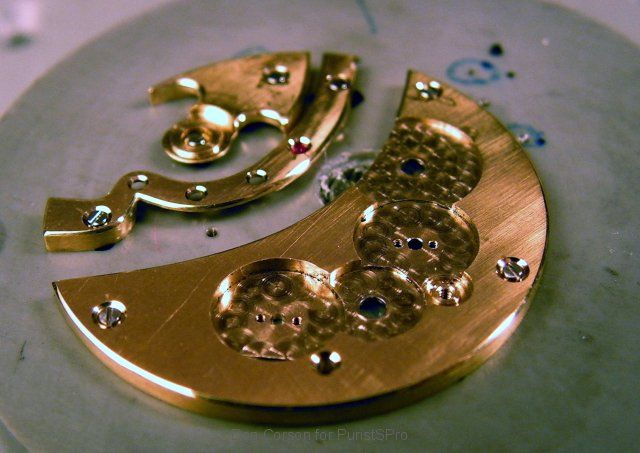
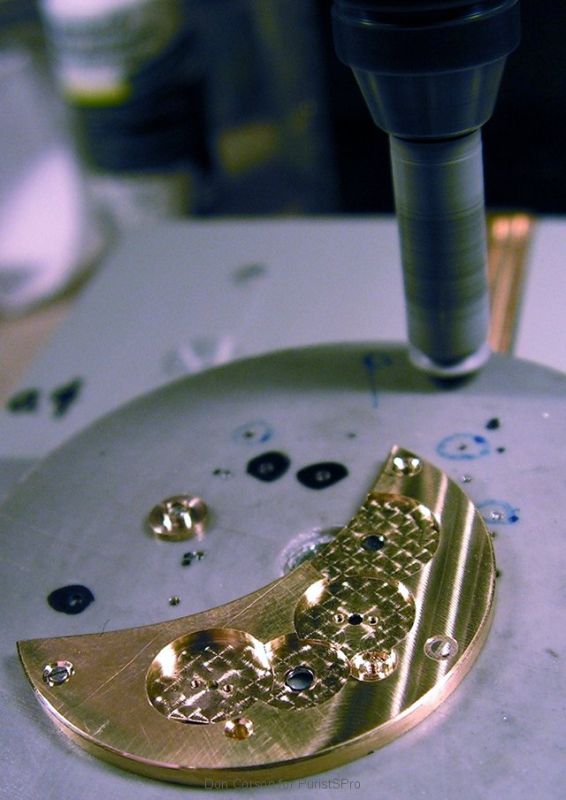
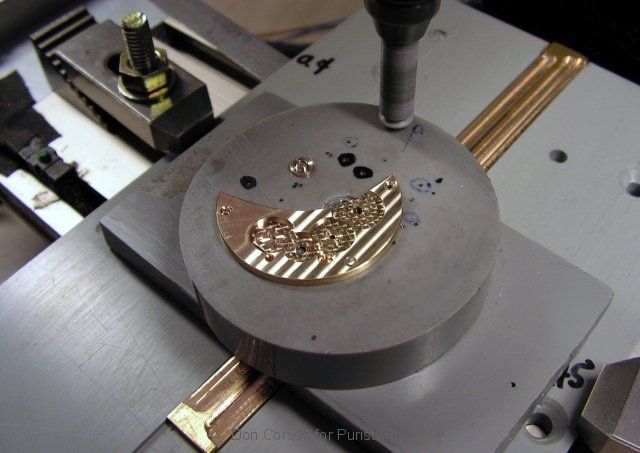
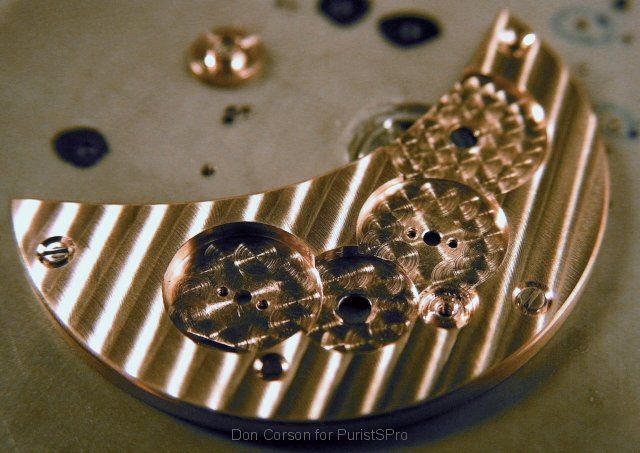

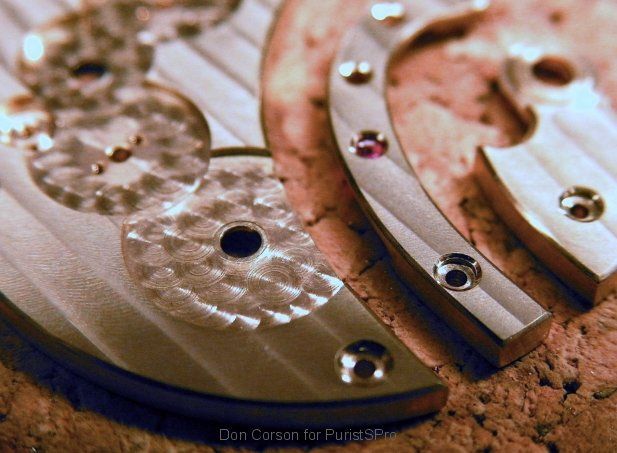
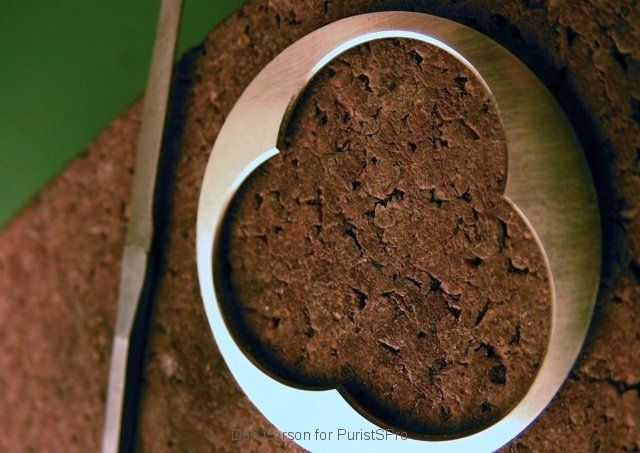
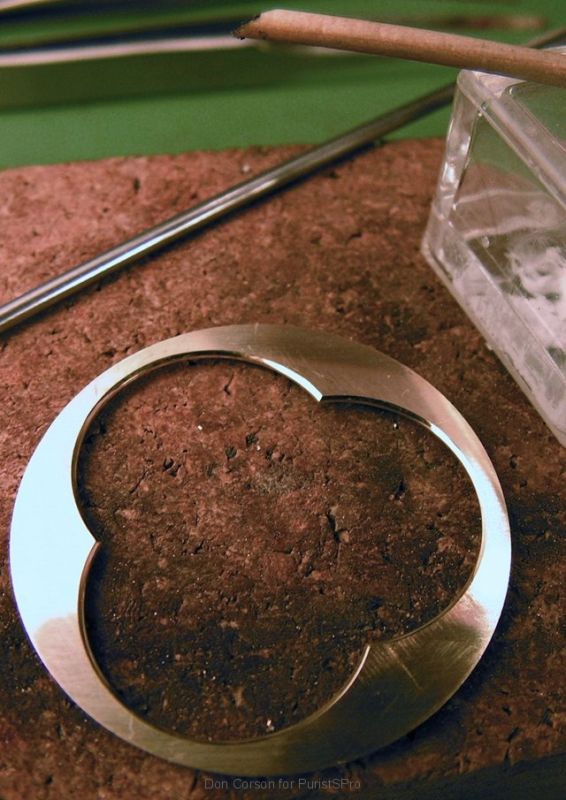
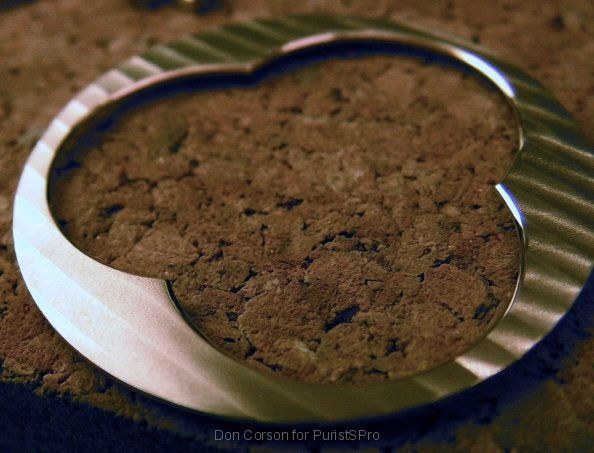


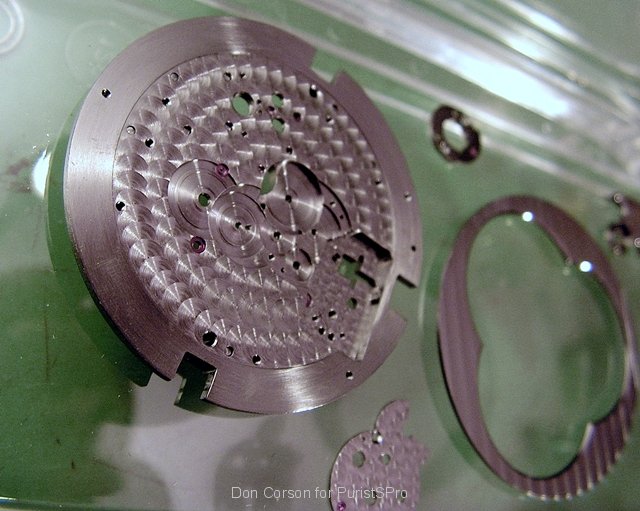
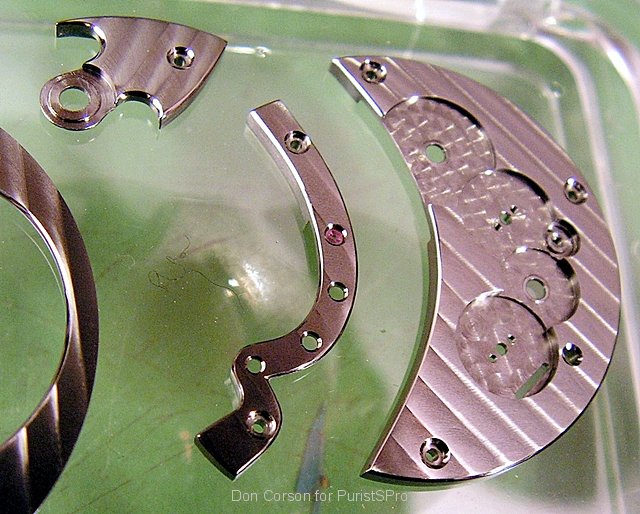

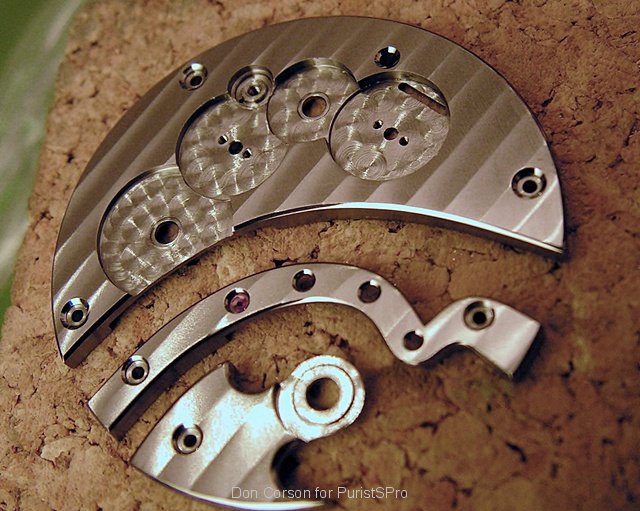
The re-assembly will start after some more parts, like the wheels, are finished in the next installment.
Stay tuned for the Part 3! (Please click here to access)
Thanks to Don and to Kong for posting this. Don, may I ask you how you prevented the dial from bending during the bevelling work? Any slight deviation from an exact plane could show when applying the Côtes de Genève , I assume. Best, Magnus
Gorgeous work here Don. You really astound! Noticing you go into micron level diamond polish, what level is your diamantine? You work the polish with the file at the same time? That wood you use for polishing your jewel countersinks- would I be correct if I said that was boxwood? Boxwood polishes many metals quite well, just curious what an independant artisan prefers here. I'm not a polishing specialist when it comes to metal, as you are here, but when I'm polishing my rubies, I only use diamon
Hi Ophiuchus! I don't use diamond abrasives at all. Diamantine is aluminum oxide. I am still searching for the perfect polish and it depends on the material being polished, of course. I have the best results on steel with a final polish with Diamantine, on gold I use jewelers rouge for the final polish, on brass or maillchort I am undecided and have had good results with rouge, diamantine and blue diapol which is actually for platinum, but I have been told it is the best for brass so I tried it.
...it's so fascinating to watch the process unfold. Thanks, Kong, for the post. And, Don, I can't tell you how impressed I am to see the steps you take in finishing each individual element of your watch. I wonder where you house all the machines and tools it must take to create your little masterpieces! In the 8th or 9th photo down it appears as though you might be using modeling clay, or similar material, to hold the bridges in place in order to photograph them. That's clever! I'm super e
I took my time studying each picture. It was very enjoyable. Especially after seeing the completed watch. Thanks for the excellent documentation!
You saw one similar to this. This is a new watch that is now still in the making. This evening I am repolishing the hands as the rhodium plating didn't come out well. There are funny spots in the plating. I didn't see them at first with the naked eye, but under a loupe they are a no-go. Back to the platers next week. The joys.... Don
This thread is active on the Horological Meandering forum with 25 replies. Share your knowledge with fellow collectors.
Join the Discussion →