Manufacture
MTF continues his 'History of CHOPARD Time and Jewels' series, focusing on the pivotal period when Karl Scheufele III acquired L.U. Chopard & Cie in 1963. This installment highlights the challenges and strategic decisions that transformed the Scheufele family into Swiss watchmakers and laid the foundation for modern Chopard.


Following the series ‘A Brief History of CHOPARD Time and Jewels’ in 2016, we start a new series with more details to enrich the background of how the ‘Chopard & Cie’ company of today came about.
Karl Scheufele II to Karl Scheufele III
Due to ill health, Karl II took early retirement in 1958 and it fell upon the young shoulders of 20-year old Karl III to save the debt-ridden Karl Scheufele Company and 35 employees. We already know the story of the revival from ‘A Brief History of CHOPARD Time and Jewels part 3: Third Generation’.
Scheufeles buy L.U. Chopard & Cie
The almost serendipitous Turn of Fate happened in 1963. The Scheufeles had been unsuccessful in buying a Swiss watchmaking firm despite advertising and meeting some owners. You’d be surprised to know which famous names were rejected!
The fateful story is found in ‘A Brief History of CHOPARD Time and Jewels part 4: New Beginnings’
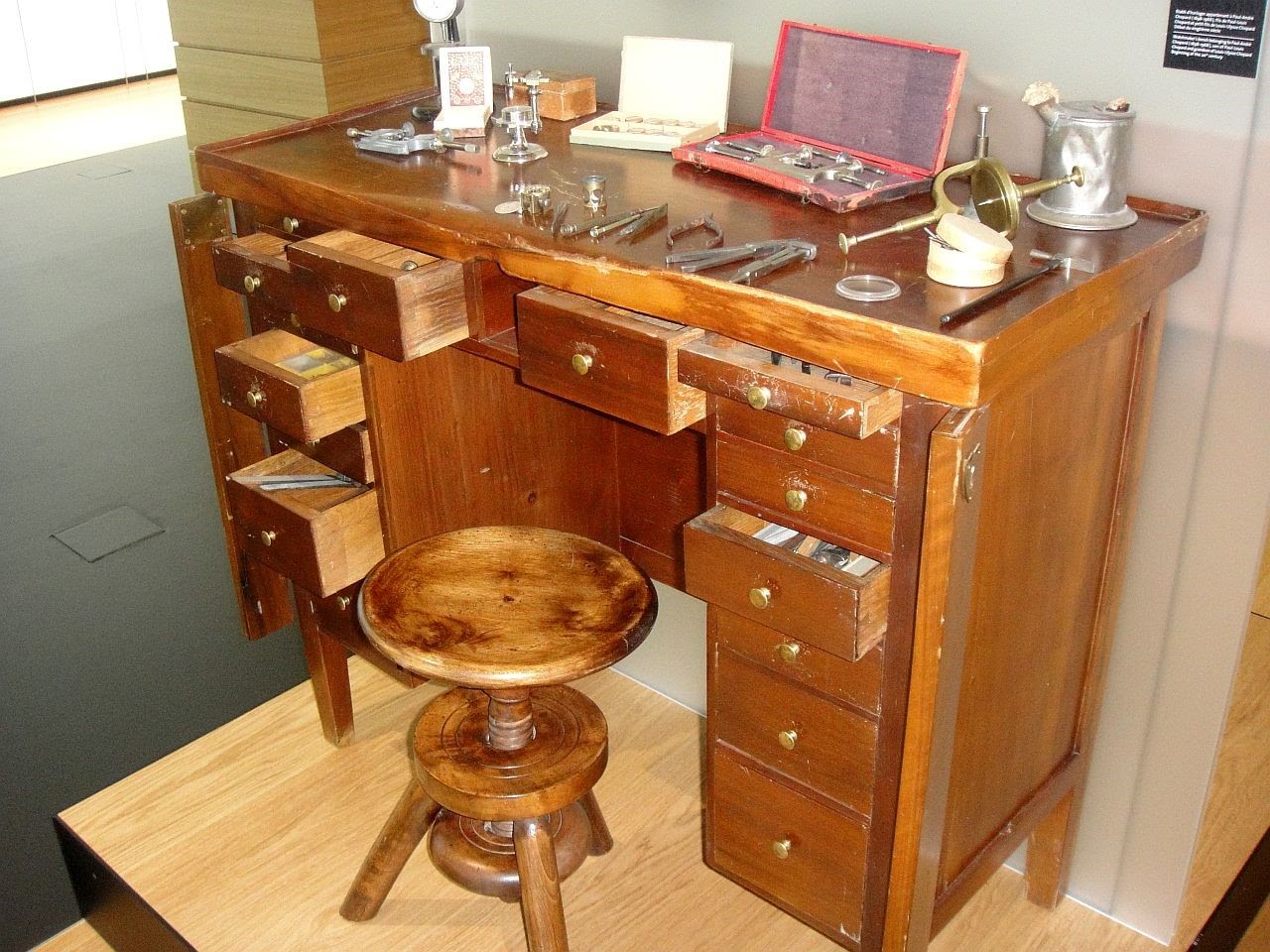
Paul-Andre Chopard workbench
The 70-year old Paul-Andre Chopard’s sons were not interested in the company. They served the gods of Money and the wealth of God; one was a banker in Zurich and the other a missionary in Africa.
After the deal was sealed, the Scheufeles of Pforzheim were Swiss watchmakers. Despite a decline in fortune, Chopard was a true movement manufacturer and that was a big asset. The Karl Scheufele Company owned ESZEHA and made cases and bracelets in Pforzheim for the Chopard Geneva manufacture to make the watches.
Paul-Andre Chopard continued at his work bench until his death on 14th October 1968. That bench is preserved in the Chopard museum.
Cruelty in Geneva
Although the elder Scheufele now jokes about people not being able to pronounce the company name and frequently confusing it with 'Chopin' or 'Clochard' (FR: tramp), the truth is more painful than he would normally admit. In rare moments of reminiscence, he tells of the hurt when competitors’ spiteful puns using the French word for ‘tramp’ and calling the family: “The Clochards from Geneva”.
Some even claimed that L.U.Chopard & Cie was just a mailbox address in Geneva without manufacturing capability. Karl Scheufele III invited all his clients to visit and see the “mailbox” in Geneva.
Uniting 45 professions under one Brand
Today, the visitor to all three Chopard locations – Geneva, Fleurier and Pforzheim – will see an impressive range of engineers, prototype makers, designers, goldsmiths, watchmakers, turners, tool-makers, polishers, smelters, engravers, CNC machine mechanics and students actively involved in making watch or jewellery models, movements and other vital components. In Geneva-Meyrin, Chopard makes its own gold alloys; Pforzheim is mainly devoted to jewellery, while Fleurier produces the high-end L.U.C watches and Chopard movements.
Promoting the Chopard Brand
Having an unknown name in 1963 may seem a poor starting point but it allowed Chopard to rebuild the brand’s reputation without the baggage of an existing image and protective brand equity. The way to do this was to cultivate the People, Process and Products to a degree that deserved a superior reputation.
The expertise already existed at the factory and needed only motivation and investment. Paul-Andre Chopard continued to pass on his expertise as a watchmaker leaving the Scheufeles to streamline production. The pocket watches and multi-branded wristwatches were deleted from production and only movements and complete wristwatches were assembled in Geneva.
ESZEHA gives way to CHOPARD
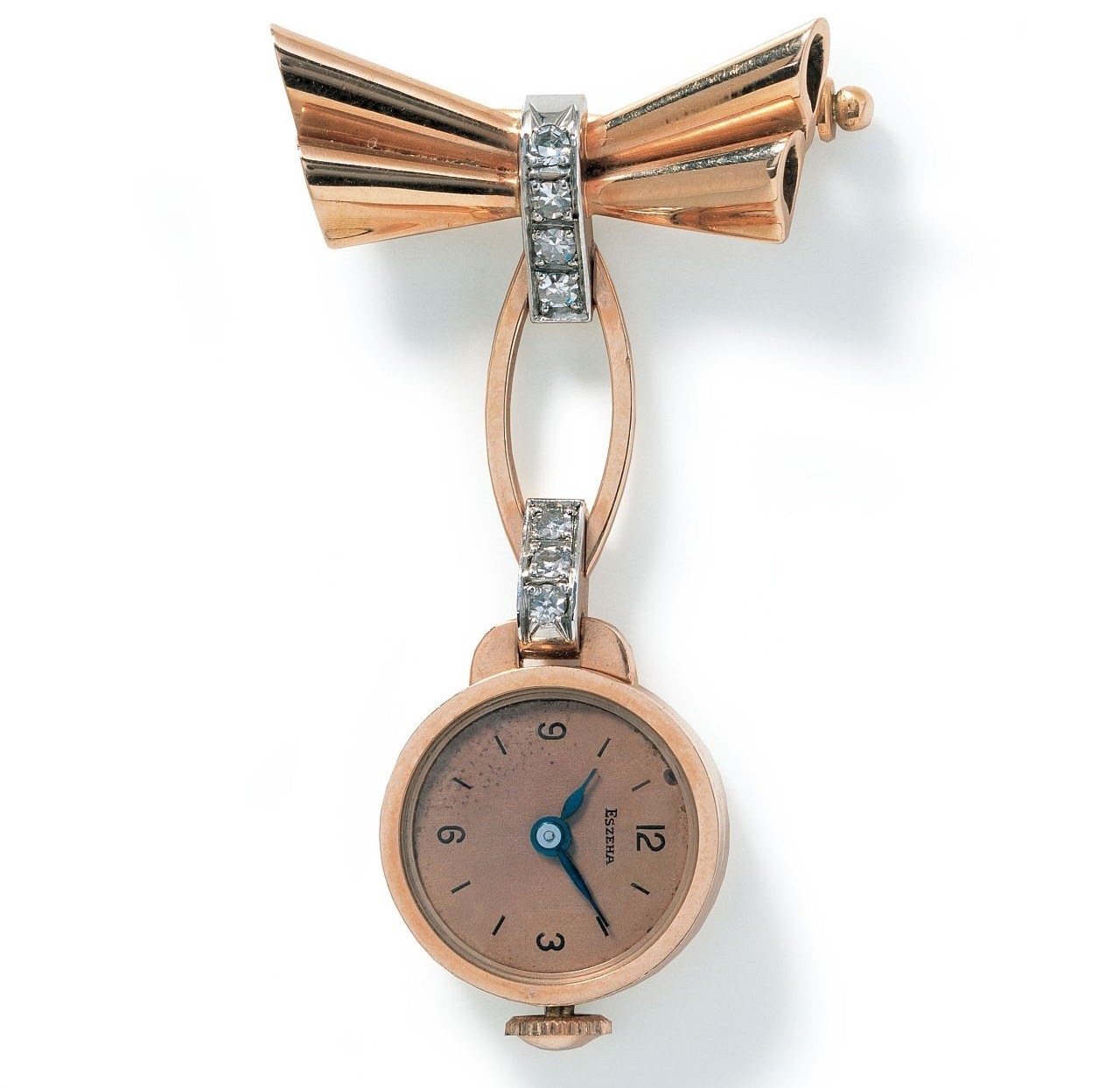
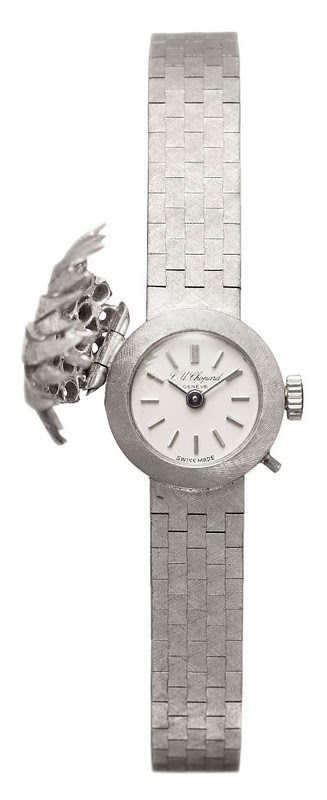
ESZEHA Bow Clip watch
Initially, the name L.U.Chopard & Cie was used instead of ESZEHA to get customers familiar with the new brand. Even in Pforzheim, watches were branded as L.U.Chopard & Cie. The ESZEHA logo was only seen on some clasps on the watches.
Realising the name was too long; the Scheufeles changed it to simply CHOPARD on the products.
Multitasking at CHOPARD
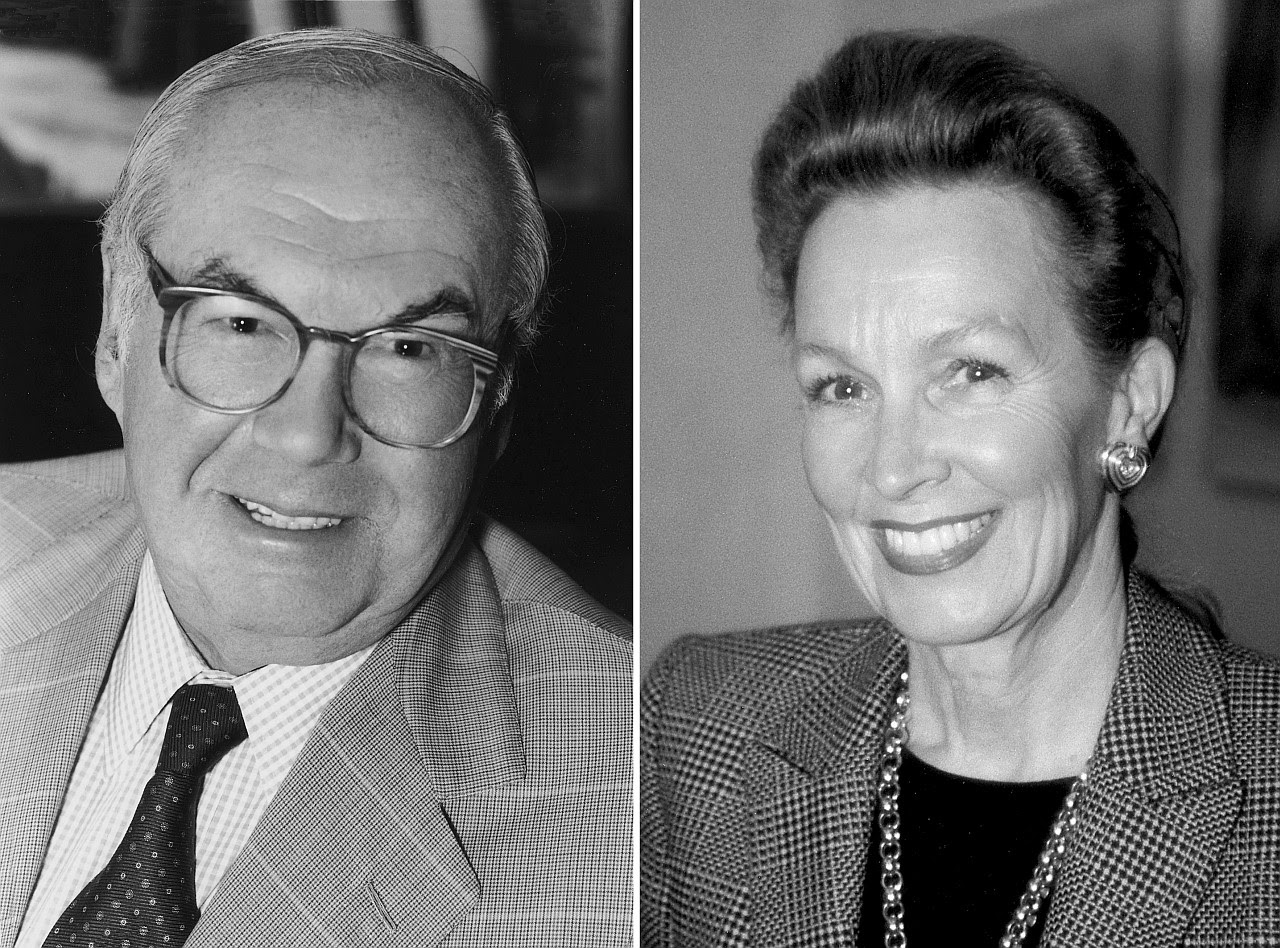
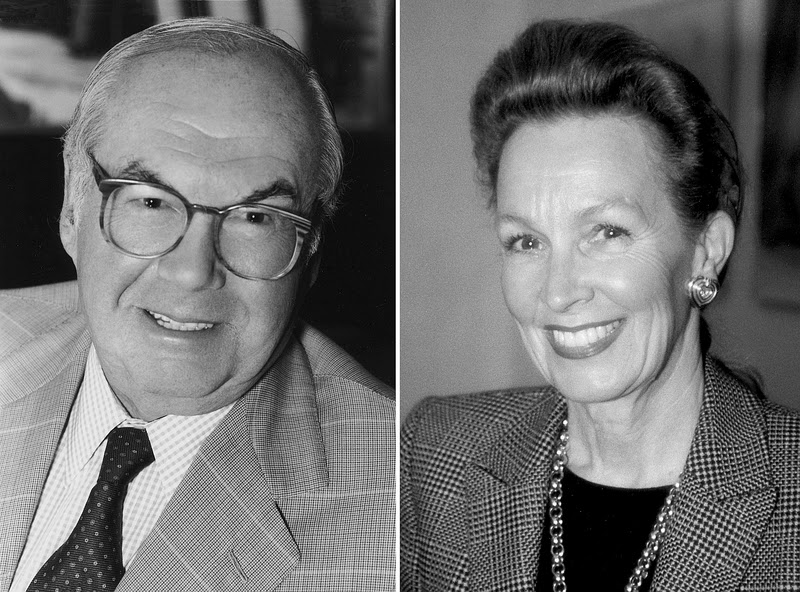
Karl Scheufele III and Karin Scheufele
In the beginning, employees had to do everything, multitask and be skilled in human relationships and marketing as well as watchmaking. These small and ingenious teams formed the backbone of the people and process change at CHOPARD to produce about 1000 watches per year. The German manager in Birkenfeld Pforzheim was an important and representative figure after the Scheufeles relocated to Geneva. Everyone was part of the family-run business.
Karl III managed marketing, production and was chief salesman. Karin Scheufele looked after buying, QC, stock control, sales, distribution and packaging. Both contributed to design and employees were invited to provide ideas.
Power of Advertising
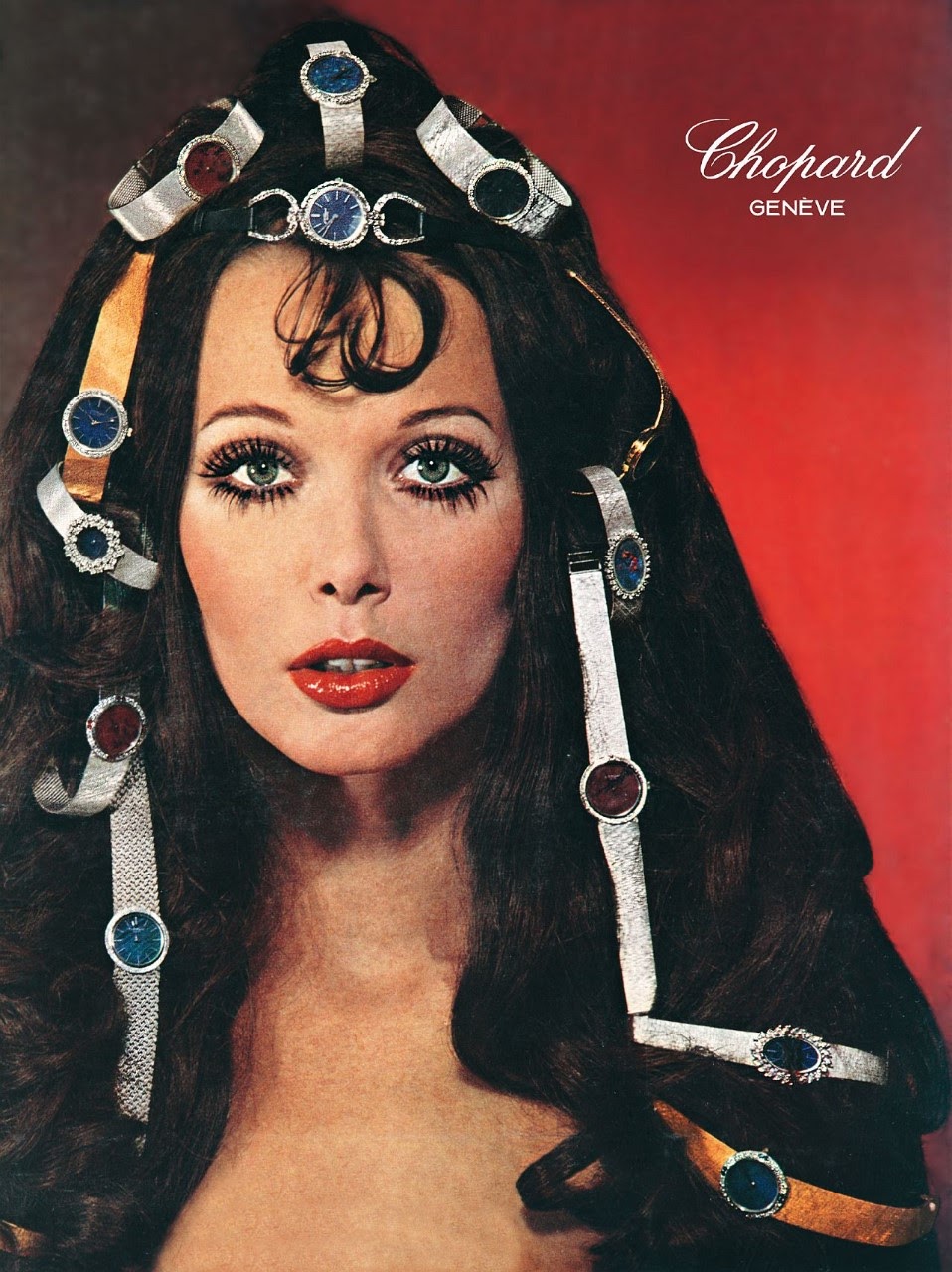
Chopard 1960s
Chopard started advertising with modest budgets to make the name recognisable. Karl II was famously quoted: "Every mark you put into advertising is money you've thrown away." but Karl III believed in spreading the word. The jet-set era had started and people lived differently from how they used to in conservative Calvinist Geneva.
The CHOPARD Look
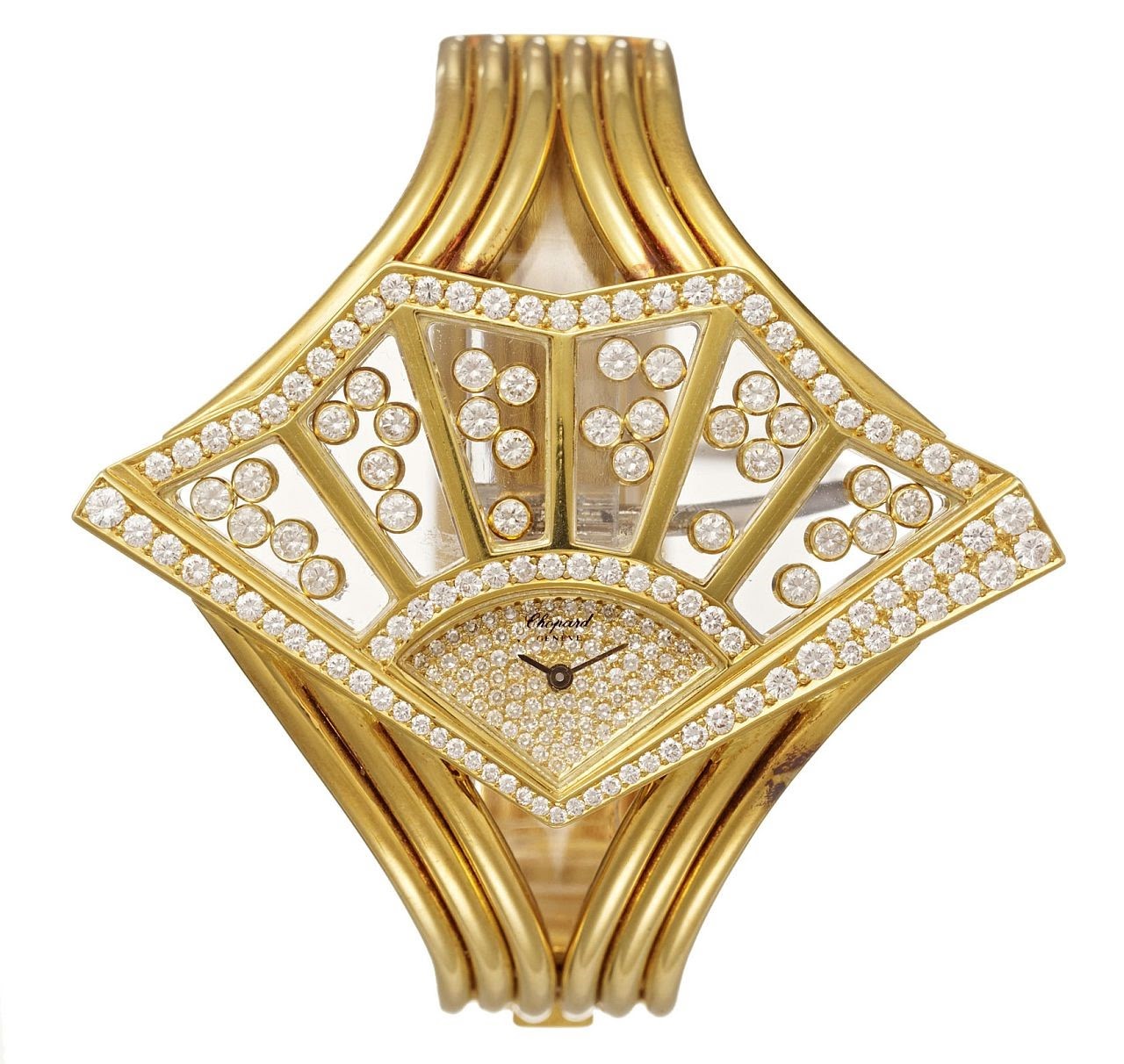
Chopard 1970s
Of course, all the advertising in the world is futile if the products do not capture the imagination and excitement of the customers. To this end, CHOPARD was successful from the late 1960s.
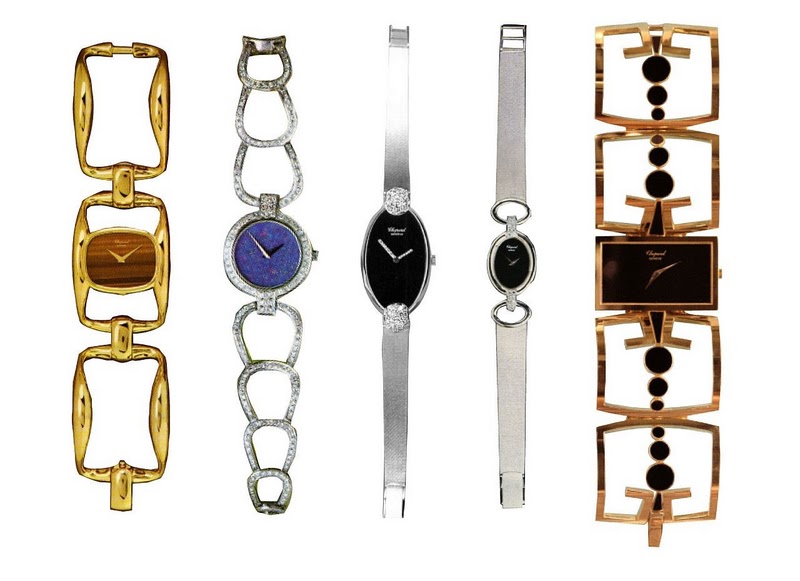
In 1969, the worlds of watches, jewellery and fashion were captivated by a watch worn on a large, supple, gold chain wrapped around the wrist. The ‘Chopard Look’ was born as Karl III revived motifs from ESZEHA’s Art Deco and Art Nouveau designs.
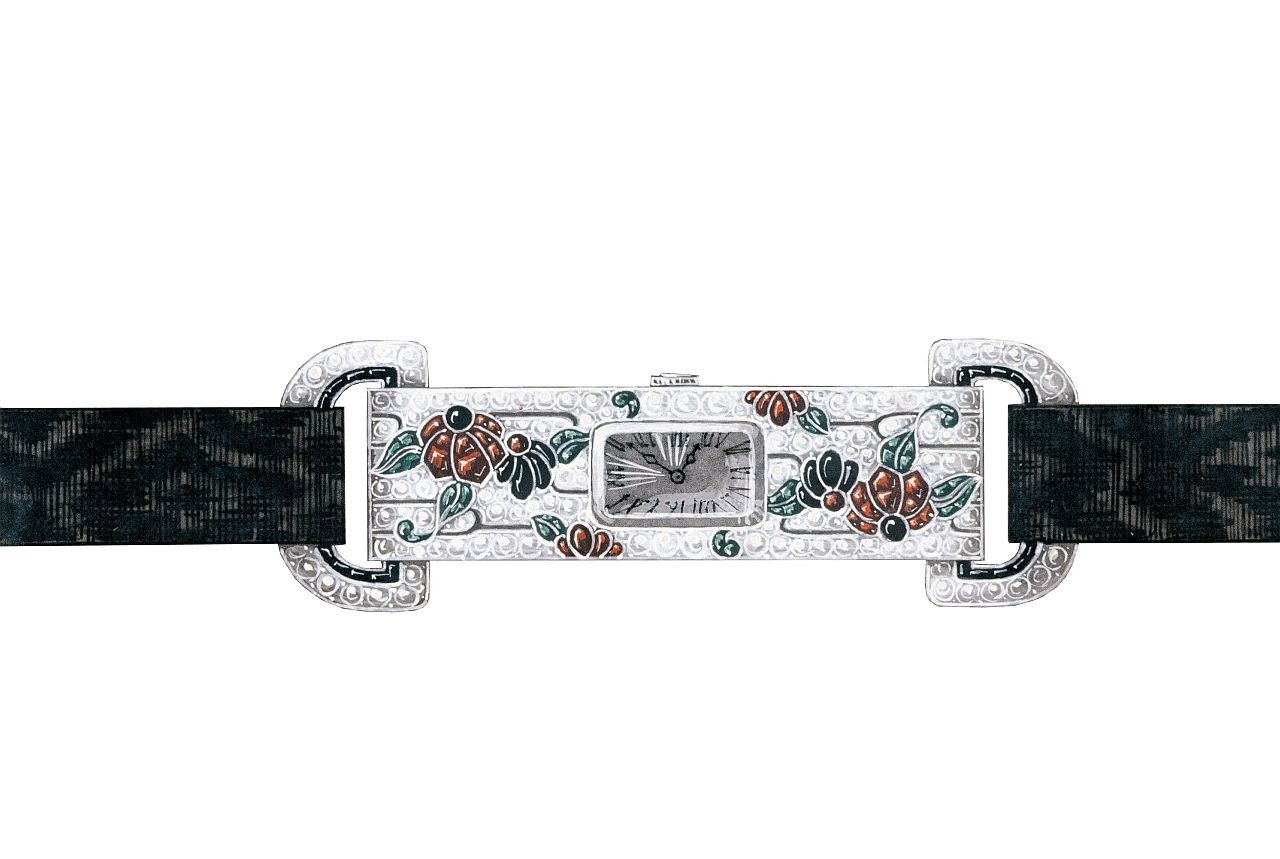
ESZEHA Art Deco
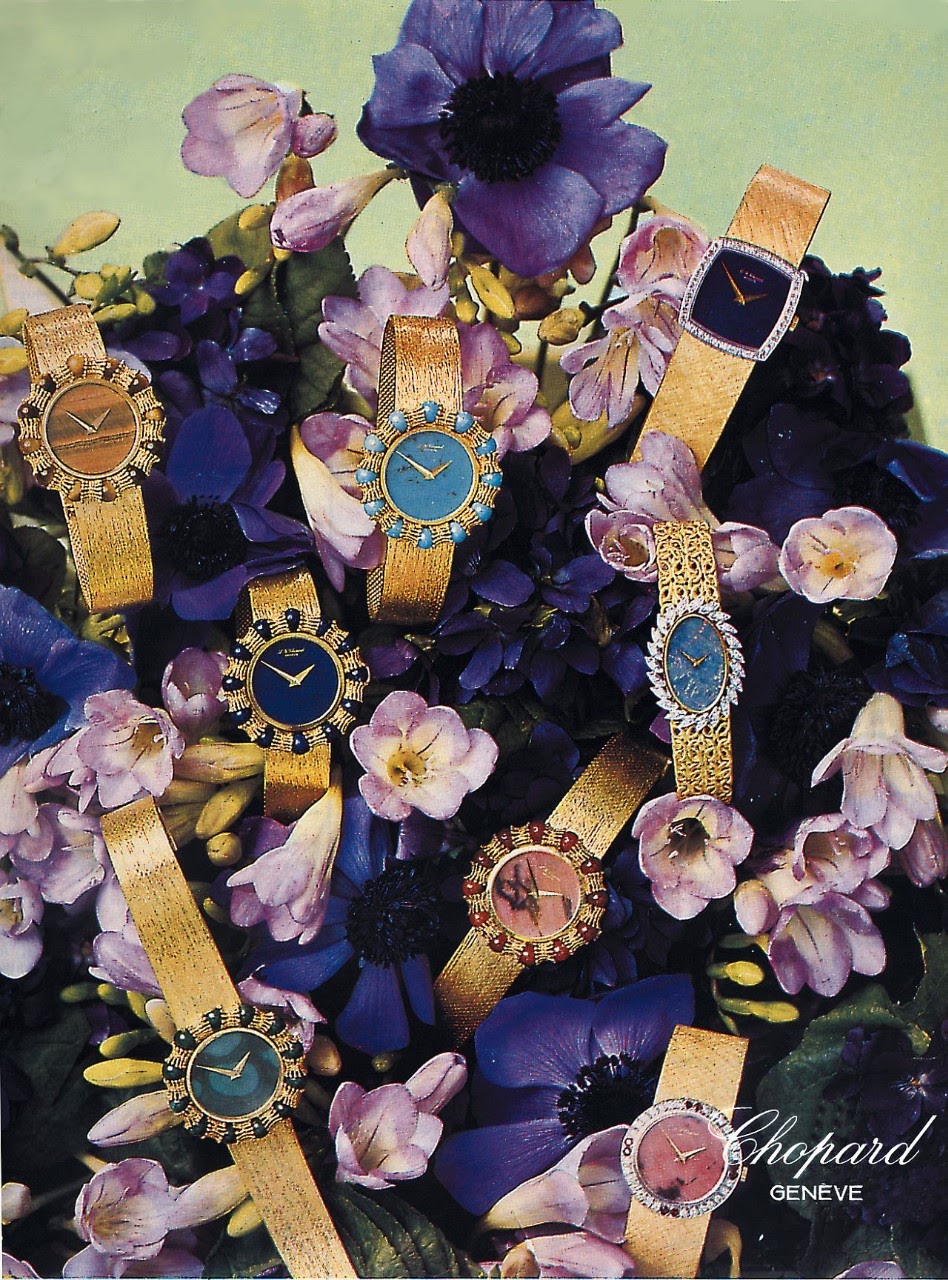
Chopard 1970s
Into the early 1970s, dual time-zone watches for jet-setters and classic watches had flowing lines from the 1930s.
From 1972, Belle Epoque watches based on botanical motifs evoked the Art Nouveau style and were followed by collections based on nature called Moonlight, Paradiso and Cascade.
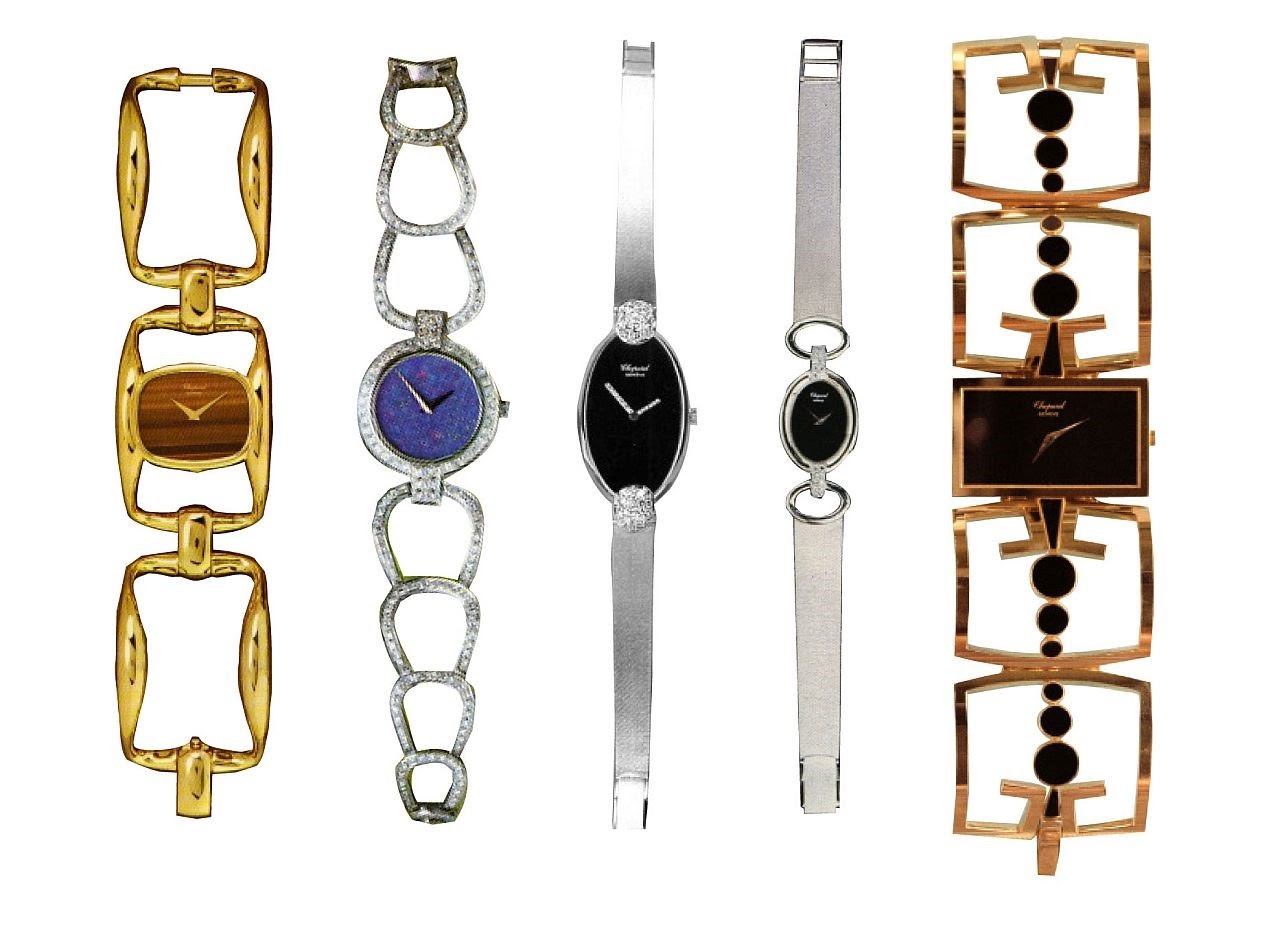
Chopard 1970s
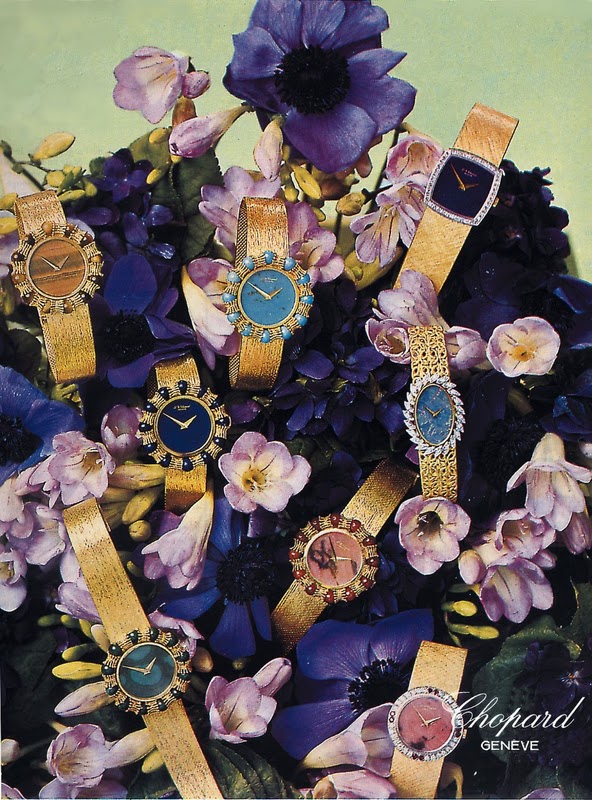
After that white gold watches became trendy with stone dials of lapis lazuli, malachite, jade and opal within a diamond-set bezel.
The same botanical motifs appear in ‘For You’ and ‘Green Carpet’ watches for 2017.
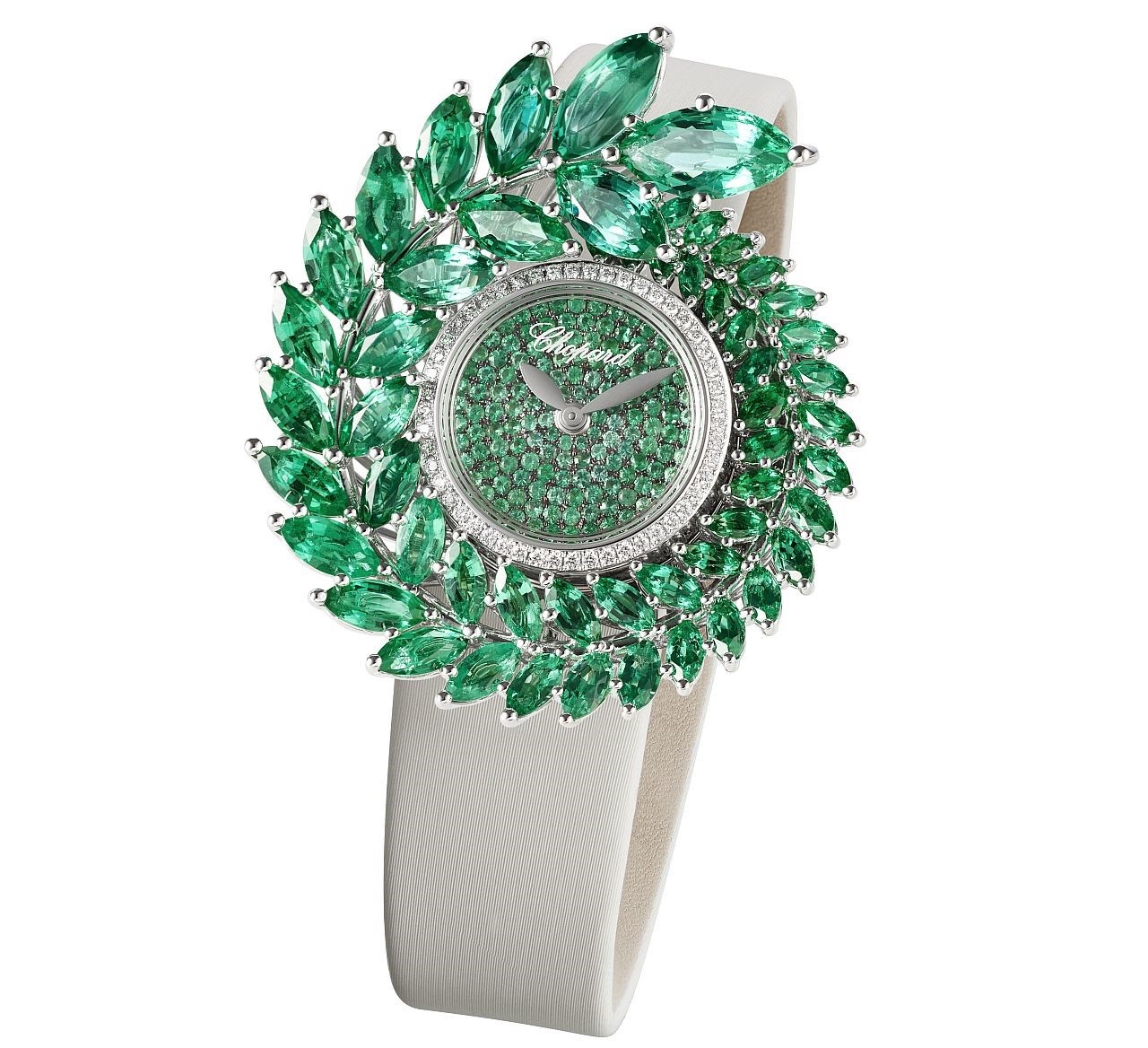
Chopard Green Carpet watch 2017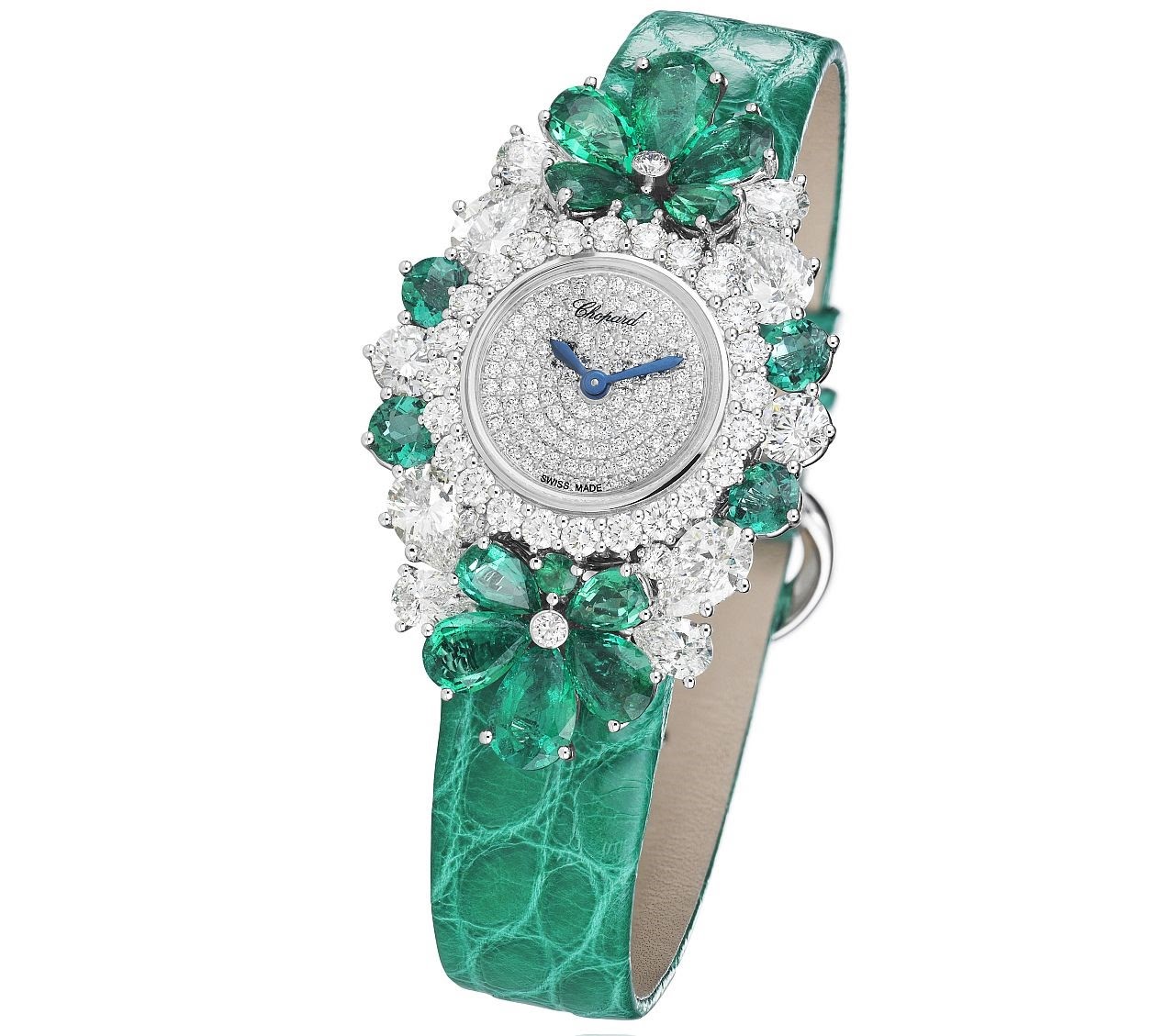
Chopard For You watch 2017
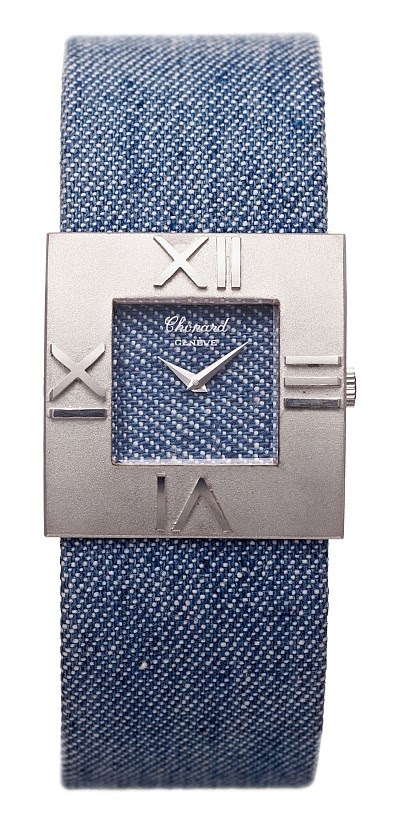
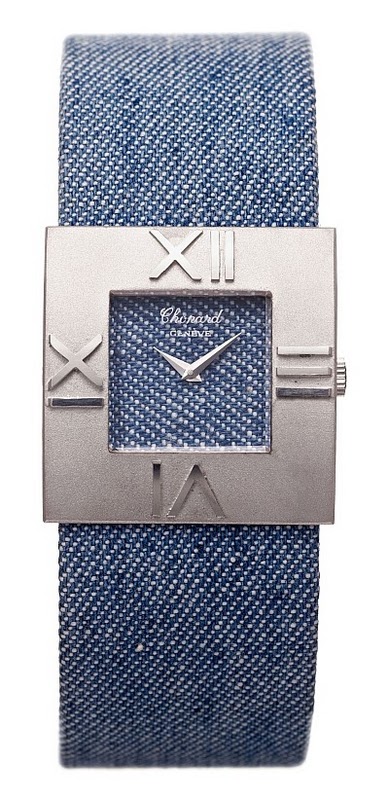
Chopard Jeans watch
Moving with the times, the Jeans Watch with denim strap went down a treat with ladies between 1972 and 1974.
The modern equivalent is the L.U.C XP Cashmere watch introduced this year.
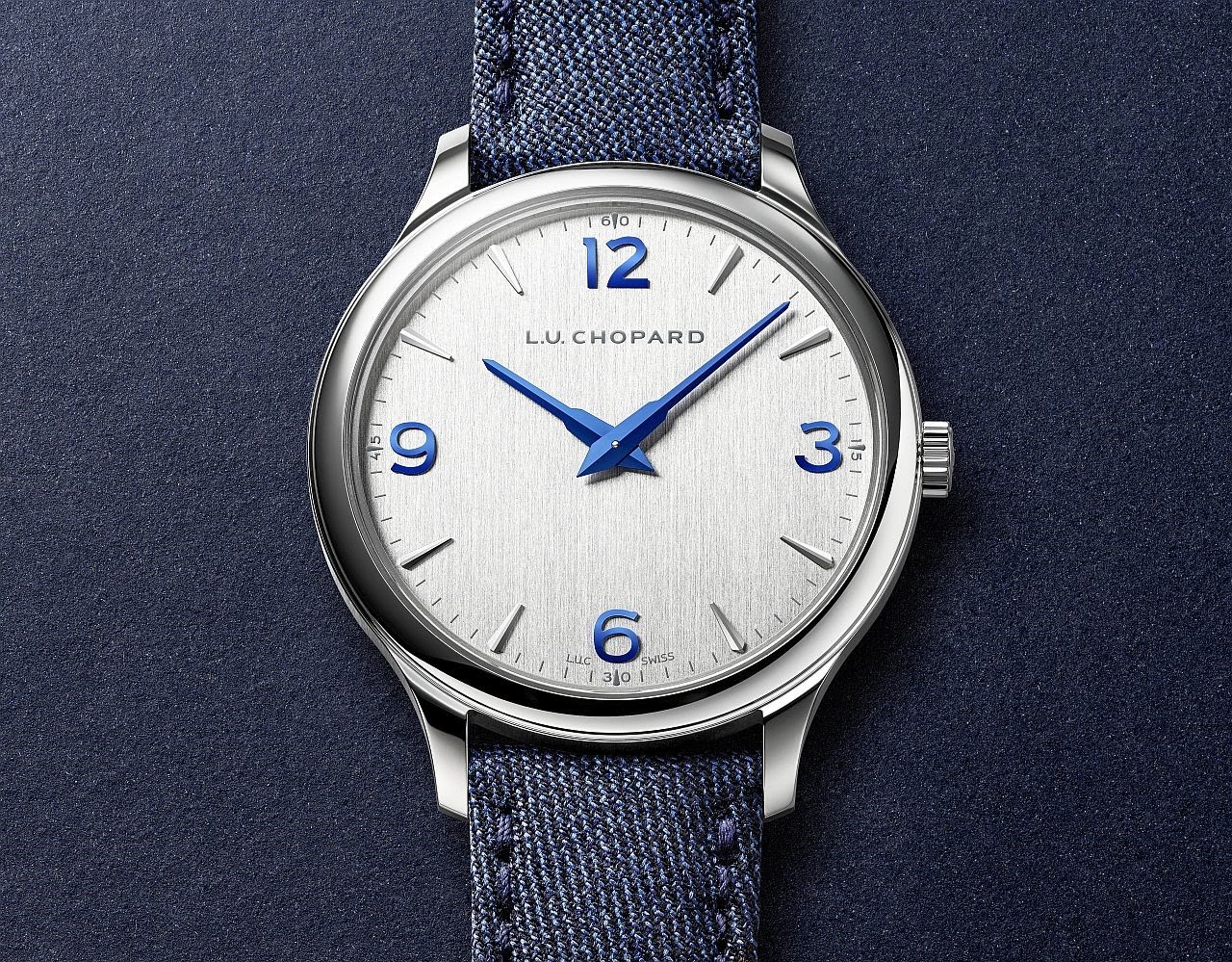
L.U.C XP Cashmere watch 2017
Chopard offerings went through many changes as the vivid hippie colours and sensual curves of the early 1970s morphed into the casual style later in the decade.
It spawned broad cuff-watches with dials of turquoise, coral, malachite and onyx and secret watches with startling shapes and patterned gemstones.
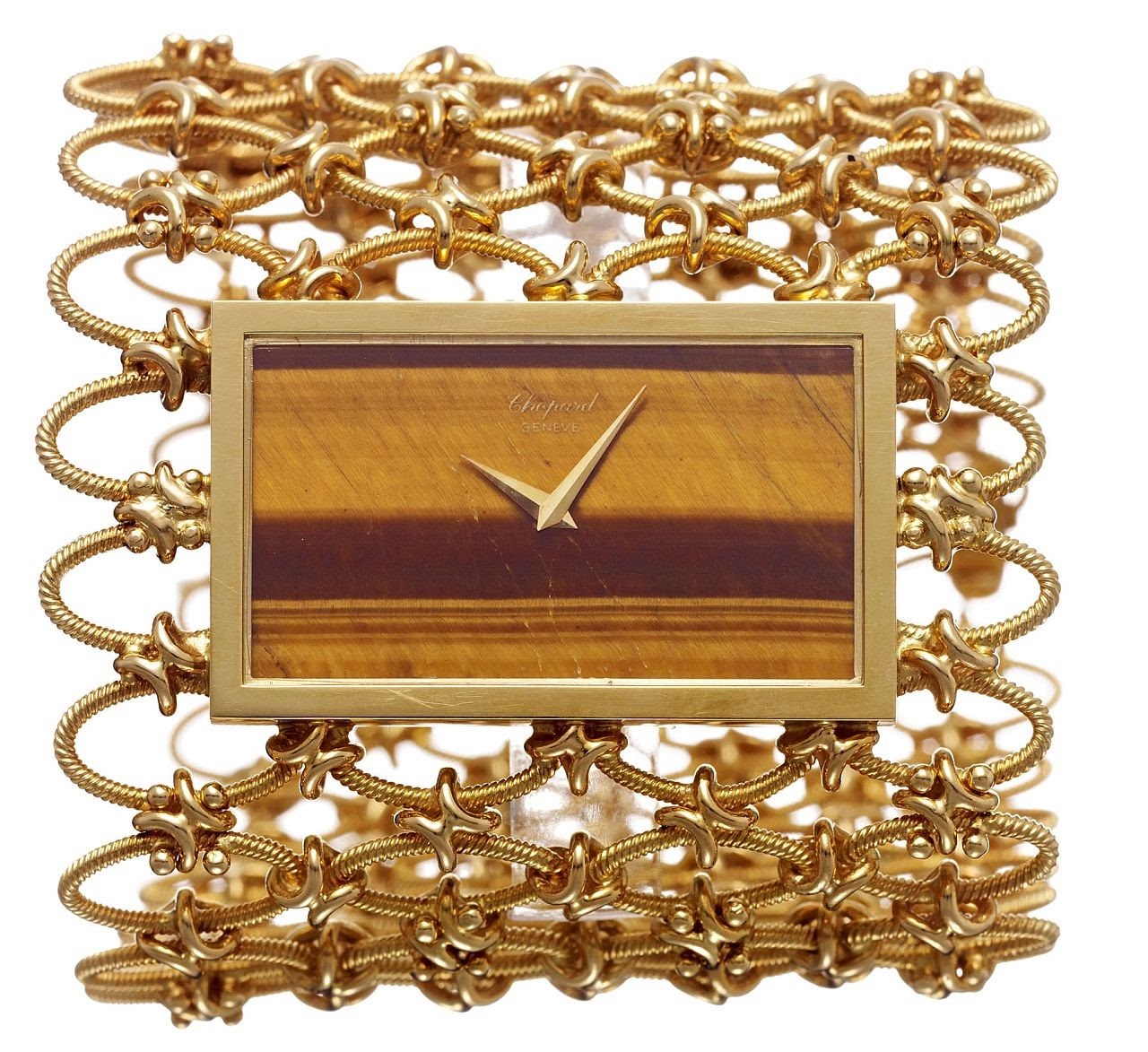
Chopard Cuff-watch 1970s

Chopard Secret watch 1970s
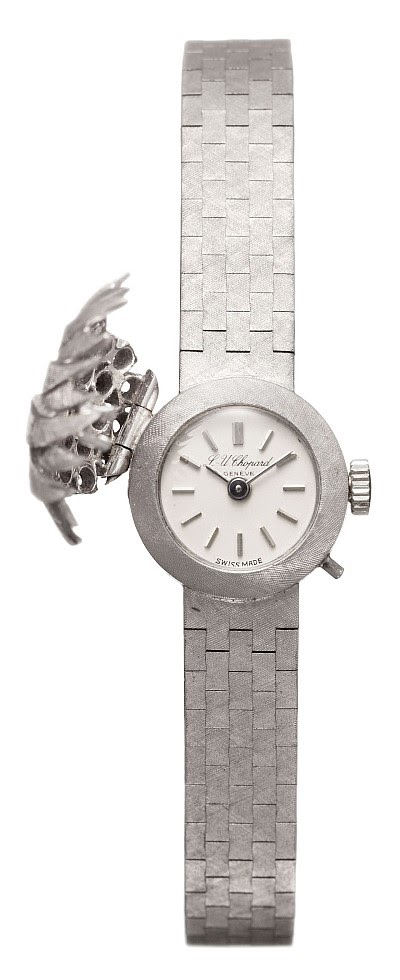
Chopard Secret watch 1970s
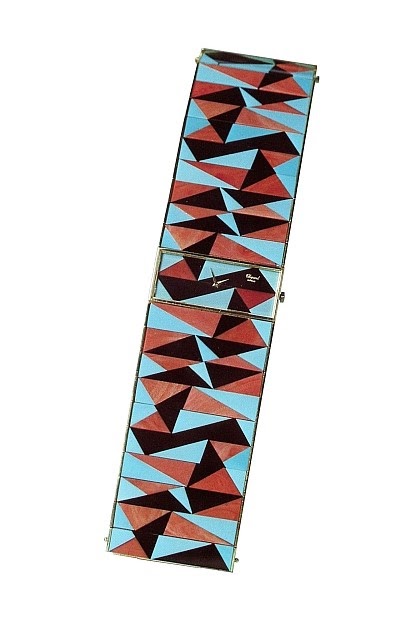
Chopard Pasodoble watch with patterned gemstones
Listening to Clients Around-the-World
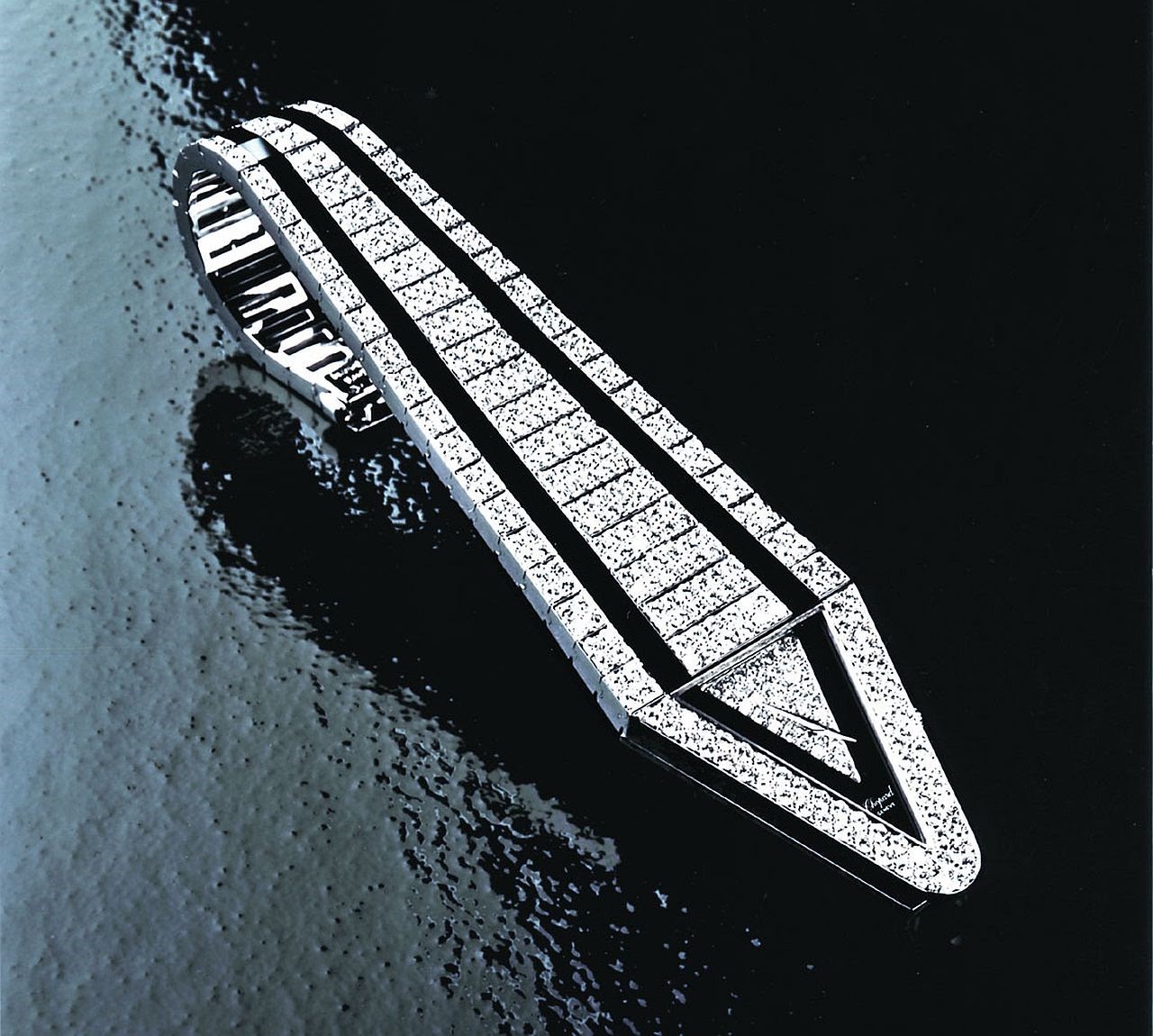
Chopard Concorde watch based on the aircraft
“Pay attention to the clients, whether retailers or final customers” is the CHOPARD mantra as they strive to meet, listen, understand and anticipate demands of clients.
The 1970s was a period of growth for CHOPARD despite the Swiss watch industry crisis. Karl III lugged his trunk of samples around the world to expand the business in Europe, America, Japan and Saudi Arabia.
Around the time of the ‘quartz crisis’ in 1974, CHOPARD received requests from Middle East retailers for cufflinks to pair with their watches as matched sets. The cultural penchant for gem-set watches and jewellery allowed CHOPARD to expand its product range when others were contracting or going bust.
It literally was a Golden Age for CHOPARD.
The best was yet to come with dancing diamonds but that is for another part of this story……
M Teillol-Foo (2017)
i always find it fascinating to read a brand’s history and evolution , coping with changing times, challenges and new opportunities. Thanks for the write up MTF Cheers Robin
Robin, Today, we have ample choice of brands and most have access to the latest technology and skills. The real difference between the brands is 'attitude' and the nature of the bosses. As a friend, I may not like every design detail of Chopard watches or jewellery but at least I know the reasons why the family owners do what they do. The buck stops there and we can choose to participate. For them, each choice and product is owned by them. Regards, MTF
Thanks for these great insights into the brand and the links to the articles! Definitely time to reread some of them - my memory, after all is not what it used to be
Or maybe I read them with a different emotional state and saw things in a different light? Thanks for reading. Regards, MTF
This thread is active on the Chopard forum with 4 replies. Share your knowledge with fellow collectors.
Join the Discussion →