Complications
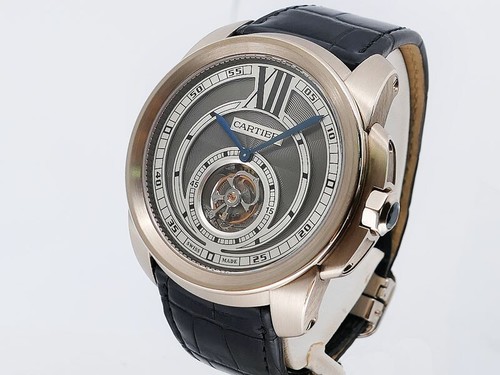
SJX offers an insightful look into Cartier's distinctive approach to skeletonization, moving beyond traditional ornate openworking. He highlights how Cartier, under Carole Forestier's direction, redefined the skeleton watch to prioritize legibility and a modern aesthetic while retaining the brand's iconic design codes. This article explores the genesis of Cartier's Fine Watchmaking skeleton range, exemplified by the Santos 100 Skeleton.


Traditionally skeleton watches have openworked versions of conventional movements. As much material as possible is removed leaving the movement almost transparent, and typically what remains of the bridges are engraved with ornate floral motifs. Vacheron Constantin is notably skilled at creating skeletonised watches in this traditional style.
Cartier, on the other hand, has taken an entirely new approach to the skeleton watch. The genesis of the Cartier skeleton began when Carole Forestier was tasked by the marketing team at Cartier with conceptualising a “creative skeleton” for the Fine Watchmaking range. It had to be different, and importantly, modern, in its aesthetic.
Beyond the brief, Carole wanted a skeleton watch that more legible than the typical openworked wristwatch. And the watch also had to be distinctive with a clear link to the traditional Cartier aesthetic code.
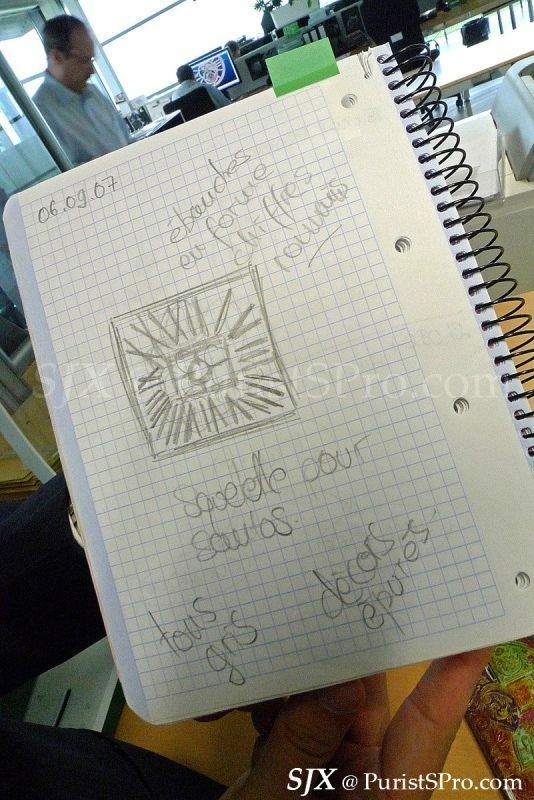
The genesis of the Cartier Santos 100 skeleton, note the 2007 date
The result was the first skeleton of the Fine Watchmaking range, the Cartier Santos 100 Skeleton, presented at SIHH 2009. It is, in my opinion, a perfect example of Carole Forestier’s genius for it combines technical and aesthetic excellence.
Because the Santos 100 is one of the bestselling and most visible Cartier watches in the current collection, it was chosen to house the inaugural skeleton model in the Fine Watchmaking collection.
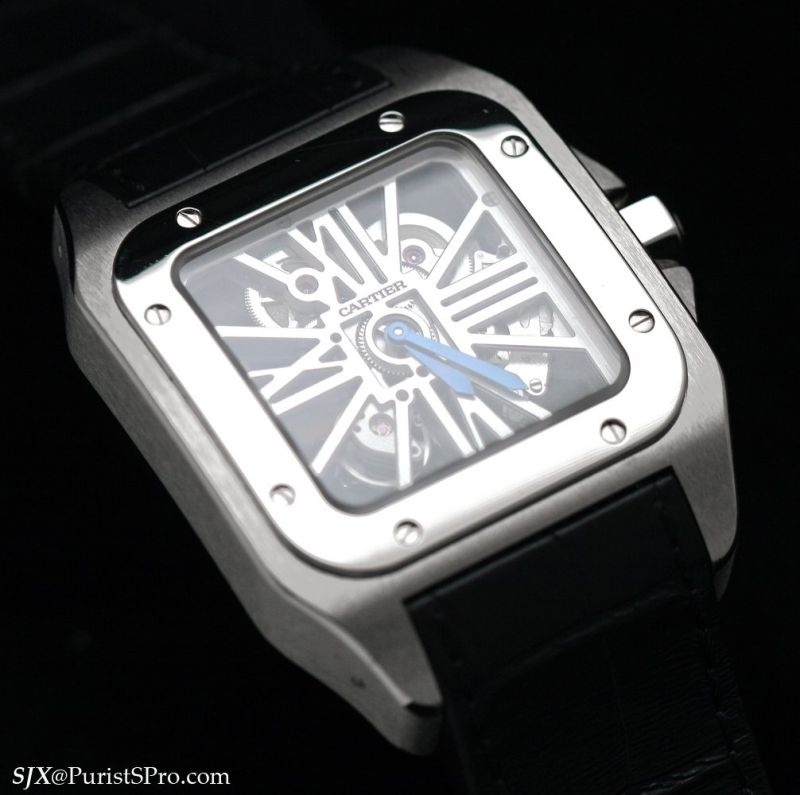
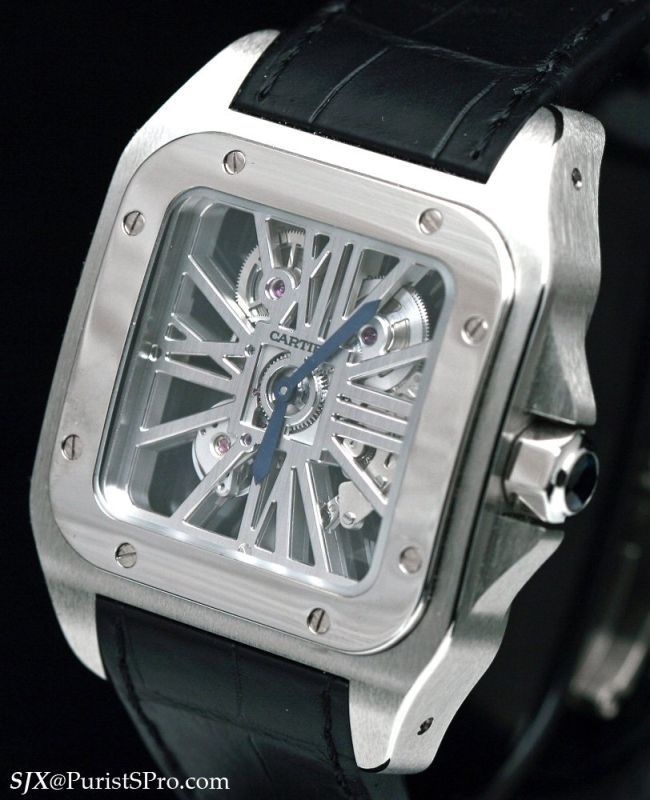
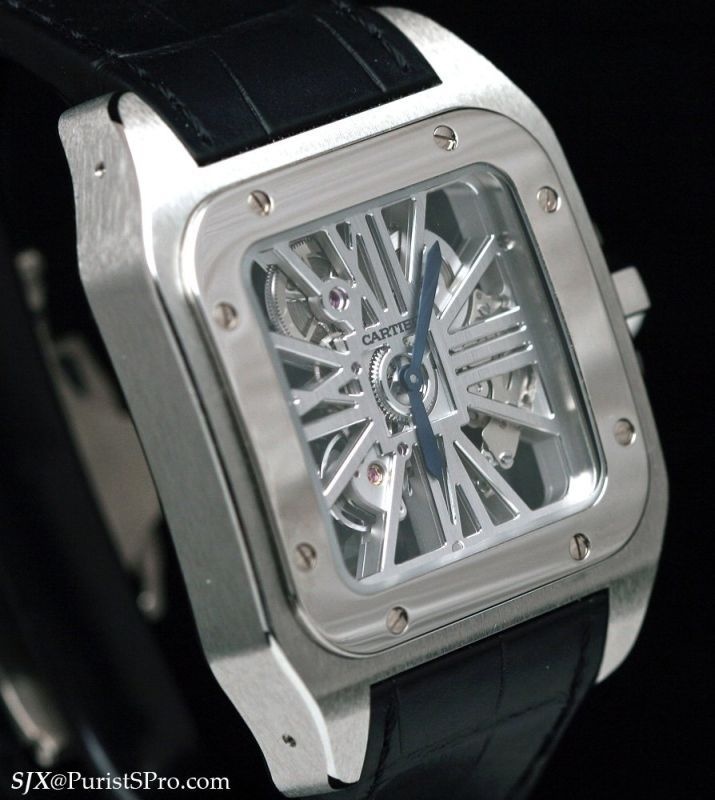
The Cartier Santos 100 skeleton
Inside the .950 palladium case lies the 9611 MC movement. It is a solid movement, manually wound with double barrels for stable torque. What sets it apart is not its technical functions but pure aesthetic innovation.
Roman numerals are incorporated into the bridges and base plate of the movement making the movement the face of the watch. This is a simple but radically innovative approach to a skeleton watch that makes smart use of the traditional Cartier look of Roman numerals and sword hands.
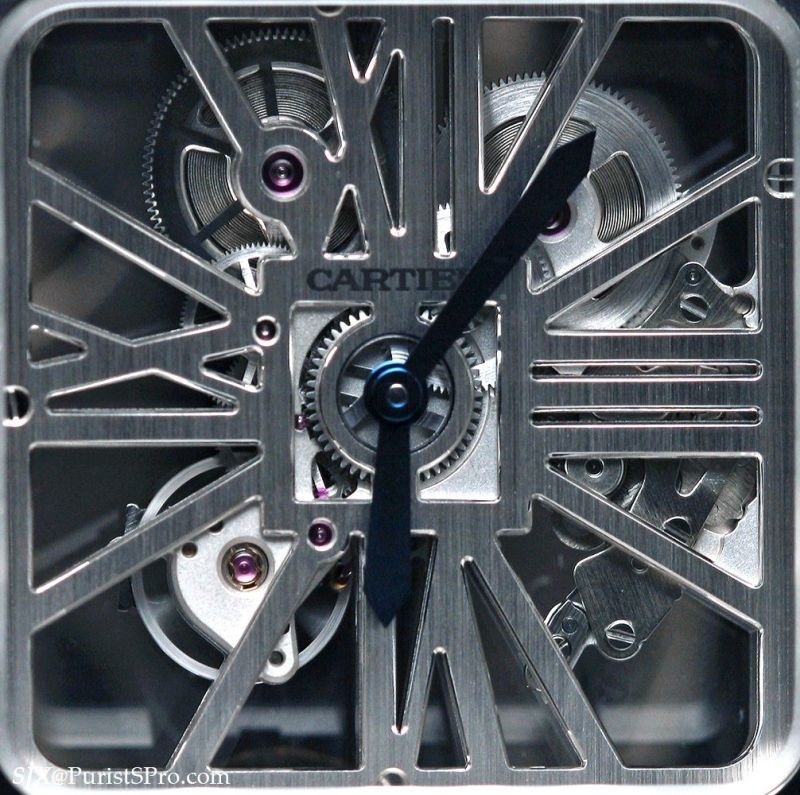
All the complicated bits and bobs of the movement are set on the plane below the Roman numeral bridges, giving the watch a veneer of simplicity yet revealing what lies beneath.
An early criticism of the Santos 100 skeleton was the fairly small movement with a large base plate housed in a large case, leaving significant open space on the left side of the dial. I was one such critic when I first saw the watch. I have since changed my mind; the openness and resulting feeling of lightness are a key design element of the watch.
The market responded tremendously well to the Santos 100 Skeleton and so the Santos Dumont Skeleton was subsequently introduced. Essentially a slimmed down and formal version of the Santos 100 Skeleton, the Santos Dumont feels totally different on the wrist because it lacks the bulk and heft of its larger brother. Another stark visual difference is the surface treatment of the case – the Santos Dumont is also entirely polished on the front (which leaves it prone to scuffs unfortunately), while on the Santos 100 only the bezel is mirror finished.
The Santos Dumont skeleton in white gold
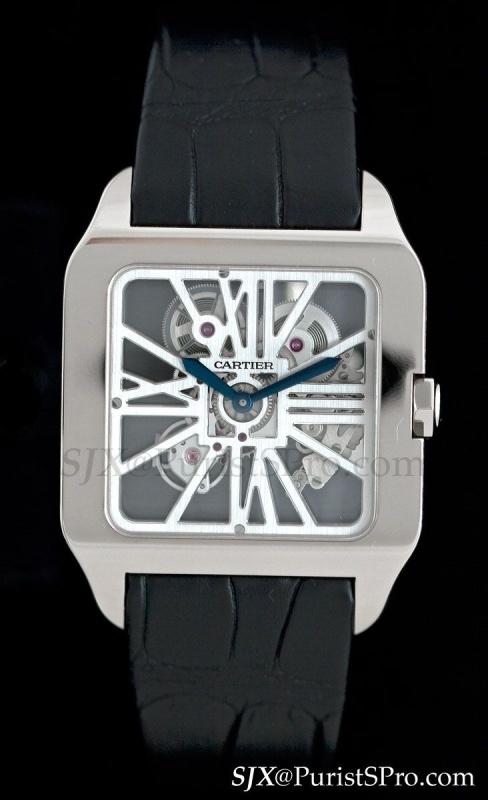
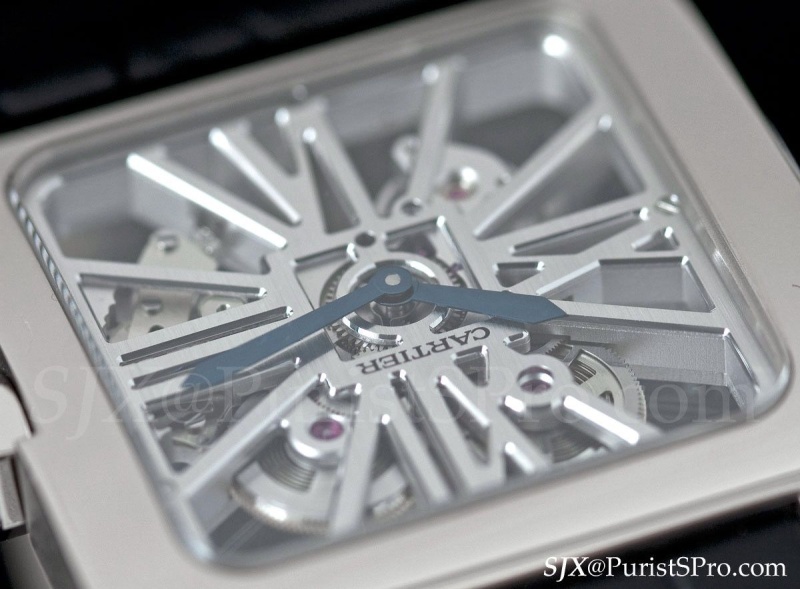
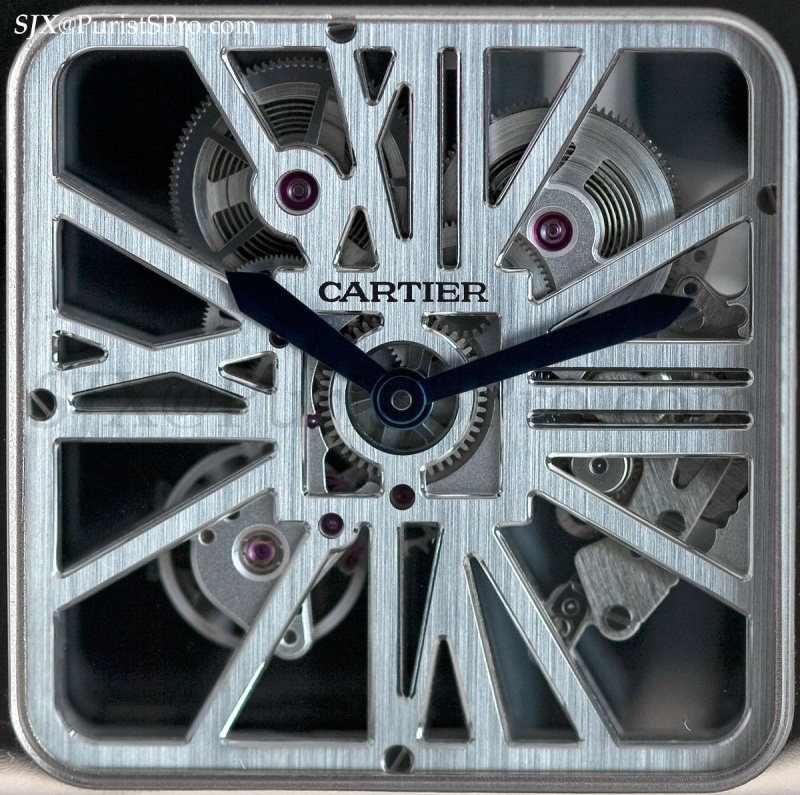
And the Santos Dumont skeleton in titanium coated with ADLC launched in 2011
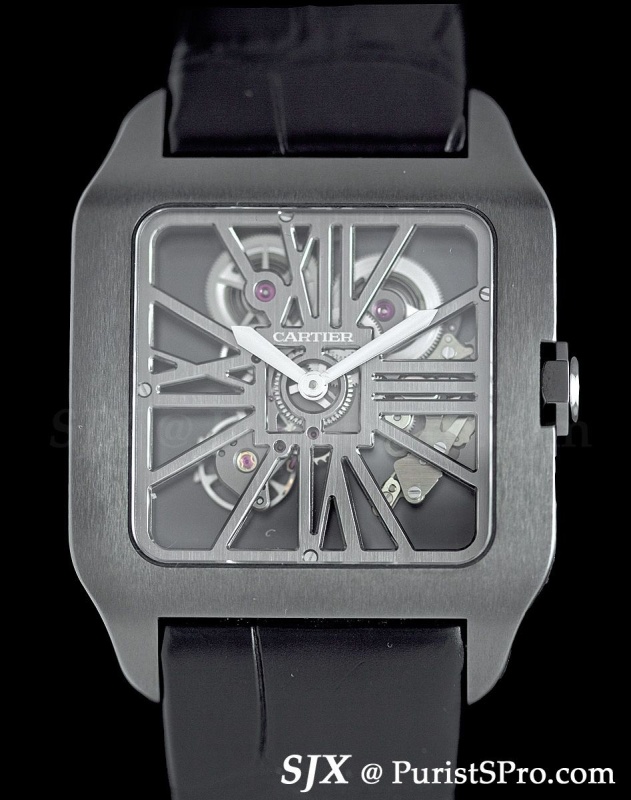
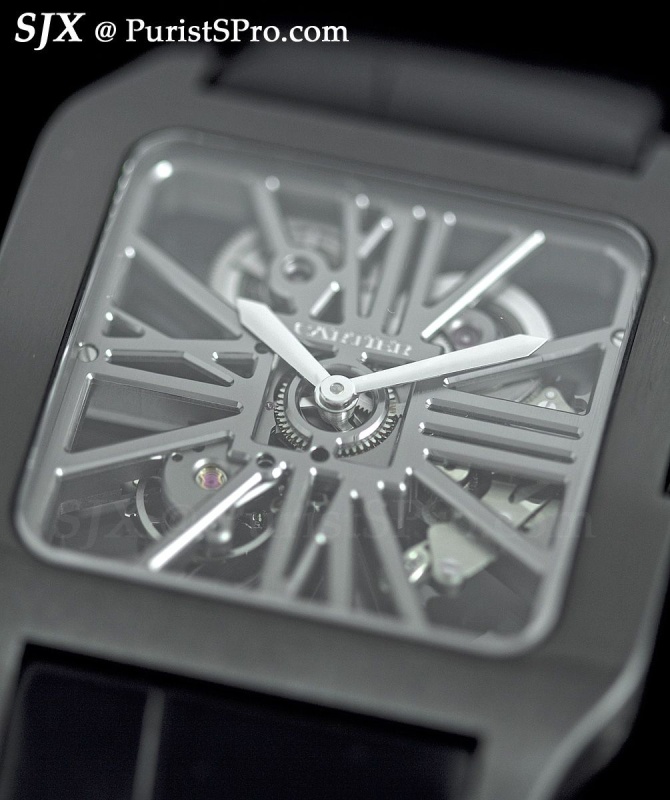
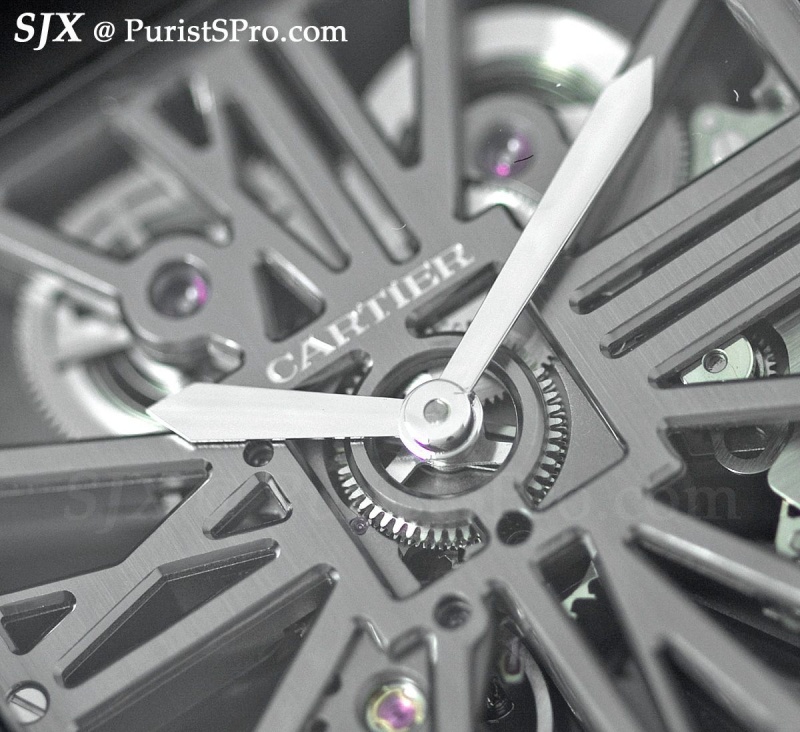
Both Santos skeleton watches, while visually arresting, are simple time-only watches. Cartier has applied a similar philosophy to its flying tourbillon models. They are beautifully crafted and finished but lack the punch of the Santos skeletons, in my opinion. Because of the tourbillon regulator and exposed keyless workds, the skeleton tourbillons also lack the visual simplicity of the Santos skeleton watches.
The Rotonde skeleton tourbillon in rose gold
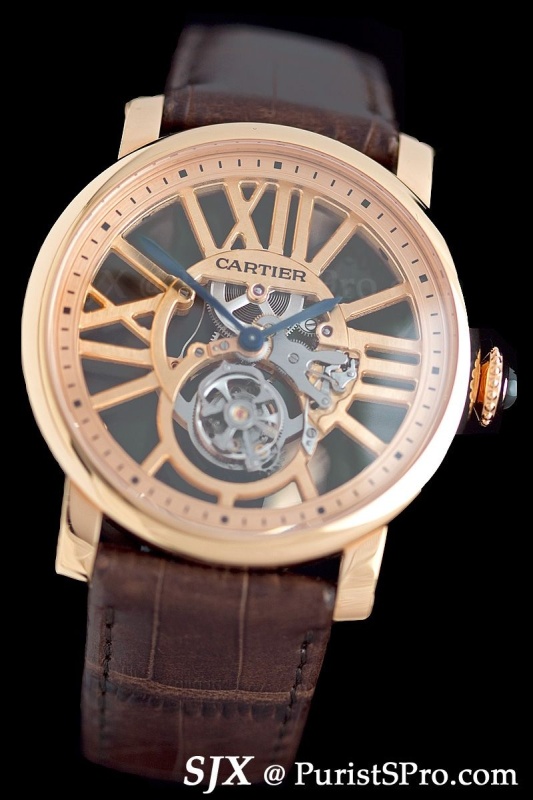
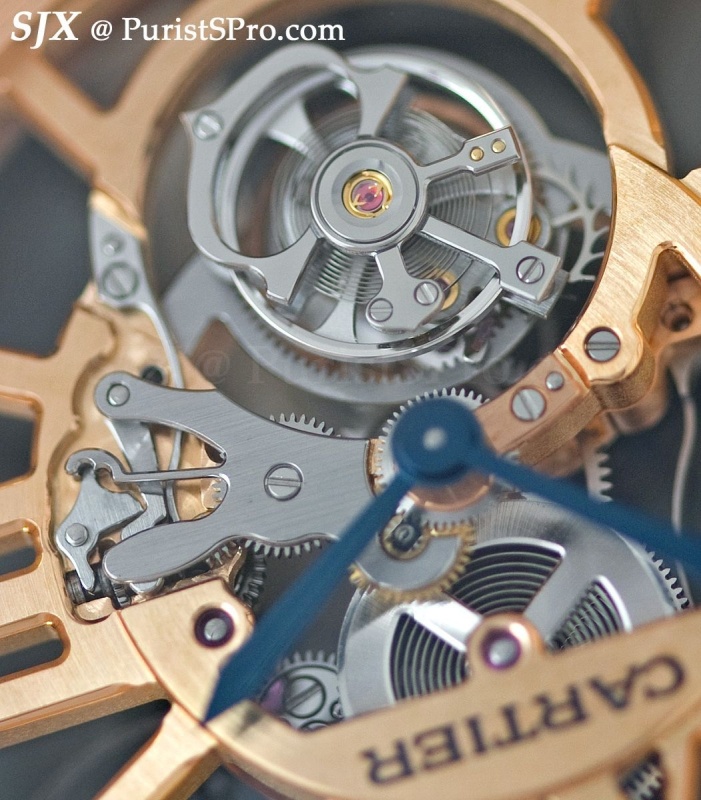
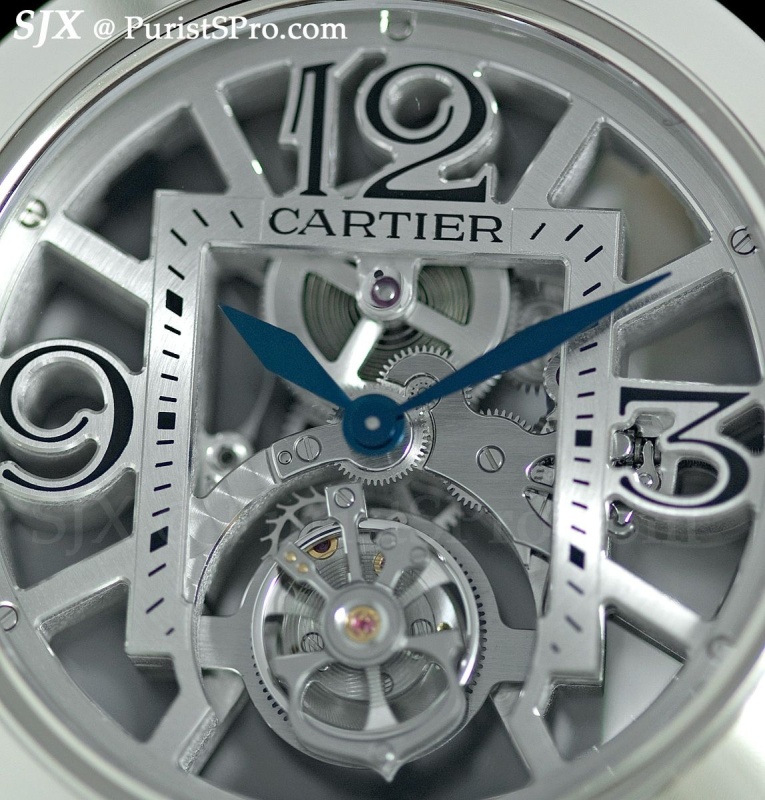
And unlike the Santos Skeletons which make liberal use of Roman numerals on the as the bridges, the skeleton tourbillons are more restrained, using numbers at 3, 6, 9 and 12 o’clock while using bars for other indices. An understandable decision since the use of numerals for all 12 hours would make the face inordinately complex giving everything else that is going on.
The Pasha skeleton tourbillon launched at SIHH 2011
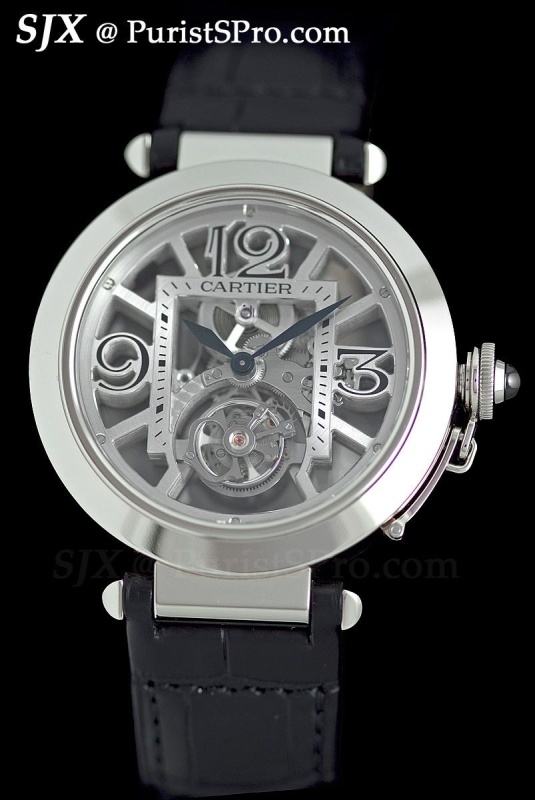
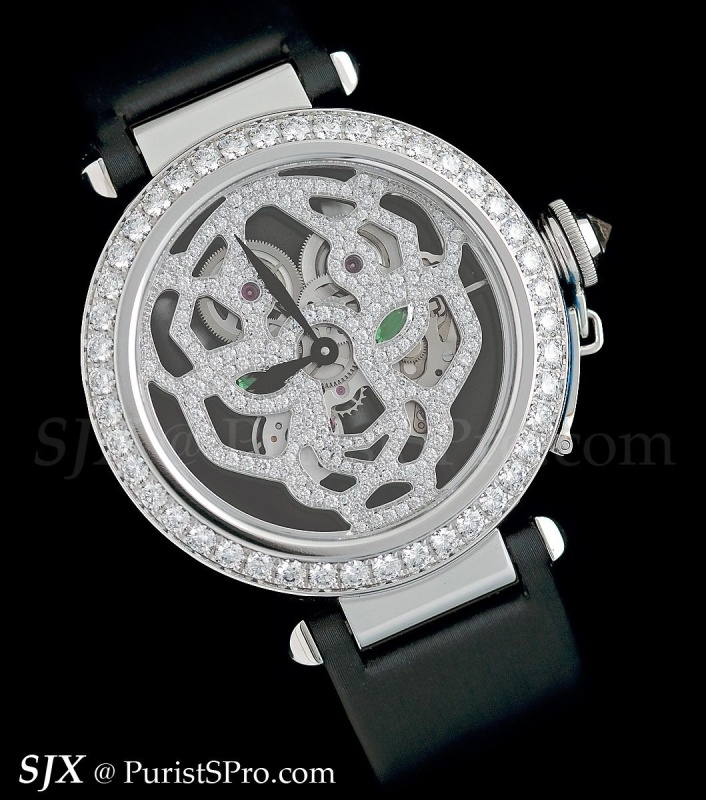
Cartier did not stop with masculine watches in its quest for the creative skeleton. A far more daring attempt at skeletonisation resulted in the Pasha de Cartier Panthere Skeleton, in which the bridges and base plate form the head of the panther – other shapes are also possible. As it exists the Panthere skeleton is clearly a ladies’ jewellery watch but take away the diamonds and it would do well as a formal men’s watch.
The Pasha Panthere skeleton
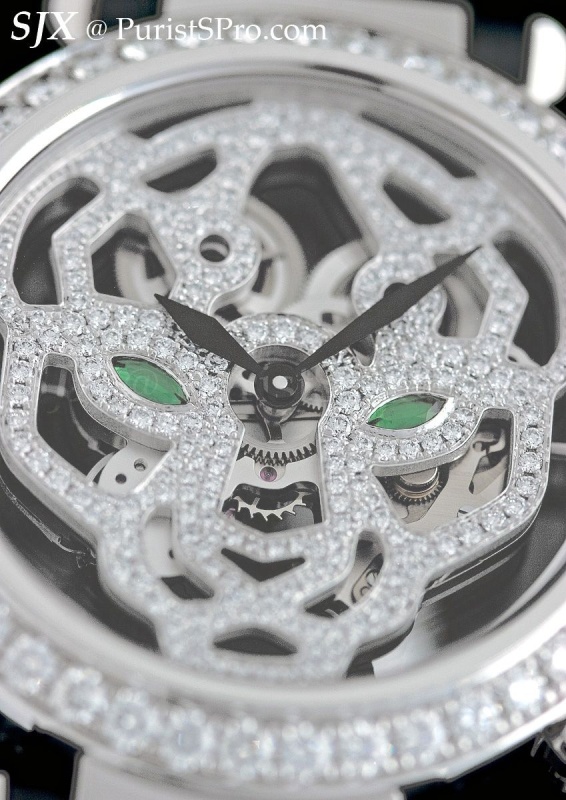
Aside from the aesthetic qualities of the skeleton watches, the wide open bridge work leaves the high level of finishing on all the skeleton models very evident. These watches are finished in a special atelier, which is adjacent to the enamelling and high jewellery workshop, in the Cartier manufacture in La Chaux-de-Fonds.
Note the bevelled edges and polished flanks of the bridges. I rate the finishing of the skeleton watches highly.
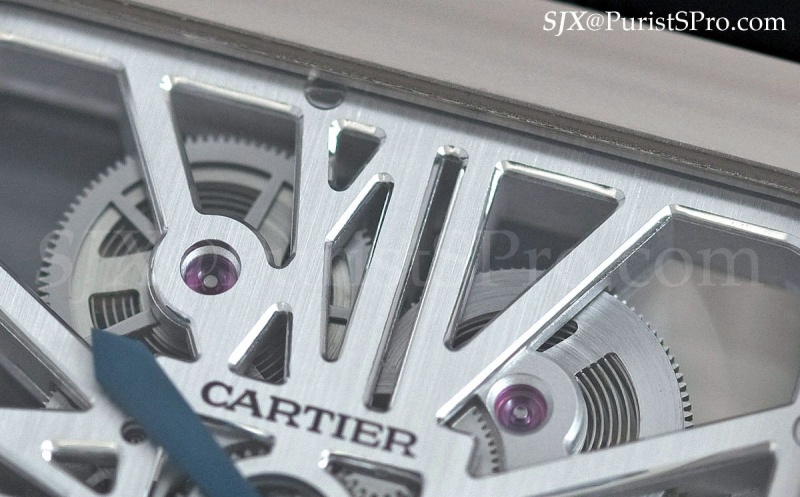
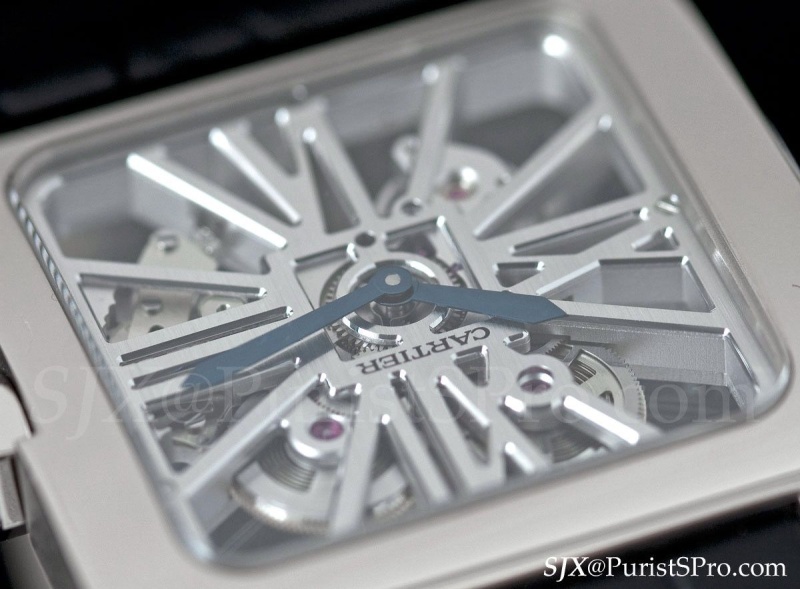
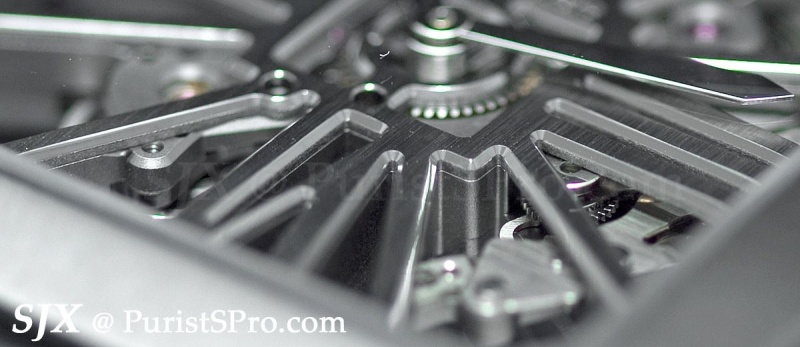
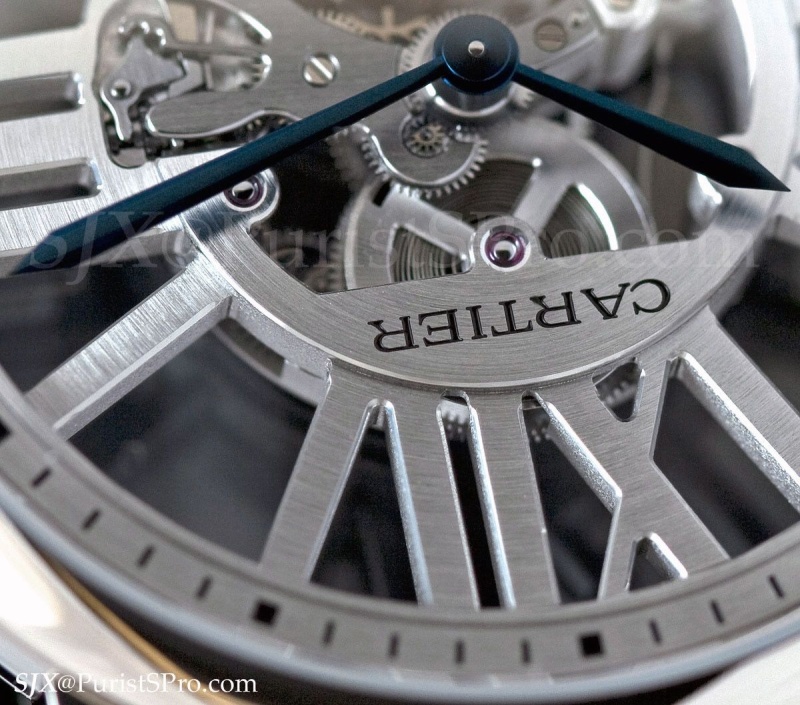
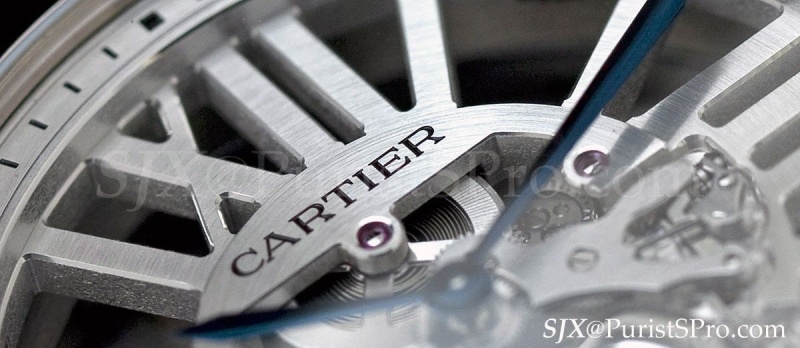
Also excellent finishing of the keyless works
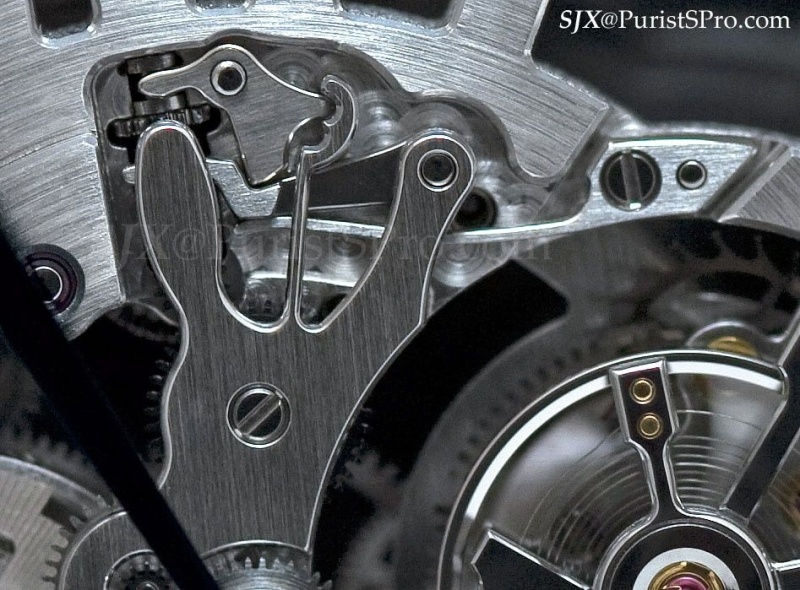
At the margin there is room for improvement, for instance bevelled, sharp inward corners instead of rounded corners.
The skeleton models in Cartier’s Fine Watchmaking range, especially the pair of Santos skeletons, have been uniquely successful. Not only do they sell well, the two Santos skeletons have created a recognisable style for Cartier skeleton watches. And because of their arresting design they have become the quintessential high horology Cartier.
- SJX
This message has been edited by SJX on 2011-05-31 19:17:20The Cartier Santos 100 was introduced in 2004 to commemorate the 100th anniversary of the original Santos-Dumont watch. It represents a contemporary interpretation of the historic pilot's watch, featuring a larger and more robust case design compared to its predecessors. This model positioned itself as a sportier, more modern offering within the Santos collection, appealing to collectors seeking a bolder presence on the wrist while retaining the iconic square aesthetic.
The Santos 100 typically features a stainless steel or precious metal case, often with a brushed finish and polished bezel screws. Case dimensions vary, but common sizes include a large model around 51mm x 41mm. It is powered by an automatic mechanical movement, often a modified ETA caliber, providing reliable timekeeping. The crystal is usually sapphire, and water resistance is generally rated for daily wear.
For collectors, the Santos 100 is notable for its blend of heritage design with modern proportions and construction. It marked a significant update to the Santos line, moving towards a more substantial and contemporary aesthetic. Its robust build and versatile design made it a popular choice, bridging the gap between Cartier's dressier offerings and more overtly sporty watches.
Very nice report. I had been intrigued by Dumont in Titanium presented this year.... Thanks! Ken
Great information and interesting to read f.i. why the Santos was chosen. The Pasha 42 Tourbillon is so good IMHO and so wearable, actually one of the smallest tourbillons in the collection I think GEO This message has been edited by Geo on 2011-05-25 21:39:28
It is the smallest tourbillon in the current range. I like its proportions best. - SJX
You are absolutely right about the polished case being a 'scratch magnet'. I have to wear the WG version ultra-cautiously to avoid the ouch....(as with the ROO and Nautilus). Nonetheless, it sits very comfortably on the wrist, both in terms of weight and size (it is still a bit thick but that is only my subjective preference). A lot of my friends love it when they see the watch in the flesh. Best Sam
of very happy people. - SJX
thanks for sharing J
This thread is active on the Cartier forum with 11 replies. Share your knowledge with fellow collectors.
Join the Discussion →