Ornatus-Mundi's post from Baselworld 2013 highlights the impressive journeyman's pieces by David Friedi and Maxim Lachat, showcasing the rigorous training within Swiss watchmaking schools. This article emphasizes the importance of vocational education in Switzerland and the creation of complex 'school watches' as a foundation for future watchmaking talent.
Switzerland has developed into the homeland of fine watchmaking - almost without competition. The reason is both historical as well result of the political decision to establish a system of public watchmaking schools that produce well trained watchmakers as crucial input for a flourishing watchmaking industry.
On a side note, in the gemanic parts of Europe the so-called dual system of vocational training is common place for a lot of trades (e.g. plumbers, bakers, builders, joiners, car mechanics etc.). Trainees follow industry-wide common core curricula (the basics of the trade) that are taught in parallel at their respective company and a public vocational school (thus the 'dual'). Successfully finishing such a school is prerequisite to call oneself a baker, a joiner or a watchmaker. This ensures a broad fundamental training, easy mobility between different companies (reduction of transaction costs of hiring labour) and is seen as one cause for the german/swiss/austrian success in engineering.
During their watchmaking apprenticeships trainees are expected to produce a so called 'journeyman's piece', an obligatory specimen that aims to demonstrate the whole array of skills they acquired during their training. Usually budding watchmakers enjoy great freedom in choosing their work as long as it meets certain minimum criteria. So called 'school watches' are probably the most known specimens, starting from a school-provided movement kit upon which the watchmakers apply their finishing and regulation skills, often enhanced by small complications of their own design.
Sometimes young watchmakers decide to go the extra mile and create a timepiece or mechanism from scratch. This is probably the first time for them to showcase their personal 'watchmaking language'.
Many of the famous watchmakers have been/are serving as instructors at public watchmaking schools, for example Philippe Dufour or Paul Gerber. AHCI member Paul Gerber, himself not only 'spiritual father' to many watchmakers (just think about Marc Jenni) and teacher at the watchmaking school of Grenchen, he is also member of the federal examination board.
Speaking with Paul you get a sense of the enormous pride his has in his elevens. For Baselworld 2013 he decided to collect some of the exemplary work he supervised/examined and put them on display at the AHCI booth. I have to say I was impressed and felt the desire to share with you a tourbillon model watch realised by David Friedi and Maxim Lachat:
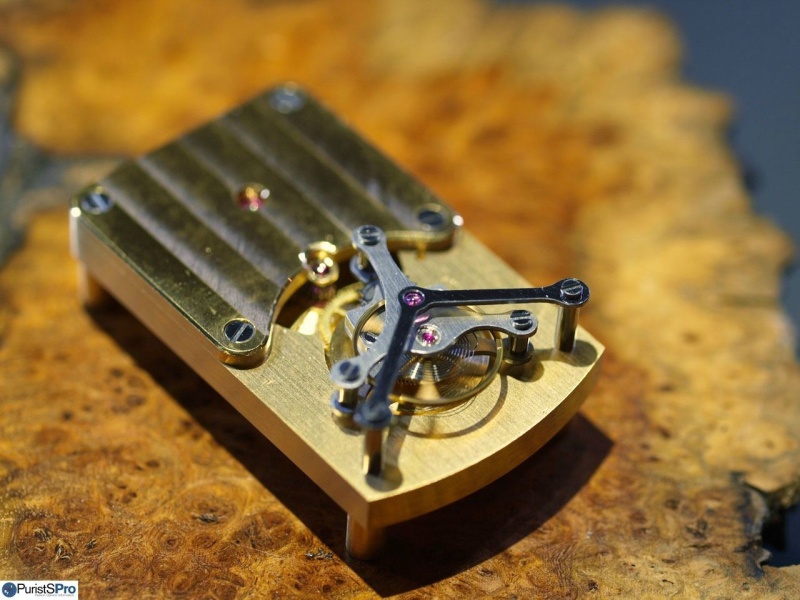
The first construction plans were designed at the beginning of their third (!) year of training, and the two started the practical work three months later. Obviously, they did not start from scratch! All wheels and gears were taken from ETA 6497 and ETA 6445 movements, whereby escapement parts and the entire gear train until the seconds wheel from a smaller movement (the 6497).
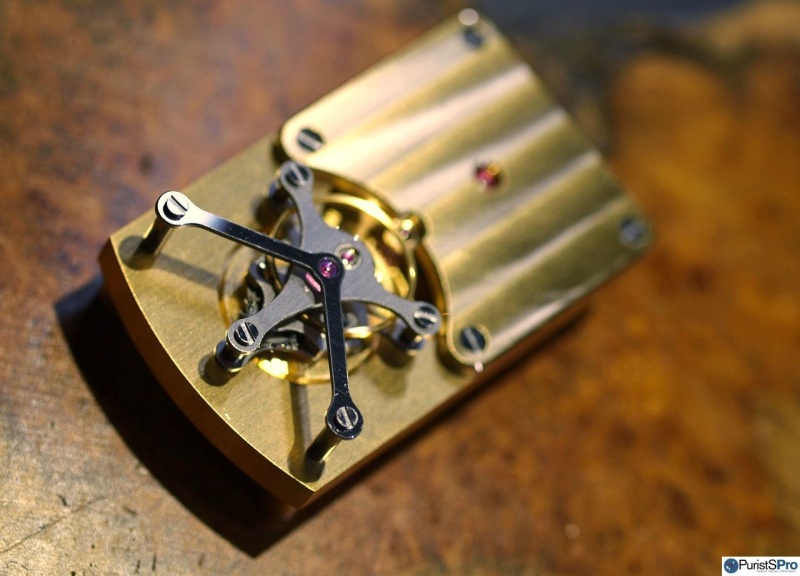
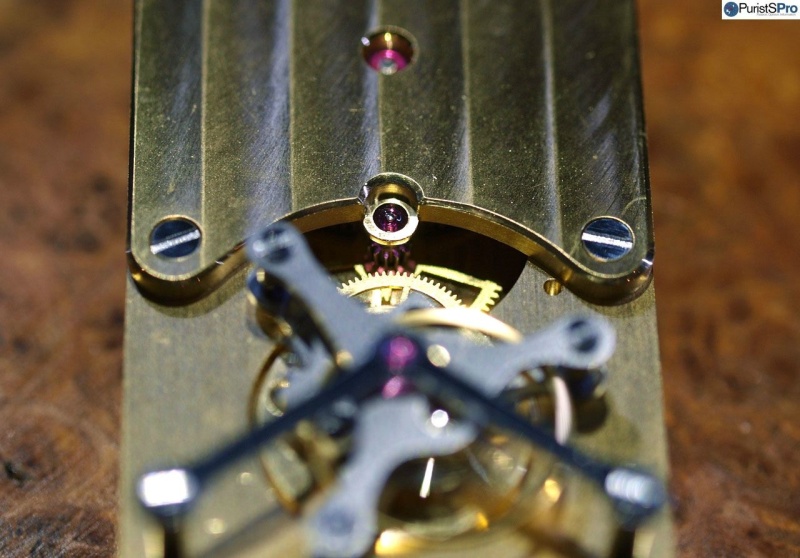
All other parts have been milled, drilled and filed from scratch using the watchmaking ateliers at their school.

The tourbillon thus has a lateral escapement like the Vincent Calabrese/Blancpain tourbillon, the Habring tourbillon and others. It rotates with 1 rpm and has an overall power reserve of 48h and with key-wound.
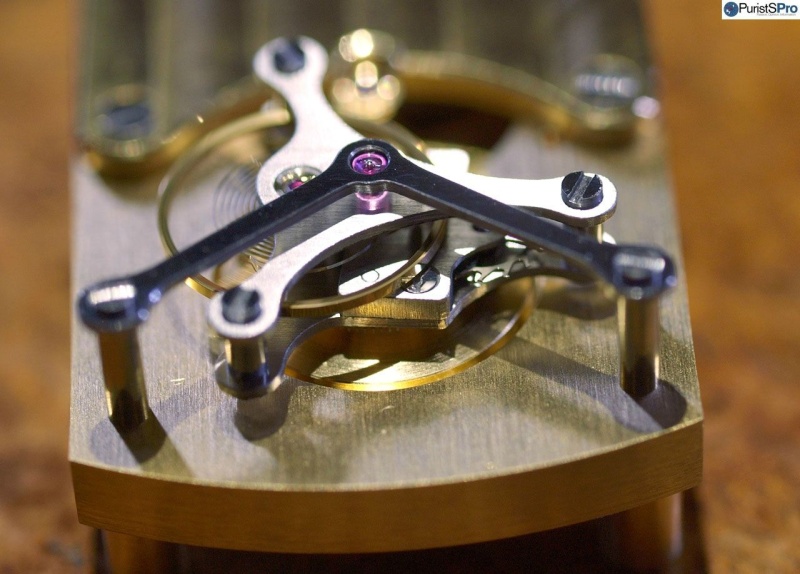
Finishing work is one key topic at the schools. Therefore, David and Maxim also paid due attention and applied generous Geneva stripes, anglage and brushing finishing techniques.
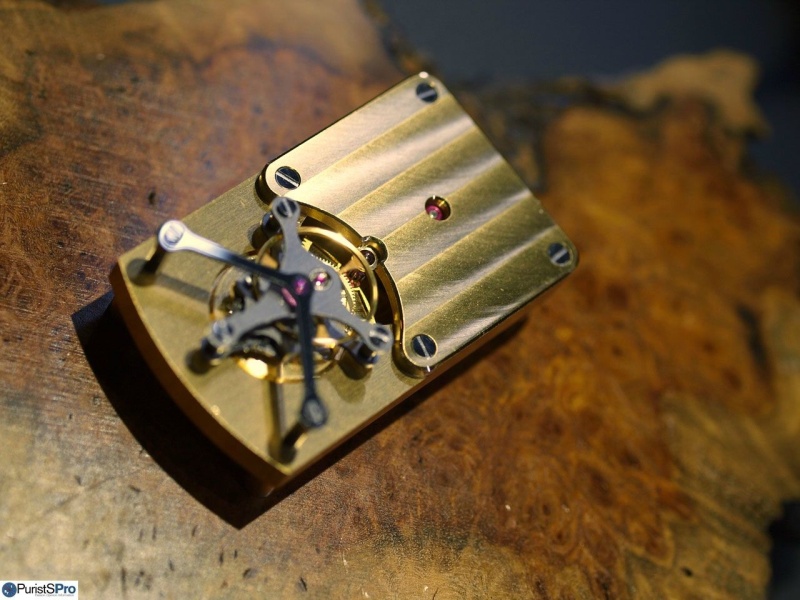
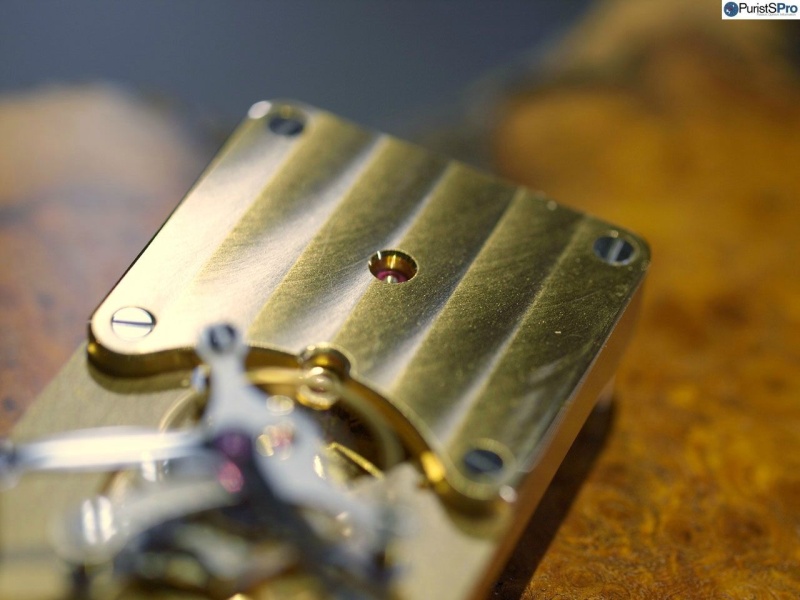
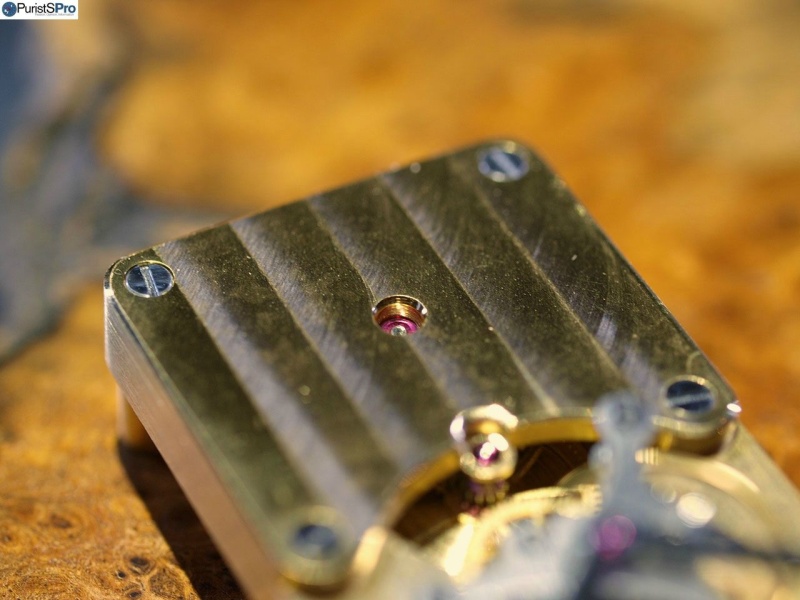
Altogether the two watchmakers spent more than 400h on this piece.
Congratulations you two and all the best for your future!
Thanks for reading,
Magnus
P.S.: If you want to learn more about watchmaking training I urge you to read ei8htohms' series 'a day in watch school' posted over in PPro's WatchTech forum!


