
Vintage
Bruno.M1's exploration of a 1996/1997 Audemars Piguet catalog offers a compelling look at a pivotal moment in the brand's history, predating its current Royal Oak dominance. His archival deep dive prompts a discussion on how luxury watch brands evolve and the impact of shifting product strategies. This post invites collectors to reflect on AP's diverse past and consider the implications of its contemporary focus.


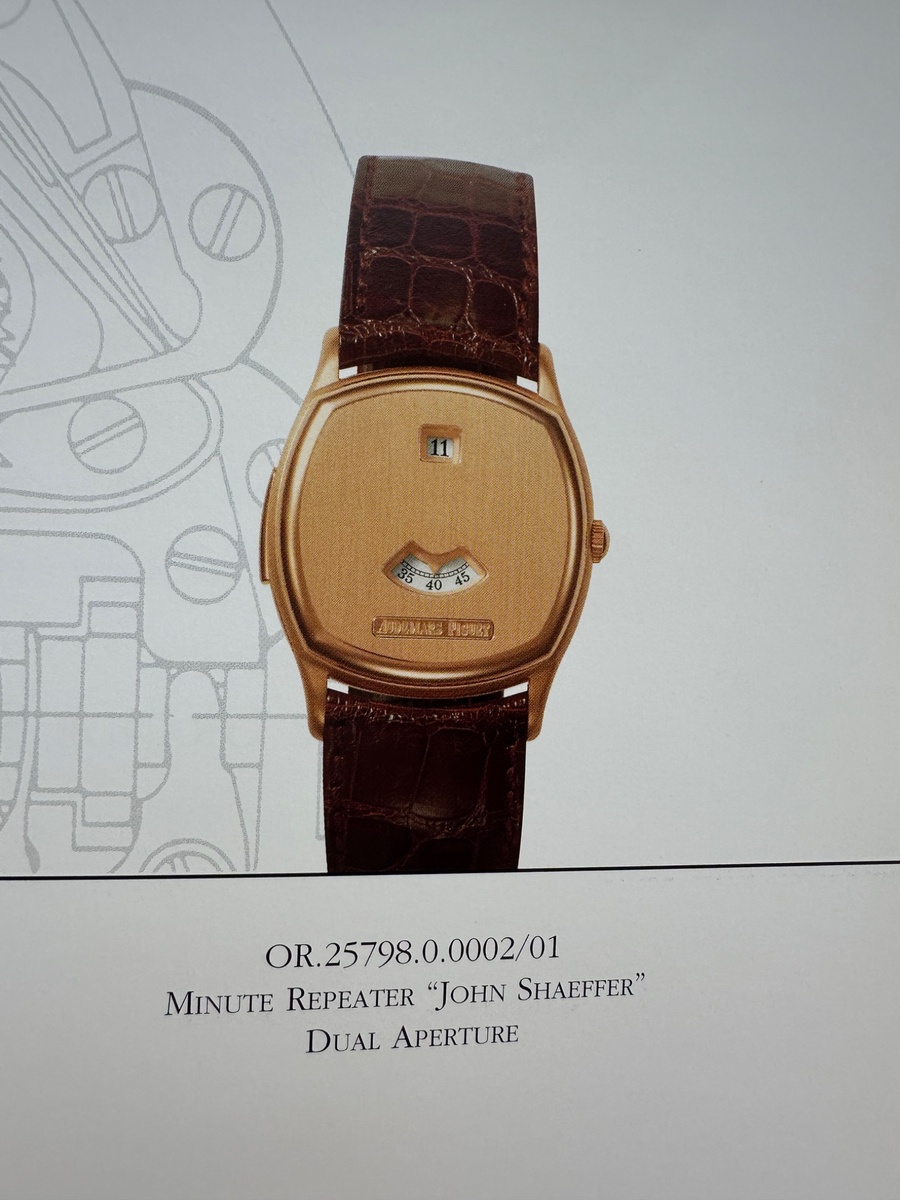
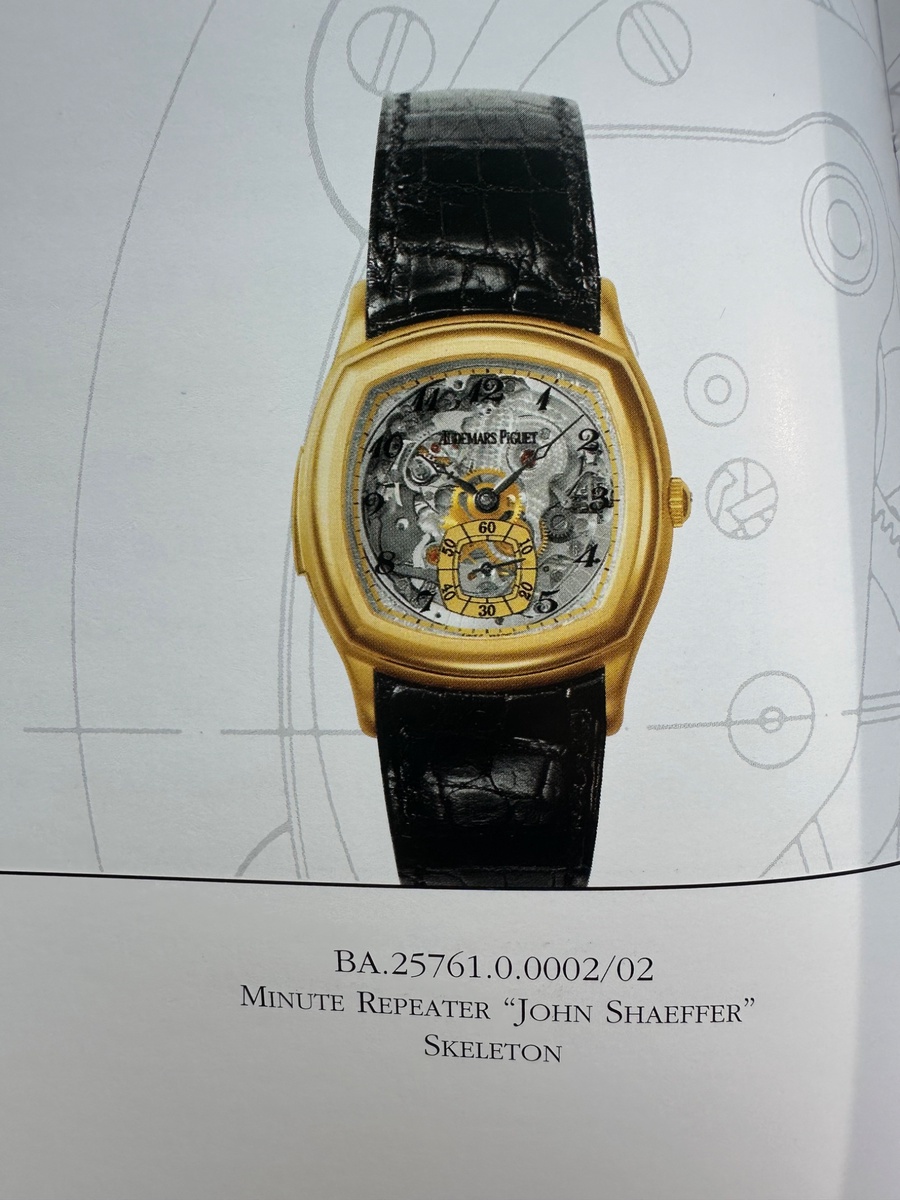

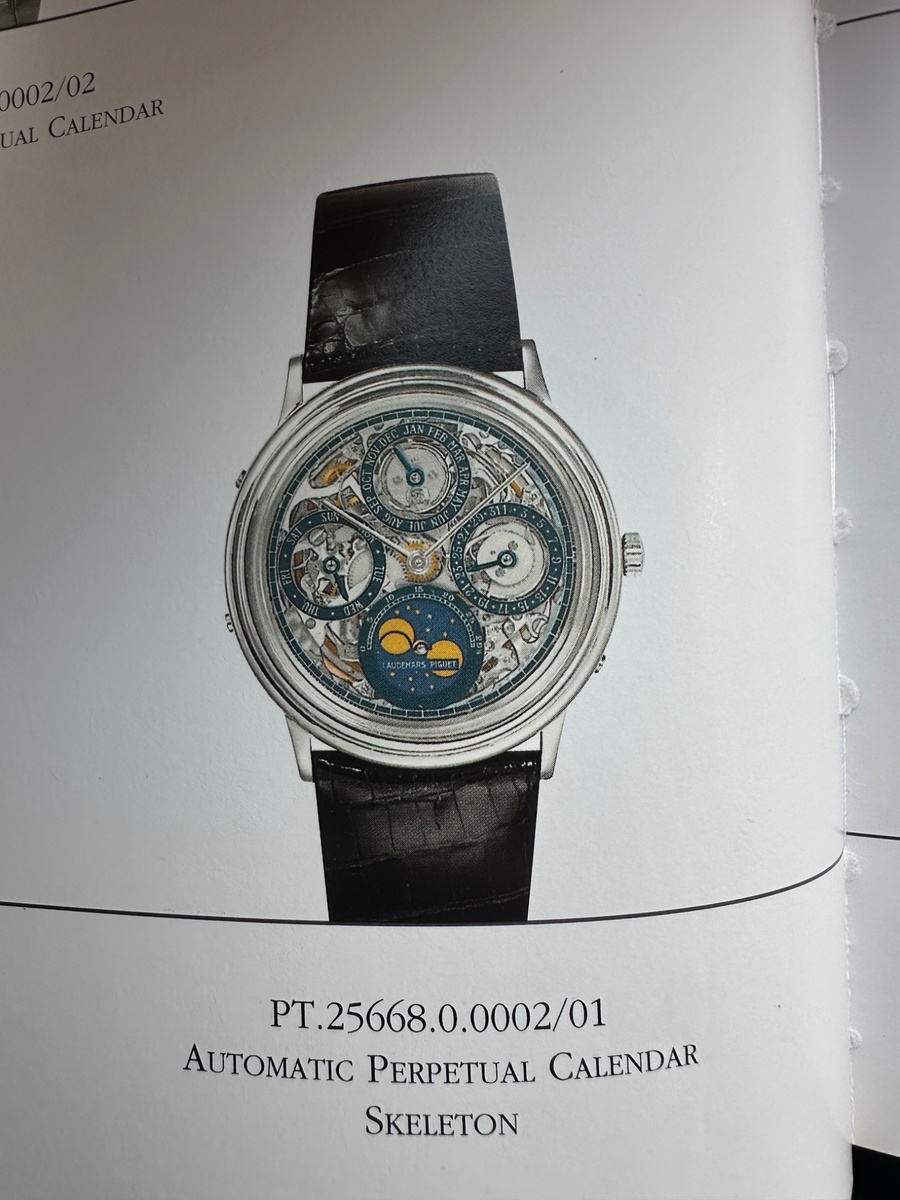
Having been passionate about horology for more than three decades, I have retained an extensive archive of catalogs dating back to the mid-1990s. Recently, I revisited an AP catalog from 1996/1997—nearly thirty years old. What is particularly striking is that approximately 90% of the catalog is dedicated to a diverse range of classical AP designs, while only a small portion—roughly the final 10%—features the Royal Oak and Royal Oak Offshore collections. At that time, these models clearly played a secondary and relatively minor role within the brand’s overall offering.
It is regrettable to observe how profoundly the company has evolved over the past three decades. While there is nothing inherently wrong with the Royal Oak itself, the brand once demonstrated a far greater breadth of creativity and diversity.


I like many Royal Oaks as well though.
Change a dial to something see-through, or a green versus brown dial, and the watch product press lose their minds at the "brilliance'. Go from octa to square, but keep typical off-the-shelf bits as a properly shaped movement means they have to, you know, get back to work and create something new. To be fair, being lazy is working just fine for certain retail brands. Be lazy, the sheeple are buying it, and perhaps, overpaying for the hype. Why change being a cheap and lazy manufacturer in 2026 i
Marc
This thread is active on the Audemars Piguet forum with 21 replies. Share your knowledge with fellow collectors.
Join the Discussion →


